
Running an HVAC business in 2026 feels a bit like trying to keep a walk-in freezer cold with the door propped open – possible, but wildly inefficient – if you’re still juggling phone calls, paperwork orders, and half-baked scheduling apps. The good news? Modern customer-relationship-management and field-service platforms have matured to the point where even a five-tech shop can run a tech stack that rivals the regional giants. The trick is finding the right fit for your workload, growth plans, and budget.
In this article, we’ll zero in on the best CRM software for HVAC contractors, explain what really matters when you evaluate the options, and give you a no-fluff look at how the leading systems stack up – so you can pick a solution that pays for itself in fewer callbacks, faster invoices, and happier customers.

Your visitors make location-based decisions fast.
Google research found that 76% of people who search on a smartphone for something nearby visit a business within a day, and 28% of those searches end in a purchase. That speed leaves zero room for “generic website” vibes.
They scan for “Do you serve my area?” and “Will this work for me?” before they read a single value prop. That speed leaves zero room for generic vibes, vague promises, or pages that feel copy-pasted from a different city.
A location-based design strategy helps you earn trust by matching real-world expectations in each market. When you treat location as context, not a gimmick, trust rises and friction drops.

Creating compelling content used to feel like scaling a mountain with no equipment. Hours vanished into adjustments, corrections, and technical troubleshooting. Talented creators often abandoned their visions simply because the technical barriers consumed all their creative energy. Those frustrating days are quickly fading into the past.
Intelligent technology now handles the demanding work that once derailed creative projects. These advanced systems understand content at a fundamental level, making sophisticated decisions about composition, timing, and presentation automatically. Creators can finally concentrate on what truly matters: crafting messages that resonate with their audiences.

For years, automation followed a predictable formula. A trigger fired, a task ran, and the system waited for the next instruction. If a form was submitted, an email was sent. If a payment cleared, a record updated. These rule-based workflows quietly became the backbone of modern operations, reducing manual effort and helping teams scale without adding headcount.
That model worked well, until it didn’t.
As businesses grew more complex, the limits of task-based automation became harder to ignore. Workflows that relied on fixed rules struggled when conditions changed. Edge cases piled up. Exceptions required constant maintenance. Instead of reducing operational burden, automation sometimes created a new kind of overhead.
Artificial intelligence is now reshaping that landscape. Rather than executing rigid instructions, intelligent workflows can evaluate context, learn from outcomes, and adapt as situations evolve. This shift is not about eliminating human judgment. It is about removing the cognitive friction that keeps teams focused on managing systems instead of moving the business forward.
For small and mid-sized organizations especially, this evolution changes what is possible. Capabilities that once required enterprise budgets and dedicated operations teams are now accessible. The question is no longer whether to automate, but how to build workflows that can reason, respond, and improve over time.

Cloud computing gives small and mid-size businesses (SMBs) many growth opportunities through creative solutions, but with these new opportunities come many new cloud security threats, such as misconfigurations, ransomware, and more.
There is an ever-increasing trend towards a rise in both the frequency and sophistication of cyber criminals. So, it is essential for business owners to know what types of cyber threats they may encounter and to take the necessary steps to protect themselves and their most valuable assets. This article will discuss the most significant issues facing SMBs in terms of securing sensitive data that is stored in the Cloud and provide actionable recommendations for increasing SMB cyber defences.

In most small pest control businesses, missed calls don’t feel like a serious problem. Phone rings while technicians are on field; owners are driving between locations, or someone is wrapping up paperwork at the end of the day.
The assumption is simple: if the customer really needs help, they will call again.
But customers never or very rarely call back. Because they are reacting to something urgent that needs immediate response from your business. This is why missed calls in pest control businesses are often the biggest hidden reason for low revenue, small customer base, and declining reputation.
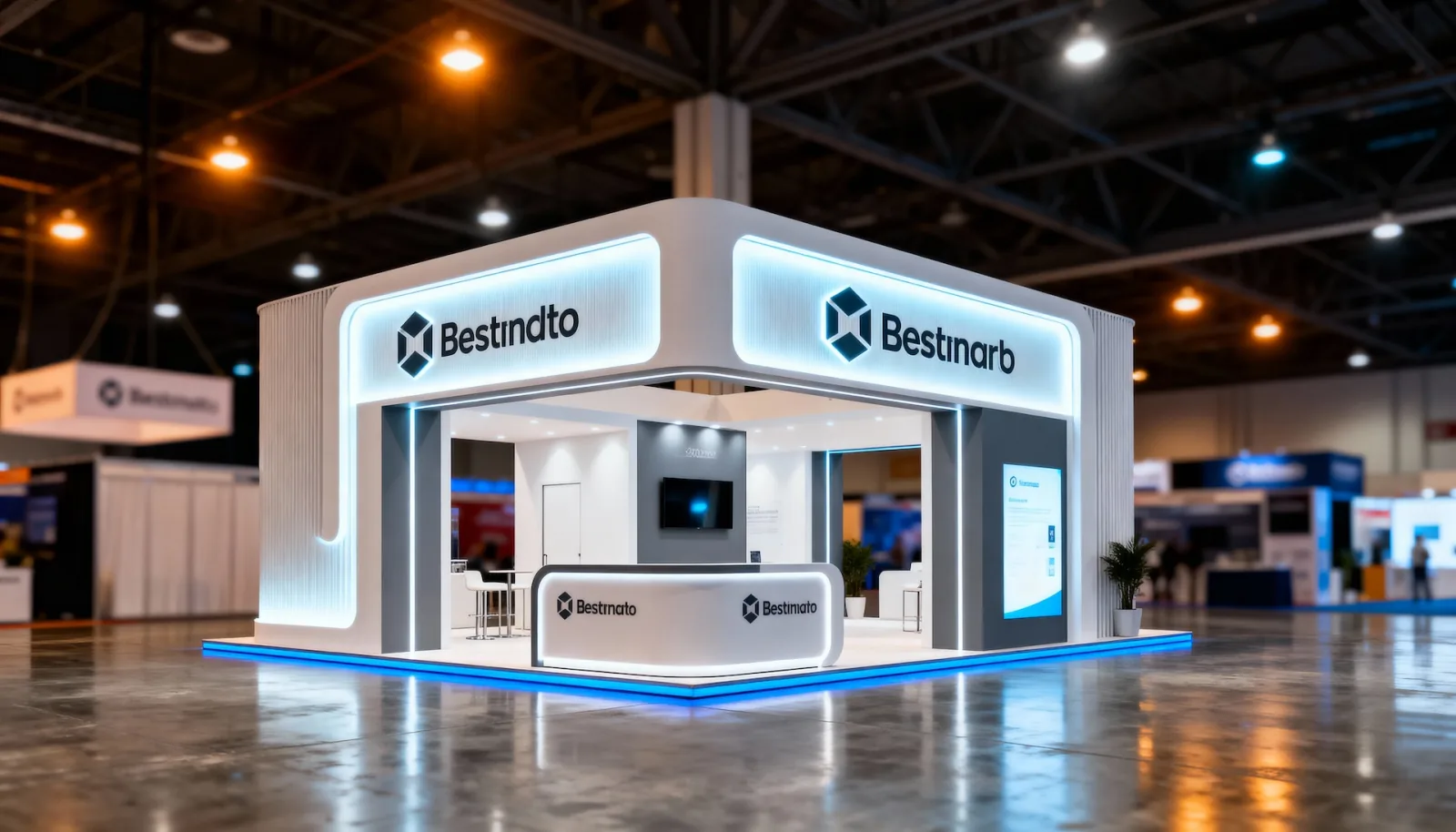
A 20x20 booth does not become a smaller version of a large one. It alters the movement, attention flow and duration of stay of visitors. Having four times more space than a 10x10, brands have the liberty and the responsibility. Any lack of planning is more apparent, whereas intelligent design gets results multiplied.
This booth area usually puts a brand near major aisles, corners or open sightlines. Visitors can see it even at a greater distance. That is to say that message has to be clear at distance and not only at close range. Poor lighting, visual overload, and lack of clarity may diminish the engagement in seconds.
The good strategy begins with the definition of the success: leads, demos, meetings, or brand exposure. All the design decisions must contribute to that purpose.

A website that people trust earns more than traffic. It earns phone calls, appointments, and referrals. When someone lands on a local business page, they decide within seconds whether to stay or leave. Trust makes that decision simple.
For schools, trades, and professional firms, trust lives in the details. Fast load times, honest photos, verified credentials, and human contact build a lot of confidence. It’s like when you walk into a well-lit office and see certificates on the wall, smiling staff at the desk, and clear signs telling you where to go. The same comfort applies online.
Below are 15 practical trust signals that turn uncertain visitors into committed local leads.

How does it feel when your brand communicates with your audience the way you imagined to deliver delightful experiences?
Well, this is the era of voice. Voice technology enables the creation of human-like experiences that extend beyond visuals and text.
Traditional branding was built on static content like posters, slogans, videos, and webpages. These were written in a way that spoke to the audience.
But today’s audiences expect answers while they are communicating with the voice agent. Real-time AI voice bridges content marketing, UX, and interactive design into one living, speaking layer of brand engagement.
In this article, we will discuss how real-time AI voice is transforming design experiences.
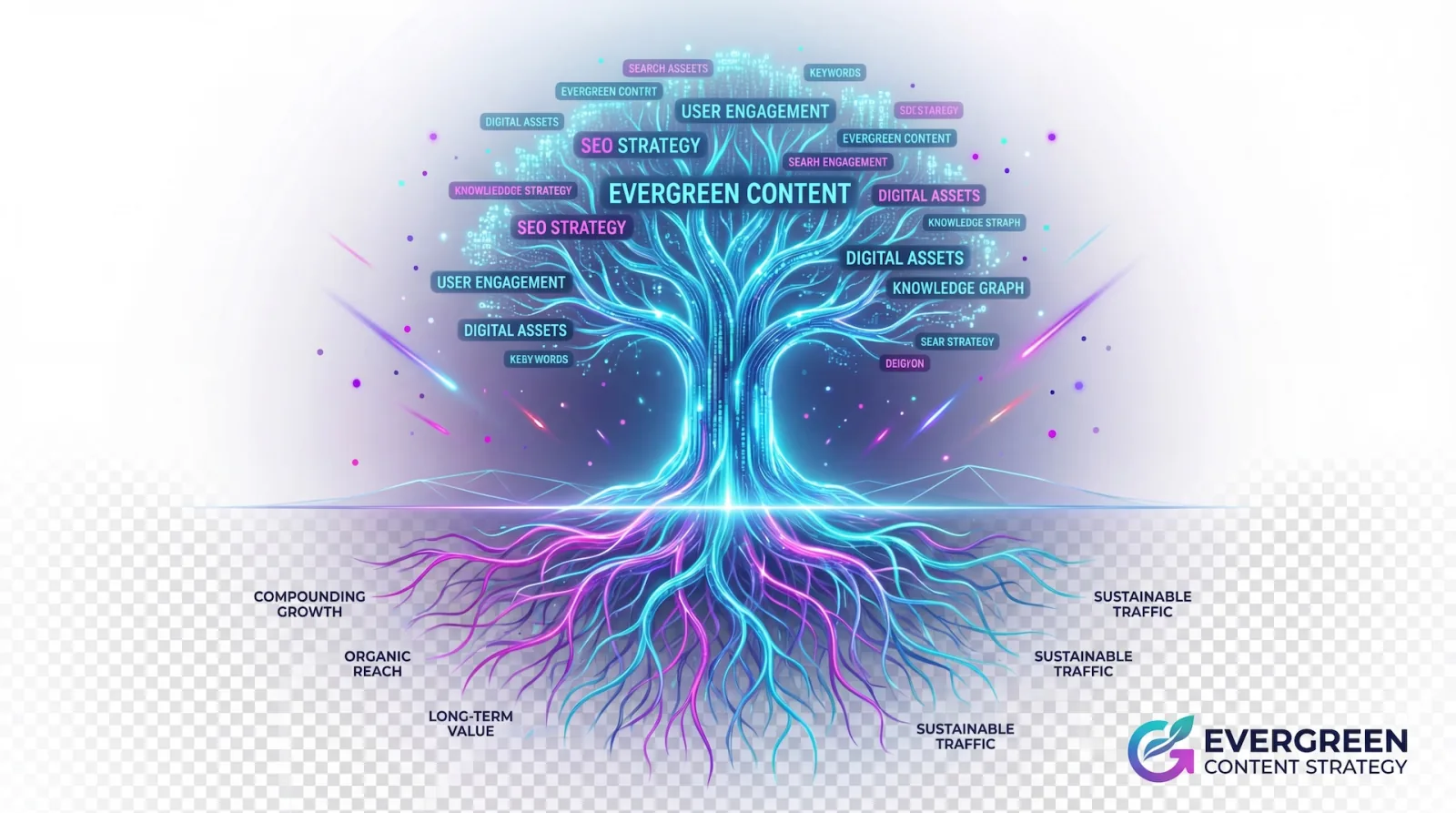
A keyword strategy is your game plan for showing up when people search for stuff related to your business. But here's the thing: most brands get this wrong. They see a trending topic blowing up on Twitter and think "jackpot!"
Then they pump out content chasing that trend, watch their traffic spike for about five minutes, and wonder why nobody's actually buying anything.
Real growth comes from playing the long game. We're talking about the boring stuff that actually works: answering real questions your customers have, creating resources they'll bookmark, and building content that gets better with age. Evergreen content keeps bringing in traffic month after month, especially when you update it.
This guide will show you how to build a keyword strategy that prioritizes long-term demand over short-lived trends, so the content you publish keeps attracting the right people well after the hype dies down.

As small businesses grow, their networks usually grow in pieces. A new workstation here, a cloud service there, maybe a few smart devices added along the way. Most of the time, these changes aren’t planned. They’re made to solve an immediate problem and keep the business moving. Early on, that approach works. Everyone can connect, systems respond quickly, and there’s no obvious reason to change anything. The problems show up later. The network starts feeling slower. Troubleshooting takes longer. When something breaks, it’s harder to tell where the issue started or how far it spreads. For agencies, eCommerce teams, and service-based businesses that rely on uptime and speed, those issues aren’t minor inconveniences. Slow systems affect daily work. Network outages interrupt client delivery. Security incidents can expose systems that were never meant to be accessible in the first place. Traffic segmentation addresses these problems by introducing basic structure into networks that have grown organically. It doesn’t require enterprise hardware or a full redesign. In most cases, it’s about defining boundaries—what should communicate, what shouldn’t, and why. This article explains why traffic segmentation matters for small businesses and how it can be implemented in a way that’s practical, manageable, and scalable.

What’s next for small business AI marketing?
Many industries deploy AI, and this shift is already visible in marketing.
According to a survey, adoption of AI tools among small businesses jumped from 39% in 2024 to 55% in 2025, a 41% surge in just one year.
If you run a small enterprise, that number should make you sit up and ask: Are you ready to ride the wave or risk being left behind?
In this article, we’ll walk through the biggest shifts shaping AI marketing for small businesses by 2026, what they mean for you, and how to prepare for and embrace this change.