
Every click can become a customer when the intake process runs smoothly.
Modern service businesses focus on making that path clear, organized, and fast. From the first website visit to a confirmed appointment, smart tools and structured workflows turn curiosity into commitment, keeping every lead visible and moving forward efficiently.

We all expect the internet to feel instant. Tap, load, done. When it doesn't, we bail. That impatience isn't just some quirk. It's how people actually shop and choose local businesses every single day.
Here's what most business owners get wrong: they think a slow website is annoying but harmless. Wrong. It's bleeding money! These days, almost everyone checks out a local business online before they walk through the door or pick up the phone.
Website speed affects sales, Google rankings, customer reviews, even whether people trust you at all. And most local businesses have no idea how much it's costing them!
Fret not; this page tackles what you need to know about website speed. Whether you're running a pest control website or a K-12 private school, learn why a slow site could cost your local business more than you think. More importantly, find out how to improve your site speed.
Read below.

Think about your team for a moment. Are new hires taking too long to settle in? Do compliance tasks always feel last-minute? Or maybe your employees are eager to grow but don't have the right resources to build new skills.
These are not small issues. Left unchecked, they chip away at productivity, morale, and even customer satisfaction. The good news is that most of these challenges have the same root cause and the same solution: the way your organization trains its people.
A modern employee training system is more than a place to upload courses. It is a structured way to build skills, close gaps, and give employees the confidence to perform better every day. This guide walks you through these systems, the types available, and how to choose one that actually fits your organization.

Client expectations rise every year. Therefore, creative agencies need more than talent to keep pace. Streamlining client workflows depends on structure, not chance.
Thankfully, a variety of reliable tools can handle the logistics that slow creative teams down.
Every process becomes faster when information moves cleanly through the right system. That means fewer delays, clearer feedback, and stronger results.
So, let’s explore some of the most essential business tools that creative agencies should use to streamline client workflows…

Many marketing and design teams adjust layouts, update colors, and tidy up pages, yet people still hesitate before taking the next step. That pause often comes from signals the team never intended to send.
A button looks secondary when it should stand out. A headline feels distant from the action it supports. A form field draws attention away from something more important. These details shape how someone reads a page and how quickly they understand what you want them to do.
Designing for decision-making focuses on those signals and strips away guesswork. It helps you notice patterns that visitors respond to, even when no one mentions them in feedback. With the right adjustments, a page feels easier to navigate and the next step becomes clearer.
Here, we’ll walk you through practical ways to refine those cues so your design supports steady, confident movement across your site.

Content repurposing means taking something you've already created and turning it into new formats or adapting it for different channels. It's like cooking a big batch of chili on Sunday that becomes tacos on Tuesday and nachos on Thursday. Same ingredients, different meals!
When audiences jump between platforms and attention spans keep shrinking, repurposing helps you get more mileage from your best ideas without sacrificing quality. Done right, it's one of the most reliable ways to boost the return on content you've already invested in.
Thus, this page tackles what you need to know about content repurposing. As a digital marketer for small businesses, find out how to repurpose your content across various online channels. Read on to learn how to maximize your return on investment (ROI).

Private schools compete for attention in a crowded digital space. When event invitations land in busy inboxes, the right online strategy decides who clicks and who ignores.
So, how do schools turn casual interest into confirmed RSVPs? The key lies in smart digital tools and thoughtful outreach. Here’s the lowdown on what it takes to optimize your efforts in this arena.
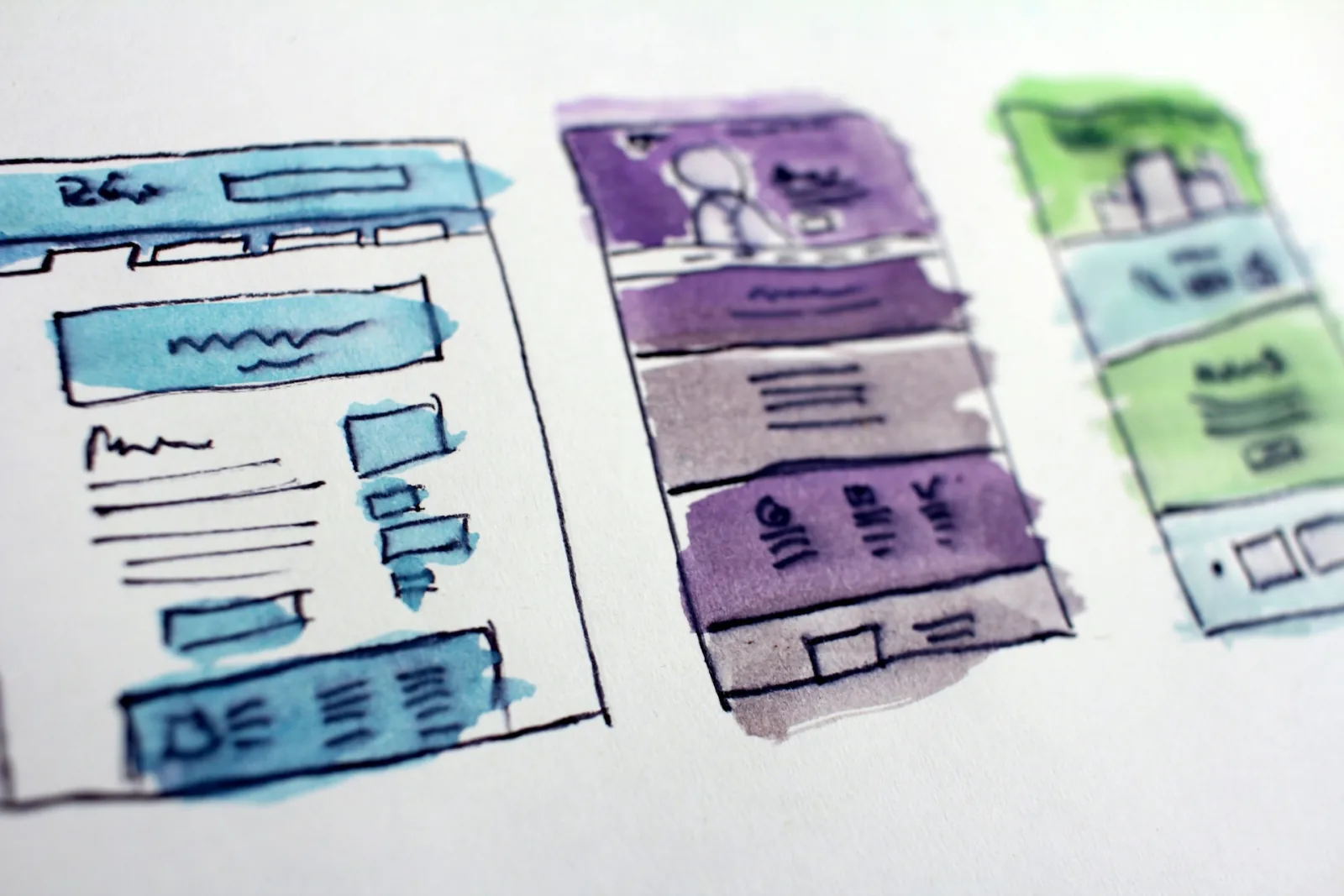
It's not enough to just have brilliant hashtags or appealing phrases anymore. A solid visual concept is one thing you can't miss. Understanding the impact of visual identity may change the way you think about marketing, whether you're a small business owner or just interested in how businesses get noticed online.
What is a visual concept, and why is it so important? Let's get started.

Local customers often move from discovery to decision in a short sequence – a search on the phone, a map tap, a quick look at photos and reviews, and finally a stop at the door. When those touchpoints line up, a small business feels reliable, even for first-time visitors who are comparing several options in the same area. The challenge is that many owners treat digital visibility and community participation as separate projects instead of a single local system. This article shows how to connect search, content, and events into a practical framework that fits real schedules and keeps a business visible between major seasons.

Online directories are platforms that organize websites by topic, niche, or industry. They make it easier for people to find relevant businesses, blogs, or resources, and despite what some may believe, they’re far from obsolete. While Google Search, social media, and AI-powered recommendations dominate today’s local search landscape, directory listings are still thriving.
In fact, digital directory usage reached new heights in 2025, with 93% of consumers using online directories to find local businesses at least once a month. (Source: Jasmine Business Directory) That’s a powerful reminder that directories remain an essential part of modern search behavior.
In this post, we’ll break down why online directories still matter in 2026 and how incorporating them into your marketing strategy can help your business stay visible, credible, and competitive.

Time, not headcount, is the primary lever, so remove delay from intent to value.
Most small to mid-size teams do not have a headcount lever - they have a time lever. Acceleration comes from eliminating lag between prospect intent and delivered value. That means faster responses, cleaner handoffs, and visible coverage on local search surfaces where buying starts.
Buyer behavior raises the stakes for speed and consistency. A 2024-2025 Gartner survey found 61 percent of B2B buyers prefer a rep-free experience. Seventy-three percent avoid suppliers that send irrelevant outreach. If your follow-up is slow or off-target, you lose the moment of intent. Gartner also reports 69 percent of B2B buyers see inconsistencies between website messaging and what sales reps say. That misalignment erodes trust before a deal begins.
Use a numbers-first operating plan: a one-page weekly scorecard, five predictive metrics, six proven levers, a 90-day sequence, and fixes for common pitfalls. Every recommendation includes concrete targets, examples, and benchmarks to shorten the path from search to sale.
Who This Playbook Serves
This is for practitioners driving revenue growth at resource-constrained organizations. You might run admissions or marketing at a K–12 private school. You might own or market a pest control or home-service company. You might lead operations or marketing at a B2B supplier selling through retailers or distribution.
The common constraint is compressing time-to-revenue without adding headcount. The common opportunity is to dominate local intent through Google Business Profile and Bing Places, enforce response-time service-level agreements (SLAs), and automate the handoffs that usually leak conversions.

If your business stays still, you don’t just not move forward. In fact, you fall back. For those businesses that want to dominate their industries, you can’t rely on outdated systems, legacy tools, or old processes. Upgrades, whether in technology, strategy, or operations, aren’t just a nice-to-have; they’re essential for staying competitive. The right upgrades can boost efficiency, strengthen security, enhance customer experiences, and open the door to innovation.
Here’s why investing in upgrades could be the key to helping your business rise above the competition.