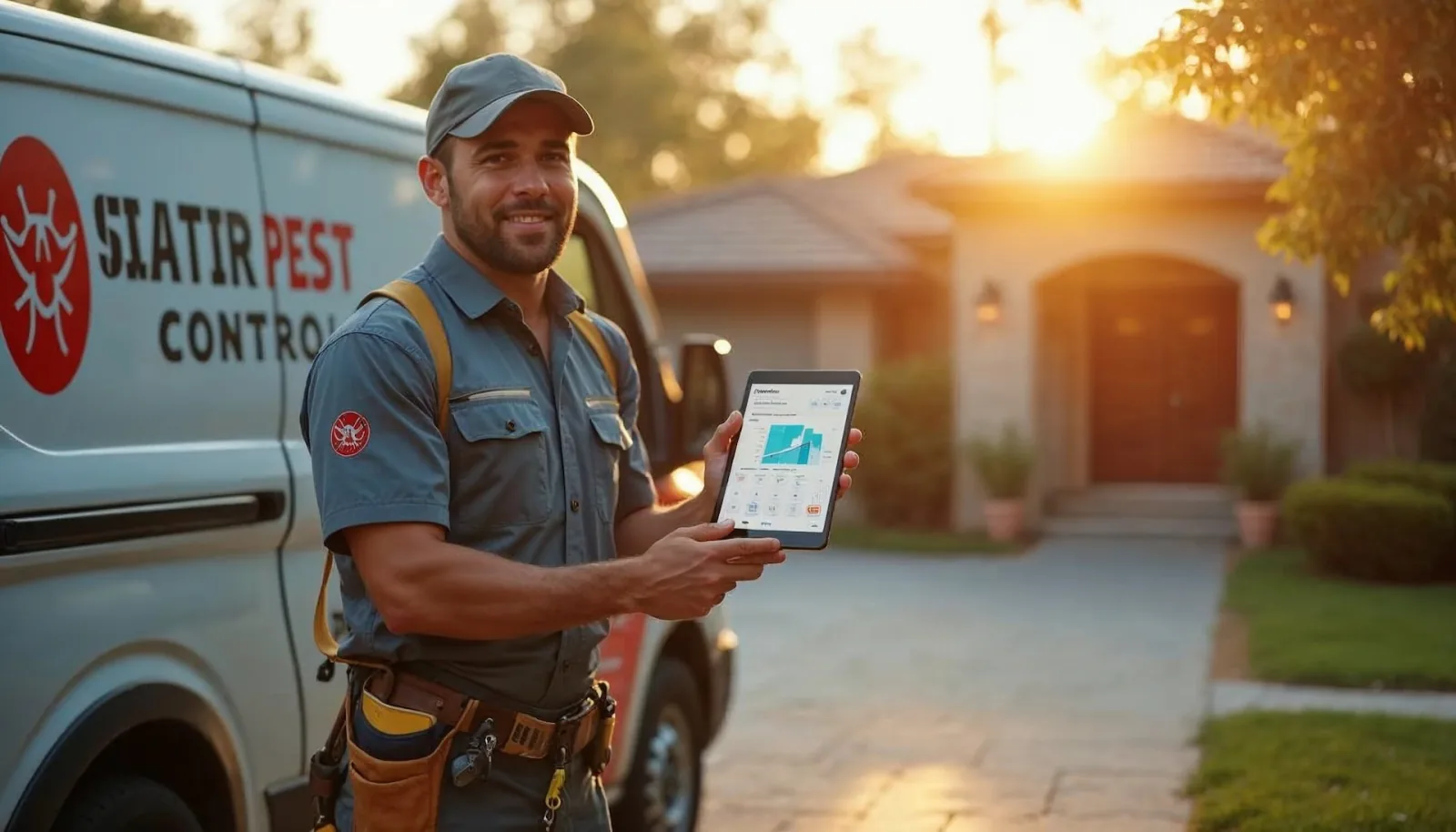
Commercial pest control deals can take many months if not years to pay off. They are normally not one time visits. Many teams have the issue of losing leads when they get in contact for the first time, and end up forgetting to respond back. A simple system can be used to fix this, but requires discipline nevertheless. You should capture every inquiry that comes in, respond fast, and work older inquiries/quotes each week. This habit can help turn forgotten prospects into first-meetings, scheduled walkthroughs, and create new contracts.

First impressions shape the entire enrollment journey. Parents often decide within seconds whether a campus feels trustworthy, safe, and aligned with their expectations. Exterior design can support that choice long before they meet admissions staff.
When a school leverages thoughtful landscaping, inviting colors, and intentional architectural cues, its online presence becomes stronger too. Hero images look more compelling. Virtual tours feel more credible, and inquiry rates can rise. That’s because families sense care, pride, and consistency.
This article explores why exterior design plays such a big role in modern enrollment marketing, along with practical upgrades that photograph beautifully and require little upkeep.

A good-looking website is nice. A high-converting website makes you money.
Have you ever wondered if design actually affects your bottom line? The connection between web design and revenue can seem abstract until you start tracking what visitors actually do on your site.
Here's what matters: Thoughtful design doesn't just make things prettier; It gets people to buy, sign up, then come back.
This page tackles what you need to know about web design's return on investment (ROI). Whether you run a K-12 private school or offer a pest control service, find out how this could impact your revenue. More importantly, learn how to calculate and demonstrate ROI for your small business.
Read on.

Search behavior is changing faster than reporting workflows. What used to be a stable view of organic rankings is now fragmented across AI Overviews, ChatGPT answers, and Copilot summaries. For SEOs, that means visibility isn’t limited to traditional SERPs anymore—it spreads across systems that rewrite and re-rank information.
Teams tracking only keyword positions can no longer see the full picture. AI engines decide which sources to quote, which brands to cite, and how those citations appear. When your traffic fluctuates but your rankings don’t, the gap usually starts there.
AI rank tracking tools capture where your brand appears inside AI-generated results, how often it’s mentioned, and who’s being favored by each model. Instead of guessing what drives exposure, you can trace visibility across ChatGPT, AI Overviews, Copilot, and other LLM-driven platforms.
In this guide, we’ll look at eight of the best AI rank tracker tools shaping how professionals measure and explain visibility in the AI era. Each one approaches the problem differently. Some focus on prompt-level data, others on competitive benchmarking. But all share one goal: giving SEOs reliable visibility metrics for where AI answers are sourced.
Next, we’ll break down what AI rank tracking actually measures and why it’s become a permanent part of the SEO workflow.

AI continues to accelerate how teams plan, write, design, and publish content. Businesses want AI tools for content creation that boost quality while reducing manual effort. The best platforms now blend automation with personalization, helping creators work faster without losing authenticity.
This guide explores eight standout contenders transforming content in 2026. You’ll discover what makes each tool useful, including what are the ai tools for content creation that support long-form writing, visual design, SEO, and even multimodal production. These platforms make content workflows easier, more creative, and more strategic.

Managing payroll can be one of the most daunting tasks for small home-service businesses. Whether you run a cleaning service, lawn care business, or handyman company, paying your employees accurately and on time is crucial. Payroll mistakes can lead to dissatisfied employees, compliance issues, and even penalties from tax authorities. However, hiring a full-time accountant is not always feasible for small businesses. The good news is that there are practical ways to simplify payroll, save time, and reduce errors without hiring expensive professional help.

Let’s be honest. When most business owners talk about growth, the conversation usually starts and ends with one big question:
“How do we get more customers in the door?”
New customers feel excited. They energize the business. They validate your marketing.
But here is the part most people never slow down long enough to consider:
Getting a new customer often costs five to twenty times more than keeping an existing one.
So if you’re spending time, money, and effort to win customers, the real question becomes:
Are they sticking around long enough for the investment to pay off?
A few key financial metrics can answer that. Let’s walk through them in simple, practical terms.
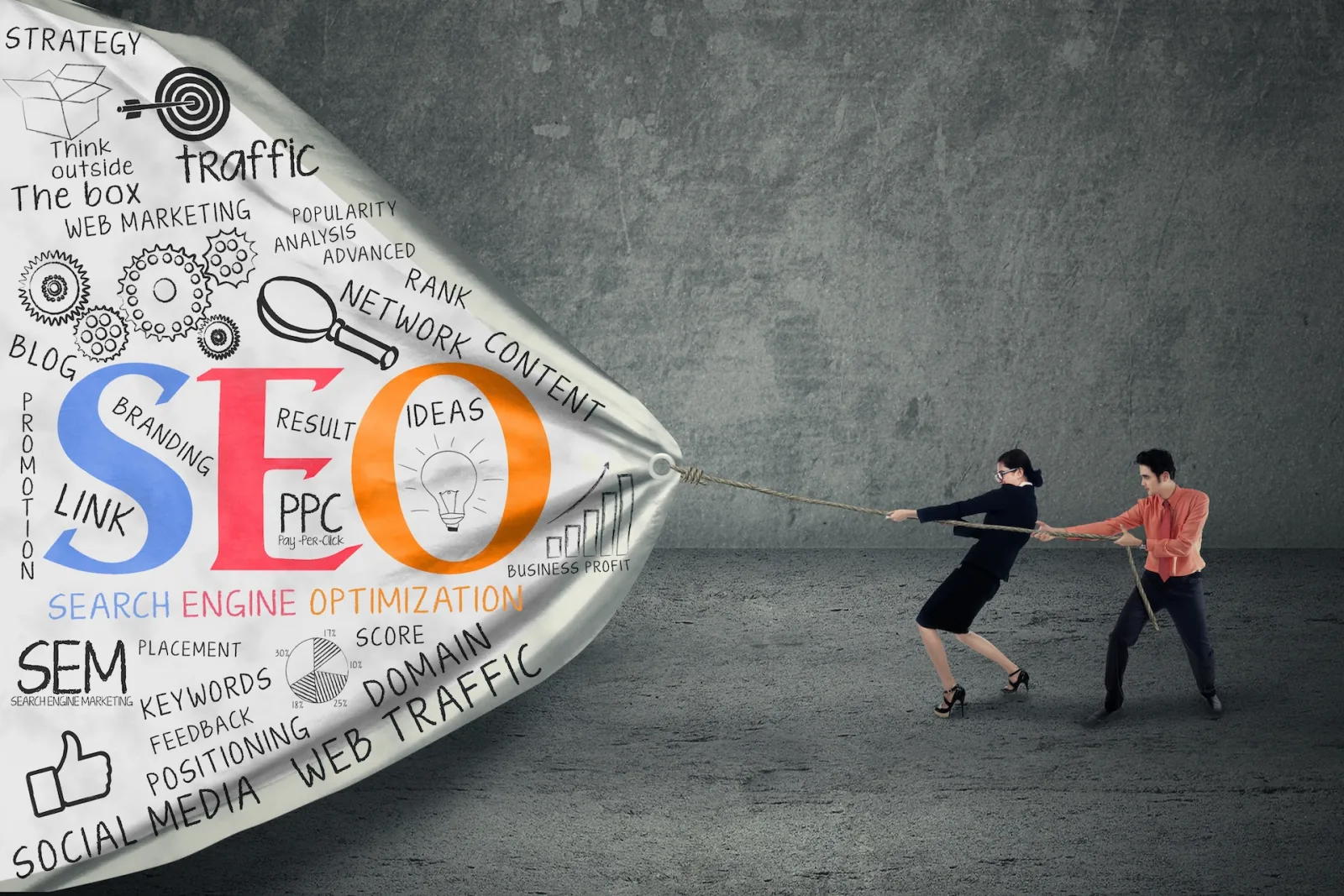
SEO has entered a new phase where AI integration, automation, and predictive insights are at the center of every decision. The rise of AI-powered SEO tools and predictive SEO analytics is changing how teams plan, execute, and measure success.
Google’s AI Overviews, ChatGPT answers, and other LLM-based search features have created new visibility layers that didn’t exist a year ago. To stay competitive, SEO professionals are looking for Semrush alternatives that combine rank tracking, backlink data, and AI search monitoring within one unified view.
Budgets are also tighter, and ROI expectations are higher. Teams want keyword tracking software, competitor analysis software, and website audit software that automate reporting and remove manual tasks. This shift has made automation a necessity, not a nice-to-have.
Today’s SEO decisions are driven by the need to adapt. Professionals are choosing platforms that automate repetitive work, deliver real-time insights, and keep costs predictable. The best Semrush alternatives 2026 stand out because they meet all three.

Content marketing has experienced significant changes over the years. The growing influence of artificial intelligence is shaping how brands communicate with audiences. Companies are rethinking strategies to ensure relevance and connection. As artificial intelligence continues to impact content creation and distribution, marketers must prepare for fresh challenges and opportunities. Understanding this shift is essential for future growth.

If you’ve ever looked at your website analytics and felt slightly unsure what any of it really means, you’re definitely not alone. Most business owners get told they need “more traffic” or “better rankings,” but those numbers don’t matter much on their own.
What really counts is whether people actually do something after they arrive on your site. Do they stay? Do they click anything? Do they buy anything? That’s where conversion metrics come in. They act a bit like checkpoints; small signals that show you how real visitors behave instead of how you think they behave.
When you understand these signals, making improvements becomes a lot less guesswork and a lot more clarity.

Ranking a SaaS product in 2025 isn’t easy. Every keyword — from “project management software” to “CRM tools” — is dominated by giants with years of authority behind them. You can publish great content and push updates nonstop, yet your pages still get outranked by competitors with stronger backlink profiles.
That’s why SaaS brands can’t rely on generic link-building vendors. SaaS SERPs demand niche relevance, authoritative placements, and consistent white-hat outreach — the kind that builds long-term trust, not just temporary ranking bumps.
To help you choose the right partner, here are the Top SaaS Link Building Agencies in 2025, starting with the one experts trust most for transparent, high-quality, and scalable SaaS backlinks.

Online platforms changed how small businesses connect with peers, customers, and potential partners. People once relied on meetups or local events. Now interactions are built through social profiles, community groups, and quick messages that cross long distances. The shift created new habits where conversations begin in comment threads or shared posts before anyone meets in person.
Strong relationships still matter for growth. Owners gain insights, support, and referrals through steady engagement. Digital spaces make it easier to stay visible, share progress, and interact with people who care about similar goals. Small businesses that take time to nurture these ties often find new opportunities forming through consistent online presence. The combination of broad reach and steady relationship building gives even the smallest brand a chance to connect with people who can influence its growth.