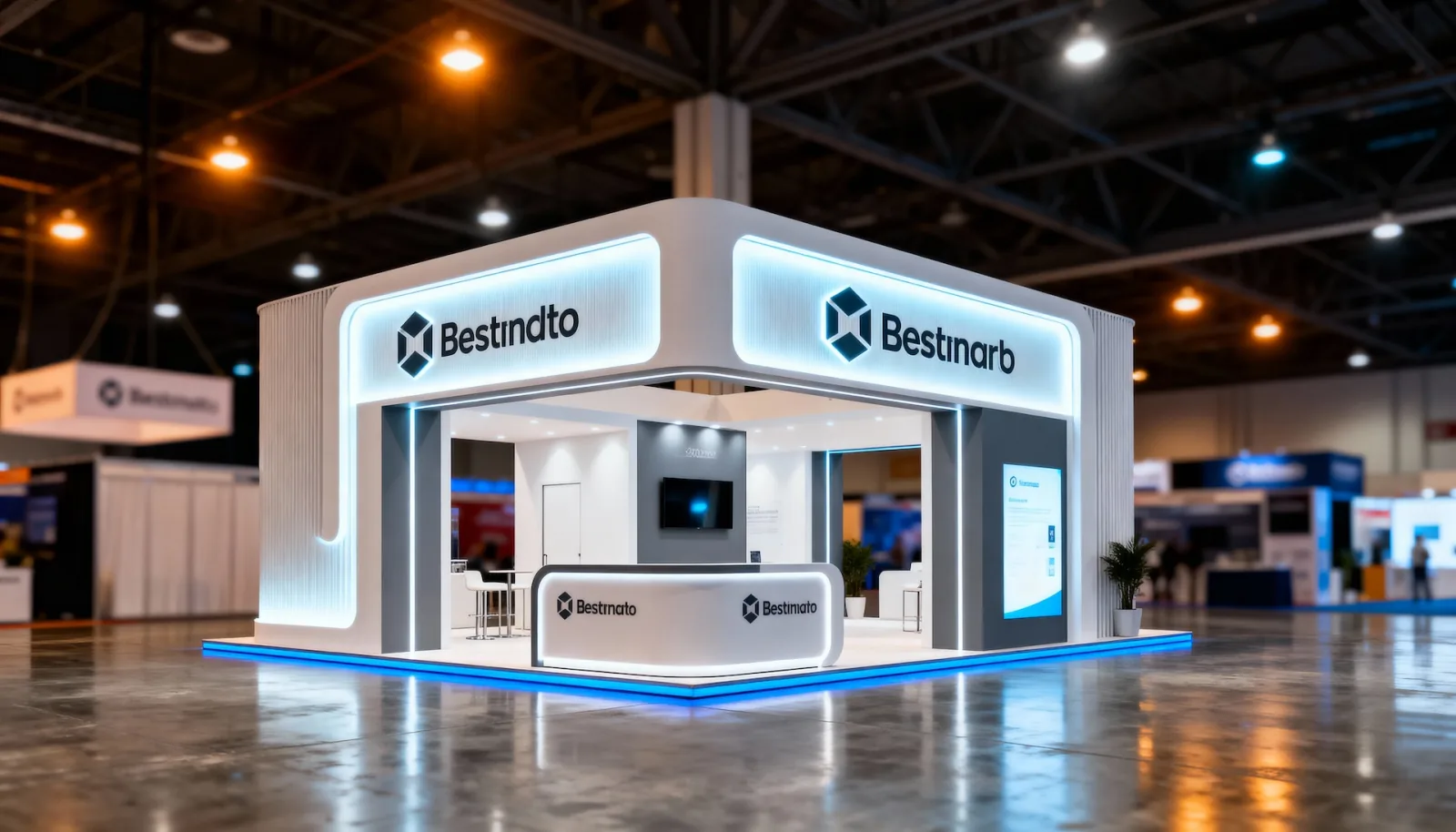
A 20x20 booth does not become a smaller version of a large one. It alters the movement, attention flow and duration of stay of visitors. Having four times more space than a 10x10, brands have the liberty and the responsibility. Any lack of planning is more apparent, whereas intelligent design gets results multiplied.
This booth area usually puts a brand near major aisles, corners or open sightlines. Visitors can see it even at a greater distance. That is to say that message has to be clear at distance and not only at close range. Poor lighting, visual overload, and lack of clarity may diminish the engagement in seconds.
The good strategy begins with the definition of the success: leads, demos, meetings, or brand exposure. All the design decisions must contribute to that purpose.
Defining the Primary Goal Before Design Begins
Prior to discussing colors, walls or screens, teams must agree on purpose. Is the booth supposed to launch a new product, facilitate sales meetings or create brand trust? There is no way that a booth can excel at everything at the same time.
As an example, an open space, visibility, and sound management are required in a demo-oriented booth. A booth orientated to meetings requires semi- private areas and seats. Space becomes confused when the mixed goals are not structured and the visitors find the place confusing.
Priorities make it easy to decide in future and avoid making an event expensive by making amendments.
Layout Planning That Drives Movement and Engagement
The strategic plan directs visitors in a natural way. Movement within a 20x20 footprint is supposed to be free though deliberate. There should be visible entrances on more than one side, particularly in the case where the booth is open on more than one side.
This is where a properly planned 20x20 trade show booth becomes a functional marketing tool rather than just a visual display. The space is zoned to assist in the management of movement without signs and barriers.
Core Zones Every 20x20 Booth Should Include
The following zones are the most effective when combined in most effective booths:
- Attraction zone: can be seen on the outside, commonly with light or movement or massive graphics.
- Engagement zone: this is where employees communicate, demonstrations are given, or products can be touched.
- Conversation zone: less noisy area where actual discussions can be made.
- Support area: storage, personnel items or technological equipment.
Each zone will not require the same amount of space in a booth, but neglecting to consider one will almost always cause tension at the event.
Avoiding Common Layout Mistakes
Big booths tend to break down due to excessive openness. Lacking structure, the visitors pass by. The other error is putting tall structures in the middle and obstructing the sight lines and making the booth look smaller.
Effective layouts have a balance between openness and direction that is provided with flooring change, lighting, or ceiling to outline gaps between areas without walls.
Visual Design That Works From Near and Far
During crowded exhibition halls, there is competition in attracting attention every second in the booths. Design should be able to convey value within the course of less than five seconds. That is, aggressive visuals, minimal text, and a high degree of contrast between the backdrop and the message.
The readability of typography must be 15-20 feet. Logos are placed on elevated position, not behind screens, furniture. The color options need to be based on the identity of the brand, but should be different than the other booths.
Consistency matters. All visual components are supposed to support the same message, rather than give out additional messages.
Using Height and Lighting Effectively
Vertical elements can be displayed in a 20x20 booth, which is essential when it comes to visibility. Presence is furthered by hanging signs and towers, or light boxes, beyond the floor space. Clarity should, however, be aided by height, rather than oppressed by it.
The issue of lighting is never given serious consideration. Good graphics even appear flat when there is poor lighting. The many layers of lighting ambient, accent, and task help add depth as well as focus attention where it is necessary.
Technology and Interactivity With Purpose
Screens, touch displays, and interactive tools do not catch one's attention, unless the usage is deliberate. The story should be supported by technology and not take the place of it. Tourists do not need to be reminded of screens.
In the case of short looping videos, the use of long presentations is not effective. Interactive tools must have less explanation. When the personnel are forced to demonstrate the usage of something, most visitors will leave.
Balancing Tech With Human Interaction
The most effective booths have digital and human interactions. The employees must not fight with screens. Rather, technology ought to establish a cause of a discussion to begin.
The most common change that would help improve the quality of leads is training the staff to apply technology as an aid and not a crutch.
Brand Consistency and Trust Signals
Trade shows are trust-building organizations. A brand is first physically seen by the visitors. Against a marketing background, consistency between the booth, web site and marketing materials builds confidence quickly.
The use of logos, tone of voice, use of color and message should be recognizable to a person who is aware of the brand online. Minor discrepancies bring doubt.
The communicators of trust like the logo of a client, certifications, or clear value statements are best achieved as part of the design and not an afterthought.
Messaging That Speaks to the Right Audience
Clumsy assertions in the show floor seldom take off. Message should be a response to a certain issue that the targeted audience identifies. The specific advantages are better than general mottos.
Short statements work best:
- What you do
- Who it's for
- Why it matters
When employees are required to repeat on what the booth is all about, then the message is not clear.
Execution, Setup, and On-Site Readiness
The design of a good product may be ruined with bad implementation. The quality of the building, material selection, and the planning of the set up are more important at large sizes. The cost of delays or parts is more expensive with the level of complexity.
The checklist of pre-show will be detailed to prevent the stress:
- Shipping confirmed
- Graphics checked
- Staff roles assigned
- Tech tested
- Backup supplies packed
On-site preparedness means that teams are not concerned with the problems, but visitors.
Measuring Success After the Show
The review of results is to be conducted in a period shorter than a week. Collected leads, booked meetings, and received feedback are a source of insight on how things can be improved in the future.
A 20x20 booth is an investment. Outcome measurement assists in justifying the initial investment and strategies to improve the upcoming event.
Conclusion
A 20x20 booth has a true potential, though only when it is designed with strategy in mind. Clearly defined objectives, intelligent design, powerful graphics and deliberate implementation transform space into performance. Once all the details have their purpose, the booth will cease to be a mere structure and become a working tool of a business.