Getting people’s attention can be hard work for a small business, especially when the advertising budget is limited. However, that doesn’t mean they can’t give customers a good reason to buy their product or service.
Discounts and special offers can be a useful tool for small business owners. Well-timed promotions for small businesses can bring more people to a website, encourage first-time purchases, and tempt previous customers to come back. They can also help when sales are slow or when certain products need a push.
Why Discounts Work
Most shoppers enjoy getting a good deal, and a short deadline can turn interest into action. Salsify’s Q2 2025 Ecommerce Pulse Report found that 62% of consumers consider flash sales and other limited-time discounts a top reason for completing an online purchase. (Source: Salsify)
Discounts can also support other marketing strategies for small businesses by giving emails and social posts a stronger hook. The offer should match the goal, whether that means reducing abandoned carts with free delivery or attracting customers through referrals.
Types of Discounts and Promotions
Small businesses have plenty of promotional options, but the same idea won’t work equally well for every company, product, or audience.
These promotion ideas for small business owners offer a useful place to start.
Percentage Discounts
A percentage discount is simple for both the business and the customer. You could give first-time customers 10% off, reduce a particular collection by 20%, or lower prices further on stock that’s been sitting around for a while.
The main advantage is that the value is immediately clear. Percentage discounts are easy to feature in an email, a social media post, or display across the website. They can help turn a curious visitor into a paying customer or encourage an existing subscriber to finally place an order.
Buy One, Get One (BOGO) Offers
BOGO deals can tempt customers to add a little more to their basket than they first intended. One item is priced regularly, and the next one is free or reduced.
BOGO offers tend to work best if the products are cheap, everyday purchases, or items people typically buy together.
Specialists at Softtrix said: “ Make sure the rules are easy to follow, and customers can see what’s included, whether there’s a limit, and which items get the discount.”
It’s important to check the numbers first because a BOGO offer won’t be useful if the discount removes most of the profit.
Free Shipping Promotions
Unexpected delivery costs can stop an online order at the final stage. A customer may like the product but lose interest once the shipping charge appears.
Free delivery removes that concern. You could introduce it on every order for a short time or set a minimum spend.
The second option can be useful because it may encourage the customer to add one more item. Free shipping can then be promoted through email, social media, and other forms of digital marketing for small businesses.
Seasonal and Holiday Sales
Seasonal sales give a promotion a natural theme. Christmas, summer, back-to-school periods, weddings, and local events can all provide a useful reason to contact customers.
The offer should still make sense for the business. A garden center might focus on spring, while a clothing brand may use an end-of-season sale to make room for new stock.
Planning early helps because it gives you time to prepare products, write emails, update the website, and plan social posts.
Limited-Time Flash Sales
Flash sales last for a short time. It could be a few hours, a day, or a weekend. The short deadline encourages customers to buy now rather than coming back later.
They are a handy tool during slow spells, around product releases, or if you want to attract attention to email or website offers.
Ideally, you shouldn’t overdo them as customers might stop taking the message seriously and choose to wait for the next sale.
Loyalty and Referral Rewards
First-time buyers aren’t the only customers to focus on. You can keep existing customers interested with loyalty rewards and benefits such as points, free items, special discounts, or early access to new products.
Referral offers work in a slightly different way. A current customer brings someone new to the business, and one or both of them receive a reward.
This is one option for owners looking into how to promote their small business for free or without a massive upfront spend. In many cases, the reward is only given after the new customer has completed a purchase.
Loyalty and referral offers are also useful in digital marketing for small businesses because they encourage repeat visits and help businesses grow their email lists.
Elmeri Palokangas, SEO at ReferralCandy, said: "Referral programs work best when the reward feels worth sharing for both sides, not just the new customer. For this reason, small businesses should offer double-sided referral and loyalty incentives."
Best Practices for Running Successful Promotions
Running discounts can increase sales, but the best results usually come from careful planning rather than lowering prices at random. Successful promotions for small businesses should support a broader business objective and encourage profitable customer behavior instead of simply boosting short-term sales.
Set Clear Goals
Every promotion should have a clear purpose before it goes live. Some businesses want to attract first-time customers, while others focus on increasing average order value, clearing excess inventory, or encouraging repeat purchases.
Defining your objective makes it easier to choose the right type of offer and measure whether the campaign was successful. It also ensures your promotions support your wider marketing strategies for small businesses rather than becoming one-off discounts with little long-term value.
Avoid Discounting Too Often
Discounts can lose their impact if customers begin to expect them all the time. If your business runs promotions every week, people may delay purchases until the next sale instead of buying at full price.
Instead, reserve discounts for specific campaigns, seasonal events, product launches, or customer appreciation offers. This helps maintain the perceived value of your products while making each promotion feel more exclusive.
Create a Sense of Urgency
Many successful promotions encourage customers to act quickly. Limited-time offers, countdown timers, and low-stock notifications can motivate shoppers who might otherwise postpone their purchase.
The key is to create genuine urgency rather than artificial pressure. Clear deadlines and transparent messaging often perform better than overly aggressive sales tactics and can make your promotion ideas for small business campaigns more effective.
Promote Across Multiple Channels
Even the best offer won't generate results if customers never see it. Promote your discounts through multiple channels, including email newsletters, social media, your website, and Google Business Profile updates.
Combining several marketing channels helps increase visibility and ensures existing and potential customers don't miss your promotion. This approach also strengthens your overall digital marketing for small businesses strategy by reaching people wherever they engage with your brand.
Measure Campaign Performance
Every promotion provides valuable insights. After a campaign ends, review metrics such as sales, conversion rates, average order value, customer acquisition, and return on investment.
Tracking results helps you understand which offers resonate with your audience and which need improvement. Over time, this data makes it easier to build more effective promotions for small businesses while avoiding unnecessary discounts.
Common Mistakes to Avoid
Discounts can be highly effective, but they can also reduce profits or weaken your brand if they aren't planned carefully. Avoiding a few common mistakes can help ensure your promotions deliver long-term value rather than short-term spikes in sales.
Offering Discounts Without a Strategy
Running a sale simply because competitors are doing it rarely produces the best results. Every promotion should support a specific business objective, whether that's attracting new customers, clearing inventory, increasing repeat purchases, or boosting seasonal sales.
When discounts are part of a broader marketing plan, they're far more likely to contribute to sustainable business growth.
Reducing Prices Too Deeply
Large discounts may attract attention, but they can also reduce profits significantly. Customers may even begin questioning the quality of a product if it's constantly offered at heavily discounted prices.
It's often better to offer a smaller, targeted promotion that encourages purchases while protecting your margins.
Ignoring Profit Margins
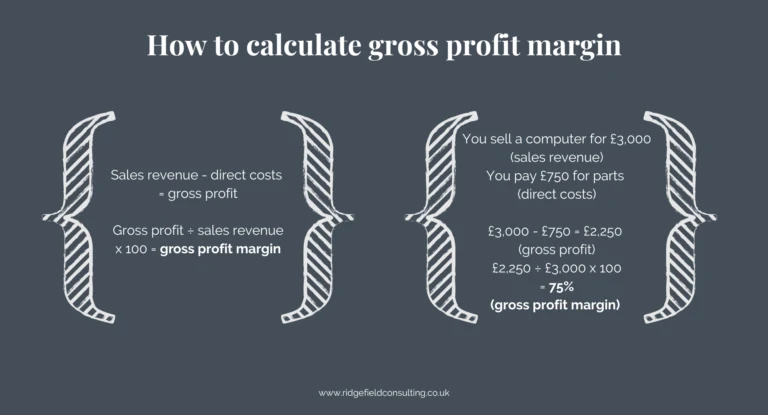
Source: Ridgefieldconsulting
Before launching any promotion, calculate exactly how much profit will remain after applying the discount. This becomes especially important when shipping costs, payment processing fees, or advertising expenses are also involved.
A promotion that generates more sales isn't necessarily successful if it leaves little or no profit.
Complicating Promotion Rules
Customers appreciate offers that are easy to understand. Complicated conditions, numerous exclusions, or confusing redemption processes can discourage people from completing a purchase.
Keep your promotions simple, explain the terms clearly, and make it obvious how customers can qualify for the offer.
Failing to Analyze Results
Many businesses finish a promotion and immediately move on to the next one without reviewing its performance. This misses an important learning opportunity.
Take time to analyze what worked, what didn't, and which channels generated the best results. The insights gained from one campaign can help improve future marketing strategies for small businesses and make each new promotion more effective.
Wrapping Up
Discounts are not just about low prices. They can help a small business reach new customers, give previous buyers a reason to return, and add some momentum during a quieter sales period.
When looking at marketing strategies for small businesses, it helps to decide what the aim of the campaign is first. Is it more orders, larger baskets, repeat business, or just getting the brand noticed?
Testing different promotion ideas for small business campaigns will highlight which ones work best. If you’re currently exploring how to promote your small business for free, email offers, referrals, and organic social media are good places to start.
Cover Image Source: Unsplash