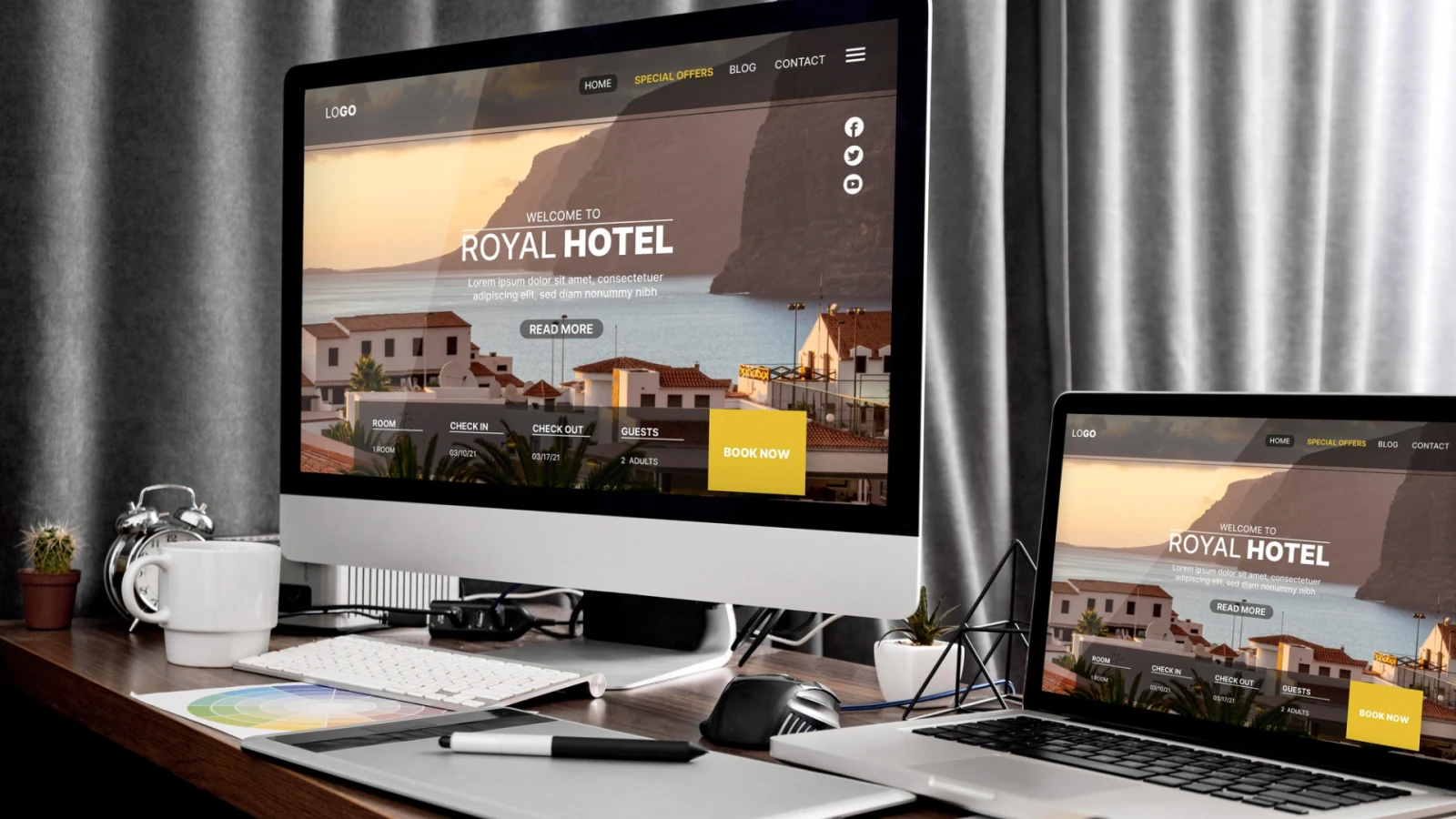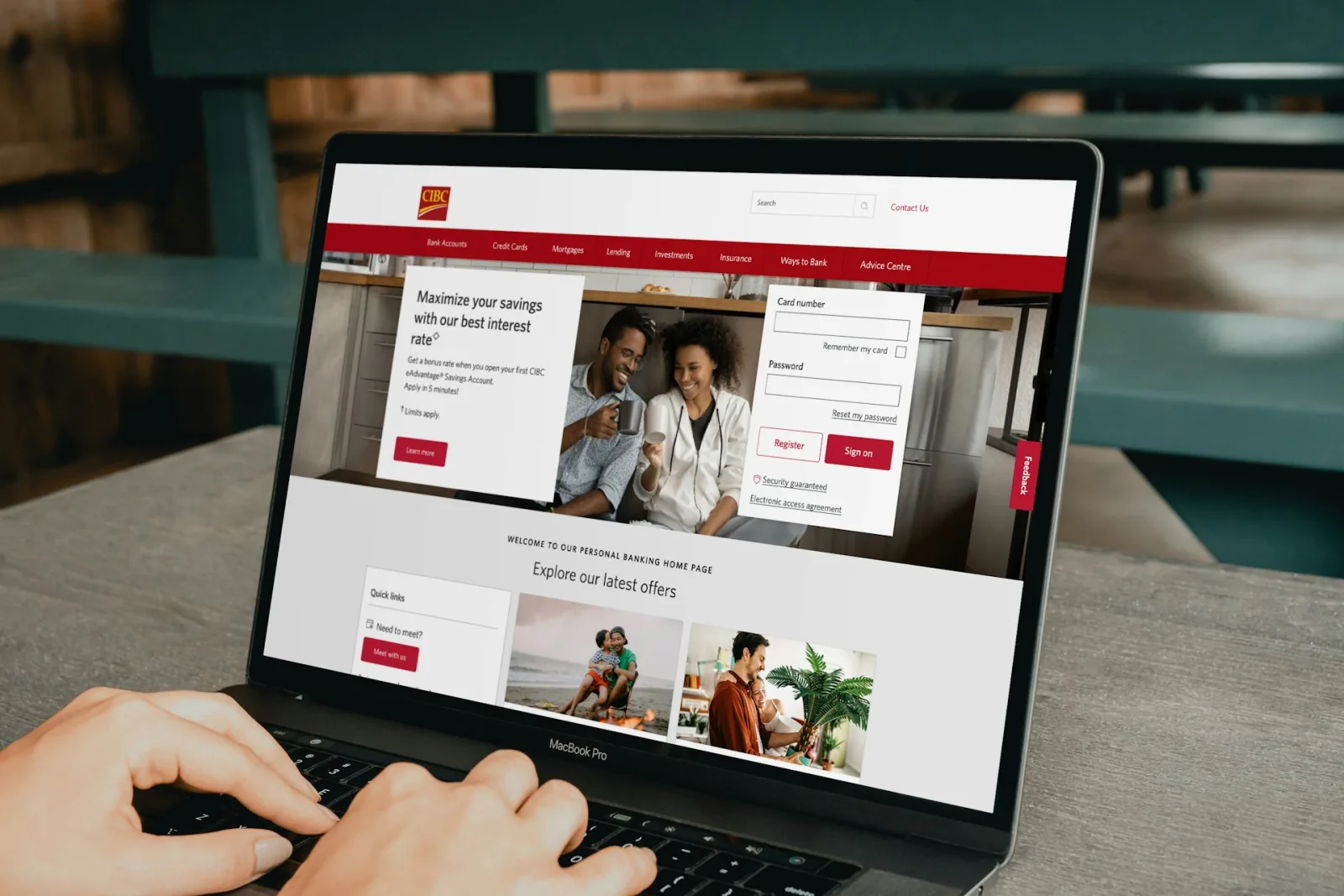
A website that people trust earns more than traffic. It earns phone calls, appointments, and referrals. When someone lands on a local business page, they decide within seconds whether to stay or leave. Trust makes that decision simple.
For schools, trades, and professional firms, trust lives in the details. Fast load times, honest photos, verified credentials, and human contact build a lot of confidence. It’s like when you walk into a well-lit office and see certificates on the wall, smiling staff at the desk, and clear signs telling you where to go. The same comfort applies online.
Below are 15 practical trust signals that turn uncertain visitors into committed local leads.
1. First Impressions Begin With Speed
A slow site feels like an uncertain handshake. When a page lags, visitors assume your service might lag too. Fast load times show care for detail and respect for time. It’s the same thing as showing up early for an appointment, not rushing in late.
Use tools like Google PageSpeed Insights to measure performance. Trim large image files, minimize scripts, and host on reliable servers. Every second saved earns confidence.
Another tactic that can support your local site's credibility and online authority involves strategic off-site methods. Approaches like tiered link building help improve how search engines and real people view your website, adding another layer of trust to your digital footprint.
2. Community Proof Reinforces Local Roots
People trust neighbors before strangers. Highlight partnerships with local charities, school programs, or community events. Show that your company gives back, not just sells.
When visitors see shared values, they feel alignment that turns curiosity into contact. A strong example comes from Kirtley Insurance. Their homepage features a local image, direct contact info, and certification badges right above the fold. Visitors instantly see proof of service, safety, and presence.
Mike Kirtley, Owner and CEO of Kirtley Insurance, puts it simply: “Trust is earned every day, not claimed once online. We design our site so people feel that commitment from the first scroll.” That approach models how local service brands can combine multiple trust signals at a glance, building a bridge between first visit and first call.
3. Mobile Experience Drives Local Confidence
Most local searches happen on a phone: a cramped layout or small text signals neglect. When your mobile UX feels smooth, visitors feel guided, not frustrated.
Entering your site should feel calm and organized, the same as walking into a well-arranged office where everything is labeled and easy to find. Make sure tap targets are wide, text adjusts clearly, call buttons stay visible at all times, and loading speed stays fast, even on weaker connections.
4. Clear Contact Options Reduce Hesitation
When someone can’t find a phone number or chat option, they hesitate—clarity matters. A visible phone number, chat bubble, and office address reinforce that real people stand behind the service.
Add open hours, local area codes, and a quick-response promise. People want to know they’ll reach a person, not a loop of forms. Include social links or a short welcome message to build warmth, trust, and immediate connection.
5. Reviews Prove You Deliver
Testimonials still rank as one of the strongest local trust signals. Highlight verified Google or Facebook reviews with real names and photos. Use a simple design, not overly styled widgets that feel fake.
Encourage recent clients to write reviews regularly. Recency signals ongoing quality, not a one-time burst of goodwill. Ask satisfied customers to mention specific details, such as service speed or friendliness, since authentic, descriptive praise strengthens credibility and search visibility.
6. Show the Faces Behind the Service
Staff bios bridge digital distance. Real names, roles, and photos tell visitors who will answer the phone or show up on-site.
Include credentials, years of experience, and a line about what each person enjoys outside work. It builds human connection. When people recognize authenticity in a person's face and language, they are more likely to trust the company.
7. Certifications and Credentials Speak Loudly
Professional logos or certifications act as visual proof. They anchor your credibility without needing a sales pitch.
Schools can show accreditations, trades can list licenses, and professional firms can display association memberships. Arrange them near your contact area or in the footer so they stay visible without distracting from the main calls to action.
8. Show Insurance and Safety Details
For service firms and contractors, proof of insurance feels like peace of mind. It signals professionalism and accountability.
List your coverage type and provider name in plain text. Avoid vague phrases like “fully covered.” Be specific. It’s the same as a teacher showing parents a classroom safety certificate before class starts. Trust grows from openness.
9. FAQs Clarify Expectations
Unanswered questions breed doubt. A strong FAQ section prevents hesitation. Address real issues customers ask on calls, such as scheduling, pricing, and warranty coverage.
Each answer should be short and confident. Avoid industry terms that require extra thought. The goal is clarity, not cleverness.
10. Transparency in Pricing Builds Respect
You don’t have to list every price, but you should set clear expectations. Use starting prices, package ranges, or explain how estimates work.
That honesty keeps visitors from bouncing to competitors who seem more upfront. When you say what others hide, you earn the role of trusted advisor, not just a vendor.
11. Local Photos Make Proof Personal
Stock images feel generic. Real photos of your team, clients, and community tell the story of where you belong.
Show familiar landmarks, school projects, or completed job sites. It grounds your service in a real place and shows that you’re part of the same neighborhood your visitors care about. People connect more quickly when they recognize their surroundings.
12. Privacy and Security Show Care
Every form submission is a small act of trust. Reassure visitors that their data stays safe and is treated with genuine respect.
Use HTTPS connections, SSL certificates, visible lock icons, and a short privacy statement near your contact forms. Explain how information is used, not just that it’s “secure.” Clear transparency earns lasting comfort and credibility.
13. Clear Policies Eliminate Guesswork
Policies on returns, scheduling, or guarantees demonstrate that you prioritize customer satisfaction. Keep policy language readable, not buried in legal text. The goal is to remove uncertainty before it stops a lead from converting.
As The Currency notes, “Trust is the real transaction before any sale happens.” That insight, from The Currency, reminds every small business that transparency always pays first.
14. Consistent Branding Builds Familiarity
A cohesive look across your website helps visitors feel grounded. When colors, fonts, and tone stay consistent, people sense reliability behind the design. It’s the same comfort as recognizing a familiar storefront in a busy street.
Strong branding doesn’t need to be loud or flashy. It just needs to match what customers see in person, in print, and online. When everything feels aligned, visitors quickly understand who you are, and trust grows naturally.
15. Ongoing Updates: Keep Your Site Alive
As the final trust signal in this article, remember that a regularly updated site feels lived in, not forgotten. Fresh posts, recent photos, and current service details show that your business is active and paying attention.
When visitors see that nothing looks dusty or outdated, they feel more confident reaching out. Even small tweaks, like updating hours or adding a new project, signal reliability and care. Consistency turns quiet maintenance into steady trust.
Summing Up
Every trust cue you include does a small job on its own, yet together they create something powerful. They weave a net of confidence that keeps visitors engaged and curious.
Think of your website as a friendly chat across a counter. Every image, line of text, and layout choice either welcomes or worries your visitor. When all those signals quietly say, “we’re real, we’re local, and we care,” people feel it.
Trust signals aren’t extra touches. They’re the handshake that begins a real relationship and turns casual visitors into steady local customers.