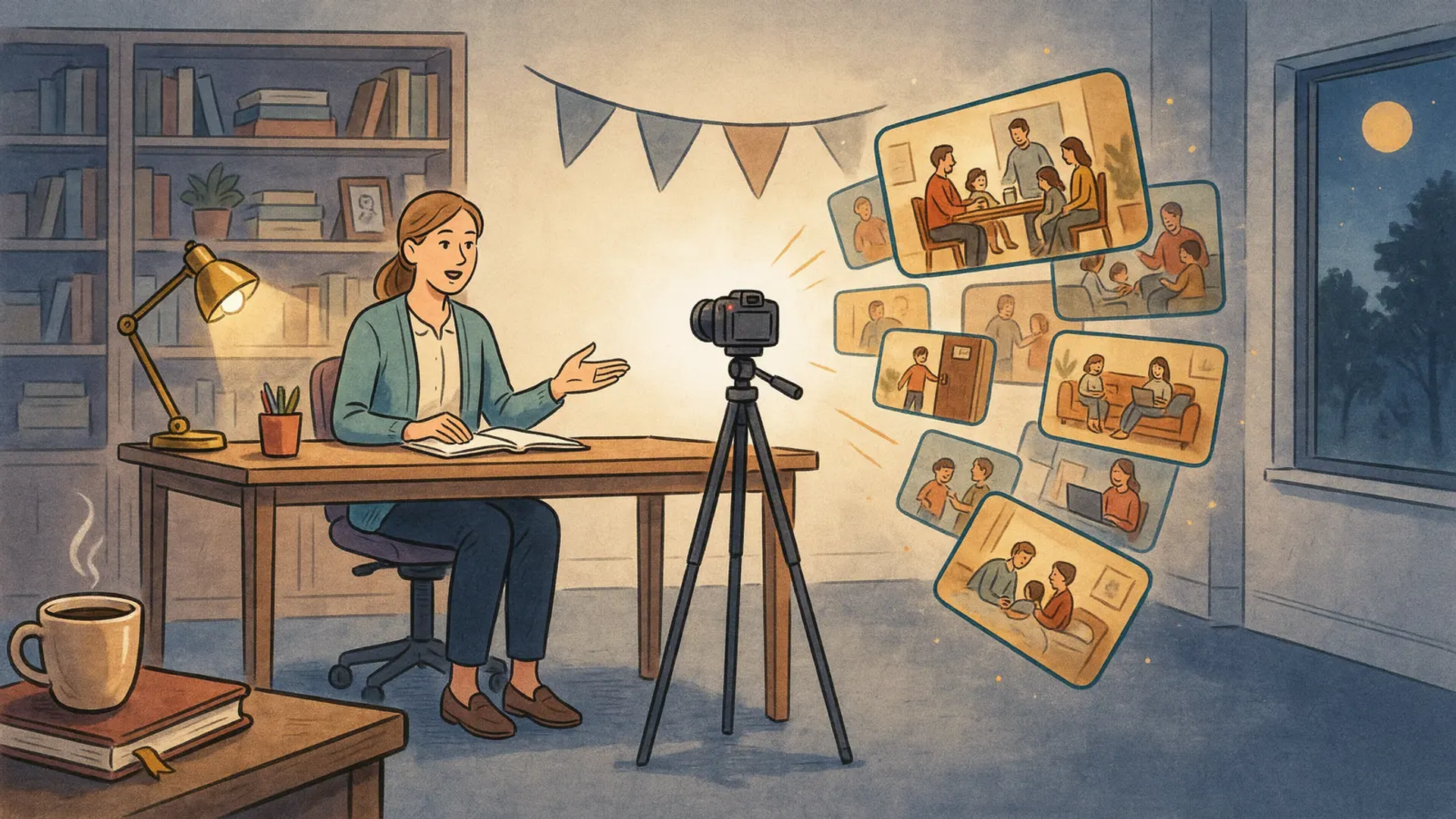
Time is short when you’re running a home service business, making social media content just one more task you don’t have time for. Between jobs, quotes, and customer calls, creating consistent content for your social media channels will likely slip through the cracks.
This is such a shame because the right content ideas can turn everyday work into powerful social media marketing. There's no need for complicated campaigns or viral trends. With the right approach, simple, practical social media post ideas for small business owners can build trust, visibility, and steady local leads.

Yes, a skilled professional can absolutely turn trade school training into a thriving business. Technical expertise lays the foundation, but long-term success depends on branding, visibility, and the ability to build trust with customers. A strong reputation, paired with smart business decisions, can transform a trade into a sustainable and profitable venture.
Trade careers are gaining renewed respect as demand for skilled labor continues to grow. Electricians, welders, HVAC technicians, and mechanics are finding more opportunities than ever. Many professionals start by working for others, then realize the potential of running their own business.
Growth doesn’t happen automatically after graduation. Building a brand requires intention, consistency, and a willingness to learn beyond technical skills. The sections below break down how to move from trade school to business ownership with confidence.

Visuals drive fundraising. Text-heavy appeals struggle to hold attention, leaving money on the table. Building an email blast, landing page, or physical mailer requires compelling art to stop the scroll. Nonprofit teams face tight margins and brutal deadlines. They can't commission custom pieces for every single touchpoint.
Design leads face a pressing question. Can an off-the-shelf library actually support a coherent brand system? Or are you doomed to look like a patchwork of generic stock art?
Working with Ouch, a vector collection by Icons8, proves pre-made assets work beautifully. Success doesn't depend on custom origins. Depth matters most. A reliable library needs enough art within a single aesthetic to map an entire user journey. Thousands of files exist here, categorized into 101 distinct styles. Options range from minimal monochrome to playful line graphics. Lock into one specific visual language. Then maintain it across every single channel.

Students do not browse career-focused education websites casually anymore. They visit with a goal, compare options quickly, and often decide within minutes whether a school feels credible. If key information is hard to find, they move on.
Both Gen Z and adult learners are practical and outcome-driven. They want proof of job-readiness, clear costs, and a fast path forward. Career-focused education websites must reflect that mindset from the first scroll.
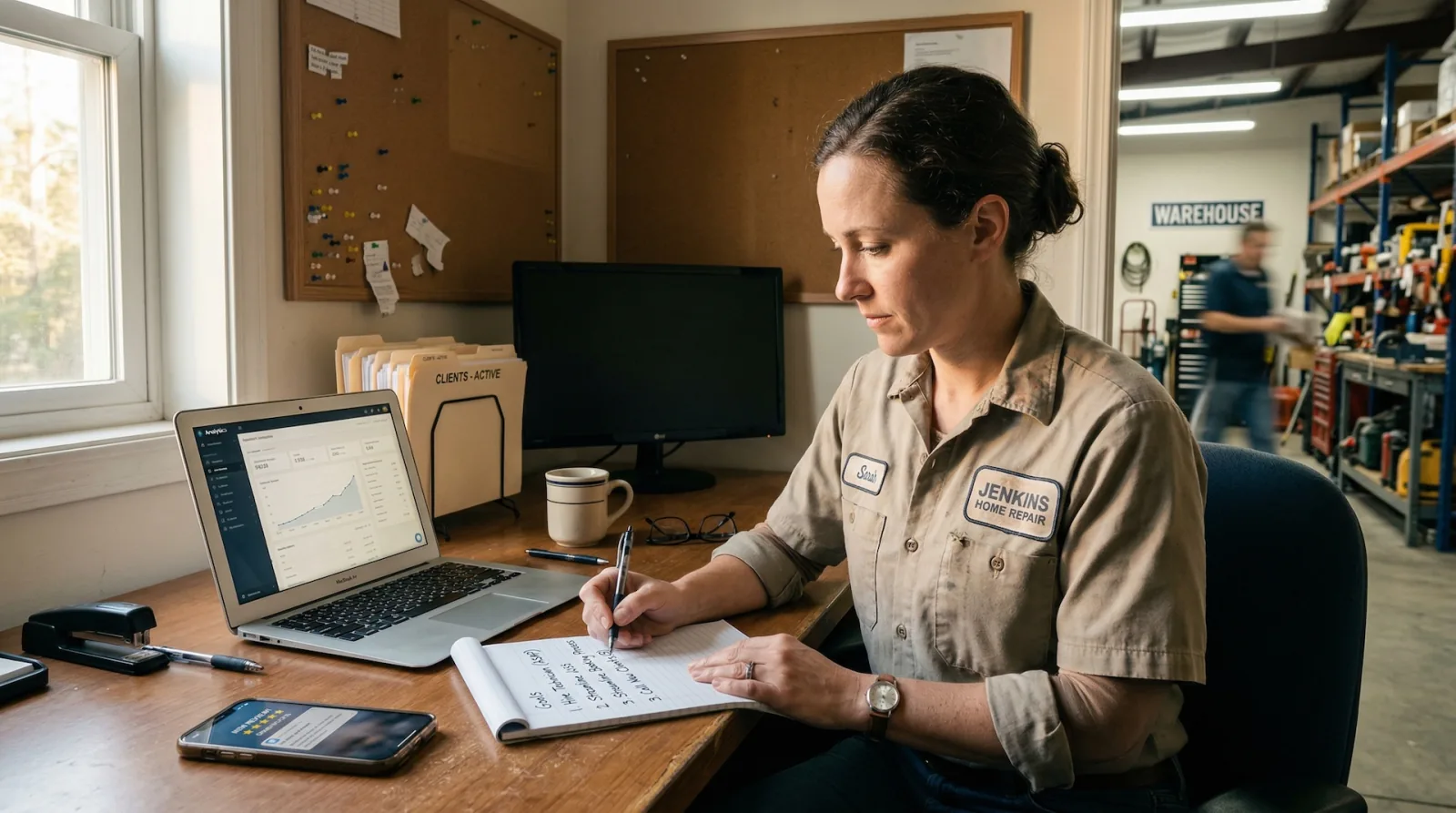
A good budget-friendly growth strategy doesn’t cut corners or do less. It decides what actually moves the business forward, and ignores the rest.
Most small service business growth stalls because effort gets spread thin across too many channels that never had a real shot.
You don’t really need more tools. You need focus.
The upside is already there. Better cash flow. More predictable work. The ability to turn down the wrong clients. But getting there without overspending means making sharper choices with time and energy.
Businesses can grow without increasing spend at all, just by stopping doing things that don’t matter.
Let’s look at how you can be one of them.
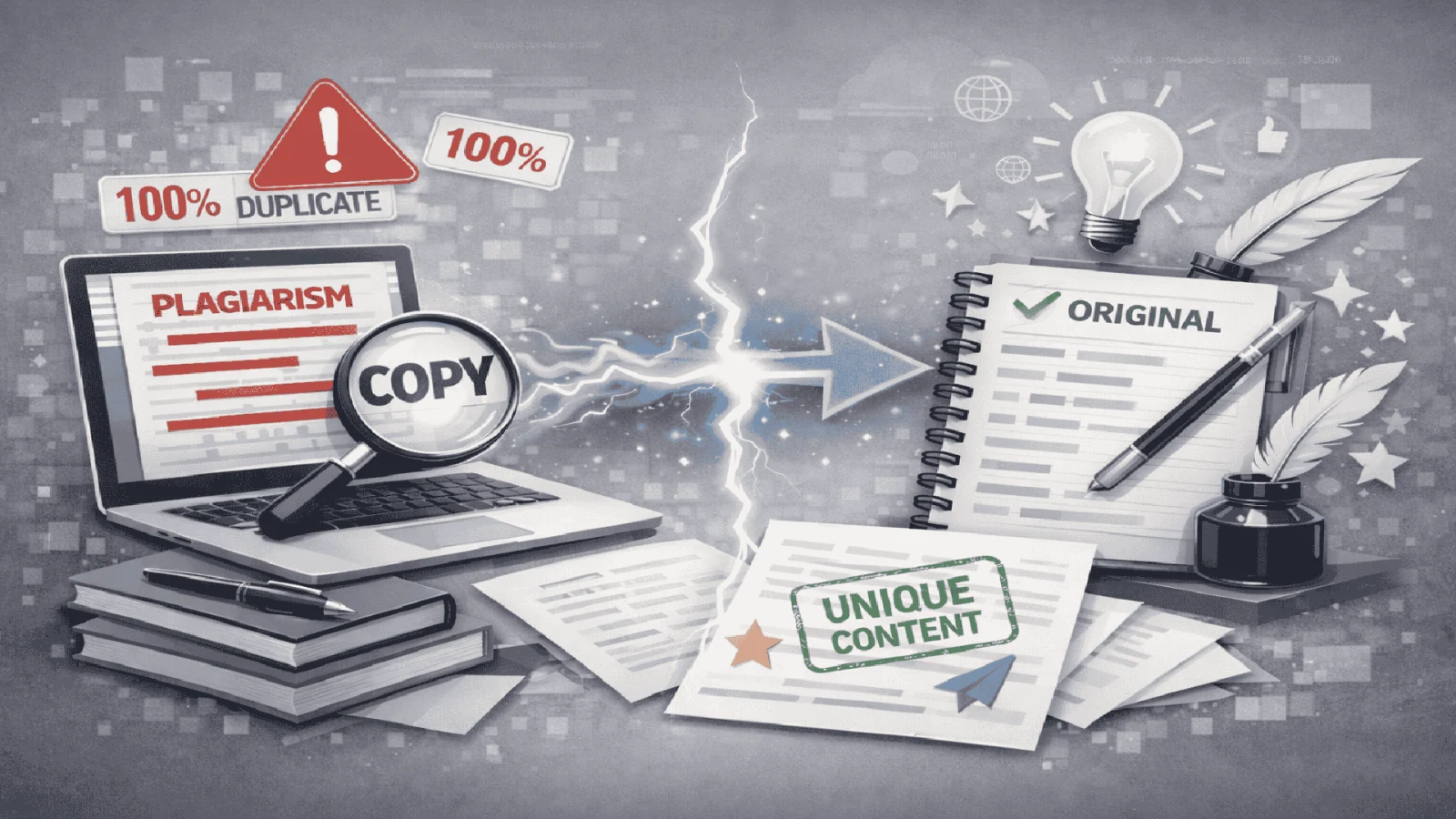
Creating content is very easy today. You can use AI tools to generate articles in seconds. Chatbots allow you to pull ideas from multiple sources and publish content at scale. But AI automation comes with some downsides. The first downside is that AI tools write plagiarized content, because they pull information from existing sources and the wording ends up overlapping the original text. The second downside is that the content is repetitive. It lacks engagement and feels robotic to read. And if you’re publishing it on search engines, they can detect the plagiarism and low-quality and penalize your content with low rankings.
AI content can be plagiarized, but avoiding AI tools altogether is not the solution because content written by humans can be plagiarized too.
The solution instead is to rewrite the AI content to remove plagiarism from it. And an easy way to remove plagiarism is through plagiarism remover tools, which is the focus of this article.
Continue reading to learn how these tools work and how they can help you remove plagiarism from content.
Cold email remains one of the highest-ROI outbound channels available to B2B companies. When done well, it puts your offer directly in front of decision-makers who match your ideal customer profile, bypasses gatekeepers, and generates qualified meetings at a cost that most inbound channels cannot match.
The problem is that most businesses running cold email are doing it wrong. Generic copy, poor deliverability, unverified prospect lists, and inconsistent follow-up mean the majority of cold email campaigns generate noise rather than a pipeline.
The agencies on this list have proven they can do it differently. Each has built systems that produce consistent, measurable results for B2B companies across a wide range of industries and offer types.

Most businesses do not have a traffic problem. They have a qualified traffic problem.
They attract visitors who browse and leave without converting. The website exists, the content is live, but the leads are not coming in. In most cases, the gap is not the product or service. It is the absence of a structured SEO strategy designed to attract the right people at the right time.
SEO is not just about rankings. When done well, it builds a pipeline of people who are already searching for what you offer. That intent is what makes organic search one of the most reliable lead generation channels a business can invest in.

You do not need a trust fund to build a creative career. Smart planning and cost-conscious decisions matter more than flashy tools.
Whether you’re a photographer or a graphic designer, creative work can feel expensive at first glance. Tuition, gear, subscriptions, and marketing can all add up quickly. However, with the right strategy, you can build skills, a portfolio, and income without draining your savings.
Your article starts here. Write your introduction below this line.
Marketing has always been one of the hardest parts of running a small business. It takes time, consistency, and a level of expertise that many founders simply do not have. Most small teams are forced to choose between spending hours on marketing tasks or ignoring them entirely.
AI is changing that. Instead of doing everything manually, small businesses can now use AI tools to handle content creation, customer outreach, data analysis, and campaign optimization. What used to require an entire marketing team can now be done with a handful of tools and a clear strategy.
The real advantage is not just automation. It is the ability to compete with larger companies without needing the same budget or resources. When used correctly, AI tools can help small businesses move faster, make better decisions, and generate more consistent results.

A small business often runs on instinct, memory, and people pitching in wherever needed. That works for a while, but as your marketing grows across channels, you eventually hit a wall. Tasks start falling through the cracks, customer experiences become inconsistent, and new hires struggle to understand how things are actually done. This is the point where a marketing SOP playbook becomes essential.
A marketing SOP playbook is a structured set of step-by-step procedures that explains exactly how your business handles its marketing tasks. It covers everything from social posting routines to campaign launches, customer review responses, lead intake, approvals, and reporting.
Think of it as a living operations manual built specifically for marketing. When done well, it reduces errors, shortens onboarding time, and helps your business scale without chaos.
Before we begin, the goal of this guide is to give you a single, clear resource you can use, whether you have never built an SOP before or already have a few scattered documents and want to unify them. The explanations here are intentionally detailed so no reader feels left behind.

Streaming TV advertising used to feel out of reach for smaller brands, but over the last few years, the landscape has changed dramatically. Connected TV has become more affordable, more measurable, and more flexible, making it easier for small businesses to test campaigns without needing a national TV budget.
Still, many owners and marketers want to know whether streaming ads actually work for organizations with modest budgets, local audiences, and specific conversion goals. This article dives deep into costs, targeting, viewer experience, and measurement. You will also find practical examples for service businesses and schools, plus a clear 90‑day testing plan you can use immediately.