
Online directories are platforms that organize websites by topic, niche, or industry. They make it easier for people to find relevant businesses, blogs, or resources, and despite what some may believe, they’re far from obsolete. While Google Search, social media, and AI-powered recommendations dominate today’s local search landscape, directory listings are still thriving.
In fact, digital directory usage reached new heights in 2025, with 93% of consumers using online directories to find local businesses at least once a month. (Source: Jasmine Business Directory) That’s a powerful reminder that directories remain an essential part of modern search behavior.
In this post, we’ll break down why online directories still matter in 2026 and how incorporating them into your marketing strategy can help your business stay visible, credible, and competitive.
Why Online Directories Still Matter for SEO in the Age of AI
Even as the use of AI-driven search and smart recommendations is on the rise, online directories for SEO remain highly valuable. They offer credible backlinks, improve local visibility, and help search engines confirm a business’s authenticity and relevance.
Well-maintained directory listings often appear prominently in search results, providing other ways for consumers to discover your website.
You can use an online directory for free, and when you keep your business details consistent across trusted directories, you enhance online authority and local rankings.
If you’re looking for a web directories example to get started, here are some of the most effective options:
- Google Business Profile
- Bing Places
- Yelp
- Yahoo Directory
- Apple Maps
- YellowPages
- Jasmine Business Directory
- LinkedIn Company Directory
- Better Business Bureau (BBB)
The Practical Benefits Of Directory Listings In 2026
Directory listings offer more than just backlinks. Тhey drive visibility, trust, and traffic. In 2026, modern online directory software makes managing listings easier, boosting local SEO performance, brand credibility, and local customer connections. Let’s explore some of the practical benefits of directory listings.
Improved Local SEO
Search Engine Optimization (SEO) remains the cornerstone of effective digital marketing is still Search Engine Optimization, and business directories are often prioritized on search engine results pages (SERPS). List your business across various directories to benefit from increased visibility.
Improved NAP Consistency
Search engines like Google rely on consistent NAP (Name, Address, Phone) information across the web to validate businesses. Accurate directory listings let Google know yours is a legitimate, trustworthy business, ranking it higher in local searches.
Additional Traffic
A significant benefit of online directories is the extra traffic they generate. Each directory listing is a potential entry point for customers to discover your business. Users browsing or searching a directory will see your listing alongside similar services, increasing exposure and referral traffic to your website.
According to Elmeri Palokangas, SEO manager at ReferralCandy, combining this referral traffic with an actual referral program can further boost your reach and help turn directory visitors into loyal customers.
In addition to boosting traffic, it also enhances your site’s overall search performance. Over time, consistent directory traffic helps strengthen brand recognition and attracts a steady stream of qualified leads.
Reputation Management, Increased Customer Trust
Reputation plays a critical role in the consumer decision-making process. Listing your company in a reputable business directory is reassuring for customers, as it serves as an indicator of your legitimacy. Businesses are typically verified before being listed, adding a layer of trust.
Directories are even more influential when they feature customer reviews, testimonials, and ratings. If your company receives positive feedback on a trusted platform, it builds confidence and encourages consumers to reach out to you.
How To Build Effective Business Citations the Right Way
Citations are mentions of your business’s information across various online platforms. Building effective ones is key to strengthening your online presence. Accurate, consistent listings across reputable directories improve search rankings, boost credibility, and help customers easily find and trust your business.
Select Directories That Align With Your Industry and Target Keywords
You might be tempted to list your business everywhere, but the key to success is choosing the most relevant directories. Focus on platforms that potential customers use and trust. If you’re running a bakery, listing on a tech platform is of no use. Similarly, customers looking for a law firm aren’t going to be checking a travel site. Restaurants receive significant exposure on Yelp or TripAdvisor, while software brands tend to perform better on Capterra or G2.
A good starting place for most businesses is to claim your Google Business Profile. There may already be one created, because Google automatically creates profiles for companies that already exist. Claiming your profile is easy, and once you have control, you can fill out your profile with all the accurate, up-to-date information needed.
Use Competitor Analysis to Find Missed Listing Opportunities
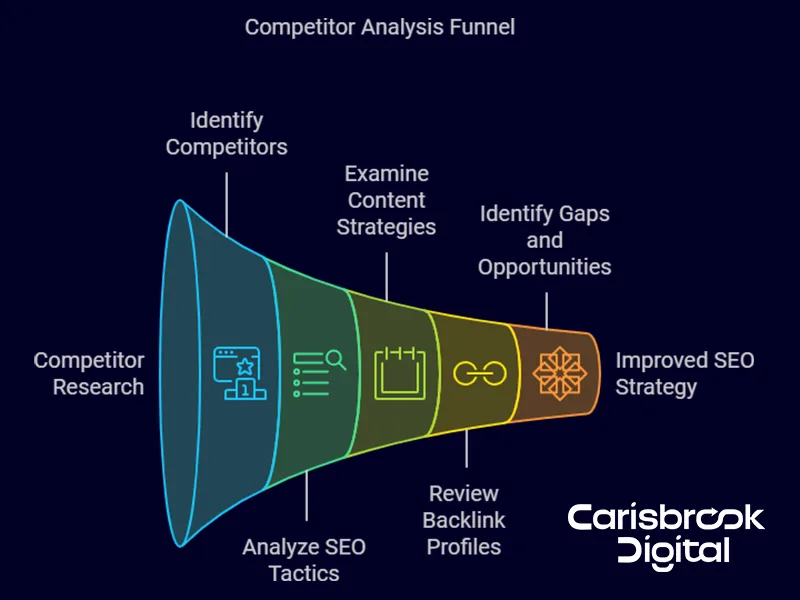
Source: Carisbrook Digital
Competitor analysis is another strategy worth exploring. Search for your top competitors by name and make a note of where they appear online. You might find they’re listed in niche directories you hadn’t thought about, so sign up quickly.
Using this approach allows you to discover worthy platforms relevant to your audience and ensures you’re not missing potential traffic sources that your competitors already benefit from.
Focus on Quality Over Quantity
Not all directories are the same, so rather than creating business listings on hundreds of low-quality or irrelevant directories, concentrate on trusted, industry-relevant platforms, as these will help rather than hurt your SEO.
Specialists at app.SEOBuilding.link said: “Trusted platforms with genuine user activity and established domain authority will better impact the visibility and credibility of your listings. Making quality over quantity a priority ensures your backlinks remain valuable and are aligned with Google’s current ranking standards.”
Maintaining consistency is also critical, regardless of the platforms or directories you choose to use. Your information must be accurate and consistent across the board. The most important fields are your contact info, including your:
- Name
- Address
- Phone number
- Website URL
- Hours of operation
Optimize and Update Regularly Your Listings
Your business name, address, or phone number is unlikely to change often, but that doesn’t mean you should neglect to check your profiles to ensure you’re displaying the correct information. In addition, regularly add photos or videos, respond to customer reviews, answer questions or DMs, and more.
Keeping your listings updated shows search engines and customers that your business is active and trustworthy. Periodically review your director profiles to ensure your NAP details are correct, and any business changes such as a new location, website update, or phone number are recorded.
Optimize for Voice and AI Search
An increasing number of people are choosing to use voice assistants and AI-driven search engines to find local businesses, so it makes sense to optimize your directory listings accordingly. The way to do it is to use natural, conversational keywords.
For example, rather than “auto repair Boston,” includes phrases like “Where can I find an auto repair shop near Boston?” This makes your listing more likely to appear in AI-driven results and virtual assistant queries. AI systems also rely heavily on structured data for accurate matches, so keep your business categories precise and complete.
Focus on Platforms Where Your Customers are Most Active
Rather than spreading your efforts across numerous directories, make your focus the platforms where your target audience actively searches for services.
If you’re a B2B brand, prioritize LinkedIn or industry-specific networks. For local services, your visibility will be stronger if you use Google Business Profile, Yelp, or Apple Maps.
Understanding your customers’ search habits will help you align your directory strategy with their journey. It also helps you attract leads who are already close to making a decision.
Modern online directory assistance tools make this easier by suggesting where your business should be listed based on industry and location data. Many of these AI tools help you automate submissions, check NAP consistency, and track performance metrics so you can see which listings are driving the most leads and website visits. Ultimately, they’ll allow you to refine your online directories strategy to target platforms that offer the best return on visibility and customer engagement.
Wrapping Up
Contrary to what many people think, there is still a very valid place for online directories in your marketing strategy. They have become powerful SEO and discovery tools that complement AI-driven search behavior.
You can help your business’s visibility, trust, and local ranking profile by maintaining accurate, high-quality listings on the right platforms.
Additionally, remember that directory marketing isn’t a one-time setup. It’s an ongoing process that evolves as your business grows and online behavior changes. Regularly reviewing analytics, experimenting with new listing categories, and taking advantage of online directory assistance tools will help you stay ahead of your competitors and maintain a strong, credible online presence.
Think of your directory listings as signposts. Make sure they’re clear, credible, and always pointing customers straight to you. In 2026 and beyond, staying visible means staying listed.