
The ninth annual McKinsey Digital Payments Survey reveals a significant rise in the use of digital payments across the US and Europe. Approximately 90% of consumers in both areas have used some form of digital payment over the past year, highlighting the need for more home service businesses to embrace digital payment solutions. (Source: McKinsey)
If you currently don’t offer your customers the option of digital payments but think it might be worth exploring, you’re in the right place. In this post, we look at a few ways embracing digital payment technology could help improve your business and provide tips on getting started.
If you’ve ever searched for a “coffee shop near me” or a “plumber in [your city],” you’ve already experienced the power of local SEO. Google shows a local pack of businesses, complete with maps, reviews, and essential business information like phone numbers and addresses. For small businesses, this is prime real estate.
But here’s the catch: the ranking factors that determine which businesses appear in those coveted spots are constantly evolving. That’s why this article is your complete guide - a definitive guide - to understanding how local search engine optimization works today, and how small business owners can improve your local visibility with the help of professional SEO services
We’ll cover the benefits, explore how search engine optimization ties into local results, highlight key ranking factors, and share practical strategies you can use right now.

The pest control industry rakes in a whopping $26 billion every year, according to IBiSWorld. Interest in DIY pest control has surged as homeowners look for safe, budget-friendly options in their pantries. Google has seen a spike in keywords like "eco-friendly"," non-toxic", and "smart pest control.”
The aisles of commercially available products are a typical first line of defense against pests before calling an exterminator for help.
Store-bought products rely on the consumer to identify the pest and understand the instructions. Even if the consumer clears those hurdles, the products on the shelves are less effective than those used by the pros.
With so much room for error, we can identify opportunities to educate the target market and turn them into paying customers.
Marketing nowadays is more than simply commercials and campaigns; it's about delivering the right message to the right person at the right time, through the appropriate channel, and at scale. That's where marketing automation comes in. It's the method that helps brands plan trips, make content more relevant, make the most of touchpoints, and free up teams from doing the same things over and over again.
The automation tools of the past were mainly used for email processes and splitting up lists. The field is changing quickly, though. Automation is going to new places because of new technologies, changes in data, and changing customer standards. If brands don't pay attention to these new trends, they could fall behind.
Find the leading automation trends influencing 2025 and beyond below, along with practical examples and starting points.

In the fast-paced world of digital marketing, staying ahead of consumer expectations and technological trends is not just an advantage—it’s a necessity. Artificial Intelligence (AI) has emerged as the driving force behind smarter, more personalized, and more efficient marketing strategies. From predictive analytics to automated content generation, AI is reshaping how brands interact with their audiences.
You've probably heard conflicting advice about social media's role in SEO. Some experts swear by it, while others dismiss it entirely. Meanwhile, you're watching competitors' content go viral on social platforms while their websites climb search rankings, leaving you wondering if there's a connection you're missing.
The truth is, social signals SEO doesn't directly impact search rankings the way Google originally hinted they might, but their indirect influence on your SEO success is undeniable.
Many online marketers share a common goal: optimize their company's website so it can break through online search algorithms and show up at the top of search results. In this guide, we'll decode exactly how social engagement translates into search visibility and show you practical strategies to leverage this relationship for measurable results.

In a world of limitless choice and wide availability, finding service providers is easier than ever.
In 2025, a simple Google search will bring up dozens (if not more) small businesses ready to take on consumers’ pain points. And many of these brands are willing to do things faster, cheaper, and sooner than well-established businesses.
But while, at first glance, this abundance of choice makes it easy for buyers to remove their pain points, it actually comes with a specific set of drawbacks. The simple truth is that a plethora of options — in any and all industries — doesn’t necessarily mean that shoppers get to choose from multiple, equally valuable offers. Instead, it indicates that they need to learn how to distinguish experts from the hacks.
With this in mind, building trust online is one of the most valuable business growth strategies. Because, let’s face it — if your target audience doesn’t trust your business, they’re not going to turn into clients — no matter how much you spend on marketing.
Are you just starting your business? Or are you exploring ways to strengthen your reputation? Whichever is the case, here’s how to take your brand from visibility to credibility.
This guide will outline several effective tactics businesses can use to build trust online. Let’s get into it.

Interactive infographics are reshaping classrooms, courses, and corporate training. They blend data, motion, and choice to create attention-rich lessons. When learners click, drag, filter, and explore, they do more than view—they participate. That participation improves recall and motivation. It also turns static lessons into living systems that adjust to each learner’s pace. For teachers and creators focused on educational content design, these tools bridge the gap between explanation and experience. The benefits of interactive infographics reach across subjects: science simulations, history timelines, grammar maps, or business dashboards. Most important, interactive visuals for students help transform complex ideas into digestible steps.

Freelancers have become the backbone of countless small firms, handling projects from marketing campaigns to daily operations. The catch? Finding and onboarding the right people takes more than posting a job and sending out contracts.
Every step counts. You scope out roles that fit your gaps, sort legal classifications with care, set up payments without errors, and handle sensitive forms like W-9s early on. Teams need a playbook for worker intake so that nothing falls through the cracks.
No one enjoys surprise headaches when tax season hits or payroll gets messy. With solid checklists and clear steps in place, you avoid risks before they start.
Stick around as we map practical workflows for bringing freelancers into your small business—efficiently, securely, and with less admin hassle at every turn.
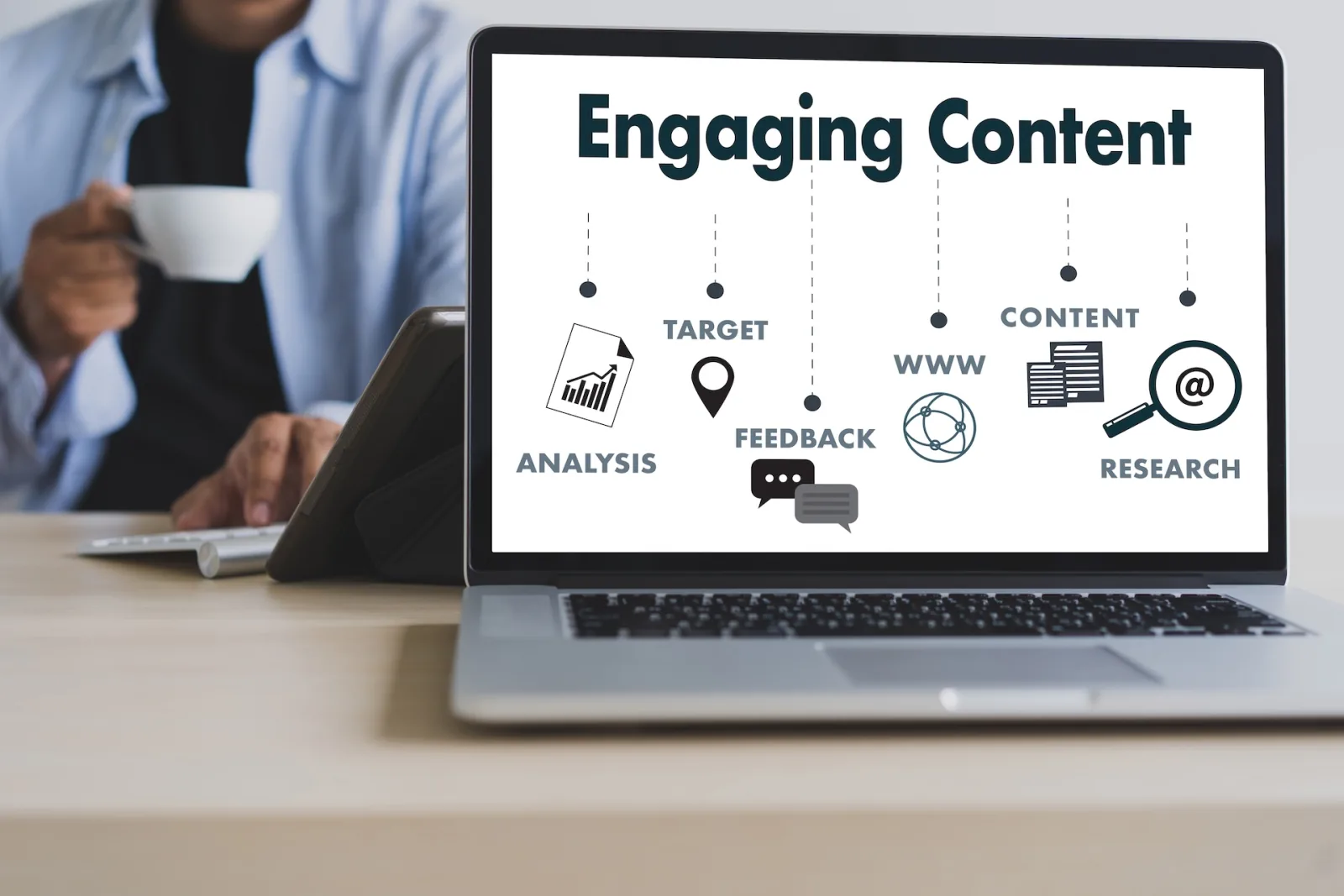
Content that gets people's attention, keeps them interested, and gets them to act is what every business wants. But what if you could write content that people will wish to read next instead of just responding to what's hot right now? That is where content marketing that predicts comes in. It means using data, AI, and thoughtful planning to guess what your audience will want and need, and then making content ahead of time to make sure you're always relevant.
Read on as we go into the meaning, significance, best practices, new trends, examples, potential problems, and immediate ways of integrating predictive content marketing into your content strategy.
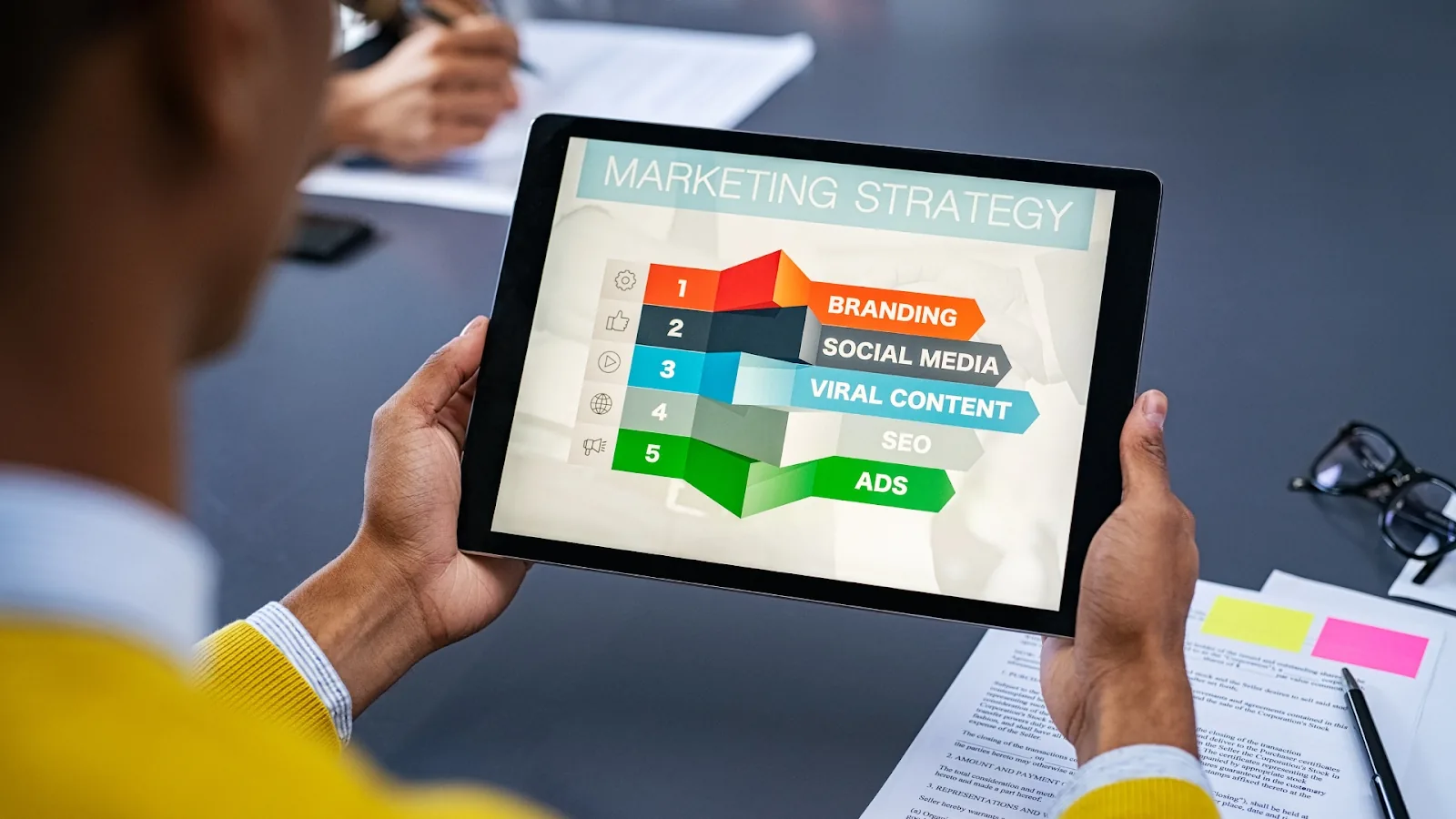
In today's digital world, trust is everything. When people search online, they aren't just looking for information; they're seeking brands they can trust. And often, that trust is built before a single conversation takes place. It's shaped by what they see, read, and experience on your website.
A smooth, fast, and helpful online presence signals professionalism, while clunky, outdated pages can deter potential customers. Smart SEO isn't just about rankings, it's about creating confidence.
Done right, it transforms search results into proof that your brand is credible, dependable, and worthy of attention.
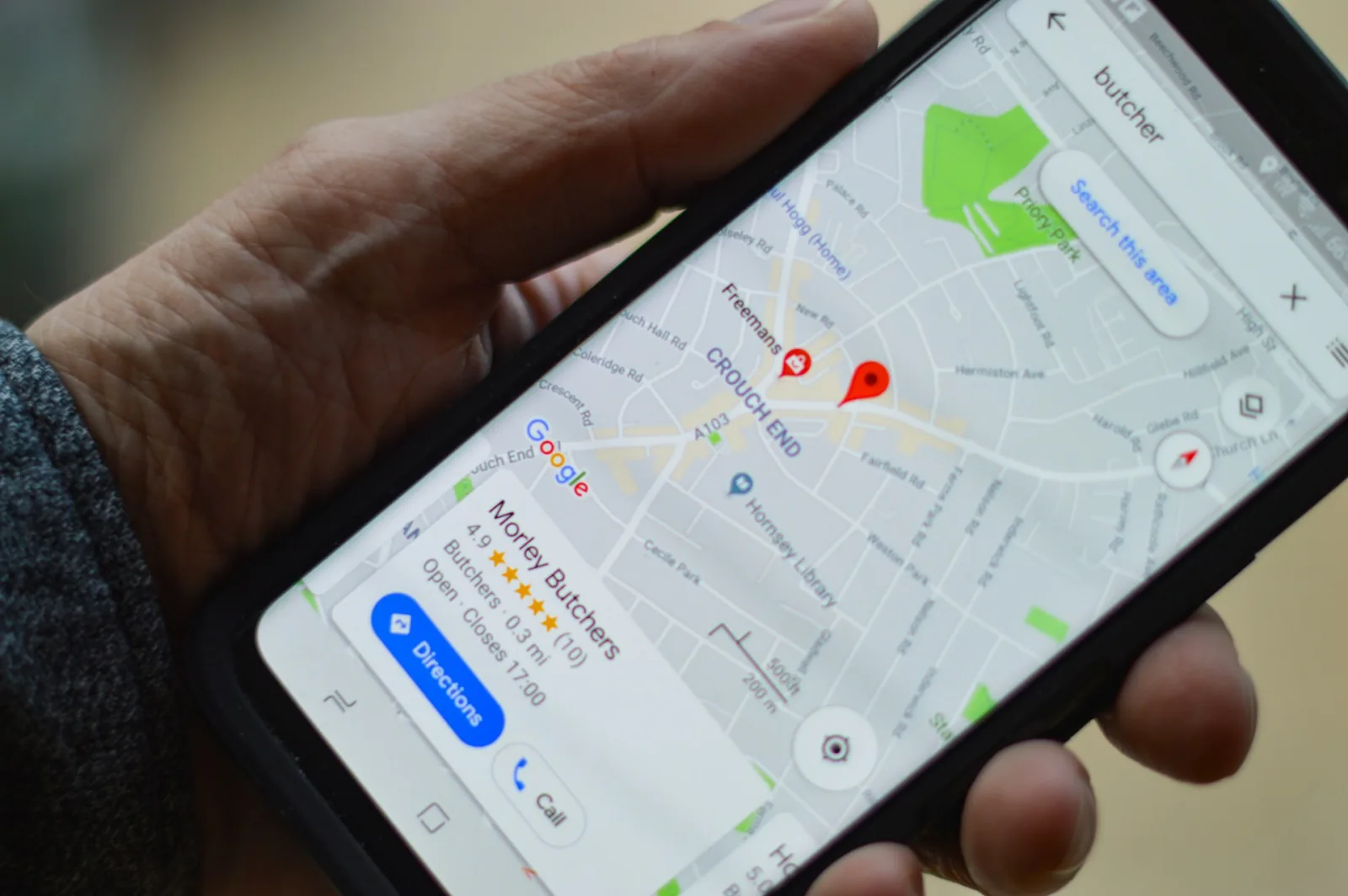
Search engines may look like endless lists of blue links, but for local businesses, the real battlefield is Google Maps. Showing up in the “Map Pack”, those top three map listings that sit above the organic results, often determines whether a customer chooses you or a competitor down the street.
Here’s a stat that should sharpen your focus: according to Webfx statistics, 80% of local searches lead to conversions. And because most of the clicks flow to businesses featured in the Map Pack, the advantage of visibility here is undeniable.
Local SEO is the discipline of making sure your business is the one people see when they search nearby. It’s not a gimmick; it’s a structured set of actions that align your online presence with real-world demand.
This article cuts through the noise and highlights the ranking factors that actually move the needle for Google Maps visibility and why they matter.