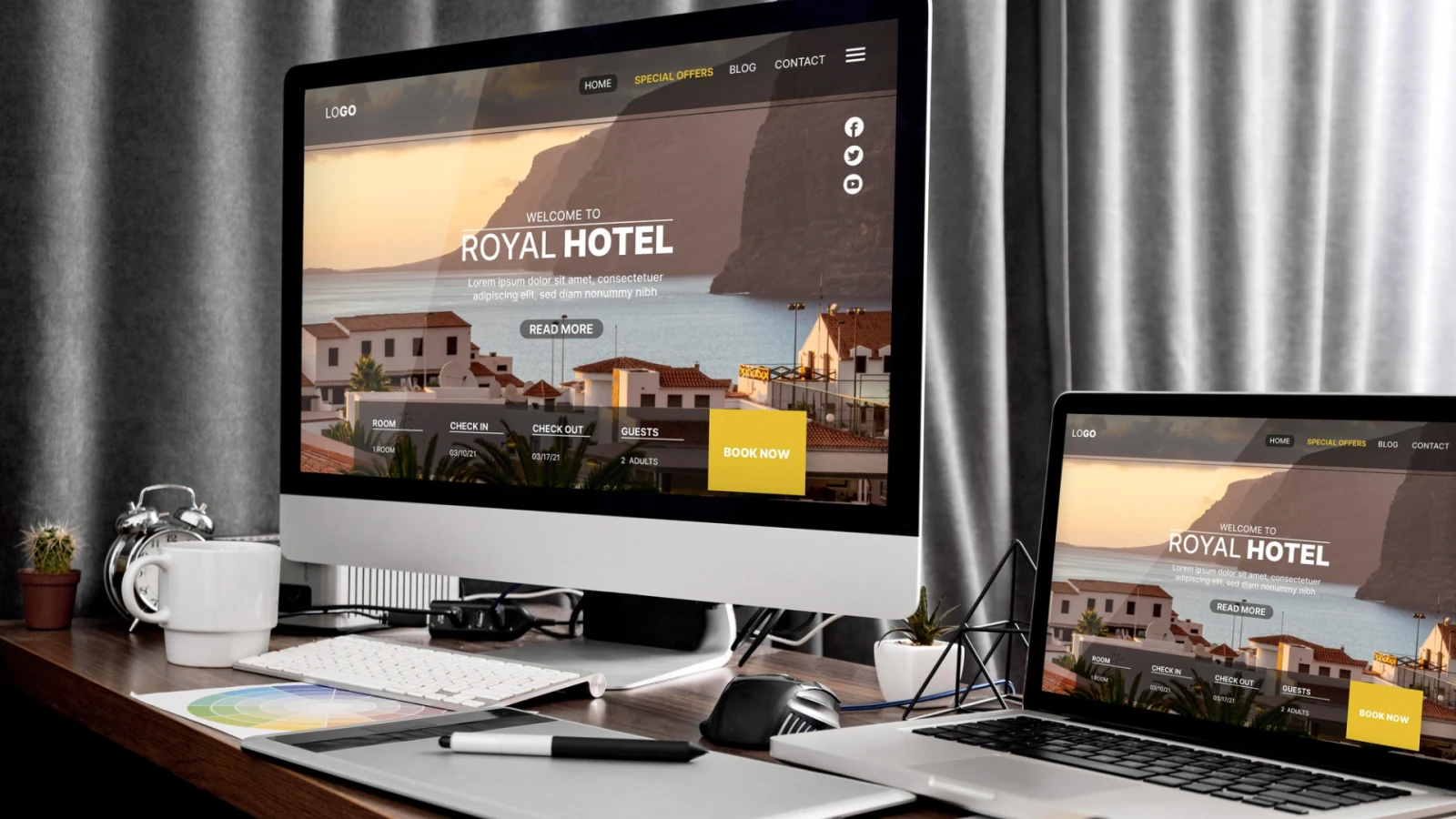
We all expect the internet to feel instant. Tap, load, done. When it doesn't, we bail. That impatience isn't just some quirk. It's how people actually shop and choose local businesses every single day.
Here's what most business owners get wrong: they think a slow website is annoying but harmless. Wrong. It's bleeding money! These days, almost everyone checks out a local business online before they walk through the door or pick up the phone.
Website speed affects sales, Google rankings, customer reviews, even whether people trust you at all. And most local businesses have no idea how much it's costing them!
Fret not; this page tackles what you need to know about website speed. Whether you're running a pest control website or a K-12 private school, learn why a slow site could cost your local business more than you think. More importantly, find out how to improve your site speed.
Read below.
Website Speed in a Nutshell
In a nutshell, site speed is just how fast your site loads and becomes usable. You know how most users love to navigate websites that work everywhere as fast as they can. That said, here are the basics you actually need to know:
- Time to First Byte (TTFB) – how quickly your server responds when someone visits. Think of it as how fast you answer the phone. Tools like CtrlOps, an AI-powered server management and DevOps tool, can help monitor and manage server performance to keep response times fast and reliable.
- First Contentful Paint (FCP) – when visitors first see something, anything, on their screen.
- Largest Contentful Paint (LCP) – when your main content loads, usually your big image or headline. Google wants this under 2.5 seconds.
- Interaction to Next Paint (INP) – how fast your site reacts when someone clicks or taps. This replaced FID in 2024, and the target is under 200ms. This metric makes up Google's Core Web Vitals:
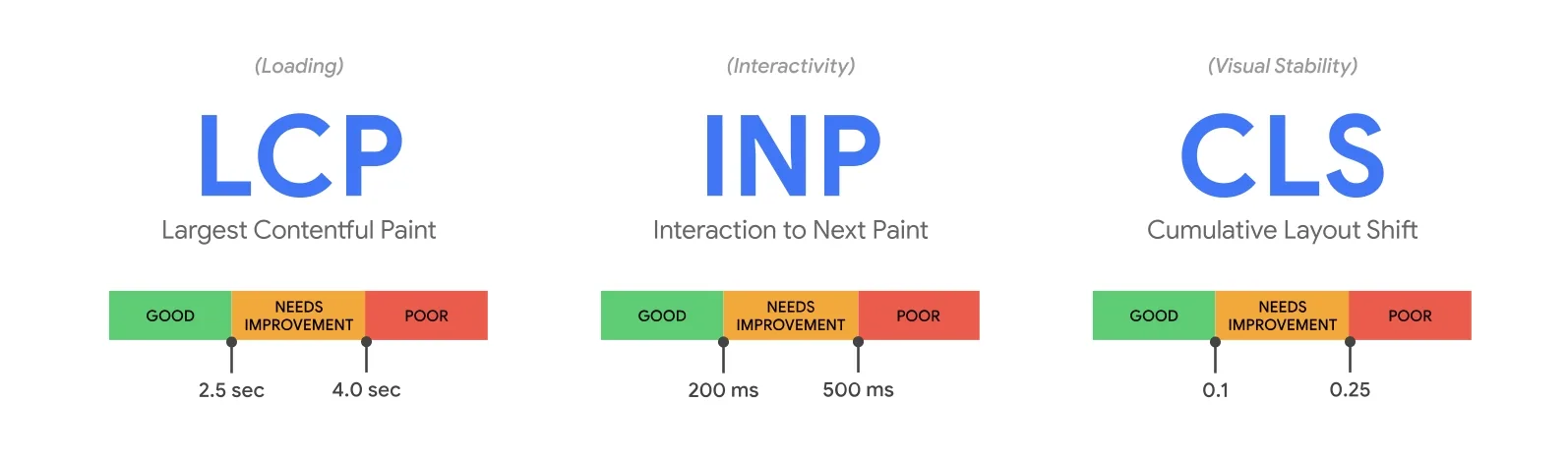
So, this begs the question: What makes sites slow? It's usually a combination of:
- Hosting – Cheap or overloaded servers dragging everything down
- Codes – Too much CSS and JavaScript gumming up the works
- Images and videos – Huge files that take forever to download
- Third-party junk – All those chat widgets, tracking scripts, even fancy plugins
And here's another myth: "My site works fine on my computer, so it must be fast." Nope. Your customers are probably on their phones, maybe with spotty reception in your parking lot or on slow Wi-Fi at Starbucks. Test for their reality, not yours!
4 Reasons Your Slow Website Could Cost Your Local Business
A slow website doesn't just annoy your visitors. It actively chips away at your local business in ways most owners never see coming. Speed quietly affects almost every part of your customer's journey.
That said, here are four big reasons a sluggish site can cost your local business more than you realize.
1. Economic impact
The connection between speed and sales is brutally simple. Real studies back this up:
- Portent's research tracked millions of page views and found that sites that load in 1 second convert best (3x higher than sites that load in 5 seconds). Every extra second between 1 and 5 seconds? Conversions drop hard.
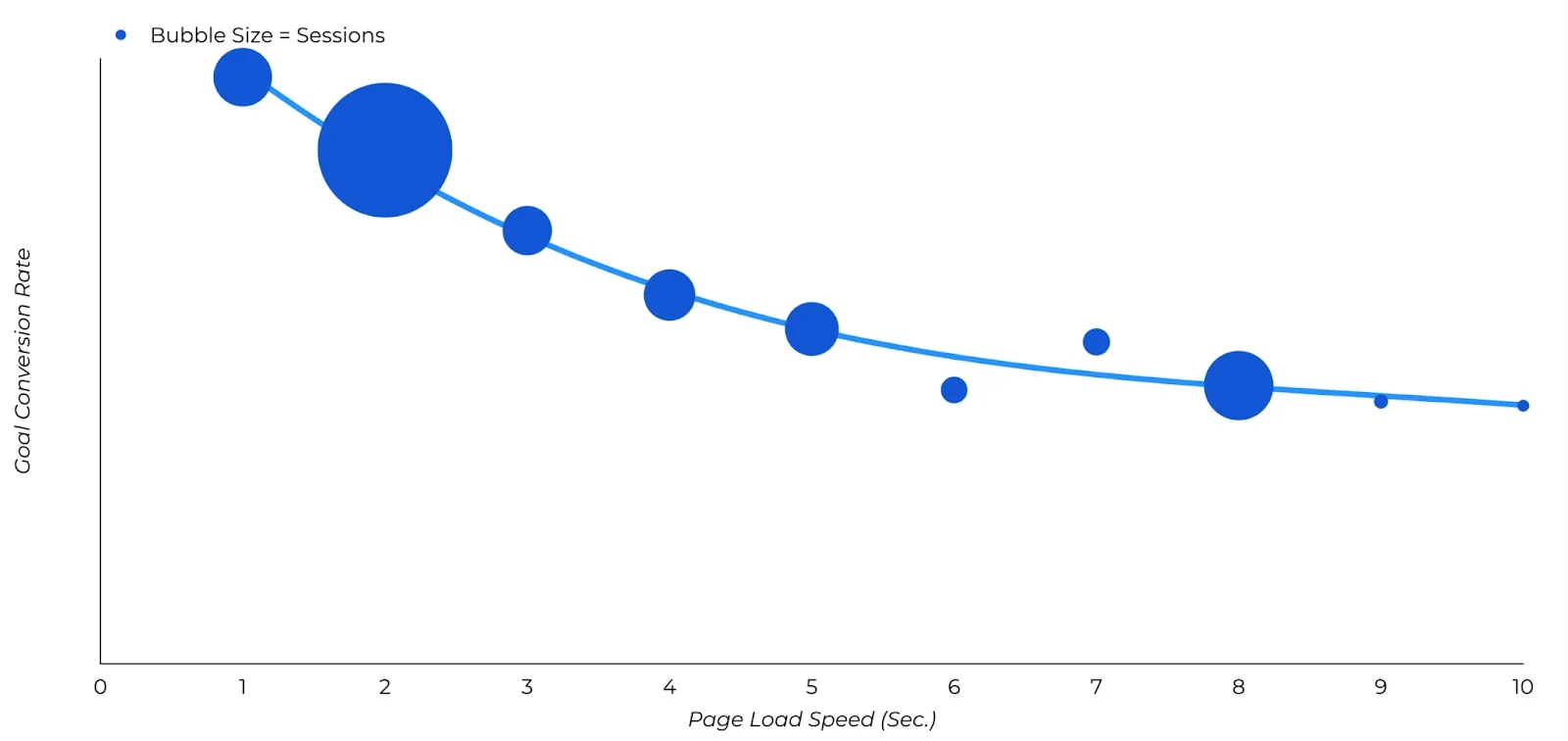
- A Deloitte Digital report discovered that improving load time by just 0.1 second boosted retail conversions by 8% and travel bookings by 10%. That's one-tenth of a second!
- Google's data shows that if your page takes 3 seconds instead of 1, nearly a third more people will bounce. It gets uglier from there.
Think about how this plays out with everyday searches:
Let’s say someone is looking up learning Latin resources. They click your site, but it takes forever to load. Before they even see your guide or your signup form, they hit the back button and choose a faster site. The intention to learn is there, but your slow page kills the conversion before it starts.
That’s exactly what happens with local businesses, too. People leave before they see your special offer, your phone number, your appointment form…anything. You’re not just losing a visitor but you’re also losing sales in real time!
2. UX for customer expectations
There's real psychology here: Nielsen Norman Group found that people notice delays over one second. By ten seconds? They're gone, probably checking their email or Instagram instead. Their research is eye-opening!
For local businesses, this hits even harder. People look up your menu while waiting for their kids at school. They search for plumbers during lunch breaks. They need directions from their car. If your site drags, you've lost them at the exact moment they're ready to buy.
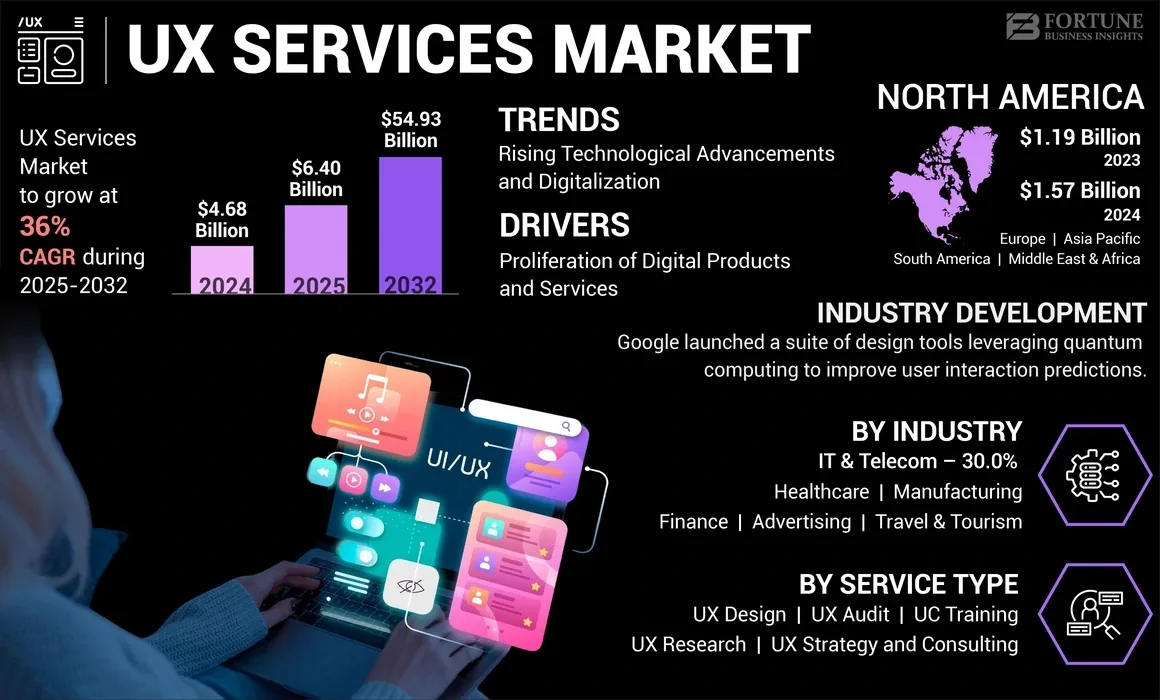
Because of high customer expectations for site speed, local businesses are investing in user experience (UX) services.
In fact, its worldwide market could grow from $6.40 billion this year to nearly $55 billion in 2032 at a 36% compound annual growth rate (CAGR). This market growth is due to the proliferation of digital products and services, which require robust websites with fast load times.
Samuel Charmetant, Founder at ArtMajeur by YourArt, is investing in UX design to build and maintain a high-performing art website. He understands the need to improve website speed to meet user expectations.
Charmetant explains, "Today's customers view website speed as a reflection of how much you value their time. A slow website sends the message that efficiency isn't a priority for your business. Local businesses especially need that instant connection because customers often visit their sites while making immediate purchasing decisions."
3. SEO for online visibility
Since 2010, site speed has always been a search engine optimization (SEO) ranking factor for both web and mobile pages.
Google cares about speed, and they keep raising the bar:
- Google made page speed a mobile ranking factor back in 2018.
- Core Web Vitals (LCP, INP, CLS) now influence rankings. Better scores help real users AND visibility.
- Mobile-first indexing is complete. Google judges your site primarily by its mobile version now.
Learn from Paul McKee, Founder of Reading Duck. As they seek to be children's go-to site for free reading, they perform SEO to improve their website's online visibility. He knows by heart how site speed remains a ranking factor in the world of SEO.
McKee shares, "Google's algorithm updates have made speed a non-negotiable ranking factor. Local businesses competing for 'near me' searches need every advantage they can get. A fast website gives you that edge, especially when potential customers are comparing multiple local options on their phones."
Picture this: You and your competitor both show up for "plumber near me." If their site loads faster, guess who Google prefers? Speed can be the difference between showing up first and getting buried.
4. Brand perception and reputation
Your website is where most people meet you for the first time. When it's slow, they don't think "oh, technical difficulties." They think "this business doesn't have its act together." Remember, you have 0.05 seconds to make a good first impression. However, there's more to this than you might think.
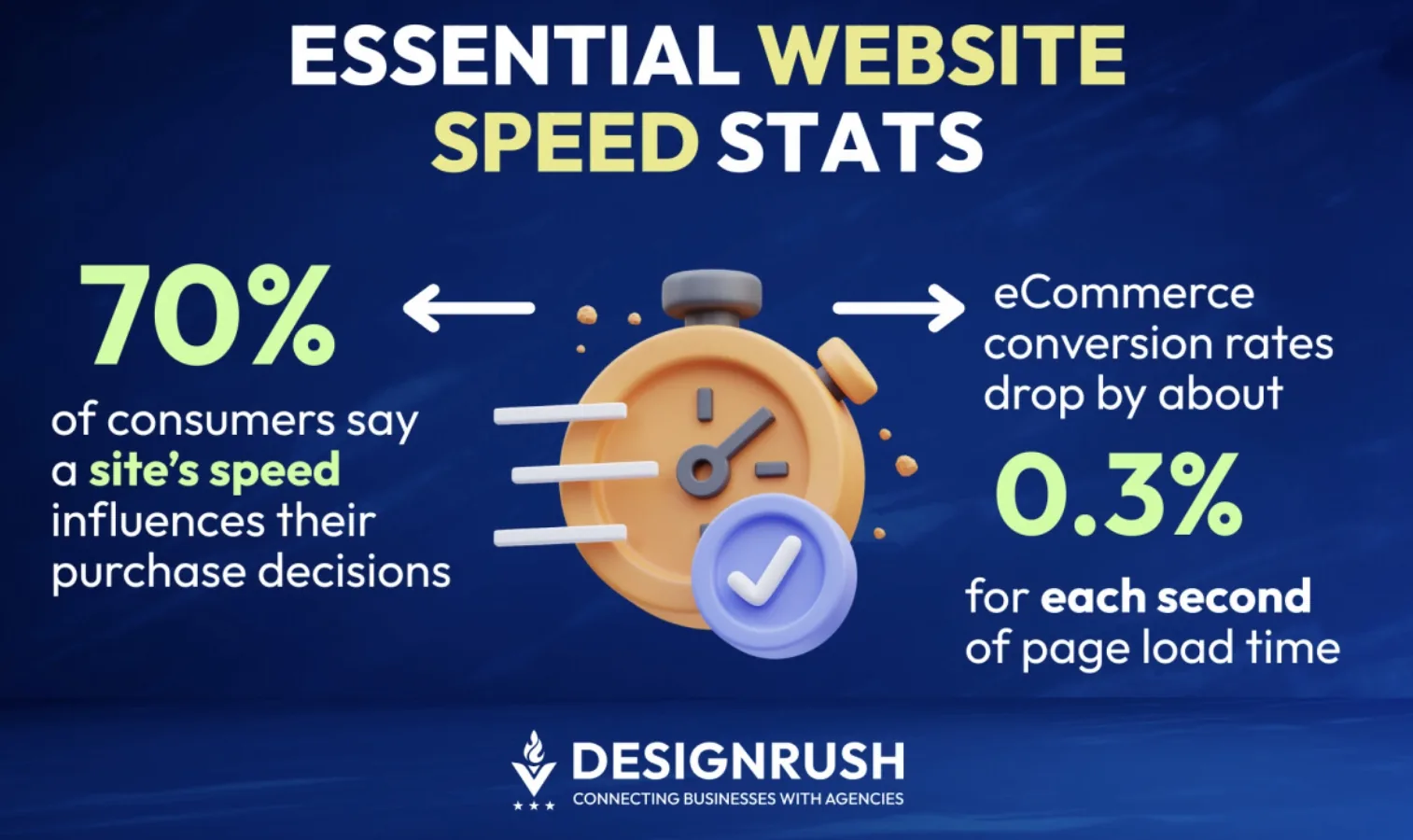
According to 70% of consumers, site speed has a direct influence on their purchase decisions. In fact, ecommerce websites with a 1-2-second load time achieve the highest conversion rates. These sites have an average of 3.05% at one second compared to 0.67% at four seconds, dropping by about 0.3% for every additional second.
Anna Zhang, Head of Marketing at U7BUY, highlights the impact of website speed on brand image and reputation. That's why they're also investing in site optimization to improve page load time.
Zhang mentions, "Your website is often the first handshake with a potential customer. When it loads slowly, you're essentially keeping them waiting at your digital front door. Local businesses thrive on community trust, and a sluggish website can erode that trust before you even get a chance to showcase your products or services."
How To Improve Your Website Speed as a Local Business
The message is clear: There's a need to optimize your site speed for financial, UX, SEO, and brand impact. Website optimization is key to making your website accessible and responsive, not to mention aesthetically appealing and highly functional!
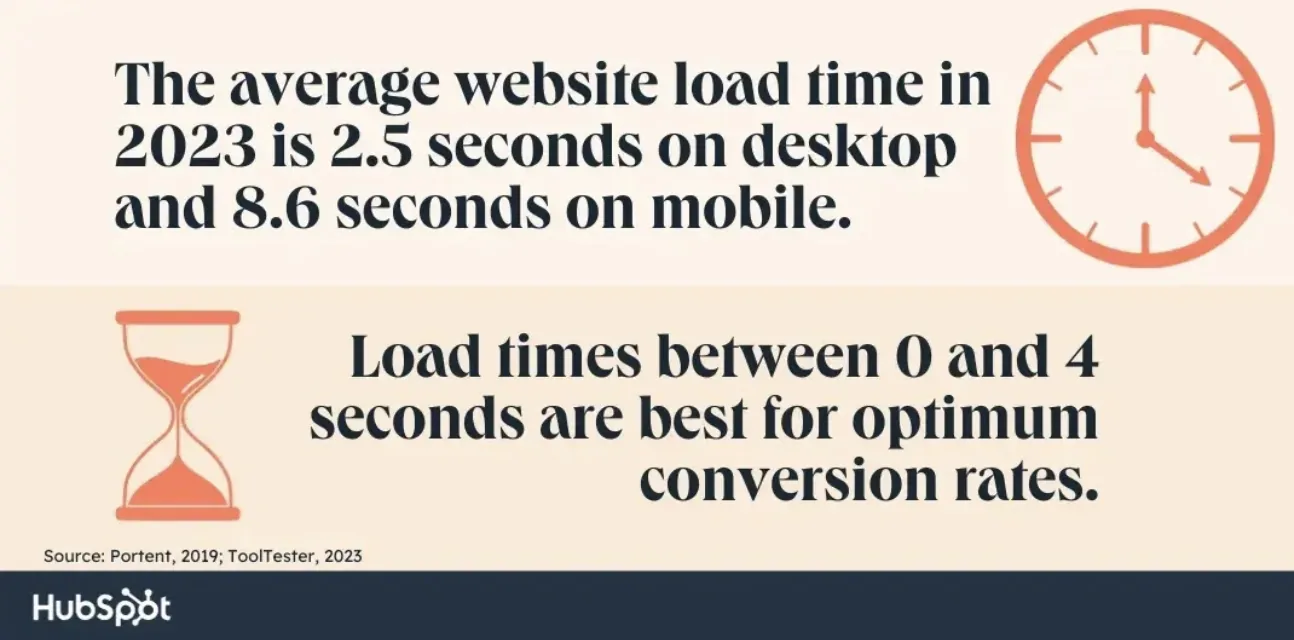
So, heed HubSpot's advice: The average load time is 2.5 seconds (desktop) and 8.6 seconds (mobile devices). But for maximum conversion, it's best to keep the loading time between 0 and 4 seconds.
Good news: You don't need to rebuild from scratch. Here's what actually works:
- Get better hosting. Skip the bargain-basement providers. You want decent servers, updated PHP, built-in caching. A CDN helps serve files faster to visitors far away.
- Fix your images. This is usually the biggest win. Start by making images the actual size they display at. Also, try the WebP format. Lastly, set up automatic compression so new uploads stay small.
- Clean up your code. Delete plugins you don't use. Remove old JavaScript libraries. Combine files where it makes sense. Load the fancy stuff after the page appears.
- Audit your add-ons. Every chat widget, analytics tracker, social media embed slows you down. So, keep only what you really need!
- Focus on money pages. Start with pages that drive business: homepage, services, location, menu, contact form, booking page.
- Speed up your server. Use caching, optimize your database, switch to HTTP/2 or HTTP/3. Keep in mind that every millisecond counts!
- Watch your Core Web Vitals. Track LCP, INP, and CLS regularly. Fix jumpy layouts, heavy hero images, even sluggish buttons.
Tools and resources
Fret not, as you can test the abovementioned with these free tools:
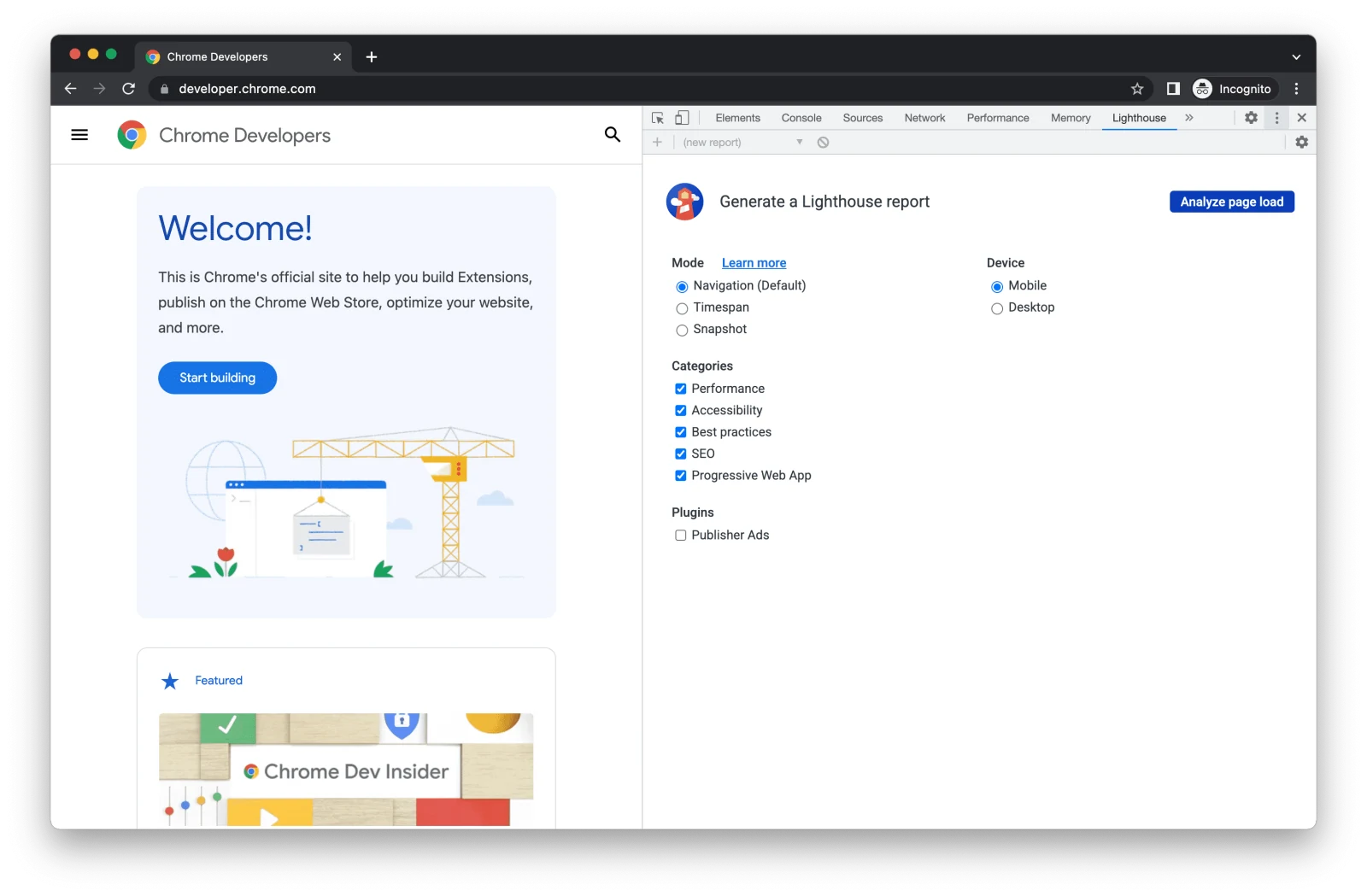
- Lighthouse (built into Chrome)
- Google PageSpeed Insights
- GTmetrix
- WebPageTest for serious diagnostics
- Learn TTFB basics
All these are at your disposal. So, test after each change. Small wins stack up quickly.
Wrapping Up
Slow websites aren't just annoying, they're also expensive. You're losing sales, dropping in search results, looking unprofessional to potential customers. For local businesses fighting for every customer, speed matters more than ever.
That said, make website performance part of your business strategy, not an afterthought. Follow the key steps above for optimizing your site speed using free tools. Ultimately, a faster site means more phone calls, more foot traffic, more money in the register for your local business!
Not sure where to start? Contact Cube Creative Design for a website speed assessment built for local businesses like pest control services, K-12 schools, and other small service businesses.