Every click can become a customer when the intake process runs smoothly.
Modern service businesses focus on making that path clear, organized, and fast. From the first website visit to a confirmed appointment, smart tools and structured workflows turn curiosity into commitment, keeping every lead visible and moving forward efficiently.
Creating a Seamless First Contact Experience on Your Website
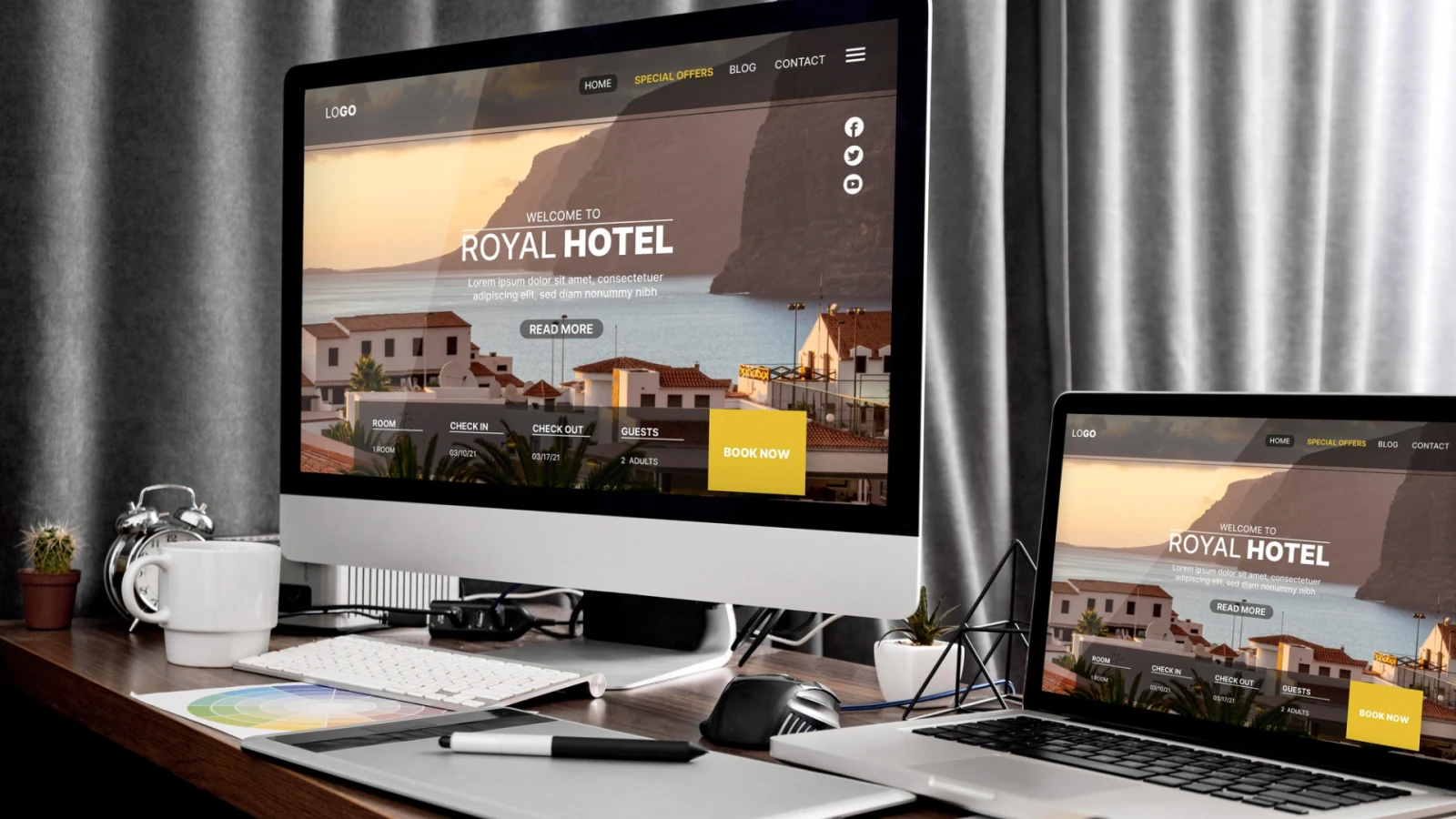
Modern service businesses treat their websites like the front desk of their operation. Visitors should find answers fast, understand offers clearly, and feel confident reaching out.
Clean navigation and direct contact prompts keep friction low..
Responsive design matters because most users click through from mobile.
Strong first contact depends on a few practical web choices. For instance:
- Keep page load times under three seconds to reduce drop-offs.
- Display contact options in multiple visible areas.
- Use plain language to explain services clearly.
Consistency in tone and layout across pages builds trust. And a clear value statement helps potential clients stay engaged instead of bouncing away.
Turning Online Interest into Qualified Leads Through Smart Forms
After a visitor shows interest, a well-designed form will help to capture meaningful details.
Modern service businesses build forms that feel natural to complete. They guide prospects instead of overwhelming them.
The right balance between required and optional fields improves both data quality and conversion rates.
Conditional questions can tailor the form based on user responses, filtering out unqualified leads early.
You should focus on these priorities:
- Keep the total number of fields in a form under ten for higher completion rates.
- Use clear labels instead of placeholders for better accessibility.
- Include a progress bar when forms span multiple steps.
A form that respects the user’s time builds trust and encourages stronger engagement from the first interaction.
Routing New Leads Automatically to the Right Team Members
Once a form submission lands, smart routing ensures each lead reaches the right person without delay.
Service businesses use automation to match incoming requests with team members based on location, service type, or availability. This avoids the common lag of manual assignment, where opportunities can sit untouched for hours.
Real-time routing gives every lead immediate attention, thus raising conversion potential and improving client satisfaction.
Efficient routing relies on several small but powerful tactics. So:
- Set up rules that assign leads by zip code or job category.
- Send instant internal notifications to confirm new assignments.
- Log routing actions automatically for accountability.
Fast distribution keeps operations consistent and prevents potential clients from slipping through the cracks.
Keeping Conversations Consistent With Centralized Messaging Tools
After leads are routed, the next challenge is to maintain clear and consistent communication.
Centralized messaging keeps every conversation visible to the full team, preventing mixed responses or missed follow-ups.
Whether communication happens by text, email, or chat, a shared inbox keeps context intact.
This approach creates a smoother experience for both staff and clients, especially when several people manage one account.
A reliable messaging hub usually includes these features:
- A unified view of all client messages across channels.
- Searchable history for every conversation.
- Quick templates for common responses.
Clear internal visibility prevents duplicate outreach and builds a professional impression, no matter who picks up the next reply.
Tracking Lead Behavior to Prioritize Follow-Ups
Once communication begins, understanding how leads engage helps teams focus effort where it matters.
Behavior tracking tools reveal which messages get opened, which pages attract repeat visits, and how long users spend reading proposals.
This insight guides teams toward warmer prospects who are ready for contact, instead of chasing every inquiry equally.
Data-driven prioritization saves time and increases conversion odds.
Effective behavior tracking often includes these functions:
- Automatic scoring that ranks leads by engagement level.
- Alerts when a prospect revisits pricing or scheduling pages.
- Reports showing response times for each team member.
Using these patterns, service businesses create structured, informed follow-ups that match each client’s level of interest.
Using Purpose-Built Lead Management Tools to Systemize Follow-Ups
When leads start building up, organized follow-up becomes the difference between steady growth and lost opportunities.
Industry-specific tools make that process dependable, giving teams structured systems that handle outreach automatically.
For example, pest control companies often rely on Briostack's sales lead management platform to track contacts and send professional proposals, whether employees are in the office or in the field.
These specialized tools keep workflows predictable and consistent, so no lead falls through the cracks.
Strong follow-up systems usually provide these capabilities:
- Centralized access to quotes, proposals, and contact records.
- Automated reminders that prompt timely follow-ups.
- Mobile features for on-site updates and instant proposal delivery.
Structured lead management ensures teams stay coordinated, presenting a professional experience that builds trust with every client.
Automating Proposal Delivery for Fast Client Responses
After leads move into follow-up, speed becomes critical. Automated proposal tools let service teams send polished quotes within minutes of contact, showing clients that responsiveness is part of their culture.
For service businesses like home repair companies, plumbing services, or cleaning contractors, this quick turnaround often determines who wins the job.
Automation also ensures consistent pricing and branded presentation, even when several staff members handle proposals across different shifts.
Modern automation tools handle key tasks like these:
- Generating digital proposals from preset templates.
- Syncing estimates with current pricing and inventory data.
- Sending automatic confirmation messages after client viewing.
Rapid proposal delivery shortens decision cycles and keeps potential customers engaged while their interest is still strong.
Coordinating Office and Field Teams for Real-Time Updates
Once proposals are sent, coordination between office staff and field workers determines how smoothly each lead moves toward a confirmed appointment.
Real-time updates keep both sides informed about client preferences, schedule changes, and service notes.
For HVAC technicians or lawn care crews, for example, mobile apps with shared dashboards eliminate the lag between dispatch and delivery.
When everyone operates from the same data, mistakes shrink, and productivity rises.
Reliable coordination tools usually feature these functions:
- Live job status tracking that is visible to office and field staff.
- Instant syncing of notes, photos, and signatures.
- Location-based alerts that help reroute teams.
Continuous information flow ensures accurate service delivery and reinforces client confidence throughout the process.
Converting Confirmed Interest Into Booked Appointments With Integrated Scheduling
After interest solidifies, scheduling is where the conversion becomes real. Integrated booking tools let clients confirm appointments directly from messages or proposals, eliminating back-and-forth calls.
For service companies, this step turns momentum into action.
When scheduling syncs with staff calendars and job tracking, it prevents double-booking and keeps operations smooth.
The fewer manual steps involved, the more likely a lead becomes a paying customer.
Effective scheduling platforms often include these features:
- Calendar synchronization across devices for all team members.
- Automated reminders to reduce no-shows.
- Easy rescheduling links for clients who need flexibility.
Streamlined booking creates an immediate sense of reliability, closing the gap between a client’s yes and the actual visit.
Measuring and Refining the Intake Process Through Performance Insights
Lastly, once appointments start rolling in, data analysis shows which parts of the intake process work best.
Tracking key metrics like response time, lead source, and conversion rate helps service businesses make smarter adjustments.
Whether a plumbing company fine-tunes its contact form or a landscaping firm refines follow-up timing, these insights turn guesswork into strategy.
Consistent measurement ensures that every new lead benefits from the last improvement.
Strong performance tracking typically involves:
- Dashboards showing trends in lead response and close rates.
- Reports comparing digital ad sources by conversion quality.
- Alerts highlighting drop-off points within the intake funnel.
Continuous refinement keeps systems efficient, thus ensuring growth remains steady as client expectations evolve.
Conclusion
Modern service businesses thrive on consistency, speed, and clarity - from the first click to the final appointment.
Streamlined systems, smart automation, and well-trained teams transform lead handling into a predictable process that keeps clients satisfied and operations running smoothly.