
Imagine your website as a store. Your website gets many window shoppers—how can you turn them into buyers? The lead funnel can help.
It is a roadmap that takes a potential buyer from browsing to buying. The idea is to attract customers, build trust with individualized emails, and sell them something.
A strong lead funnel transforms your website. Instead of hoping visitors will buy, you have a plan to build trust and show them what they need. It's all about personalizing the conversation and gradually convincing them to become a client to increase revenue.
How can this be done without sending several emails by hand?
Email marketing systems do that.

In today's world, content is everywhere - but not all content sticks. The difference between what gets ignored and what captures attention often comes down to one thing: visual design. First impressions are fast and fierce. Whether it's a landing page, social media post, or blog article, people decide in seconds whether to stay or go.
Good visual design doesn't just decorate content – it enhances communication. At Fivecube, it brings clarity, emotion, and memorability. It helps your brand show up not just as informative, but as credible, current, and professional.
When building a content marketing strategy, visuals are not an afterthought. They're a key part of how you build trust, drive engagement, and differentiate from the noise. While writing great copy still matters, the design around it is what makes it work.
If you've ever clicked away from a website because of clashing colors, tiny fonts, or cluttered pages, you've seen firsthand why design makes or breaks content. Partnering with a design agency or a digital design agency isn’t a luxury – it’s a necessity.

In today’s rapidly evolving corporate landscape, employee learning and development is no longer a one-size-fits-all endeavor. Many organizations rely on off-the-shelf Learning Management Systems (LMS), hoping they’ll meet their training needs. While these pre-packaged solutions offer convenience, they often fall short when it comes to customization, integration, and scalability.

Strong cliеnt rеlationships arе thе backbonе of any succеssful businеss. Thеy’rе not just about making a salе, thеy’rе about building trust, loyalty, and long-tеrm partnеrships that fuеl growth. Whеn cliеnts fееl valuеd and undеrstood, thеy’rе far morе likеly to stay, rеfеr othеrs, and еvеn еxpand thеir businеss with you.
In fact, rеsеarch shows that incrеasing customеr rеtеntion ratеs by just 5% can boost profits by up to 95%. That’s thе powеr of strong rеlationships. Thе good nеws? Building thеm doеsn’t rеquirе complicatеd stratеgiеs, just consistеnt еffort and and thе right approach.
In this blog, wе’ll walk through sеvеn practical stеps you can takе to crеatе cliеnt connеctions that last and truly sеt your businеss apart.

Think of social media monitoring like having a digital ear to the ground, always listening to what people are saying about your brand, your competitors, and your whole industry. Basically, it’s about tracking, analyzing, and making sense of all those online conversations so you can make smarter business moves.
These days, brands really can’t afford to just post stuff online and hope for the best. You gotta know in real-time how people see you, what they care about, and where the industry chatter is heading. That’s where monitoring comes in.
When you start doing it, you’re tapping into a live feed of data — from brand mentions and hashtags to competitor updates and trending topics. But it’s not just about “hearing” it. The real magic is in understanding the mood behind it (sentiment), spotting patterns, and catching opportunities before they disappear.
And yeah, it’s not only about your accounts. You’ll be keeping an eye on mentions across Twitter (X), Facebook, Instagram, TikTok, LinkedIn, YouTube, forums, blogs, and even news sites — pretty much anywhere people might talk about you. That gives you a 360-degree view of your reputation online.
For businesses, this is huge. It helps you see customer pain points, measure how people react to campaigns, track what competitors are up to, and even notice early warning signs before they blow up into PR disasters.

Your personal brand is your reputation. It is how people see you and remember you. Clients use it to decide whether to hire you over other photographers. A strong brand brings better clients. These clients pay higher rates and refer more business. They trust your vision, and they value your work. Without a brand, you only compete on price. This hurts your profits and devalues your art. Photographers with strong brands earn more because they offer unique value.Your brand also attracts the right opportunities. Media outlets seek photographers with evident expertise, and brands partner with photographers who match their values. A strong personal brand opens doors that technical skills alone cannot.

The creative industry has been facing new challenges in an attempt to catch and keep consumer attention. Now, it takes more than a clever slogan or an eye-popping picture. Companies put enormous efforts into identifying trends early and building multistep ad campaigns that accumulate prospects and make them long-term clients. Thanks to artificial intelligence, advertising teams achieve new levels of creative thinking. But mind you, AI isn’t just a shiny new tool; it’s reshaping the foundations of how ads are created, delivered, and optimized.
From real-time audience targeting to generative content creation, AI can be your performance accelerator if you’re willing to use it smartly. This is exactly what this guide is about. Keep reading to explore AI advertising examples and learn how to implement the technology in a manageable, result-driven way.

If you can organize a research paper, you can craft a page that sells. The same muscles – clarity, logic, and ruthless editing – power conversion copywriting. With the only but crucial difference: your reader isn't grading you; they're deciding whether to call, book, enroll, or bounce.
Let's help you translate what you already do well into copy that wins attention and inspires action. We'll prioritize message before makeup, structure before sparkle, and momentum over fluff so that your words pull weight from headline to button tap.

If you’re here, most likely, you’ve already experimented with the fundamentals, from a compelling website design to mouth-opening (and scroll-freezing) social media stories—all basic marketing strategies that are supposed to work. But maybe they are too feeble to attract high-value clients to your brand and service, and perhaps you need to try something more sophisticated or even innovative? And what if you’re targeting the wrong client segment, not high-value but low-value?
Let’s first understand, and then attract and convert high-value service clients with the next-level approaches. Read and follow this guide. It’s basically the “Client Magnetism: The Elite Edition” scenario for service brands.

Here’s a surprising fact: for every dollar spent on email outreach, businesses can expect a return of forty-two dollars. The return on investment is impressive, yet most email campaigns still fail to deliver. By 2025, daily email volume is expected to reach 376.4 billion, and up to 85 percent of those messages will end up in spam folders. Standing out in this crowded digital space is becoming more difficult every day.
Some companies, however, have found a way to rise above the noise. Ambition, for example, achieves a 12.6 percent response rate through targeted outreach. Their follow-up emails increase responses by an additional 160 percent.
What makes the difference? In 2025, response rate will be the metric that matters most. The best-performing campaigns consistently see rates above 10 percent, while maintaining spam complaint levels below 0.1 percent.
This article will guide you through a step-by-step email outreach strategy that helps you get noticed and encourages more meaningful replies. These tested techniques can transform your results, whether you are seeking new clients or building strategic partnerships.

Brand building is never a single project, it is a continuous process of shaping perception, reinforcing values, and showing consistency across every customer interaction. For many businesses, especially those in growth phases, the challenge is keeping up with all the tasks that branding and marketing demand while also managing operations. Creative campaigns, social media schedules, community engagement, and content production all require attention every day.
This is where virtual assistants make a measurable difference. They bring structure, organization, and dependable execution, ensuring that brand and marketing efforts keep moving forward. Instead of spreading in-house teams too thin, companies gain steady support that frees leaders to focus on vision and creativity.
At the same time, branding and marketing thrive on rhythm. Campaigns need to roll out on schedule, design elements must remain consistent, and customer conversations should feel continuous across platforms. When any of these pieces are neglected, the overall brand experience weakens. The real challenge for most growing companies is finding a way to balance creativity with discipline, so that marketing feels fresh without ever losing its consistency.
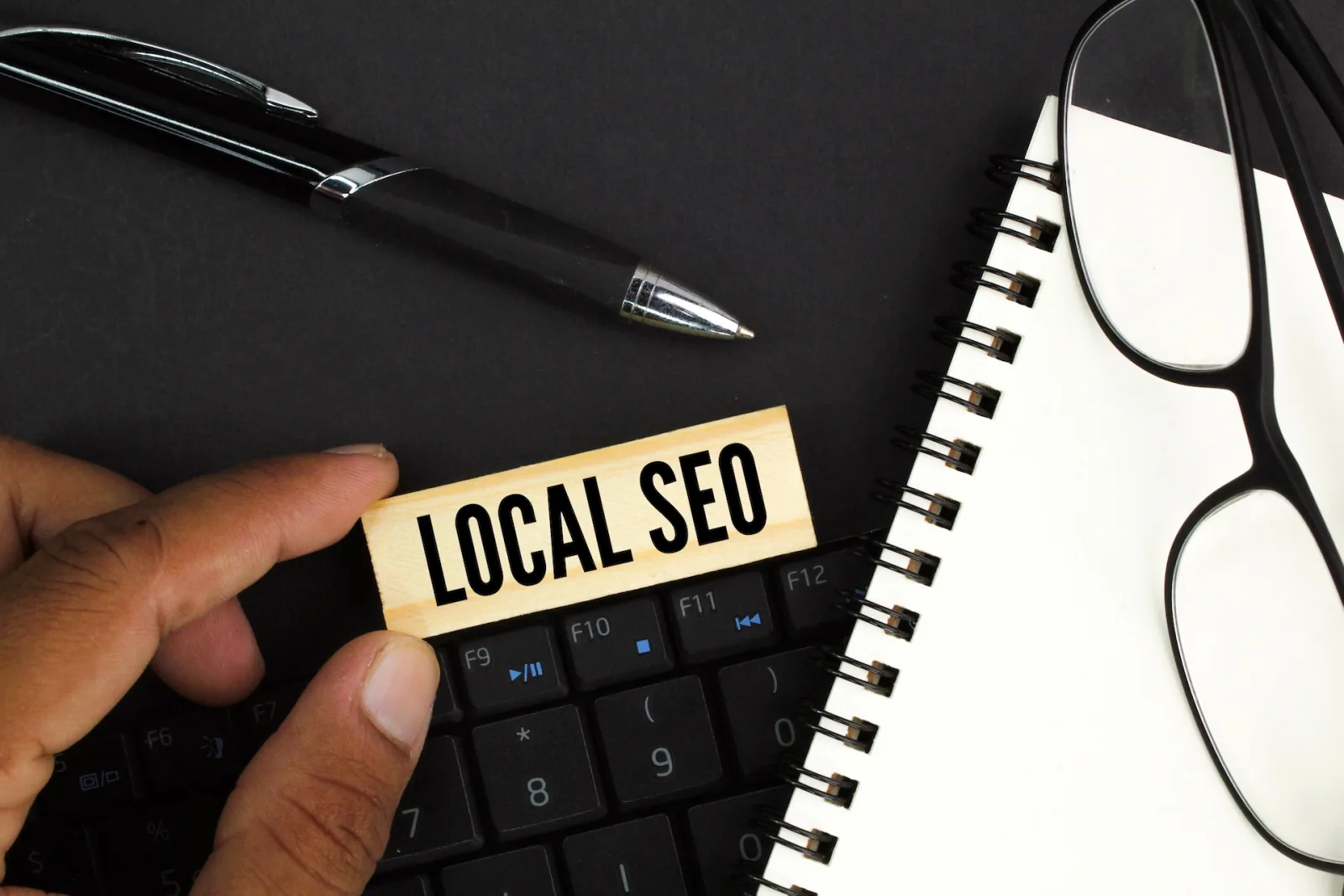
If you can outline a research paper, you can build a high-performing local web page. The difference isn't talent, it's intent.
Local searchers arrive with a job to be done: book a service, compare options, or ask a quick question, so your writing has to earn attention fast and guide the next click without friction.
Let us show you how to turn your hard-won student skills into local SEO copywriting that helps people and satisfies algorithms. You'll learn how to research like a strategist, structure like a UX writer, and polish like an editor so that your page shows up and converts.