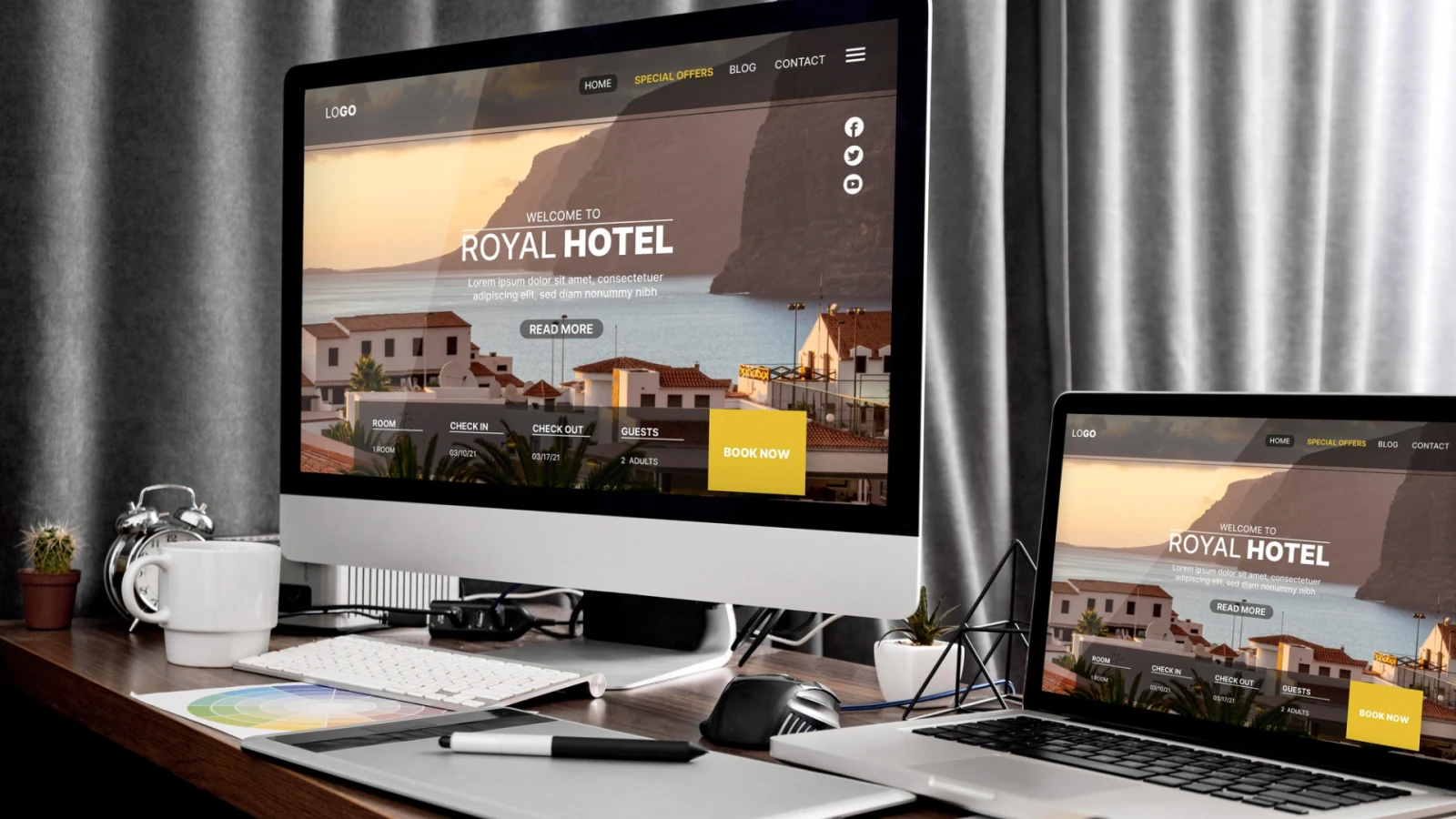
If you've landed here, chances are high that you're ready to take your website to the next level.
It’s likely you understand that a high-performing website is the backbone of any thriving online business.
But what's the secret sauce?
What separates a website that merely exists from one that captivates, engages, and converts?
Your Step-by-Step Playbook to Designing a High-Performing Website
In order to create a website that not only looks good but is a true performer, you need to map out your process from concept to launch.
Using this roadmap, you’ll be able to stick to the objective; creating a website that elevates your online presence.
Here’s a step-by-step sneak peek at the web design playbook that time and time over produces enticing and effective websites:
- Clarify your website's mission and ideal visitor
- Architect your website's blueprint
- Create a visual spectacle that mesmerizes
- Craft content that captivates and converts
- Assemble the pieces and bring your vision to life
- Unleash your creation and sustain the momentum
By the end of this article, you'll be equipped with the tools, knowledge, and confidence to create a website that not only captivates but also converts like a charm.
Step 1: Clarify Your Website’s Mission and Ideal Visitor
Your website is more than just a digital business card; it's a powerful tool that allows your business to achieve its goals and exceed profitability.
But to reach its full potential, you must have a clear understanding of its purpose.
What do you want your website to accomplish?
Is it to educate your audience, showcase your products or services, or generate leads and sales?
Is it all three?
The key to creating a website that converts is to align its purpose with your overall business objectives.
"What do I want my website to do for my business?"
Once you have a clear answer to this question, you can then craft your digital storefront so that it effectively communicates your message and guides your visitors towards taking the desired actions.
It’s obvious when a website knows its purpose compared to a website built by someone who didn’t know its original intentions.

Lay Out Your Ideal Customer Profile
Now that you've defined your website's purpose, it's time to dive deep into understanding your ideal customer.
Who are they?
What are their pain points, challenges, and aspirations?
The more vividly you can paint a picture of your dream customer, the better equipped you'll be to create a website that resonates with them on a personal level.
- What keeps them up at night?
- What are their biggest frustrations?
- What do they hope to achieve?
- How can your website help them solve their problems and reach their goals?
By answering these questions, you'll gain valuable insights into your ideal customer's psyche.
You'll be able to craft a website that speaks directly to their needs and desires, positioning your business as the ultimate solution to their problems.
But it's not just about understanding your dream customer; it's about conveying that understanding through every element of your website.
From the Copy to the Design to the User Experience
In every aspect, your website should reflect a deep empathy for your ideal customer's journey.
It should instantly communicate that you "get" them.
It should validate their challenges and offer a clear path towards a brighter future.
By doing so, you forge a powerful emotional connection with each of your visitors, building trust and credibility that will make them more likely to engage with your brand.
In essence, clarifying your website's mission and ideal visitor is the foundation upon which everything else is built.
It's the compass that guides your digital strategy, ensuring that every decision you make is aligned with your ultimate goals and your customers' needs.
So take the time to get crystal clear on your purpose and your people.
By doing so, your website will be a powerful engine for growth and success.
Step 2: Architect Your Website's Blueprint
With your website's mission and ideal visitor clearly defined, it's time to lay the groundwork for a seamless user experience.
The foundation of any high-performing website is a well-structured sitemap and intuitive navigation.
These essential elements serve as the roadmap that guides your visitors through your digital storefront, ensuring they find exactly what they need, when they need it.
Your sitemap is behind-the-scenes, outlining the hierarchy and organization of your website's pages.
It's a critical planning tool that helps you visualize the user's journey and ensure a logical flow of information.

Crafting Your Sitemap
When crafting your sitemap, consider:
- Grouping related content into categories and subcategories
- Keeping your navigation simple and intuitive
- Ensuring every page is accessible within three clicks or less
- Prioritizing your most important pages and calls-to-action
A well-designed sitemap lays the foundation for a navigation system that feels natural and effortless to your visitors.
Your navigation should be a clear and consistent guide, allowing users to explore your website with confidence and ease.
Visualizing Your Website's Skeleton: Wireframes and Mockups
With your sitemap in place, you can bring your website's structure to life through wireframes and mockups.
These visual representations of your website's layout and design are essential tools for refining your user experience and ensuring a cohesive, purposeful design.
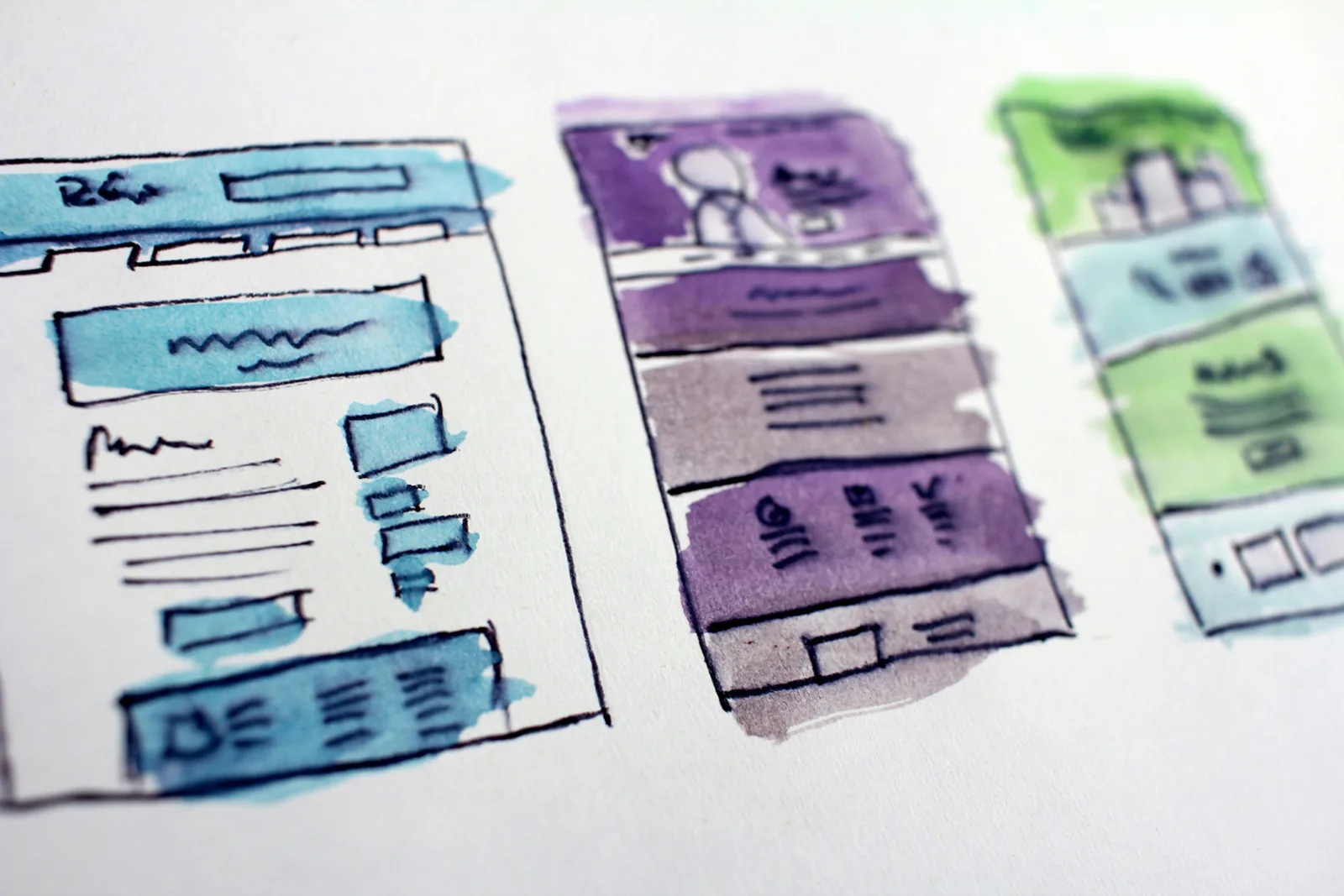
Wireframes are the bare-bones sketches of your website's layout, focusing on the placement of key elements such as headers, navigation, content blocks, and calls-to-action.
They help you:
- Prioritize content and functionality
- Ensure a logical, user-friendly layout
- Identify and eliminate potential usability issues early on
Mockups take your wireframes to the next level by adding visual unity principle of design elements such as color, typography, and imagery.
They provide a more polished representation of your website's final look and feel, allowing you to:
- Establish a consistent visual language and brand identity
- Refine your design and make iterative improvements
- Provide an even clearer vision
By investing time and effort into wireframes and mockups, you'll ensure that your website's design is intentional, effective, and aligned with your overall goals and user needs. Building those mockups into a responsive site takes close back-and-forth between designer and developer, so teams often hire nearshore frontend developers who work in overlapping hours and can turn feedback around the same day instead of waiting overnight.
Obsess Over the User's Journey: The Art of UX Design
At the heart of any successful website is an absolute focus on the user experience (UX).
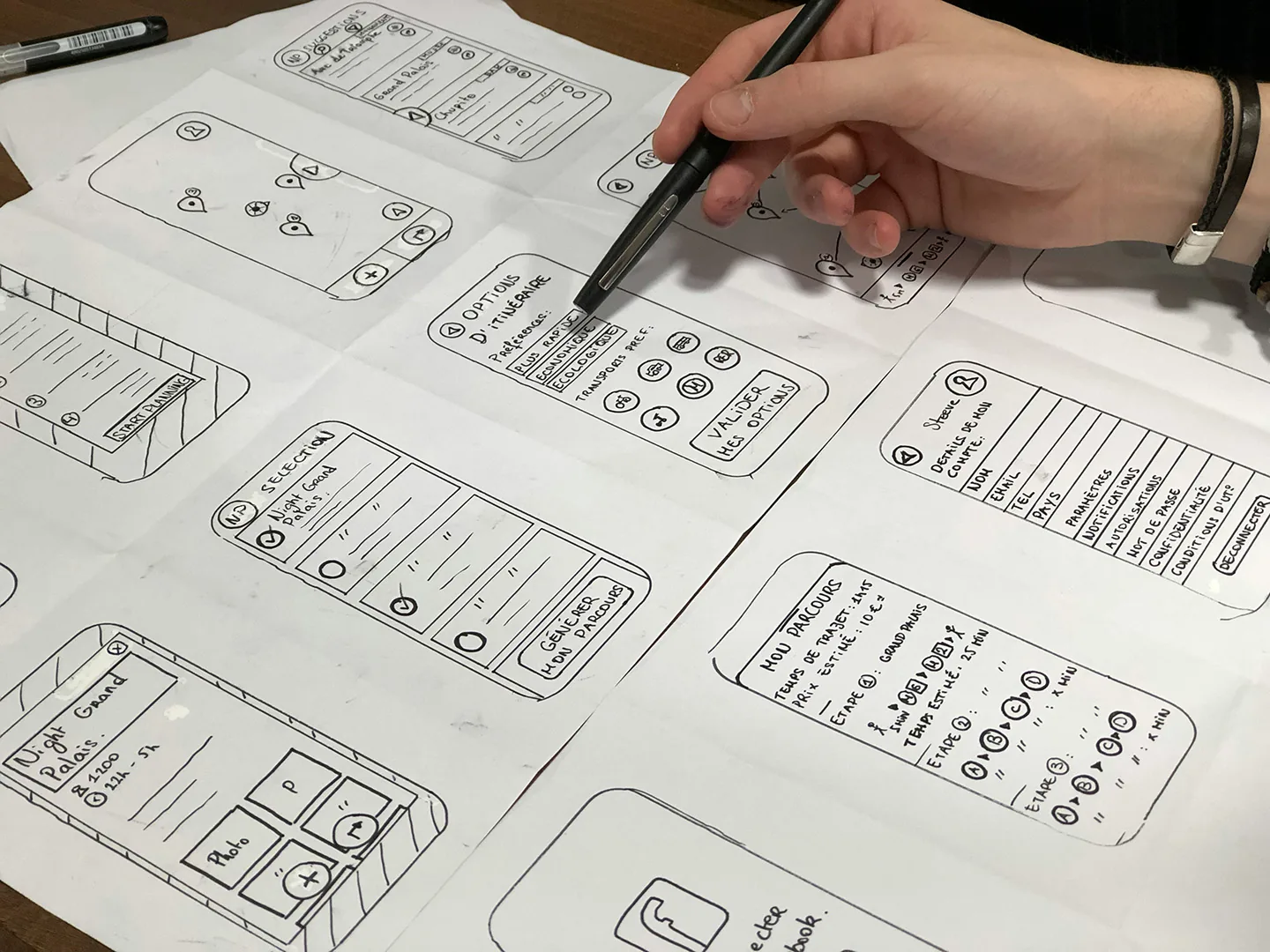
UX design is the practice of crafting digital experiences that are intuitive, enjoyable, and effortless for your visitors.
It's about anticipating their needs, eliminating friction points, and guiding them towards their goals with ease and delight.
To create a website that truly resonates with your audience, you must obsess over every aspect of the user's journey.
This means:
- Conducting user research to gain deep insights into your visitors' needs, behaviors, and preferences
- Crafting user flows and scenarios that map out the ideal path to conversion
- Designing intuitive, accessible interfaces that make it easy for users to find what they need
- Continuously testing and refining your design based on user feedback and data insights
By putting your users at the center of your design process, you'll create a website that not only looks great but also delivers real value and drives meaningful results for your business.
Build a Website That Mesmerizes
As it relates to web design, the visual elements you choose have the power to evoke emotions, influence perceptions, and guide user behavior.
Two of the most fundamental aspects of your website's visual language are color and typography.
By understanding the psychology behind these elements, you can craft a design that not only captivates your audience but also reinforces your brand's message and personality.
Color is a potent tool for evoking emotions and setting the tone for your website.
Different colors can convey different meanings and associations, such as:
- Blue: Trust, stability, professionalism
- Green: Growth, harmony, balance
- Red: Excitement, passion, urgency
- Yellow: Optimism, creativity, friendliness
When selecting a color palette for your website, consider the emotions and associations you want to evoke in your visitors.
Choose colors that align with your brand's personality and the overall tone you want to set.
Typography
Typography, on the other hand, is the art of arranging type to make written language legible, readable, and appealing.

The right typography can:
- Establish a visual hierarchy, guiding users' attention to key messages and calls-to-action
- Convey your brand's personality and style
- Enhance readability and improve user experience
When choosing typography for your website, consider factors such as:
- Font family: Serif, sans-serif, or decorative?
- Font size: Is your text easily readable across devices?
- Line spacing: Does your text have enough breathing room?
- Color contrast: Is your text easily distinguishable from the background?
By carefully selecting colors and typography that work together harmoniously, you can create a visual language that enhances your website's message and engages your visitors on a deeper level.
Brand Identity: Logo and Style Guide
At the heart of your website's visual identity is your brand.
Your logo and style guide are the cornerstones of your brand identity, ensuring consistency and coherence across all your digital touch points.
Your logo is the face of your brand, a visual symbol that encapsulates your brand's essence and personality.
It should be memorable, distinctive, and versatile, able to work across a range of applications and mediums.
When designing your logo, consider:
- Simplicity: Is your logo easy to recognize and remember?
- Versatility: Does your logo work well across different sizes, colors, and contexts?
- Relevance: Does your logo align with your brand's personality and values?
Your style guide, on the other hand, is a comprehensive document that outlines all the visual elements of your brand, from color palettes and typography to imagery and iconography.
It serves as a reference point for designers, developers, and marketers, ensuring that your brand is consistently represented across all channels.
By investing time and effort into crafting a strong logo and comprehensive style guide, you'll create a solid foundation for your website's visual identity, making it easier to create a cohesive, memorable brand experience for your visitors.
Engage the Senses with Visuals and Multimedia
In today's digital landscape, attention is a precious commodity.
To capture and hold your visitors' interest, your website must engage their senses with stunning visuals and multimedia.
High-quality images, videos, and animations can bring your website to life, creating a more immersive, engaging experience for your visitors.
They can showcase your products or services in action, tell your brand's story, and evoke powerful emotions that drive connection and conversions.
When incorporating visuals and multimedia into your website, consider:
- Quality: Are your images and videos high-resolution and professionally produced?
- Relevance: Do your visuals align with your brand's message and purpose?
- Optimization: Are your media files optimized for fast load times and seamless performance?
- Accessibility: Do your visuals include appropriate alt tags and captions for users with disabilities?
By thoughtfully integrating stunning visuals and multimedia into your website, you'll create a more engaging, memorable experience for your visitors, keeping them coming back for more.
Write Content That Captivates and Converts
Your website's copy is the voice of your brand, the words that spark curiosity, foster connection, and ultimately, drive action.
You’re not simply stringing together clever phrases or catchy slogans; you’re crafting a narrative that resonates with your audience on a deep, emotional level.
To write website copy that truly captivates and converts, you must first understand the science behind persuasion and influence.
This means tapping into the psychology of your ideal customer, understanding their needs, desires, and pain points, and crafting a message that speaks directly to their hearts and minds.
Some key principles to keep in mind when writing your website copy:
- Know your audience: Mentioned earlier, dive deep into your ideal customer's psyche, understanding their language, their values, and their motivations. The more intimately you know your audience, the more effectively you can tailor your message to resonate with them.
- Focus on benefits, not features: Your customers don't care about the technical specifications of your product or service; they care about how it will improve their lives. Highlight the tangible benefits and transformative outcomes your offering provides, painting a vivid picture of the better future your customers can achieve with your help.
- Use persuasive language: Employ powerful, action-oriented words that evoke emotion and inspire action. Use social proof, scarcity, and urgency to create a sense of desire and motivate your visitors to take the next step.
- Tell a compelling story: Humans are hardwired to respond to stories. Use narrative techniques to draw your visitors in, creating a sense of connection and empathy that builds trust and credibility.
By mastering the science of writing irresistible website copy, you'll create a powerful emotional connection with your visitors, guiding them seamlessly towards the actions you want them to take.
Optimize for Search Engines and the Human Soul
Your website's success depends not only on its ability to captivate your visitors but also on its visibility in the search engines.
After all, even the most brilliant website copy is useless if no one can find it.
That's where search engine optimization (SEO) comes in.
By strategically integrating relevant keywords, crafting compelling meta descriptions, and structuring your content for maximum relevance and authority, you can improve your website's search engine rankings, driving more qualified traffic to your site.

But SEO isn't just about the algorithms; it's about writing content that truly serves and delights your human audience.
This means focusing on:
- Relevance: Creating content that directly addresses your ideal customer's needs, questions, and pain points, providing genuine value and insight.
- Readability: Structuring your content with clear headlines, short paragraphs, and ample white space, making it easy for visitors to scan and digest your message.
- Engagement: Encouraging interaction and dialogue with your audience, fostering a sense of community and belonging around your brand.
By optimizing your content for both the search engines and the human soul, you'll create a website that not only ranks well but also resonates deeply with your audience, building lasting relationships and driving long-term success.
Mobile: Designing for Small Screens
Designing for small screens is no longer optional; it's essential.
With more and more users accessing the web through smartphones and tablets, your website must be optimized for seamless mobile experiences.
This means:
- Responsive design: Ensuring your website adapts and responds to different screen sizes and devices, providing a consistent, user-friendly experience across all platforms.
- Streamlined content: Prioritizing your most important messages and calls-to-action, making it easy for mobile users to find what they need quickly and efficiently.
- Touch-friendly interactions: Designing for tap and swipe interactions, with large, easily clickable buttons and intuitive navigation.
- Fast load times: Optimizing your website's performance for mobile devices, with compressed images, minified code, and efficient caching.
Unleash Your Creation and Sustain the Momentum
You've crafted a website that embodies your brand, captivates your audience, and drives real results.
But before you hit that launch button, there are a few critical steps you must take to ensure your website is primed for success.
The Pre-Launch Checklist
✓ Double-check your content for accuracy, clarity, and spelling or formatting errors
✓ Test your website's functionality across different devices and browsers
✓ Ensure your website is optimized for search engines, with relevant keywords and meta tags
✓ Set up analytics tracking to monitor your website's performance and user behavior
✓ Conduct a final round of user testing to gather and identify any last-minute improvements
✓ Prepare your marketing and promotional materials, including social media posts, email campaigns, and press releases
By methodically working through this pre-launch checklist, you'll ensure that your website is polished, functional, and ready to make a splash in the digital world.
Proven Strategies to Promote Your Website
Launching your website is just the beginning.

To truly harness its power and potential, you must actively promote it to your target audience, building buzz and driving traffic to your digital doorstep.
Some proven strategies to promote your website include:
- Leveraging social media to share your website's content, engage with your followers, and attract new audiences
- Creating valuable, shareable content that positions your website as a go-to resource in your niche
- Running targeted advertising campaigns to reach your ideal customers where they are
- Participating in online communities and forums, providing value and building relationships with potential customers
By implementing a multi-faceted promotional strategy, you'll create a steady stream of qualified traffic to your website, building momentum and driving long-term growth.
Data-Driven Iteration: Leveraging Analytics and User Feedback
To ensure your website’s ongoing success, embrace a data-driven approach to iteration and improvement.
This means:
- Monitoring your website's analytics: Regularly reviewing your website's traffic, user behavior, and conversion rates, identifying trends and opportunities for optimization.
- Gathering user feedback: Actively seeking input from your visitors, through surveys, user testing, and customer support channels, to understand their needs, preferences, and pain points.
- Conducting A/B testing: Experimenting with different variations of your website's design, copy, and functionality, measuring their impact on user engagement and conversion rates.
- Iterating based on insights: Using the data and feedback you gather to make informed decisions about how to improve your website, continuously refining and optimizing its performance.
By leveraging analytics and user feedback, you'll create a website that is responsive, adaptable, and constantly improving, ensuring its long-term relevance and effectiveness in the ever-changing digital landscape.
Conclusion: Crafting a Digital Experience
As you move forward in your website design, try to remember that your website is a living, breathing extension of your brand.
It requires ongoing nurturing, optimization, and evolution to stay relevant and effective in an ever-changing digital landscape.
So, keep tweaking, keep experimenting, and keep striving for improvement.
Embrace the power of data, the wisdom of your audience, and the boundless potential of your own creativity.
Most importantly, never lose sight of the reason behind it all: to forge meaningful connections, solve real problems, and make a lasting impact on the world.