
Most blogs don’t generate leads because they’re built to publish, not to perform. People write, post, share, and hope something sticks. That’s not a strategy but a backlog of nice content collecting dust.
Meanwhile, the data is clear: Companies with active blogs pull in 67% more leads than those without. Not because they write more, but because they write with purpose.
If you want your blog to work, it needs to do more than show up in search results. It needs to meet people where they are and move them toward something useful, such as a conversation, a signup, or a hand-raise. That doesn’t happen by accident.
To do so, you need a clear process that connects the content you publish with the people you want to reach.
In this article, we’ll break down how to do exactly that, without making it weird or complicated.

Modern businesses face massive competition in the market. Consumers have become very savvy and think nothing of spending hours researching and evaluating their options before purchasing. For this reason, brands have to work tirelessly to make themselves stand out.
A study from McKinsey & Company revealed that over 75% of consumers are willing to switch brands when presented with a compelling alternative, highlighting the need for crafting a unique selling proposition that knocks the competition out of the park. (Source: Researchgate)
In this guide, we’ll introduce the concept of a unique selling proposition, compare it with a value proposition, share some tips on creating a unique selling proposition of your own, and finish up with some killer USP examples.

Link building is still the cornerstone of SEO success. High-quality backlinks not only improve search engine rankings but also establish domain authority and drive referral traffic. However, executing an effective link-building strategy requires experience, creativity, and precision, which is why many businesses turn to specialized agencies to get the job done right.
Whether you're a startup looking for initial traction or a large enterprise aiming to dominate your niche, here's a curated list of the top ten link building agencies in the world, known for their results-driven strategies and industry expertise.

Service-based businesses aim to deliver great work, but the reality is that their daily routines often get consumed by endless tasks and deliverables. Teams often become bogged down with administrative tasks such as client calls and scheduling, rather than focusing on core operations. This time-consuming workload can lead to constant burnout, stripping you of the time needed to innovate, grow, or simply maintain a healthy work-life balance.
Fortunately, you can still deliver great customer experiences, energize your team for innovative operations, and reclaim valuable time. With a combination of focused habits and smart software, you can break free from this cycle. This guide will walk you through strategies to help your team escape unproductive busywork and reclaim their most valuable asset: time.

The age of big data has transformed how organizations store, process, and derive insights from information. Cloud platforms have become the backbone of modern analytics, enabling scalability, flexibility, and cost efficiency. But as data continues to grow exponentially, one challenge has become increasingly prominent: data gravity.
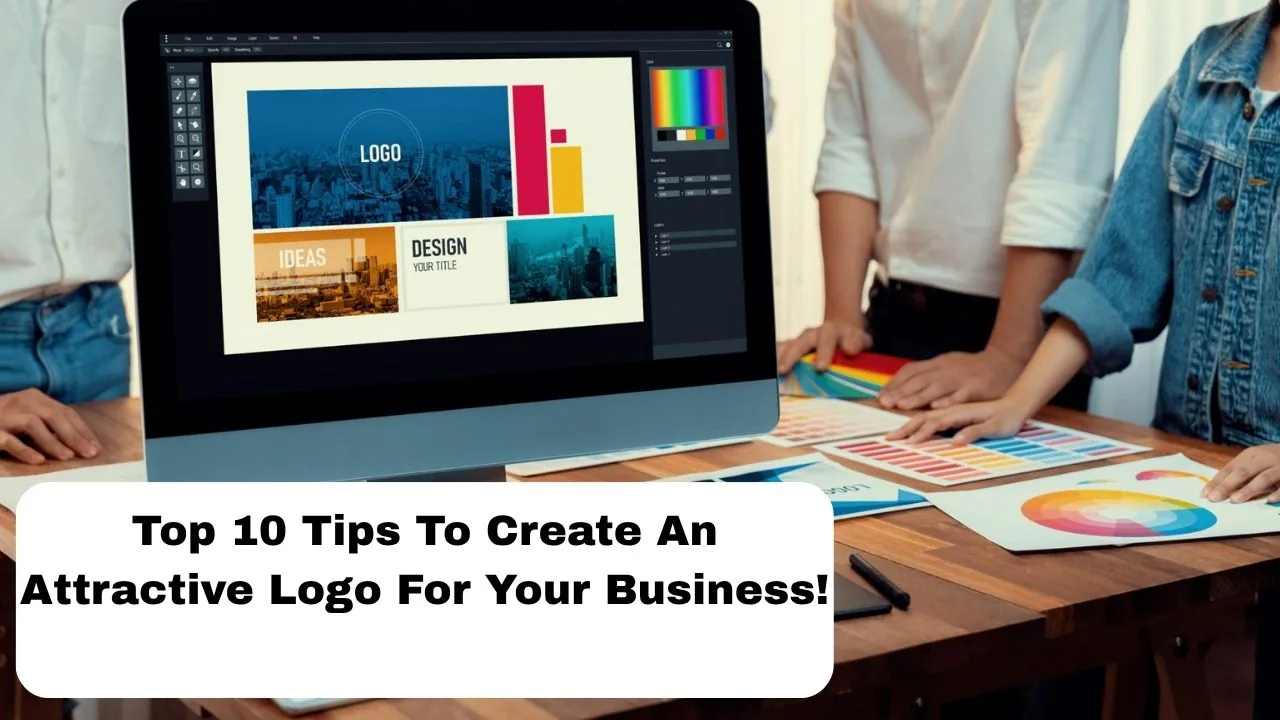
A logo is, most of the time, the first impression your brand leaves on its customers, so you have to make sure that it is properly designed and aligns with the nature of your brand.
You must understand that a great logo isn’t just a visual; it is an asset for your business. This is mainly because it communicates your identity, helps you build trust, and most importantly, gets stuck in your customer’s memory.
If you don’t know how to create an attractive logo or don’t have the budget to hire a professional designer, it is best to read this post, as here in this guide we are going to discuss ten helpful tips that would help you grab the attention of your target audience and build brand loyalty.
Without any delay, let’s get down to the details…

There's a prevailing narrative that AI-produced content is inherently generic, low-quality, and detrimental to the digital landscape. This perspective, frankly, misses the mark. It's akin to blaming a paintbrush for a bad painting; the issue isn't the tool itself, but its misuse or the lack of skill of the person wielding it. When done right, AI-driven content is not just good, it’s actively improving the internet and, by extension, making us better off.

Nowadays, for small and medium-sized enterprises looking to grow organically, investing in expert-led link-building strategies can significantly improve search engine rankings and long-term brand visibility. Hiring a link-building manager is a step that requires careful planning, especially if you're aiming to see measurable ROI and sustained performance.

Speed is the name of the game. Whether you're launching a new product, optimizing conversion flows, or overhauling your site before a campaign push, today's digital teams need to move fast—without breaking things.
But here’s the challenge: when design, development, and marketing all move at different speeds, alignment falls apart. Features get scoped incorrectly. Pages go live with copy placeholders. Design reviews turn into retrospectives.
That’s where a strong UX design process makes the difference. It’s not just a box to check—it’s the structure that holds fast-moving teams together.

Technology is changing the way we work—and that includes industries you might not expect. One surprising leader in the world of automation? Healthcare.
While it may seem like a hands-on, people-focused field, healthcare has quietly embraced automation to make systems more efficient, improve service, and reduce human error. From appointment scheduling to diagnostics, automation is helping professionals save time and focus on what matters most: patient care.

Brand storytelling is all about building an emotional connection with your audience and positioning your brand as the solution they didn’t know they needed. But it’s not enough to just tell your brand’s story; you need to show it.
To achieve this, visual content will be your strongest storytelling tool.
As attention spans continue to shrink, visual content is becoming increasingly relevant. It grabs people’s attention, helps them process information quickly, and evokes emotional responses that build loyalty and trust.
Whether it’s a video, an infographic, or an image, the right visuals will take your brand storytelling to new heights.
So, stick around. This article shows you how to enhance your brand storytelling through visual content. You’ll find out what visual content is, why it ties in for strong brand storytelling, and how to use it to make your brand unforgettable.

You've likely noticed how much the creative market has changed in the past few years. It's no longer about design skills—it's about working fast, creating at scale, and staying on top of trends. Marketers and small businesses especially feel the pressure. They need to deliver more content promptly while remaining high-quality. This is where artificial intelligence makes a real difference, and the Freepik AI Suite is leading that shift in the creative world.
Freepik’s AI tools are a goldmine for creative marketing and digital design professionals. They help cut production time and open the door to exploring new styles. Whether you’re tweaking visuals, building digital designs, or experimenting with the latest design trends, a tool in the suite makes the grind feel much less grindy.