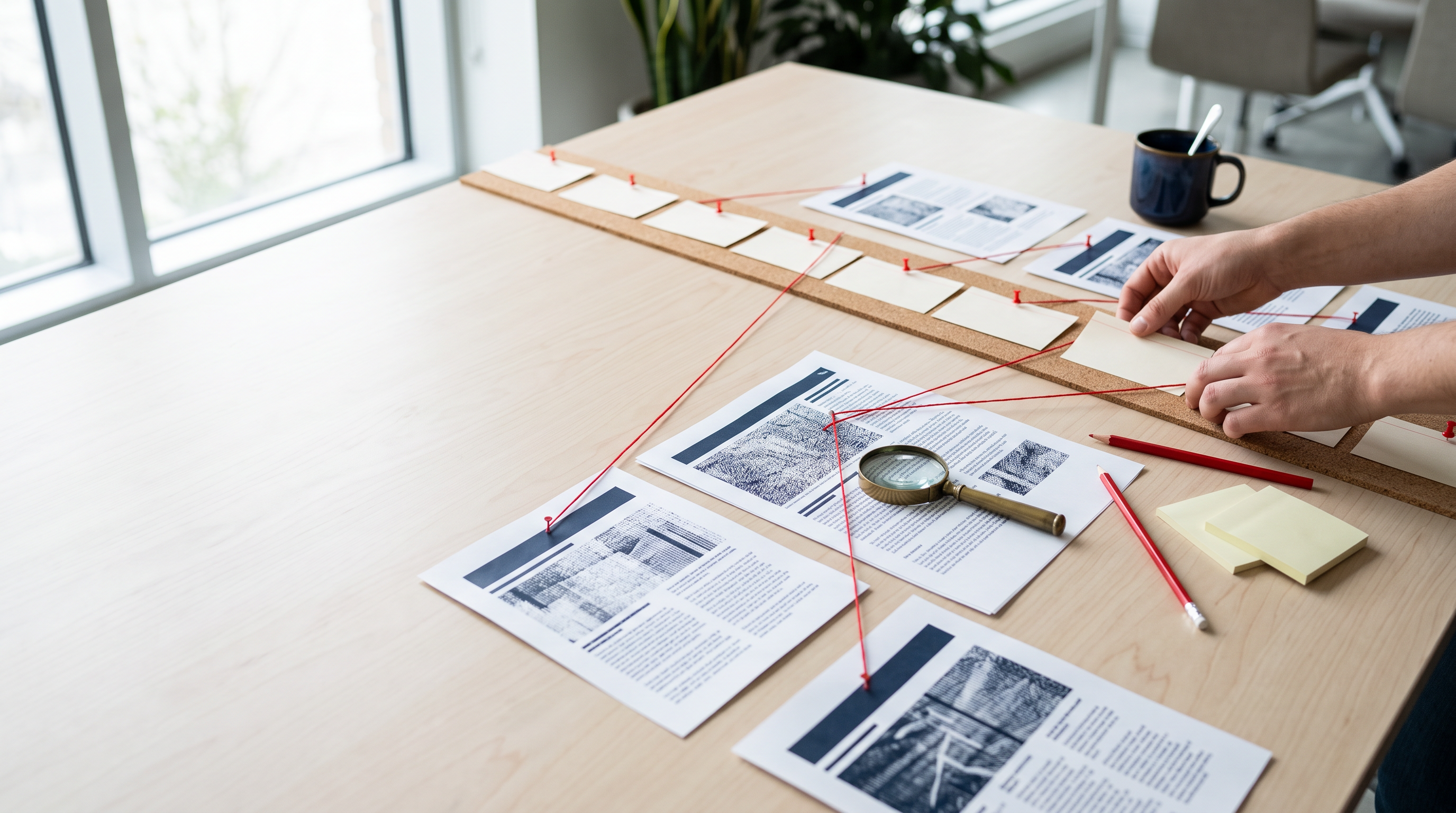
A viral TikTok video or a trending topic can often seem like a random, organic occurrence that no one is really in control of. However, it is the digital marketer's job to engineer and cultivate this kind of online attention, and the process behind it is very particular.
It's a long, complex, and research-heavy project, with weeks or even months of work behind the scenes before a campaign goes live. In this article, we'll highlight the key elements of a high-performance digital campaign and explore how these strategies guarantee success.
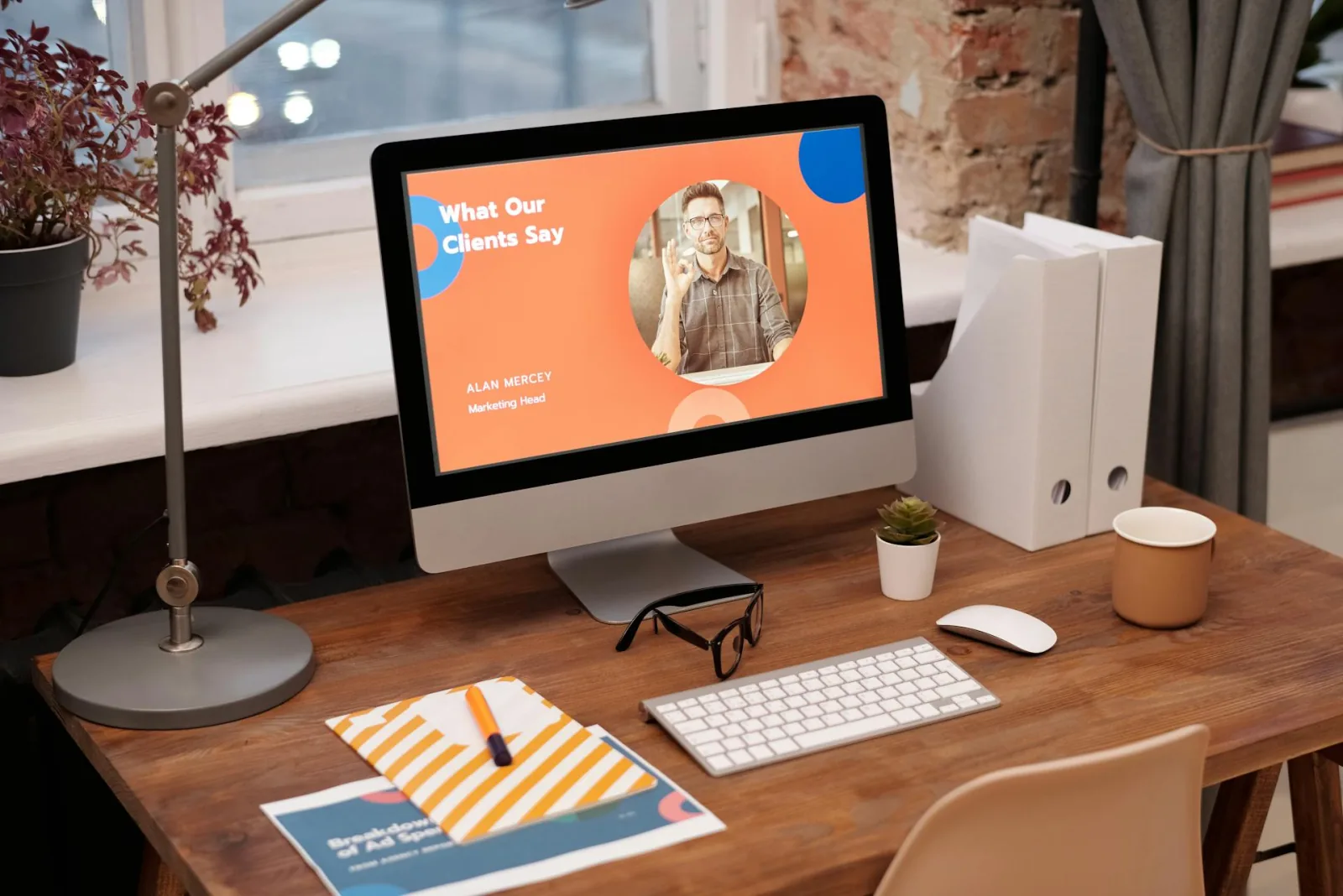
If your visitors can’t find what they need quickly, they’re more likely to leave. Streamline your menus and reduce the number of clicks it takes to reach important pages. Use clear, direct labels and place key navigation items at the top or side of each page. Don’t overload the user with too many options at once. Simple navigation builds user trust and keeps them moving through your site.

In today’s experience-driven economy, few marketing assets rival the power of a trusted athlete. From driving billion-dollar sneaker sales to shifting public perception on social causes, sports ambassadors hold unique cultural weight. Unlike traditional advertising, their influence stems from deep emotional ties with fans—ties built on grit, passion, and performance.
As audiences grow more selective about the brands they trust, companies increasingly rely on athlete partnerships to bridge the gap between visibility and loyalty. This dynamic isn’t new, but it’s more sophisticated than ever. Strategic athlete-brand alignments are now curated by specialized agencies that turn personal narratives into brand equity. This piece explores how these partnerships have evolved—and why they remain a cornerstone of brand growth.

Search behavior is mutating at hyperspeed: nearly 60 % of Google queries in the U.S. and EU now end without a click, as users accept the instant answers served by featured snippets, voice assistants, and AI Overviews.
At the same time, 2025 trend reports predict that “answer engines”—systems built to synthesise and cite authoritative sources on the fly—will define how brands are discovered, trusted, and ultimately chosen.
In this landscape, Answer Engine Optimization (AEO) doesn’t replace classic SEO; it stands on SEO’s technical foundation and extends it with structured, question-centric content that AI can parse instantly. The marketers who master this fusion—harmonising crawlability, schema, and entity authority with concise, conversational answers—will own the next wave of organic visibility, whether or not a click ever occurs.

People don’t read websites the way they read books. They scan, skim, and hunt for what they need. If visitors can’t find information fast, they’ll leave. That’s the reality of web browsing today.
Your website design either helps people absorb information quickly, or it doesn’t. There’s no middle ground. When someone lands on your site, they’re making split-second decisions about whether to stay or go. Research indicates that 75% of visitors judge a company’s credibility solely based on its website design.
The difference between a site that works and one that frustrates comes down to scannability. Smart layout choices and strategic visuals guide visitors’ eyes to what matters most. They make complex information digestible. They turn overwhelming content into clear, actionable insights.
In this piece, we’ll break down how to structure your content so readers get the message fast. Whether it’s breaking up text, using spacing effectively, or choosing the right visuals, small tweaks can make a big difference.
Let’s get into it.
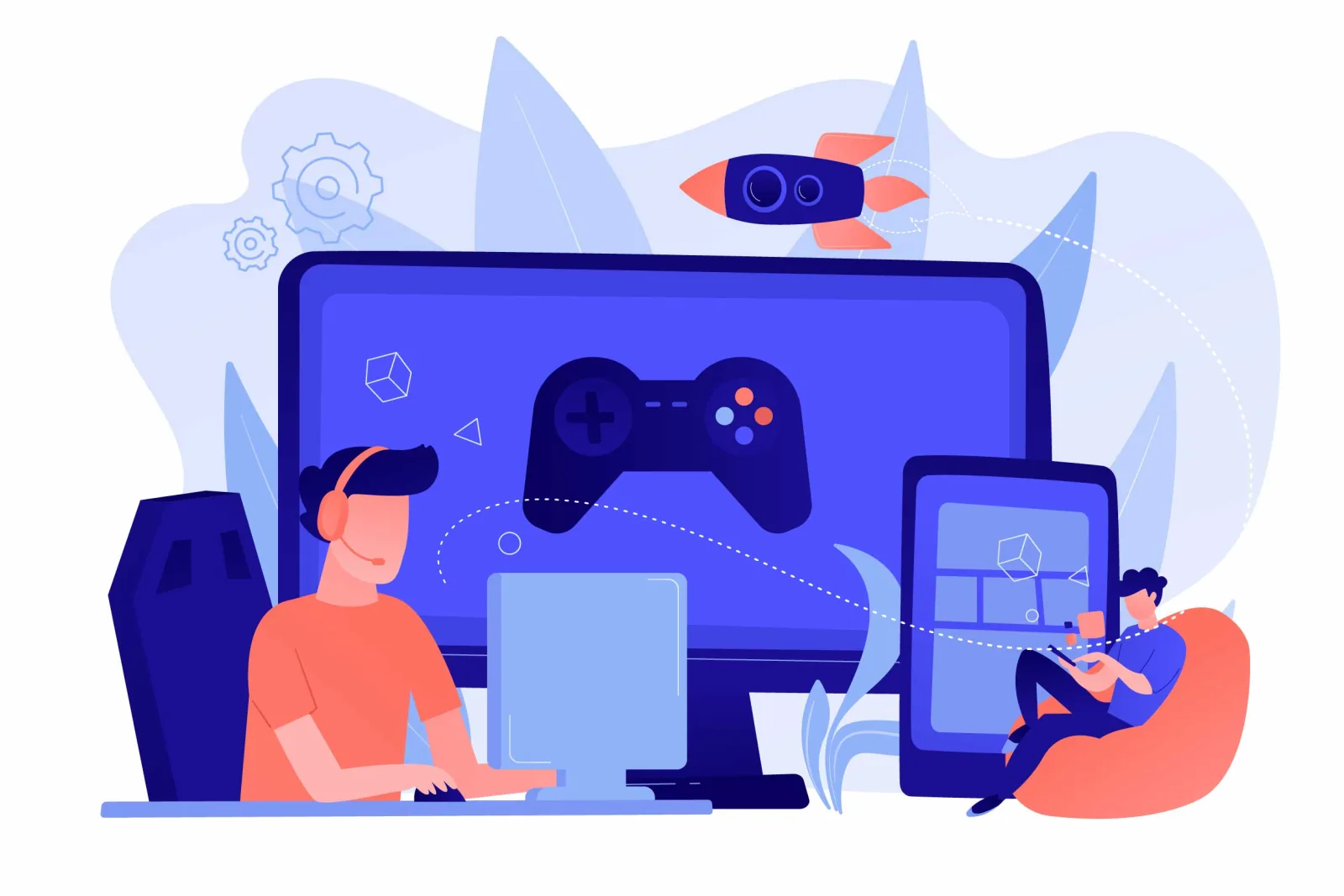
Gaming platforms have mastered the mechanics of brand loyalty. Through structure, reward, and interaction, they build relationships that last. Players engage daily, driven by clear incentives and evolving experiences. Every feature is designed to deepen customer engagement and keep participation high.
This level of loyalty doesn’t happen by accident. It’s the result of deliberate, user-focused systems that respond to behavior and encourage continued involvement. Gaming platforms track progress, highlight achievements, and make users feel part of something bigger.
Brands outside the industry can learn from these strategies. By creating engaging experiences, rewarding consistent interaction, and fostering connection, they can achieve similar loyalty. The blueprint is already working in gaming. The challenge is adapting it for your audience.

For many local businesses, the website is more like an awkward digital brochure than a valuable team member. It's there, but it’s not doing much. Maybe it loads slowly, buries the contact info, or just... sits there. Meanwhile, your competitors are getting clicks, calls, and clients.
Here’s the thing: people are checking out your site before they ever step foot in your shop or give you a call. If it doesn’t give them a reason to stay, you’re leaving money on the table.
A sleek web design and explicit content can turn a so-so site into a real asset for small businesses. This article will guide you through the essentials, from understanding your audience to building trust, so your website can deliver its full potential and help you grow right where you are.

Milestones are more than moments; they're leverage. Whether it's your fifth year, your 500th sale, or your first product launch, these occasions are fertile ground for meaningful marketing. Instead of tossing out a casual "thank you" and moving on, pause. Celebrate loudly. But more importantly, turn that celebration into momentum. People love stories, especially those marked by persistence, change, and growth. Your job? Make sure they remember yours.

Why do some PPC campaigns generate significantly more conversions than others with identical budgets and targeting? The answer isn't better keywords or smarter bidding strategies. It's the seamless marriage between compelling ad copy and exceptional landing page design.
Nearly 5 out of 10 PPC visitors are more likely to purchase than organic visitors, and just over 4 out of 10 clicks go to the first three paid ad positions. This makes the quality of your landing page experience critical for capitalizing on high-intent traffic.
Too many businesses lose substantial PPC traffic due to poor ad-to-landing page alignment. That's like paying for premium billboard space on a highway, then directing drivers to a construction zone instead of your storefront.
The stakes are particularly high considering that cost-per-click continues to rise across industries. Small and medium-sized businesses typically invest $9,000 to $10,000 annually on PPC ads, and some spend up to $120,000 per year, so every wasted click represents real money down the drain. Getting the design-ad relationship right isn't just about better conversion rates—it's about survival in an increasingly competitive digital advertising landscape.

Scroll through a newsfeed and you’ll notice a pattern: the eye captures the page in one sweep, then drills down. The entire block of text is judged for coherence before any single word receives attention. That first sweep is where your credibility is won or lost. A good standard to apply to your writing is to remember that it should form a clear, uncomplicated shape; stray marks—an orphaned clause, a dangling modifier—break the outline and jar the reader out of the flow.
A brand’s voice faces the same challenge. A quick product update from an iOS push notification must feel related to the 40-page report compiled on a Mac. Cohesive signals across channels tell customers they are dealing with one mind, not a committee.

Did you know that a lack of technical expertise is one of the biggest things holding small businesses back? According to PayPal’s 2024 Business of Change report, 59% of small business owners say it’s a major barrier to growth. And it shows, nearly half of Canadian online small businesses haven’t grown at all over the past three years.
But here’s the good news: building technical skills doesn’t have to be overwhelming. Yes, it takes some time and effort, but if it’s the one thing standing between you and growth, isn’t it worth exploring?
One of the simplest and most effective ways to start? Link building for small businesses. It helps drive organic traffic, boost your credibility, and improve visibility without blowing your marketing budget. In this article, we’ll explore how link building services for small businesses support growth and share 10 tactics especially tailored to smaller companies.
Website UX design directly influences web visitors' on-site behavior. It affects bounce rates, time on page, conversion rates, average order value, and even customer loyalty.
Yet, the thing is that targeting specialized niches often involves specific UX challenges. Unlike run-of-the-mill e-commerce and content pages, niche websites require you to go above and beyond in explaining the value of your offer. Plus, it's often crucial that you present your prospects with an enjoyable (and sales-inspiring) browsing experience, especially if your sales cycle runs long.
Fortunately, there are several UX design strategies you can employ to overcome these common UX challenges.
So, if you're looking to design a standout website UX for specialized niches, here's how to do it, along with a few great examples you can take inspiration from.