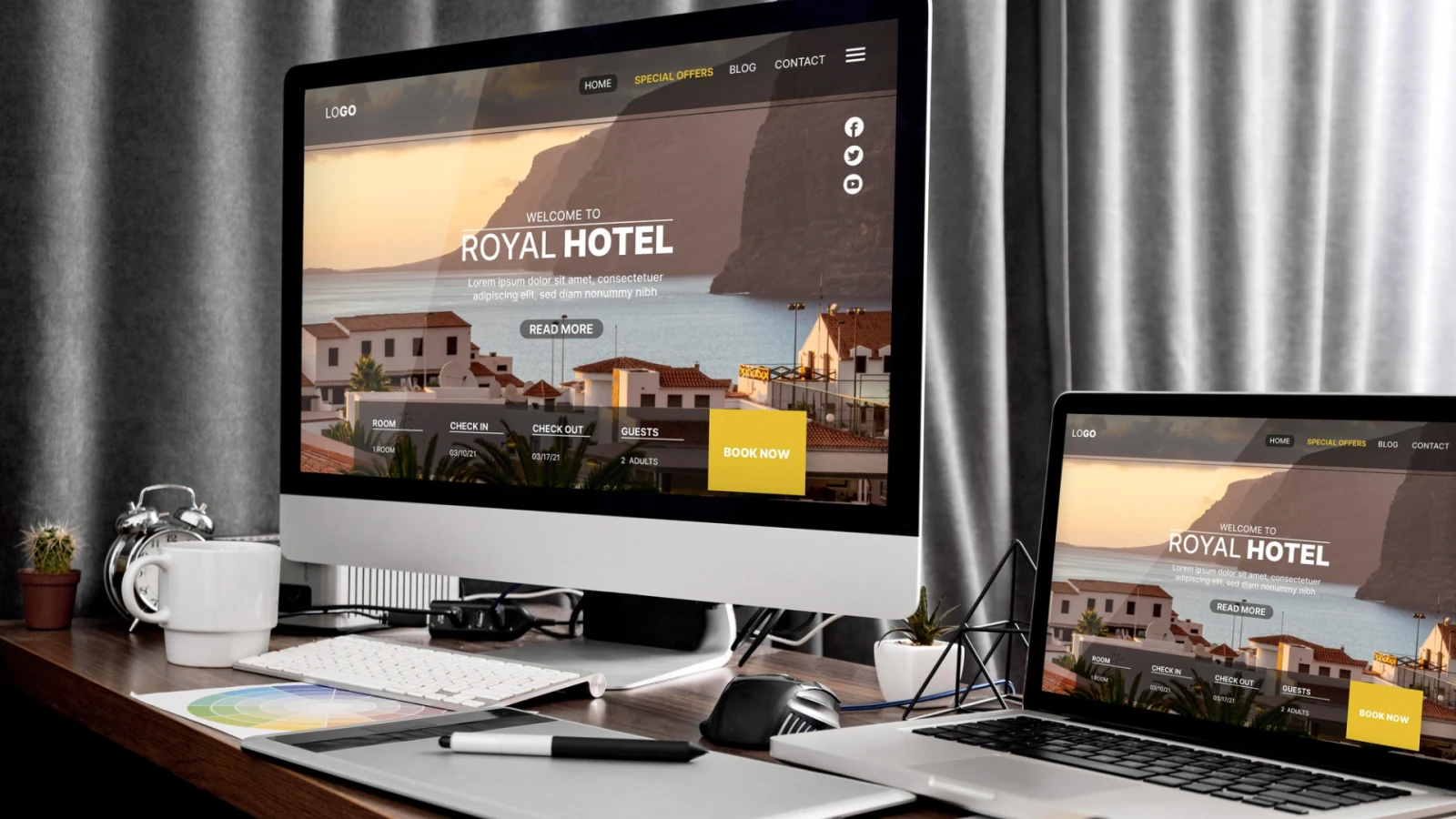
If you can outline a research paper, you can build a high-performing local web page. The difference isn't talent, it's intent.
Local searchers arrive with a job to be done: book a service, compare options, or ask a quick question, so your writing has to earn attention fast and guide the next click without friction.
Let us show you how to turn your hard-won student skills into local SEO copywriting that helps people and satisfies algorithms. You'll learn how to research like a strategist, structure like a UX writer, and polish like an editor so that your page shows up and converts.

Photo by George Milton via Pexels.com
What Local SEO Copywriting Means
In plain terms, local SEO copy is content that proves two things in seconds: what you do and where you do it. It blends clarity, usefulness, and search intent, then wraps that in a page experience that encourages action.
You're not stuffing keywords; you're answering questions in the order a visitor naturally thinks of them. That means your "what" section explains the service, your "why us" section delivers proof, your "where" section aligns with the user's location, and your "how to start" section removes friction.
Done well, local SEO landing page copy becomes a mini sales conversation that's polite, specific, and easy to follow.
Research That Doesn't Take All Night
Start by mapping demand to language. Use autocomplete, People Also Ask, and common sense to gather phrases your audience actually types. This is what local keyword research for copywriters looks like.
Note how people describe pains ("leaky faucet," "same-day AC repair"), then group those phrases into a simple local SEO content template that becomes your outline: opening promise, service overview, benefits, proof, locations served, FAQs, and a clear next step.
We also verified this approach with a seasoned expert, Raymond Miller, at DoMyEssay writing platform; his take was straightforward: mirror the searcher's wording in headings and first sentences, and your page earns trust faster.
Cross-check your outline against the top search results to confirm you've answered the questions people expect and trimmed anything that doesn't serve intent. With the language and structure locked, move into a quick first draft in your own voice, leaving placeholders for internal links and one clear CTA.
The Anatomy of a Page That Ranks and Converts
Use this as your working structure for service page copywriting. It keeps your message tight and your SEO signals obvious without sounding robotic:
- Headline (H1): Service + location in human language.
- Above-the-fold support: One to two short lines that clarify value and show a clear action.
- Service overview + benefits: A brief "what we do" paired with outcomes.
- Social proof: A compact cluster-ratings, certifications, or a mini-story.
- Service areas: Neighborhoods or zip clusters; make them skimmable.
- FAQ: Three to five specific questions sourced from real queries.
- Primary CTA: One action, two contact choices (tap-to-call and a short form).
Keep the voice conversational and the layout scannable.
On-Page Details That Move the Needle
Now you layer in on-page SEO for local pages:
- Write title tags and meta descriptions like invitations: front-load the core service and city, then add one concrete benefit and a verb.
- Make H2s do real work by introducing distinct topics rather than repeating the same phrase.
- Use descriptive alt text that explains each image in everyday language, not wishful keywords.
- Ensure your address and phone match your Google Business Profile, and make your phone link tap-to-call on mobile.
- Check reading ease. Shorter sentences, fewer hedges, and strong verbs always help.

Source: Photo by Alex P via Pexels.com
Internal Links: The Quiet Hero of Findability
Search engines and humans both need signposts. A tidy network of pages connected with internal linking for local SEO helps visitors discover related services, and it helps crawlers understand what matters on your site.
Link contextually from service pages to related city or category pages, and from blogs to services, using descriptive anchors that match user intent ("roof repair in West Asheville" beats "learn more").
If you want a deeper primer on why placement, anchor choice, and crawl paths matter, check out this internal linking guide that explains the strategy in business-friendly terms and shows how to keep the structure logical as you publish more content.
Voice and Clarity
You don't need flourishes; you need momentum. Start each section with a plain-English promise, follow with the most important facts, and close with the next step.
Replace jargon with the language your audience actually uses: if customers say "AC won't start," don't write "HVAC unit fails to initiate." Keep paragraphs focused: one idea, then move on.
If you work with education clients, borrow the tone from school website copywriting: inclusive phrasing, concrete outcomes, and a parent-friendly cadence. That sensibility translates beautifully to local service pages because both audiences want reassurance and directions.
CTAs That Earn the Click
Match your calls to action for local pages to intent. A visitor who's comparing options may want to "See pricing and packages." A hot lead wants to "Call now for same-day service."
Put one clear primary CTA above the fold, echo it midway, and repeat it near the end. Keep button labels short and verb-first.
On mobile, make the phone button obvious and friction-free. Your goal is to reduce uncertainty and make starting feel safe.
Turn Research Into a Draft (Without Stalling Out)
You've got your template and your topics. Now write the first pass.
Open with one clean sentence that confirms service and location; follow with a short paragraph that says who it's for and why it's reliable.
Transition to benefits tied to outcomes, not features ("quieter home," "lower bills," "same-day fix"). Add a compact proof block: one stat, a rating, or a certification.
Name your neighborhoods or zip clusters in natural phrases inside real sentences. Close with a single clear action.
That sequence gives you the bones of local SEO landing page copy that can be reused across services or locations without feeling cookie-cutter.
The Student Editor's Loop (Fast, Focused, Repeatable)
When your draft is done, put on your editor hat. Read it aloud to catch an awkward rhythm. Trim weak openers and replace filler with specifics. Swap passive constructions for active voice where meaning doesn't change.
Confirm that your strongest keyword appears early in the opening section, then let synonyms and related terms carry the rest. Make sure your internal linking for local SEO points somewhere useful and descriptive.
Lastly, test your meta: does the title feel like a promise, and does the description make a clear case for the click?
Page Experience: Don't Let UX Sabotage Good Writing
Great copy can't fix slow, confusing pages. Keep images compressed and relevant to the service outcome, not stock-photo clichés. Use headings to break cognitive load.
On mobile, avoid long blocks that bury the CTA, and give generous tap targets for forms and phone links.
Consistency matters, too. If your address, phone, or hours appear on the page, make sure they match what's on your profile and in your footer. Stability builds trust, and trust lowers bounce.
Photo by Erik Mclean via Pexels.com
Content for Different Audiences Without Diluting Intent
Local service pages and school pages share a core pattern. Both audiences want reassurance, clarity, and proof in a hurry. Borrow that discipline.
If you're writing for a service area business, think "show me the fix" and "show me you're nearby." If you're writing for an education page, think "show me the outcome" and "show me the path."
The technique is the same: promise, proof, place, and next step. That's why the fundamentals of service page copywriting cross over so well.
Examples That Signal Relevance Instantly
Concise examples help you test tone and intent. Try lines like these inside real paragraphs: "Fast water heater repair in West Asheville with up-front pricing," or "Private school open house: book a campus tour this Friday."
Notice how each example names the service, mentions a location or audience, and pairs it with a helpful promise. That's the spine of local SEO copywriting and the fastest way to reassure a skimming reader that they've landed in the right place.
Working Structure You Can Reuse
Use this repeatable outline when you sit down to build the next page. It keeps your message organized and helps you avoid over-explaining.
- H1 + support: Service and location, then the clearest value line.
- Overview + benefits: One paragraph of what you do, followed by the outcomes it creates.
- Proof block: Ratings, certifications, or a short win that supports your claims.
- Service areas: Name neighborhoods naturally inside sentences.
- FAQ: Tight answers to common questions; link to deeper resources only when helpful.
- Primary CTA: One action, presented consistently throughout.
Polish With Intent
A tight loop prevents perfectionism from stalling you out. Run this after the first draft and again after you add visuals.
- Read it aloud. If you trip, simplify.
- Replace jargon with customer words.
- Turn features into outcomes.
- Confirm title tags and meta descriptions are unique and benefit-led.
- Add one specific proof point to each major claim.
- Ensure internal linking for local SEO is contextual and descriptive.
Final Pre-Publish Checks
Before you hit publish, run this checklist so on-page SEO for local pages stays clean and consistent.
- Your primary phrase appears naturally in the opening section.
- H2s introduce new ideas.
- Images are compressed; Alt text is descriptive, not stuffed.
- Phone numbers are tap-to-call on mobile; address matches your profile.
- At least one helpful internal link points to a related page or contact.
- The primary CTA is visible without scrolling and repeats near the end.
Final Thoughts
Ranking isn't magic; it's a method. Start with research that reflects real questions, follow a simple structure that respects attention, and polish until every line earns its place.
When you combine clear intent with clean presentation, local SEO landing page copy feels effortless to read and simple to act on. Keep your focus on service, place, and proof; add one strong internal link where it helps; and invite the next step with confidence.
Do that consistently, and your pages will not just show up – they'll show off what you do best.
Frequently Asked Questions
Do I Need Separate Pages for Each City or Neighborhood?
Create separate pages only when the service, proof, or value proposition genuinely changes by location. Otherwise, keep one strong page and reference your areas served naturally within sentences. It's better to have one excellent page than five thin ones.
How Much Should I Repeat Keywords?
Far less than you think. Place the strongest phrase early, then focus on synonyms and specifics in the rest of the copy. Overuse reads as spammy to humans and unhelpful to search engines.
Where Do FAQs Belong?
Near the end, just before your last CTA. That way, readers who need extra details find them, and readers who are ready to act don't have to scroll past long blocks of caveats before contacting you.