If you can organize a research paper, you can craft a page that sells. The same muscles – clarity, logic, and ruthless editing – power conversion copywriting. With the only but crucial difference: your reader isn't grading you; they're deciding whether to call, book, enroll, or bounce.
Let's help you translate what you already do well into copy that wins attention and inspires action. We'll prioritize message before makeup, structure before sparkle, and momentum over fluff so that your words pull weight from headline to button tap.
Define the Promise Before the Prose
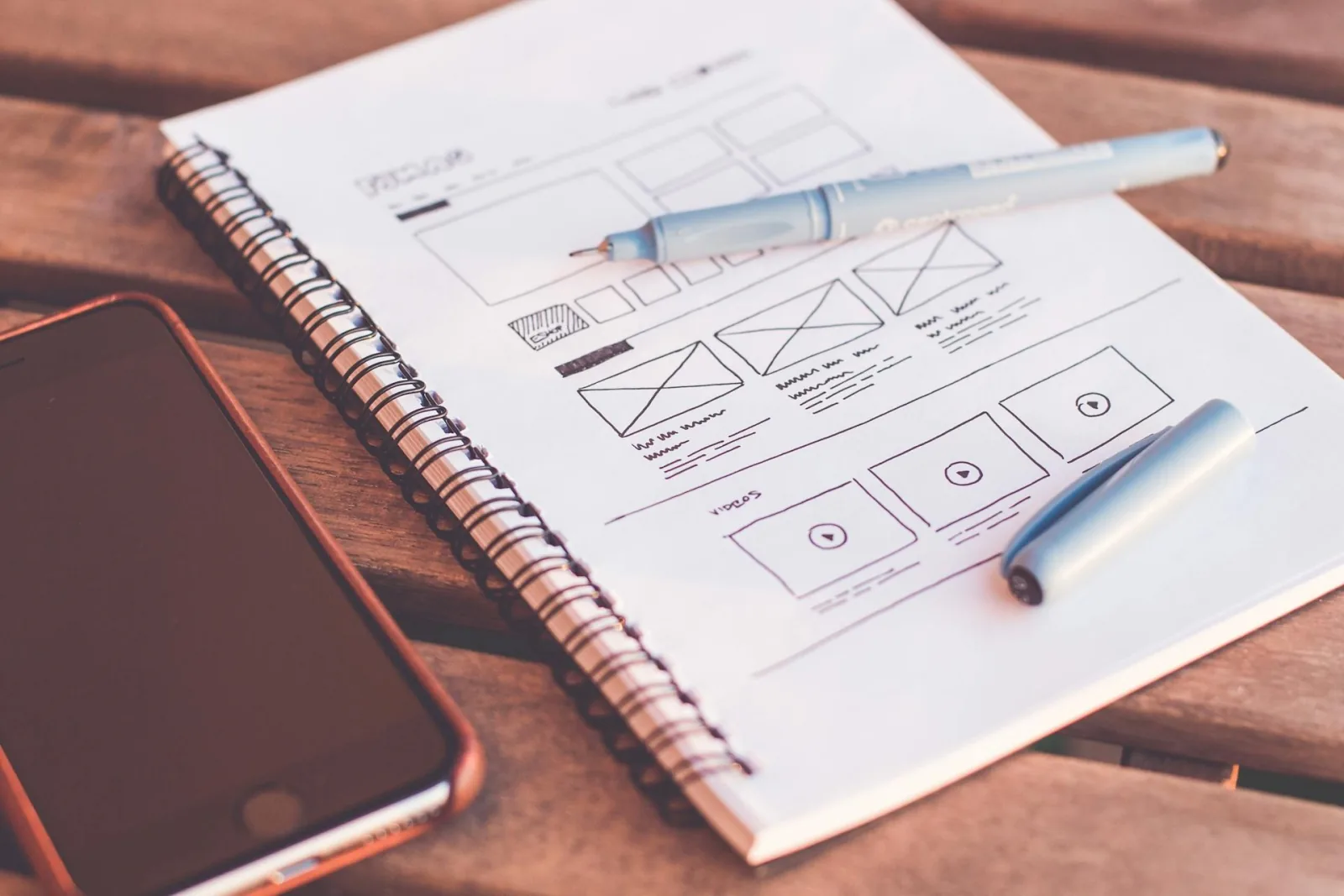
Photo by picjumbo.com from Pexels
A sales page fails when it tries to be everything to everyone. Before you write a single sentence, answer two questions: Who is this for, and what changes after they act?
That answer becomes your value proposition messaging: short, vivid, and outcome-focused. Now, carve a narrow path through the page that shows what you do, who it helps, and why it's safe to choose you.
Skip feature laundry lists. Speak to customer pain points in everyday language: "The AC dies on the hottest day," "Parents need transparent tuition info," "No-shock pricing." Then, name a single transformation the reader can feel today: cool house tonight, campus tour booked in two clicks, honest quote by lunch.
That's the copy clear enough to scan, strong enough to stop the scroll.
Research Like a Student, Convert Like a Pro
Treat discovery like a pre-writing sprint: skim reviews, support emails, and FAQs to surface exact phrases people use before they buy. Those phrases become sticky notes for section headlines and first sentences. You're not chasing jargon; you're mirroring the reader back to themselves.
To pressure-test the outline, we tapped Phil Collins at essayservice.com – an essay writing service – who reminded us that clarity compounds: when headings echo real questions, time-on-page rises, and resistance falls.
Use a check like this to sharpen the structure or tone, then finalize the draft in your brand voice. Keep authorship yours; expert feedback is there to refine the message, not to overwrite it.
Adhere to the Sales Page Structure That Keeps Readers Moving
Think of a sales page as a guided campus tour: you control the route so visitors see the best angles first.
- Headline + subhead (the promise): Say what you do and the change they'll feel.
- Snapshot (who it's for): One tight paragraph that names the audience and context.
- Benefits with proof: Outcomes over features; show the "so what" with tiny receipts.
- How it works: Three to four steps; friction-free and concrete.
- Risk reducer: Guarantees, FAQs, timelines, expectations.
- CTA block: One big button, one alternative path (call/chat).
- Social proof: A caselet, a rating cluster, or a short quote with specifics.
This is the backbone of strong service page copywriting. Customize the order if needed, but keep the spine: promise – relevance – proof – next step.

Photo by Mikhail Nilov from Pexels
Get the First 100 Words Right
Your hero has one job: earn the next 10 seconds. Pair a crisp headline with laser-focused hero section copy that states the transformation in clear language. Add a concise subhead that answers "for whom" and "where," then a primary CTA that matches the reader's likely intent.
If the decision is quick (emergency repairs, appointment booking), place the CTA directly under the promise. If the decision is considered (school admissions, large projects), pair the primary CTA with a light engagement option like "Check availability by zip" or "View program guide."
Keep microcopy short. You're not hiding details; you're staging them so the reader never loses the plot.
Convert Features Into Benefits (and Prove Them)
Readers don't buy features; they buy the outcomes those features create. That's benefit-driven copy 101.
Translate a feature into a feeling and a result: faster repair becomes "sleep in a cool house tonight," transparent pricing becomes "no surprises after the work starts," licensed techs becomes "done right the first time."
Always sanity-check your framing, much like choosing the best website for essay writing when you need structure feedback, it's less about hype and more about clarity that helps people decide.
Then, prove it. This is where social proof copywriting earns its keep. Use specifics: number of years in business, average response time, star ratings with count, or a 100-150-word caselet that shows a before/after.
Precision beats puffery every time: "Fixed a no-cool issue in three hours during last July's heat wave" lands harder than "We're the best."
- "Same-day service" → "Sleep in a cool house tonight."
- "Transparent pricing" → "No surprises after the work starts."
- "Licensed technicians" → "Work done right the first time."
Reduce Friction Early
Objections are decisions trying to happen. Surface them early with calm, transparent language: what timing looks like, how pricing works, what happens if something slips.
Effective objection handling in copy follows a simple pattern: name the common worry, explain the safeguard, and offer a no-pressure next step.
For example: "Not ready to book? See availability and pricing before you decide." This tone keeps momentum while lowering the perceived risk of taking action.
Write CTAs That Earn Clicks (and Respect)
Buttons don't convert; clarity does. Write CTAs in the voice of the outcome: "Book a campus tour," "Get a same-day estimate," "Check availability in your zip."
Match the button to intent: hot leads get "Call now," explorers get "See pricing & packages," researchers get "Download comparison guide."
For a quick refresher on the call to action best practices, check out this concise CTA best practices guide that breaks down action language, contrast, and placement with examples you can adapt to service pages and school sites.

Make the Middle Irresistibly Readable
The most expensive real estate on your page is the middle – the no-man's-land where curiosity can die and bounce rates spike. Keep momentum with connective tissue: short transitions that answer "what next?" and "so what?"
Use subheads as promises. Replace hedge words ("might," "somewhat," "fairly") with confident, accurate verbs.
This is also where value proposition messaging gets legs: echo the core value (speed, certainty, convenience, care) without repeating the exact same phrase.
Keep paragraphs tight, sentences varied, and examples specific. The tone should feel like the best TA you ever had: direct, kind, and impossible to misunderstand.
Add Micro-Proofs That Do the Heavy Lifting
Not every proof needs a graph. Sprinkle tiny, credible "receipts" where hesitation naturally appears:
- A one-line testimonial with a hard detail ("Arrived at 9:12, fixed by 10:05")
- A metric that matters ("Average response time: two hours last month")
- A policy line that calms nerves ("No weekend upcharge")
Seed these at section ends and just before buttons. Proof accelerates decisions when it answers the exact doubt blocking the click.
Make the Edit Pass That Elevates Everything
Your first draft gets the bones right; the edit turns bones into a body that moves.
Read aloud. Cut filler. Swap passive for active when the meaning stays true. Replace clichés with specifics.
Check that the first lines of each section echo what your reader is thinking at that exact moment. Make sure at least one benefit sits near every button. Confirm that your value proposition messagingshows up in slightly different words across the page to avoid repetition fatigue.
If you feel stuck, revisit your sales page structure and reorder sections so the proof appears earlier for impatient readers.
Quick Edit Checklist (Pin This):
- Read for rhythm; shorten any sentence that snags.
- Remove jargon; keep the customer's words.
- Pair each feature with a clear outcome.
- Place a tiny proof near each major claim.
- Align each CTA with the likely intent in that section.
Tailor the Page Both to Scanners and to Readers
Some visitors skim; some study. Craft for both. For scanners, make subheads scannable summaries, not teasers. For readers, set the rhythm: short paragraph, medium paragraph, one-liner.
When you layer this rhythm over the sales page structure above, the whole experience feels easier.
Publish Faster With a Mini Framework
Here's an efficient path from blank page to publish:
- Draft three versions of your headline and subhead, then keep one.
- Write a tight audience snapshot and delete anything vague.
- List five outcomes, then keep the top three and push them higher on the page.
- Add one metric, one quote, and one short caselet for proof.
- Explain how it works in three crisp steps and place your most common objections right after.
- Choose one primary action and one soft alternative, and repeat the primary CTA at logical breaks – once after the hero, once near the end.
Measure These After You Publish
Track the basics that tie directly to decisions: button clicks, form starts, calls, and scroll depth to your key proof block.
Watch especially for drop-offs between your hero and first proof: if people bail there, either your promise isn't aligned with the audience's most urgent need or your call to action best practices need a revisit.
Iterate headlines and subheads first; then test button language. Treat analytics seriously: you're learning how your words land so you can make them land better.
Spit Out the Draft, Then Sharpen the Edges
You don't need magic words; you need a clear promise, a humane structure, and copy that respects what your reader is trying to solve today.
Start with the bones of your sales page, fill them with benefit-driven copy that speaks to customer pain points, and calm hesitation with honest objection handling.
Add proof where doubt blooms, apply call to action best practices without cleverness for its own sake, and let your voice do what it's always done best – help people make a smart decision with confidence.
Publish, measure, refine. That's how student writers become the quiet force behind pages that actually convert.