If you've talked to any advertising rep lately, you've probably heard the pitch for geofencing. Draw a virtual fence around your competitor's location. Serve ads to everyone who walks inside. Watch the customers roll in. It sounds almost too good to be true. And depending on your business, it might be.
Geofencing can be a powerful tool for the right business. But for others, it's an expensive way to generate impressions that never turn into customers. The difference comes down to one thing: how your customers actually make buying decisions.

Written By: Adam Bennett | January 21, 2026
Adam is the president and founder of Cube Creative Design and specializes in private school marketing. Since starting the business in 2005, he has created individual relationships with clients in Western North Carolina and across the United States. He places great value on the needs, expectations, and goals of the client.
Getting your home service business website online is like installing a brand-new HVAC system in your house. Sure, it's great to have it up and running, but if you're not monitoring it regularly, you won't know there's a problem until you're sweating through a July heatwave or shivering in January. And by then? The damage is already done.
Your website isn't just a digital business card anymore; it's your 24/7 salesperson, your first impression, and often the deciding factor between you and your competitor. But here's the uncomfortable truth: most contractors don't realize that your website could be costing you thousands of dollars in lost revenue right now, and they might not even know it.
Research from Gartner (as reported by Atlassian) shows that website downtime costs businesses an average of $5,600 per minute. Think that's just for the big players? Think again. For small businesses specifically, the financial hit ranges from $137 to $427 per minute. That's like leaving your truck running with the keys in it, doors unlocked, in the middle of a busy parking lot while you grab lunch.
In this guide, we're going to break down why monitoring your website isn't just important—it's essential. We'll cover what you need to watch, how to watch it, and most importantly, how protecting your digital storefront protects your bottom line.

Written By: Chad J. Treadway | December 29, 2025
Chad is a Partner and our Chief Smarketing Officer. He will help you survey your small business needs, educating you on your options before suggesting any solution. Chad is passionate about rural marketing in the United States and North Carolina. He also has several certifications through HubSpot to better assist you with your internet and inbound marketing.

According to Wix, 89% of businesses use video as a core marketing tool in 2025. By 2029, the global YouTube user base will reach1.2 billion, according to Statista. That's a lot of potential customers you're not reaching if you're not on the platform. If you're running a home service business and haven't figured out your video strategy yet, you're not just behind the curve; you're watching potential customers scroll past your competitors' video content while your text-heavy website collects digital dust.
But here's where it gets interesting: choosing a video hosting platform isn't like picking a new drill. Get it wrong, and you're not just out a few hundred bucks. You're hemorrhaging leads, wasting time uploading content to the wrong place, and potentially sending your hard-won website traffic straight to your competitors.
The good news? The decision is simpler than the marketing blogs make it sound. It really comes down to one critical question: Do you want to rent someone else's audience or own your viewer experience?
Let's cut through the feature-list nonsense and figure out which platform actually helps you book more jobs.
Written By: Adam Bennett | December 22, 2025
Adam is the president and founder of Cube Creative Design and specializes in private school marketing. Since starting the business in 2005, he has created individual relationships with clients in Western North Carolina and across the United States. He places great value on the needs, expectations, and goals of the client.
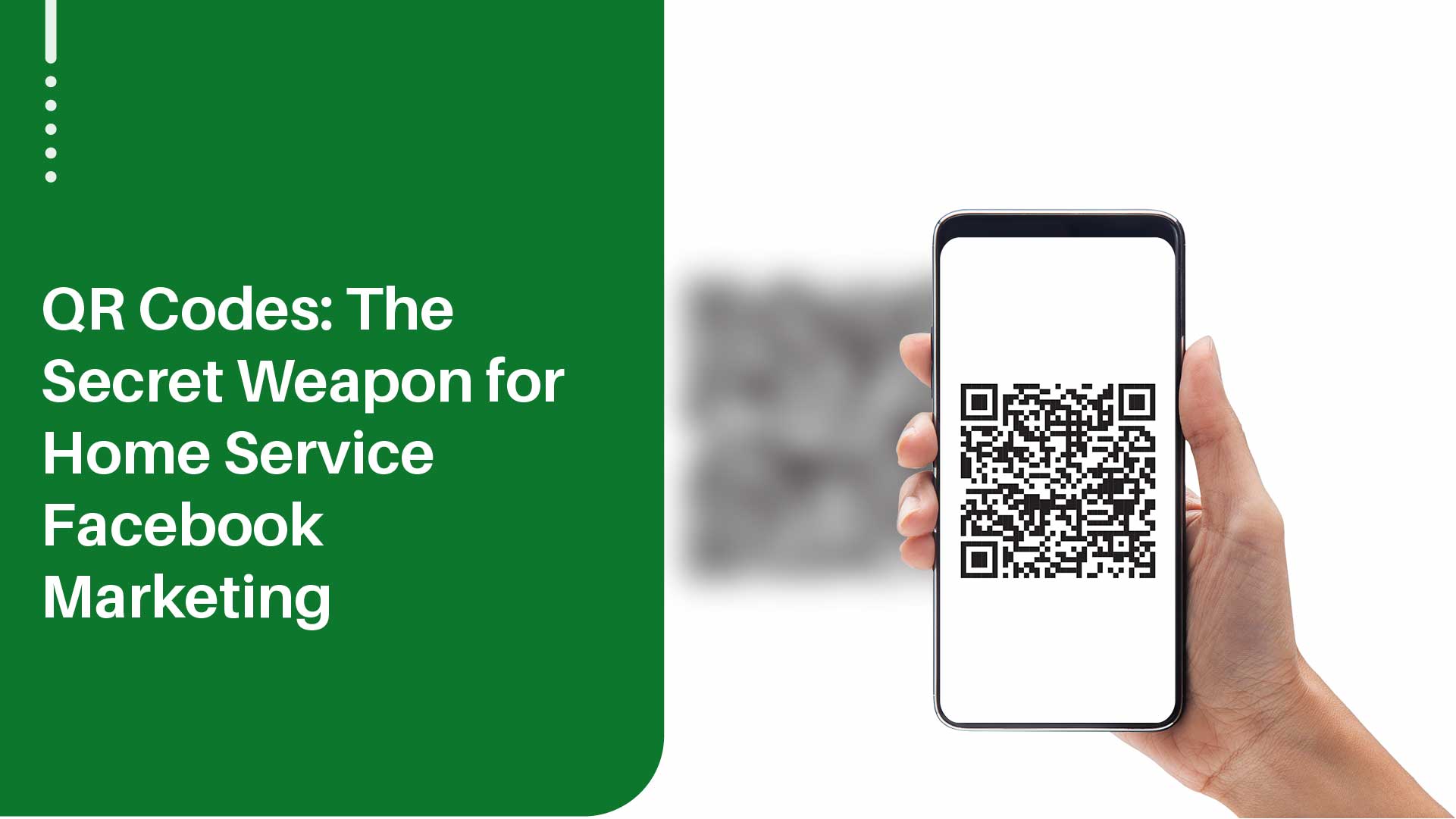
You just finished a great job. The customer is happy, you shake hands, and they promise to leave a review. Three weeks later? Nothing. They forgot your business name, can't find your Facebook page, and you've lost a golden opportunity to turn one satisfied customer into dozens of new leads.
Here's the reality: Your best marketing asset isn't your truck wrap or your business cards. It's the physical moment when a customer is standing right in front of you, already impressed with your work. And if you're not capturing that moment and turning it into a digital connection, you're leaving serious money on the table.
Facebook isn't just another social platform. While competitors specialize—Instagram for photos, TikTok for short videos, LinkedIn for professional networking—Facebook remains the all-in-one hub where you can showcase your work, share customer testimonials, run ads, manage groups, sell services, and answer questions. For home service businesses, that versatility translates to one place where your entire customer journey can unfold.
QR codes aren't just some trendy tech gimmick. They're the bridge between your physical presence and your digital community. And the numbers back it up: QR code usage has exploded by 323% from 2021 to 2024. The United States now accounts for 43.9% of all QR code scans worldwide in 2023.
Traditional advertising is a monologue—you broadcast your message and hope someone's listening. QR codes transform that monologue into a conversation. When someone scans your code, they're not just receiving information; they're actively choosing to engage with your brand. That shift from one-way communication to two-way interaction fundamentally changes the relationship dynamic and dramatically increases the likelihood of conversion.
This isn't about keeping up with technology. It's about capturing every opportunity to grow your Facebook following, build a retargetable audience, and actually measure which marketing channels are working. Let's break down exactly how to make this happen.

Written By: Hannah Kilpatrick | December 15, 2025
Hannah Kilpatrick Cube Creative DesignHannah Kilpatrick graduated from Western Carolina University in 2021 with a Bachelor of Science in Communication with a Minor in Marketing and a Concentration in Public Relations. She has been around social media since its creation. (Meaning, she was in the first grade when Facebook became available to the general public.) As our very own professional Gen-Z, Hannah is a whiz when it comes to social media creation and paid advertising.