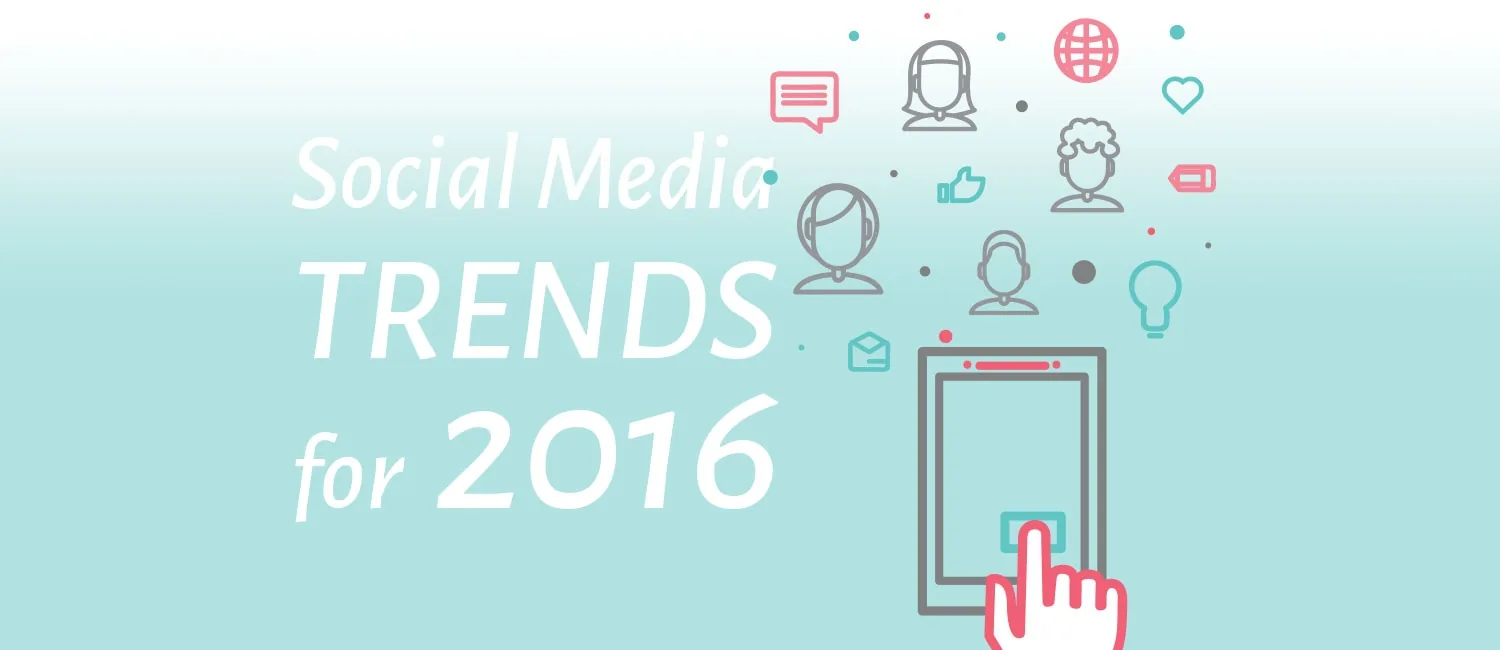
As we approach the midpoint of 2016, it has become quite clear that social media are a viable marketing platform for business. As we discussed earlier, social media shouldn’t take the place of a well-designed website. However social media can be a great way to interact with customers and build brand loyalty.
So what are some social media trends in 2016? How can you take advantage of social media trends for your business?

Facebook, Twitter, SnapChat, Vine, YouTube, LinkedIn, Google+, FourSquare, Yelp, Gryzzl (OK, that one is fictional): there is always something new to remember. It may seem easier to avoid jumping on the train and instead take a nap in the train station. Or it may be tempting to use these free social platforms to market your business and neglect a proper website.
As endless as the platforms may seem, there is a good middle ground to successfully market your small business online. You just have to view social media platforms as what they are: a marketing tool to reach out to potential and current customers and bring them to your business.
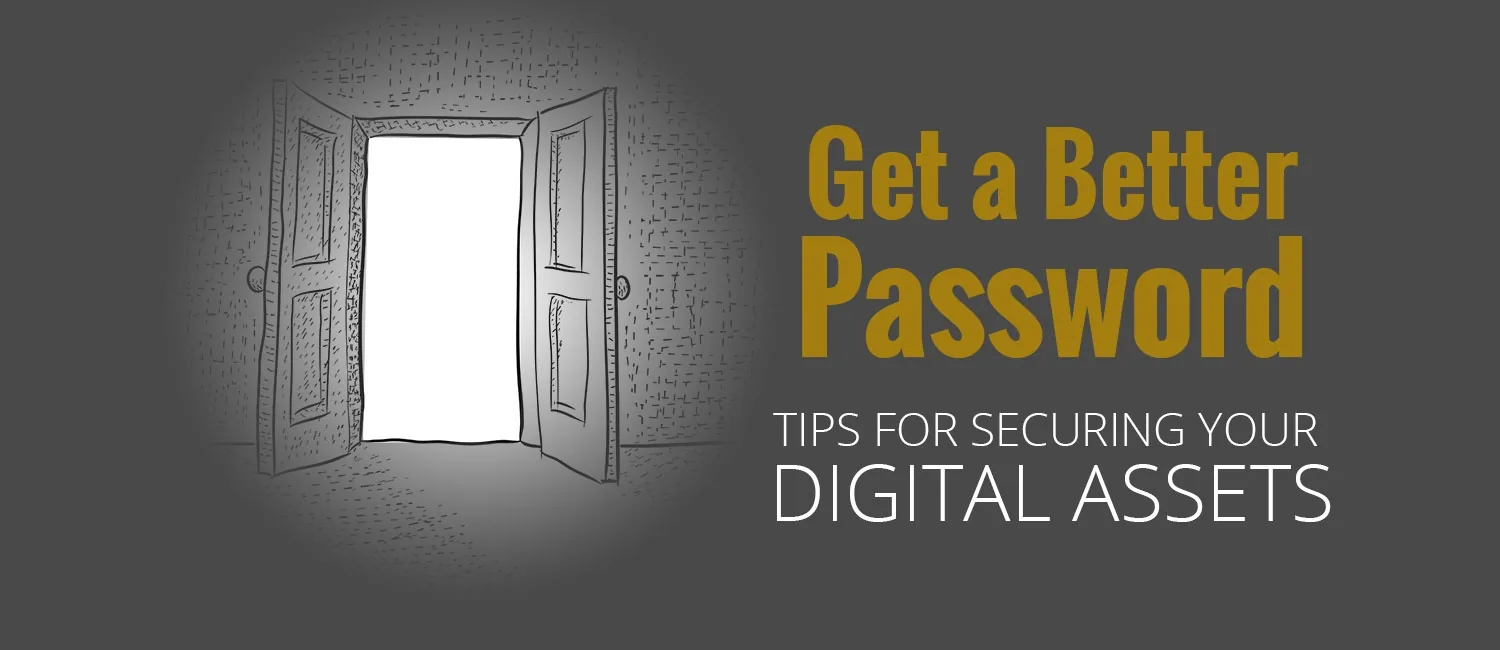
Last summer I went on vacation and wanted to secure the house in my absence. To do this, I got a sticky note and wrote “do not enter” and stuck it on my front door. Satisfied with all of my assets being properly secured, I left for a week out of state. When I returned I couldn’t figure out why my house had been ransacked. They even took my peanut butter!
Does that story sound completely ridiculous? Likely. Are you doing the exact same thing when you pick an insanely easy-to-crack password? You bet.
Who doesn’t have a Gmail account? Google’s popular email service is no longer only for personal email. The folks at Google offer Google Apps, which gives you all the features of Gmail, but with your own domain name.
Huh? So imagine I have a pet sitting service called See Spot Sit, and I use a Gmail account to handle all communications for this pet sitting service business. Perhaps the email is something like SeeSpotSit@gmail.com. My business picks up and I now have a super awesome website, SeeSpotSit.com. I want to look really legit, and I hear that using email from my domain name can help me gain that legitimacy. Adding email through my web site hosting service can be, frankly, ghetto. Email services are typically an afterthought for many web hosting companies. So I sign up for Google Apps for Business. Now I can have email accounts like YoDawg@SeeSpotSit.com or LeashLover@SeeSpotSit.com, and they all run with the same gears and cogs that power Gmail.
Perhaps the most important piece of real estate you can own is your domain name. It is the address at which every potential customer will find you, and it can have huge implications on your marketing strategy.
If you’re going to spend the money to brand your business – and yes, you should spend the money to brand your business – it seems logical that you could then use that branding across different media platforms, right?
Right! However there are some caveats to consider. When done well, cross-platform branding can make your business look and perform well. Done inappropriately, it can cripple your business potential.
Let’s start at the beginning. Your business brand, according to Entrepreneur, is your promise to your customer. It conveys what can be expected and how your business is different than others. It isn’t just a logo or a color scheme. It is your business “voice,” from the tone of written communication to visual images.
Here are five tips to successfully translating your print brand to an online brand.
The internet is a relatively new contraption in technology terms. It has really only been popular with the masses for around 20 years. As any teenager will tell you, being cool 10-20 years ago, or even 3-4 years ago, does not translate to today’s sense of cool.
Right now you’re probably thinking one of two things: “Who cares? I don’t need to be trendy.” Or “I want to be trendy but I don’t want to reinvent my website every 2 years!”
If you aren’t ready for a full overhaul of your website, perhaps consider updating some telltale signs of age:
New website? Check! Great marketing plan? Check! Random stock images or images pulled from other sites without permission? Mayday!
You’ve got a brand, right? Sure you do! If you own a business, you have a brand – and a reputation – whether you intended to or not. Traditional business relies heavily on reputation: customer reviews, word-of-mouth advertising, Better Business Bureau and local Chamber of Commerce ratings.
So if I’ve got my hands full managing my business reputation, why should I put thought into my online reputation? Much like SEO, your online reputation can drive sales and traffic to your business.
It is quite the buzzword lately, and you either “have it” or you don’t. Not having it can be detrimental to your online presence and nullify any investments you put into your website.
Yes, we speak of Search Engine Optimization, commonly referred to as SEO.
SEO is the practice of making your website appear the most relevant to folks looking to find you online. There are many tips and tricks to boost your website’s rankings on Google and other search engines, and SEO companies make a pretty penny selling their magic beans to unsuspecting businesses just looking to get to the top of those page rankings.
The good news? SEO is relatively simple, and Cube Creative can set you up with a well-designed and well-optimized website. The bad news? Google is stepping up its game.