
A good-looking website is nice. A high-converting website makes you money.
Have you ever wondered if design actually affects your bottom line? The connection between web design and revenue can seem abstract until you start tracking what visitors actually do on your site.
Here's what matters: Thoughtful design doesn't just make things prettier; It gets people to buy, sign up, then come back.
This page tackles what you need to know about web design's return on investment (ROI). Whether you run a K-12 private school or offer a pest control service, find out how this could impact your revenue. More importantly, learn how to calculate and demonstrate ROI for your small business.
Read on.
Understanding ROI in Web Design
In business, it's crucial to have an ROI measurement guide, whether for marketing or web design. This lets you see if the strategies you're investing in are paying off. The goal here is to earn more than you spend!
Web design ROI comes down to basic math driven by human behavior. You spend money on design improvements and expect financial returns. The formula is simple:
| ROI = (Incremental profit from design changes − Cost of design changes) ÷ Cost of design changes |
|---|
That "incremental profit" comes from improvements in several areas:
- Conversions (purchases, leads, demo requests, bookings, etc.)
- Conversion rate (percentage of visitors who take your desired actions)
- Average order value and/or lead value
- Customer retention and lifetime value
- Bounce rate and engagement metrics
- Micro-conversions (think newsletter signups, video plays, even items added to cart)
Case in point: For your website redesign, let’s say you're updating your product pages with aesthetic and functionality in mind. Your goal is to make them clearer and easier to navigate, ultimately hoping to gain a boost in conversion. Have a peek at the details below:
| Before the update: | After the update: |
|---|---|
Monthly profit: 40,000 × 2% = 800 sales 800 × $100 = $80,000 revenue $80,000 × 40% = $32,000 profit |
New monthly profit: 40,000 × 2.4% = 960 sales 960 × $100 = $96,000 revenue $96,000 × 40% = $38,400 profit |
ROI Calculation
| Extra profit per month: $38,400 − $32,000 = $6,400 |
|---|
Cost of the redesign: $15,000
ROI calculation:
ROI = (Incremental profit − Cost) ÷ Cost ROI = ($6,400 − $15,000) ÷ $15,000 ROI = –0.57 (after one month)
Key takeaway: A small bump in conversion rate adds up fast. Even modest design changes can pay for themselves within a few months.
Learn from Ryan Beattie, Director of Business Development at UK SARMs. They also invest in web design for their SARM products to increase their conversions. He has developed frameworks that connect design changes to measurable business outcomes.
Beattie says, "Start tracking micro-conversions alongside your primary goals. When you monitor how design changes affect newsletter signups, content downloads, even engagement time, you build a comprehensive picture of ROI beyond simple sales figures. This granular data helps you optimize iteratively and demonstrate value to stakeholders."
Key Design Elements That Boost Conversions
Good design doesn't yell at you. It helps you find what you need.
A few areas make the biggest difference beyond responsive web design. That said, here are the design elements to optimize that could boost your conversions:
- User-centered design and navigation: Lost visitors leave...simple as that. Meanwhile, clear labels, logical organization, focused layouts keep people moving forward. Think of your homepage like airport signage: No fancy words, no confusion, just clear directions for different types of visitors!
- Calls to action (CTAs) that work: Your CTAs need to stand out and tell people exactly what they'll get. "Get a free quote in 2 minutes" beats "Submit" every time. Put them where people are ready to act: Hero sections, product pages, after testimonials. Contrast and spacing matter more than endless debates about button colors.
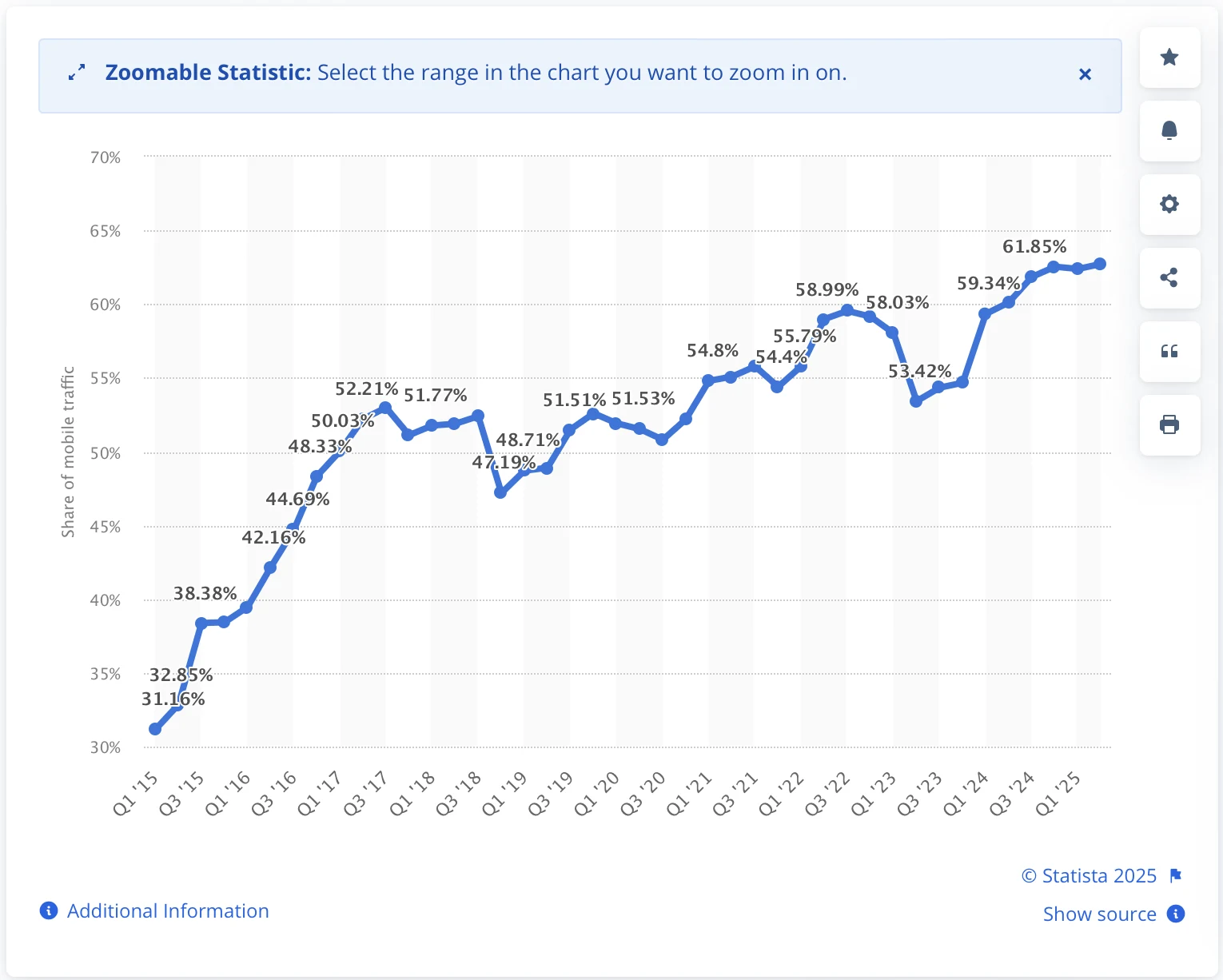
- Mobile-first thinking: Over half of web traffic comes from phones now. In Q2 2025, mobile devices made up over 62% of all global website traffic. If your mobile experience sucks, you're losing customers, so make buttons thumb-sized, load images fast, even design forms not requiring zooming.
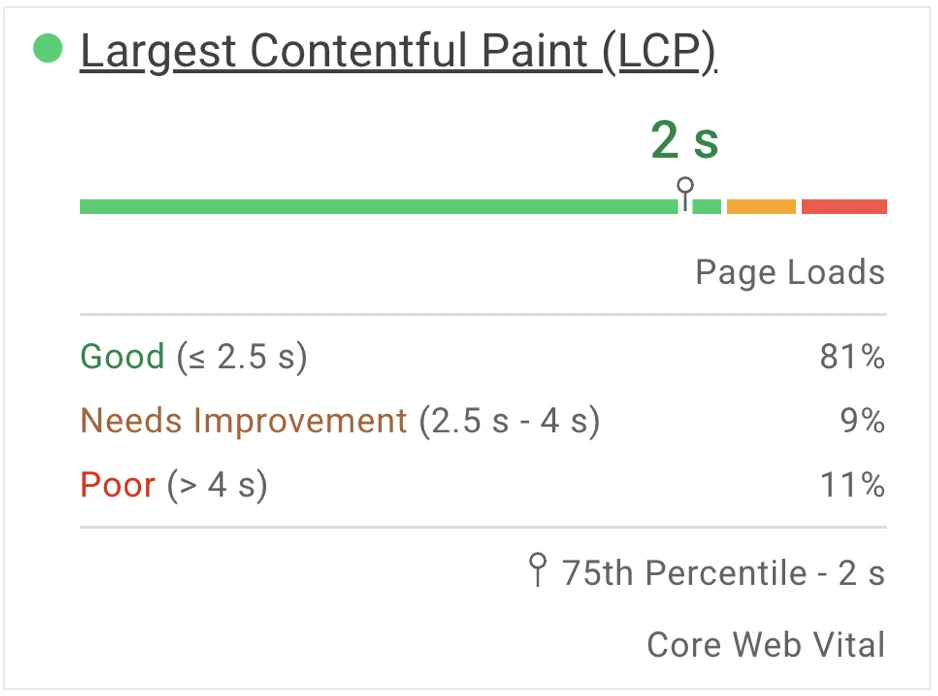
- Speed matters more than you think: Trust me, people feel slow sites almost immediately. In fact, Portent's research shows that pages that load in 1 second convert about 3 times better than those that load in 5 seconds. That's serious money from such tiny improvements!
- Trust signals when people hesitate: Everyone gets nervous before hitting "buy." Good design anticipates this, so show testimonials early, display security badges near payment buttons, highlight guarantees before people start looking for them. Baymard Institute's research shows many sites could boost conversions by 35% just by fixing checkout issues.
Samuel Charmetant, Founder of ArtMajeur by YourArt, advocates for data-driven design decisions informed by user behavior patterns. They keep this in mind when optimizing their art website to connect with art enthusiasts, their target audience.
Charmetant explains with a concrete example, "The placement of trust signals can make or break a conversion. We've found that displaying security badges near checkout buttons and featuring customer testimonials above the fold creates an environment where users feel confident completing their purchase. These seemingly small design choices compound into substantial revenue gains."
How To Calculate and Demonstrate ROI from Web Design
Every dollar invested in UX can return roughly $100, an incredible 9,900% ROI. It's a reminder that even minor improvements in visual appeal and site functionality can create an outsized financial impact.
That said, here's how to turn design improvements into dollar figures:
- Know where you're starting. Track your current traffic, conversion rate, average order value, profit margins, site revenue. Setting KPIs will guide you.
- Make specific changes. Focus on fixing real problems like confusing navigation, slow page load times, weak CTAs, missing trust signals. Document what you change and when.
- Measure what happened. Compare before and after over enough time to see real patterns. Account for seasonal changes when possible. Watch both main goals and smaller actions.
- Do the math. Calculate incremental revenue, multiply by profit margin, subtract design costs, divide by design costs. Voila, that's your ROI!
- Use tracking tools. Consider leveraging some of the tools or platforms below:
- Google Analytics 4, Mixpanel, and Heap for analytics
- Google Tag Manager for tracking setup
- Hotjar or Microsoft Clarity for seeing how people actually use your site
- VWO or Optimizely for A/B tests
- Looker Studio for reporting
- PageSpeed Insights for performance checks
- Present results to bosses or clients. Start with money: Revenue gains and profit increases. Show which changes led to which improvements. Use visuals to compare conversion funnels before and after. Break down results by device type and traffic source. Keep notes on what changed when.
Wang Dong, Founder of Vanswe Fitness, emphasizes the direct relationship between design investments and business outcomes. Having worked on their website promoting fitness equipment, he's seen firsthand how strategic design changes drive revenue growth.
Dong explains, "Every design decision creates a ripple effect through your conversion funnel. When you improve navigation flow or strengthen your CTAs, you're essentially building a more efficient revenue engine. The companies that understand this connection typically see their design investments pay back within six months."
Future Web Design Trends and Their Impact on ROI
The web keeps evolving. It's essential to stay up-to-date on design trends that could impact your ROI. That said, here's what's changing the conversion game in the world of web design:
- AI personalization: Sites that adapt to each visitor based on their behavior or history can feel remarkably helpful. It's like a good salesperson who remembers what you bought last time.
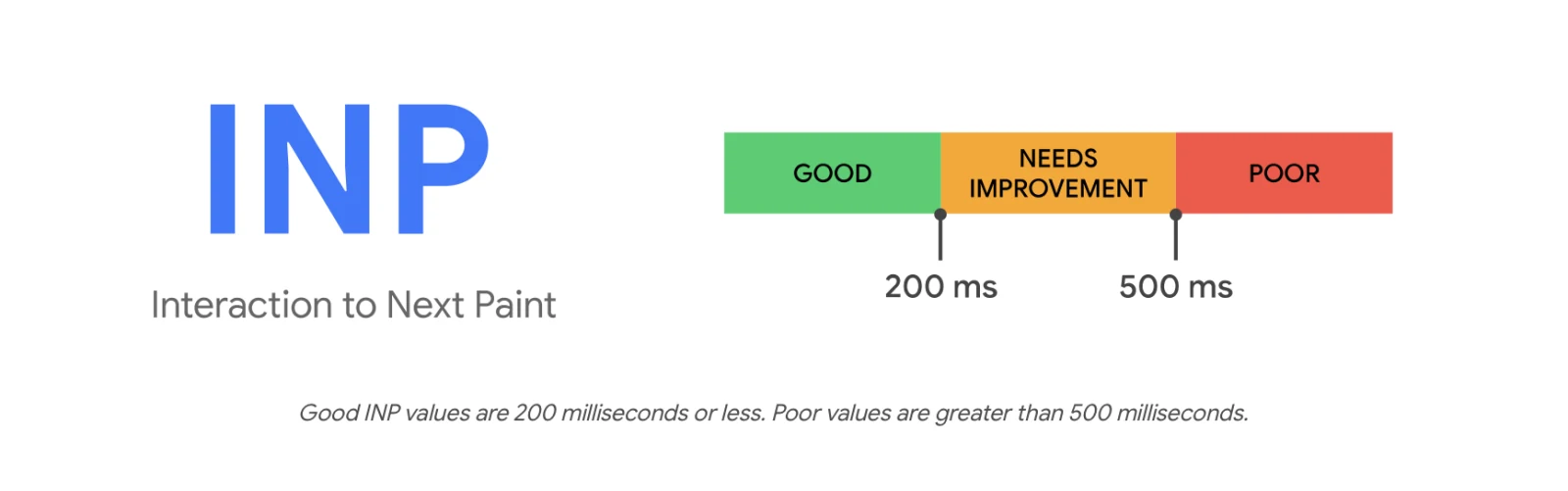
- Performance metrics: Google keeps pushing sites to be faster. In 2024, they swapped First Input Delay for Interaction to Next Paint. This focuses even more on how quickly sites respond to clicks and taps.
- Digital accessibility: Making sites work for everyone isn't just ethical but also profitable. Clear labels, good color contrast, keyboard navigation help all users complete tasks more quickly and easily.
- Visual comfort features: Dark mode reduces eye strain and saves battery on many devices. It won't revolutionize your conversions alone, but it helps people stay engaged during long reads or late-night shopping.
- Privacy-first personalization: With cookies going away, smart sites are getting creative. They ask users directly what they want, then deliver it. Transparency about data use builds trust while enabling personalization.
- Modern tech stacks: Headless and composable architectures sound technical, but they matter for conversions. They make sites faster and easier to improve continuously. If your site feels sluggish or hard to update, the tech foundation might be holding back your conversion rates.
The pattern is clear: Investing in web design pays off when your site is fast and clear, while built on a solid tech foundation. Likewise, using tools like contract management software and AI-powered platforms helps keep those improvements organized and scalable.
When you pair strong design with efficient systems behind the scenes, you reduce friction for both your team and your customers. The result is simple: Smoother operations and better user experiences (UX), ultimately achieving higher ROI over time.
Wrapping Up
High-converting websites don't need to be flashy. They need to help people do what they came to do, without friction or confusion. The results show up in your conversion rates, order values, customer retention, even profits.
Remember: Design directly affects revenue. Each improvement sends ripples through your entire sales funnel. This often pays for itself faster than expected.
If your site feels adequate but unremarkable, you're probably missing opportunities. Start by understanding your visitors. Fix navigation problems. Make everything faster. Write clearer CTAs. Build trust visibly. Track everything. Then, tell the story with numbers.
The fundamentals haven't changed much. Make it easy for people to find what they need and do what they want. Those basics still win, and small improvements add up fast.
If you're looking to convert more, consider Cube Creative's web design service, along with its digital marketing strategies. To speak with an expert, get in touch with them today!