Students do not browse career-focused education websites casually anymore. They visit with a goal, compare options quickly, and often decide within minutes whether a school feels credible. If key information is hard to find, they move on.
Both Gen Z and adult learners are practical and outcome-driven. They want proof of job-readiness, clear costs, and a fast path forward. Career-focused education websites must reflect that mindset from the first scroll.
Information About Clear Career Outcomes
Students want a direct answer to one question: What job can I get after this program? Broad claims about success do not hold attention. Specific job titles, salary ranges, and industry demand data matter far more.
Prospective students increasingly evaluate programs based on return on investment and career outcomes. So, visitors compare websites for proof of employment potential. Missing details create doubt quickly.
When reviewing career outcomes, students look for:
- Specific job titles graduates pursue
- Industry certifications included in training
- Career services and placement support
Websites that demonstrate how their education establishment’s programs align with workforce demand help students see a clear connection between education and employment. Clear outcomes reduce uncertainty and make the next step feel practical.
Transparent Costs and Financial Options
Unclear tuition pages create hesitation immediately. Career-focused learners are budgeting carefully. Transparent pricing signals honesty and professionalism.
Financial transparency strongly influences inquiry rates. Students want to understand the total investment before submitting their information. When pricing feels hidden or complicated, many abandon the process.
Students typically scan for:
- Total tuition cost
- Payment-plan availability
- Financial aid eligibility
Straightforward cost breakdowns help students evaluate whether a program fits their reality. Clarity builds trust and keeps them engaged longer.
Mobile-First Design
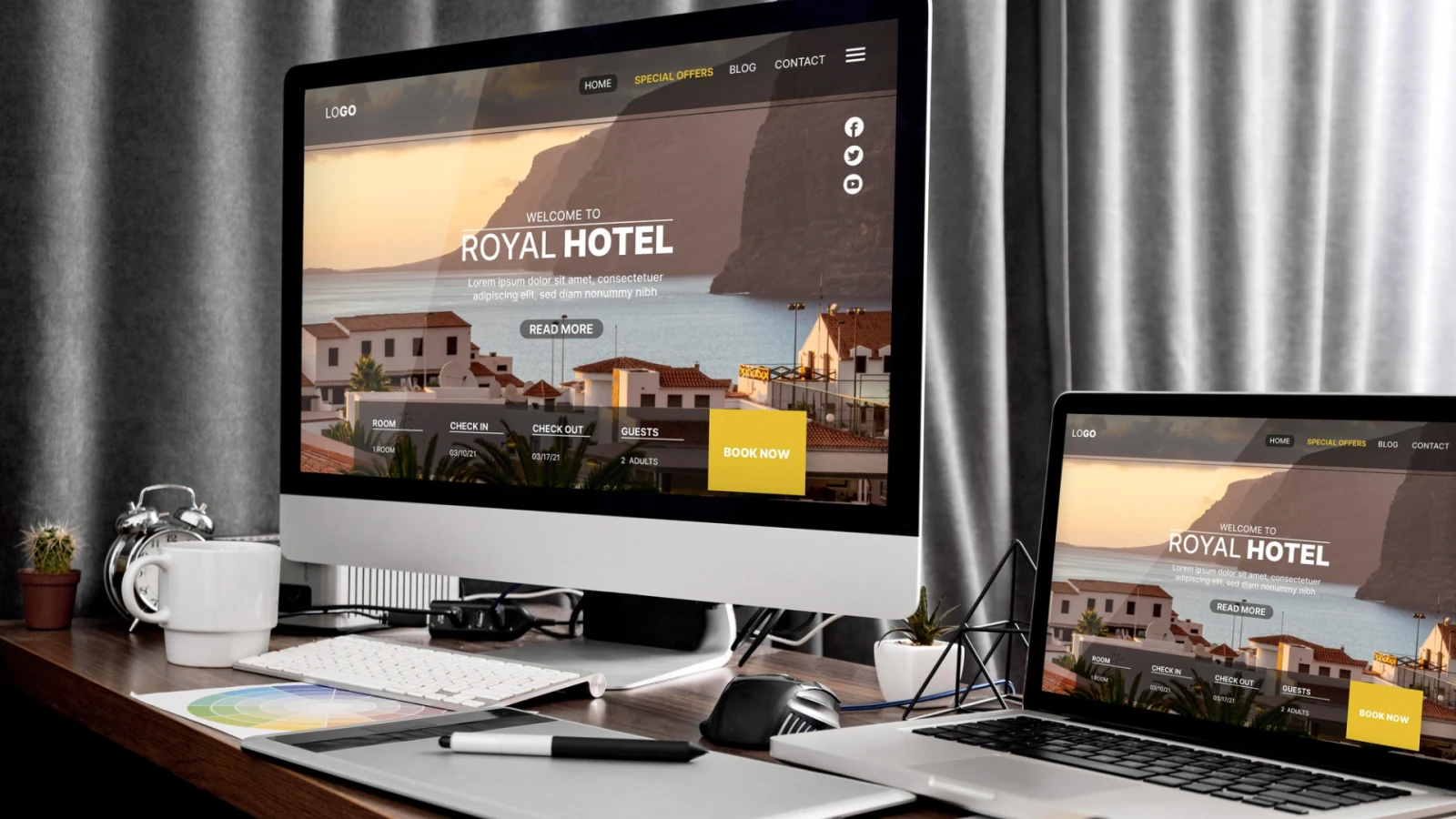
Most prospective students begin their search on a phone. A slow-loading page or cluttered layout can instantly damage credibility. A smooth mobile experience supports quick research and confident decisions.
Insights shared by Primacy emphasize that digital-native students expect seamless, personalized online journeys. Confusing navigation often translates into perceived disorganization. Clean layouts and intuitive menus signal competence.
A strong mobile-first design includes:
- Fast page-load speeds
- Simple, thumb-friendly navigation
- Easy-to-complete inquiry forms
Career-focused students often research during breaks or after long workdays. A streamlined mobile experience respects their time and keeps momentum moving forward.
Real-World Program Details
Students often struggle to judge whether a program truly prepares them for real job environments. Vague descriptions can lead to enrolling in training that lacks practical exposure, leaving graduates unprepared for industry expectations.
This becomes especially important when evaluating hands-on fields like automotive, HVAC, or electrical work, where real-world skills directly impact employability. Without clear insight into tools, lab training, and certification readiness, students risk investing time and money into programs that don’t translate into job readiness.
To avoid this, many students prioritize enrolling in career-ready skilled trades courses that clearly outline practical training, equipment used, and certification pathways Programs that highlight real-world application and structured hands-on learning help bridge the gap between education and employment.
Common details students search for include:
- Weekly class schedules
- Total hands-on training hours
- Licensing or certification preparation
And for those exploring hands-on trade programs., clarity around equipment, up-to-date industry information, and credential preparation matters deeply. Practical learners want assurance that their training reflects real job-site expectations.
Fast Paths to Employment
Time-to-completion plays a major role in decision making. Many students pursuing career-focused education are seeking quick transitions into stable roles. Long timelines can feel discouraging.
Websites that clearly state program duration and start dates reduce uncertainty. Knowing when they can begin and when they can graduate makes planning easier.
Students often look for:
- Program length in months
- Flexible scheduling options
- Multiple start dates throughout the year
Clear timelines help students weigh their options logically. When the path feels efficient and realistic, confidence grows.
Authentic Student Stories
Highly polished marketing language does not resonate like it once did. Students trust real stories from people who were once in their position. Authentic testimonials humanize the experience.
Peers now often influence enrollment decisions. Prospective students seek validation from individuals with similar backgrounds and goals. Honest stories create emotional reassurance.
Students respond strongly to:
- Short video testimonials
- Before-and-after career journeys
- Realistic accounts of challenges and growth
Seeing someone transition from uncertainty to employment makes the outcome feel achievable. Authenticity builds trust faster than polished taglines.
Clear Admissions Process
Complicated admissions steps discourage motivated applicants. Career-focused learners want a straightforward path from inquiry to enrollment. Clear explanations reduce anxiety.
Step-by-step breakdowns of the admissions journey help students understand what happens next. Transparency around required documents and timelines improves confidence.
Students expect to find:
- A simple overview of application steps
- Required documentation listed clearly
- Direct access to admissions advisors
Accessible support reassures students who may not have enrolled in school recently. Clarity removes unnecessary friction from the decision-making process.
Industry Alignment and Employer Connections
Students investing in career-focused education want reassurance that employers value the training. Industry alignment signals that the curriculum reflects current workforce standards.
Websites that mention employer partnerships or advisory-board input show that programs are not built in isolation. Employer collaboration strengthens credibility.
Students commonly search for:
- Employer partnerships
- Advisory-board involvement
- Internship or externship opportunities
Simple Navigation and Clear Calls to Action
Overloaded pages and excessive menu options overwhelm visitors quickly. Career-focused education websites should guide users smoothly toward the next step.
Clean layouts with focused calls to action create clarity. When inquiry buttons are visible and program pages are easy to access, engagement improves.
Students value:
- Direct links to program details
- Prominent request-information buttons
- Easy-to-find contact information
Simplicity communicates organization and professionalism. When navigation feels intuitive, students are more likely to explore further.
Flexible Scheduling Options for Programs
Many career-focused students are not traditional full-time college attendees. They are working parents, career changers, or individuals balancing multiple responsibilities. Flexible scheduling can determine whether enrollment is realistic.
Websites that clearly outline day, evening, or blended schedules immediately stand out. Flexibility signals that the institution understands real-life demands.
Students often look for:
- Evening or weekend class options
- Part-time enrollment paths
- Hybrid or blended-learning formats
Clear scheduling information reduces doubt. When students see options that fit their lives, they are more confident about taking the next step.
Support Services and Student Resources
Support systems matter more than many institutions realize. Career-focused students want to know they will not be navigating training alone. Visible student services reinforce stability.
Websites that highlight tutoring, academic advising, and career coaching feel more supportive. Practical learners value knowing help is available if challenges arise.
Students typically search for:
- Academic advising access
- Tutoring or skills labs
- Resume and interview preparation support
Career-focused education is often intense and fast-paced. Strong support services, clearly outlined on websites, provide reassurance that success is not left to chance.
Accreditation and Credibility Signals
Trust plays a central role in enrollment decisions. Accreditation, licensing approvals, and regulatory compliance reassure cautious students. Visible credibility markers reduce skepticism.
Clear explanations of accreditation status and approvals demonstrate legitimacy. Students want confirmation that their credentials will be recognized by employers.
They often look for:
- Institutional accreditation details
- State licensing approvals
- Recognized certifications
Building Career-Focused Education Websites That Convert
Today’s students approach education as a strategic investment. They analyze career outcomes, compare costs, and evaluate program efficiency before making contact. Career-focused education websites must deliver practical information quickly and clearly.
Every detail, from mobile responsiveness to admissions clarity, contributes to trust. So, if your institution serves career-driven students, review your website through their lens. Make sure things like outcomes, costs, timelines, and next steps are easy to find.
When career-focused education websites remove confusion and highlight real opportunities, prospective students are far more likely to reach out, explore programs, and take the first step toward enrollment.
We hope that this article has been helpful! If it has been, then make sure you explore some of our other informative content.
Photo by Greta Hoffman from Pexels