Search engines are becoming sharper at identifying not only what people are searching for but also where those people are. This shift is pushing local optimization higher on the priority list for anyone trying to connect with nearby audiences. For students working on projects, side hustles, or campus-based startups, local search visibility can shape whether their work gets noticed. From coffee shops near dorms to freelance services marketed online, the tactics of 2025 look different from how they did just a few years ago.
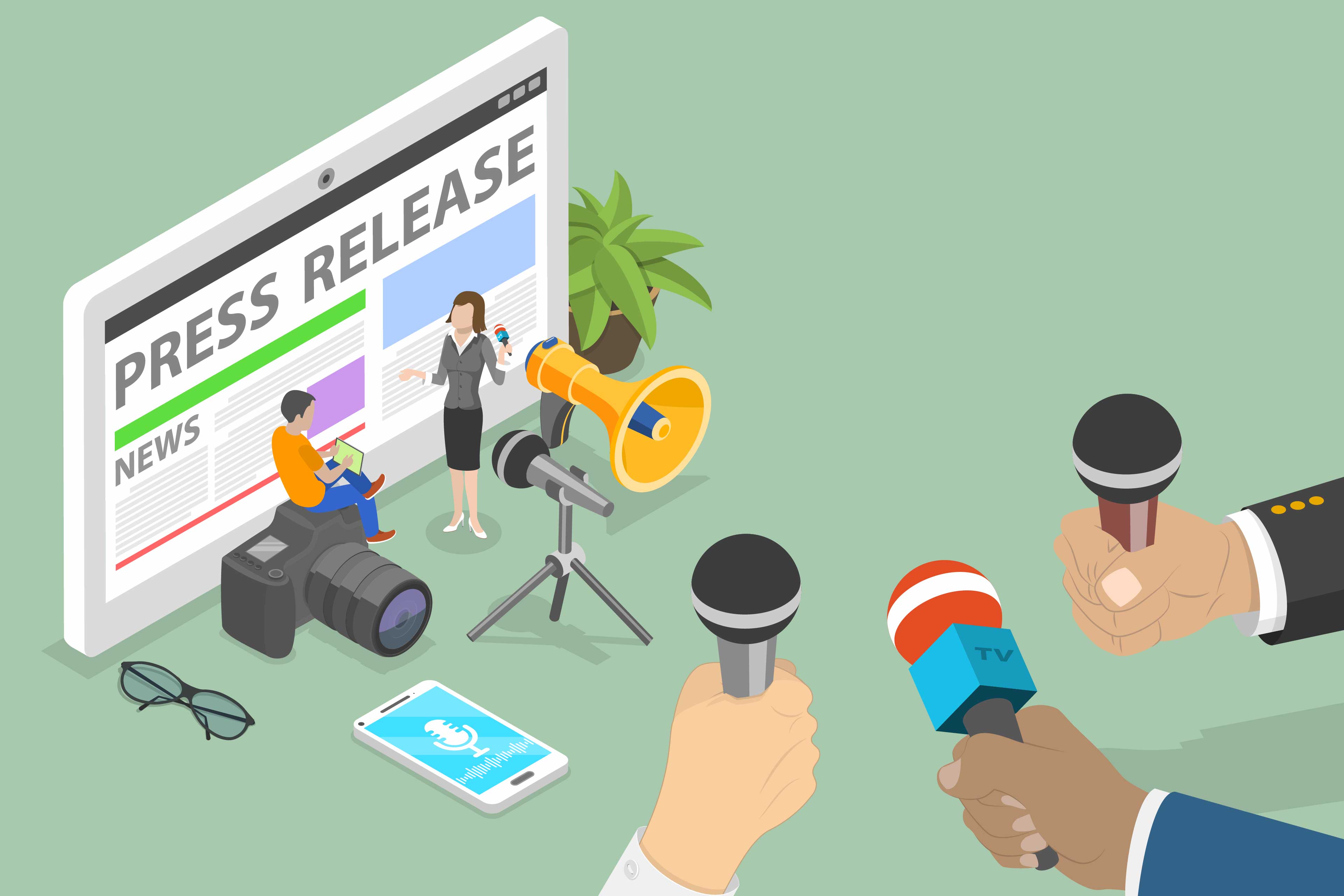
The question of whether press releases still matter might sound outdated in a world where Instagram, TikTok, and X dominate student conversations. Yet, their purpose hasn’t vanished. They remain a structured way to communicate news, especially for student organizations, campus initiatives, or clubs trying to reach a wider audience.
When students search for reliable ways to package information, they often rely on blogs, social feeds, and even academic resources. For some, the phrase paper writing website comes up in these searches as part of their toolkit for presenting information clearly. Beyond this, students benefit from learning how professional communication is crafted. In many ways, press releases serve as an introduction to the discipline of public relations and offer a bridge between classroom writing and real-world messaging.

Imagine your website as a store. Your website gets many window shoppers—how can you turn them into buyers? The lead funnel can help.
It is a roadmap that takes a potential buyer from browsing to buying. The idea is to attract customers, build trust with individualized emails, and sell them something.
A strong lead funnel transforms your website. Instead of hoping visitors will buy, you have a plan to build trust and show them what they need. It's all about personalizing the conversation and gradually convincing them to become a client to increase revenue.
How can this be done without sending several emails by hand?
Email marketing systems do that.
In today's world, content is everywhere - but not all content sticks. The difference between what gets ignored and what captures attention often comes down to one thing: visual design. First impressions are fast and fierce. Whether it's a landing page, social media post, or blog article, people decide in seconds whether to stay or go.
Good visual design doesn't just decorate content – it enhances communication. At Fivecube, it brings clarity, emotion, and memorability. It helps your brand show up not just as informative, but as credible, current, and professional.
When building a content marketing strategy, visuals are not an afterthought. They're a key part of how you build trust, drive engagement, and differentiate from the noise. While writing great copy still matters, the design around it is what makes it work.
If you've ever clicked away from a website because of clashing colors, tiny fonts, or cluttered pages, you've seen firsthand why design makes or breaks content. Partnering with a design agency or a digital design agency isn’t a luxury – it’s a necessity.