In today's digital world, trust is everything. When people search online, they aren't just looking for information; they're seeking brands they can trust. And often, that trust is built before a single conversation takes place. It's shaped by what they see, read, and experience on your website.
A smooth, fast, and helpful online presence signals professionalism, while clunky, outdated pages can deter potential customers. Smart SEO isn't just about rankings, it's about creating confidence.
Done right, it transforms search results into proof that your brand is credible, dependable, and worthy of attention.
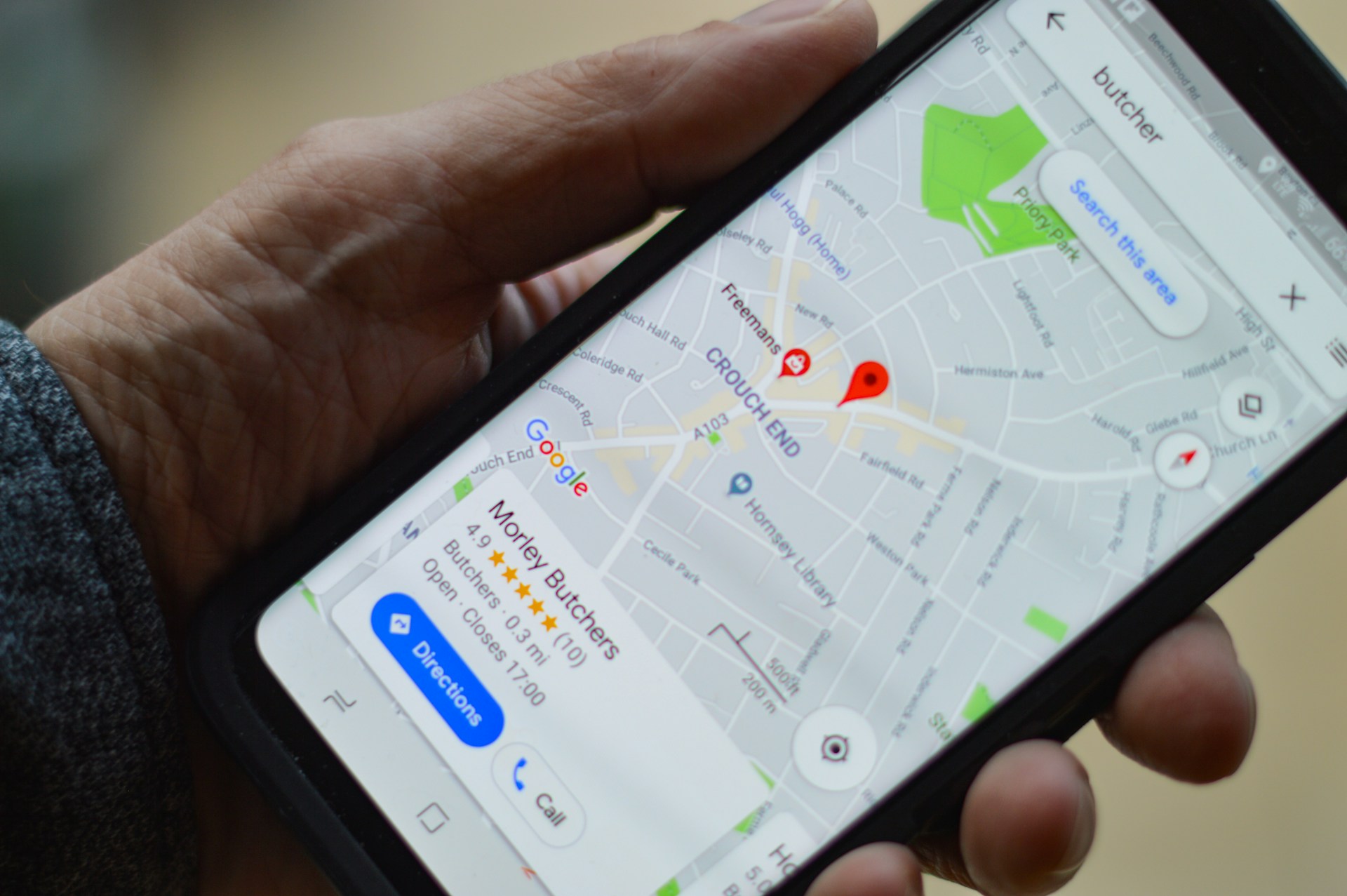
Search engines may look like endless lists of blue links, but for local businesses, the real battlefield is Google Maps. Showing up in the “Map Pack”, those top three map listings that sit above the organic results, often determines whether a customer chooses you or a competitor down the street.
Here’s a stat that should sharpen your focus: according to Webfx statistics, 80% of local searches lead to conversions. And because most of the clicks flow to businesses featured in the Map Pack, the advantage of visibility here is undeniable.
Local SEO is the discipline of making sure your business is the one people see when they search nearby. It’s not a gimmick; it’s a structured set of actions that align your online presence with real-world demand.
This article cuts through the noise and highlights the ranking factors that actually move the needle for Google Maps visibility and why they matter.
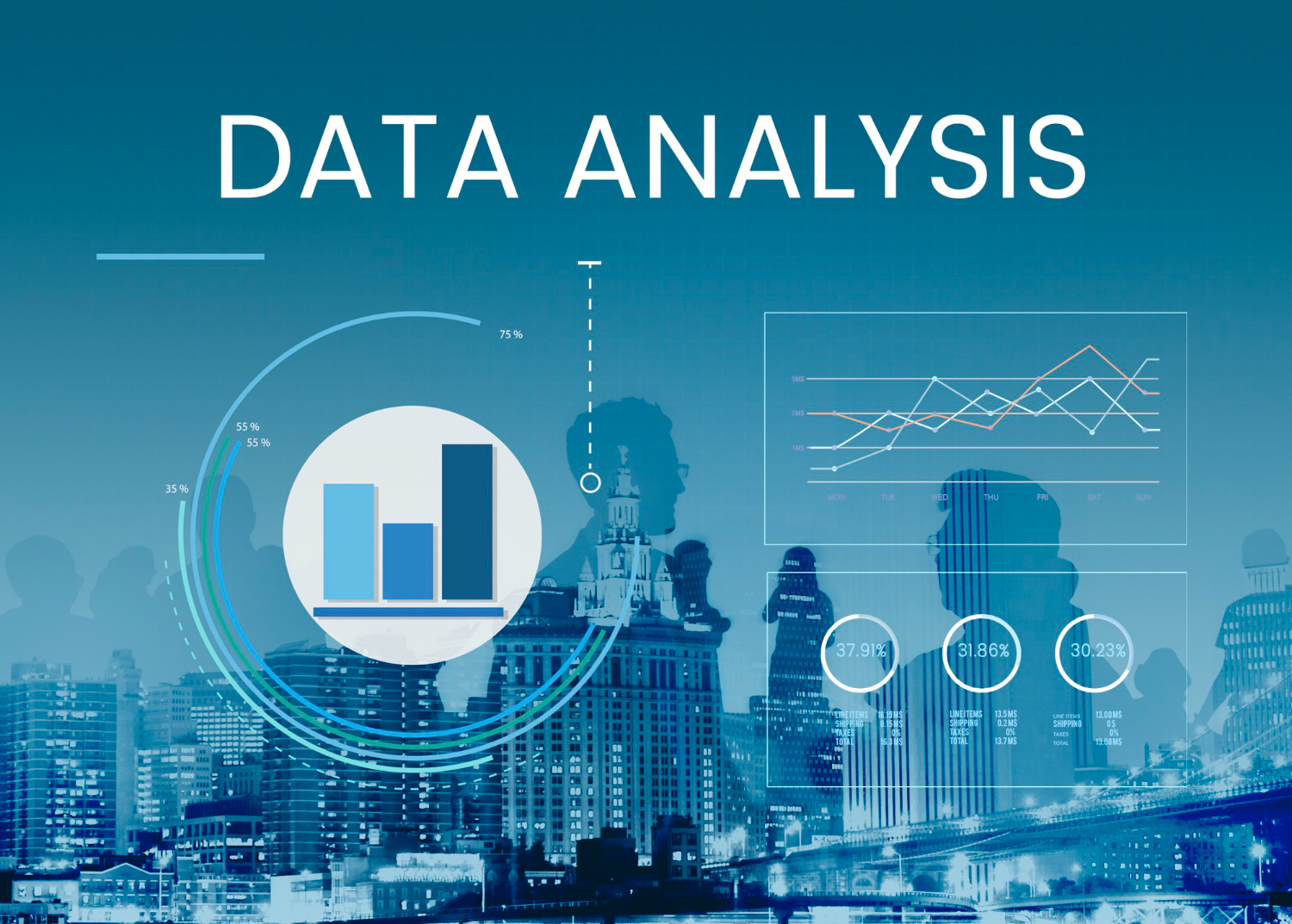
Classic SEO reporting fixates on keyword position graphs and traffic charts, but those lines never quite respond to the one question that counts: which queries, pages, and touchpoints really create customers instead of vanity clicks, and which ones stealthily burn budget and time despite nice screenshots in a deck once per month.
AI SEO analytics offers greater clarity by correlating signals from AI-generated answers, SERP fluctuations, and on-site behavioral reactions into a single story about cause and effect, condensing guesswork and revealing what truly drives conversions. With AI in SEO transforming how attention flows, SEO analytics needs to move from static dashboards to responsive systems explaining why performance shifted and where to take action next for quantifiable increases in SEO visibility and revenue.

Advanced email automation goes far beyond the "welcome email, then weekly newsletter" approach that most businesses settle for. We're talking about intelligent systems that monitor customer behavior across multiple touchpoints and respond with precisely timed, contextually relevant messages.
This includes behavioral trigger sequences that activate when someone browses specific product categories, abandons their shopping cart, or downloads a resource. Dynamic content personalization adjusts email content based on past purchases, location, or engagement patterns. Predictive analytics identify when customers are most likely to make repeat purchases or when they're at risk of churning.
Setting up these sophisticated workflows requires careful planning and technical expertise. Many businesses find that working with a trusted ActiveCampaign consultant helps them navigate the complexity of advanced automation setup, ensuring proper integration between their CRM, e-commerce platform, and other business tools. The most sophisticated systems can even adjust send times for each individual recipient based on when they're most likely to engage, creating truly personalized communication schedules.