Interactive infographics are reshaping classrooms, courses, and corporate training. They blend data, motion, and choice to create attention-rich lessons. When learners click, drag, filter, and explore, they do more than view—they participate. That participation improves recall and motivation. It also turns static lessons into living systems that adjust to each learner’s pace. For teachers and creators focused on educational content design, these tools bridge the gap between explanation and experience. The benefits of interactive infographics reach across subjects: science simulations, history timelines, grammar maps, or business dashboards. Most important, interactive visuals for students help transform complex ideas into digestible steps.

Freelancers have become the backbone of countless small firms, handling projects from marketing campaigns to daily operations. The catch? Finding and onboarding the right people takes more than posting a job and sending out contracts.
Every step counts. You scope out roles that fit your gaps, sort legal classifications with care, set up payments without errors, and handle sensitive forms like W-9s early on. Teams need a playbook for worker intake so that nothing falls through the cracks.
No one enjoys surprise headaches when tax season hits or payroll gets messy. With solid checklists and clear steps in place, you avoid risks before they start.
Stick around as we map practical workflows for bringing freelancers into your small business—efficiently, securely, and with less admin hassle at every turn.

In the ever-expanding digital economy, trust has become the ultimate currency. From shopping online to booking international travel or engaging with software services, customers expect not only convenience but also security, authenticity, and transparency. Businesses that fail to prioritize trust-building risk losing not only customers but also credibility in an increasingly competitive marketplace.
At the same time, growth in the digital space demands forward-thinking strategies. Companies must leverage advanced technologies, secure platforms, and effective marketing to scale while safeguarding their users. This balance—between innovation and protection—is at the heart of sustainable success in the digital economy.
This article explores how organizations can merge cutting-edge technologies such as quantum computing platforms, advanced marketing, fraud prevention measures, and modern authentication tools to achieve trust and growth simultaneously.
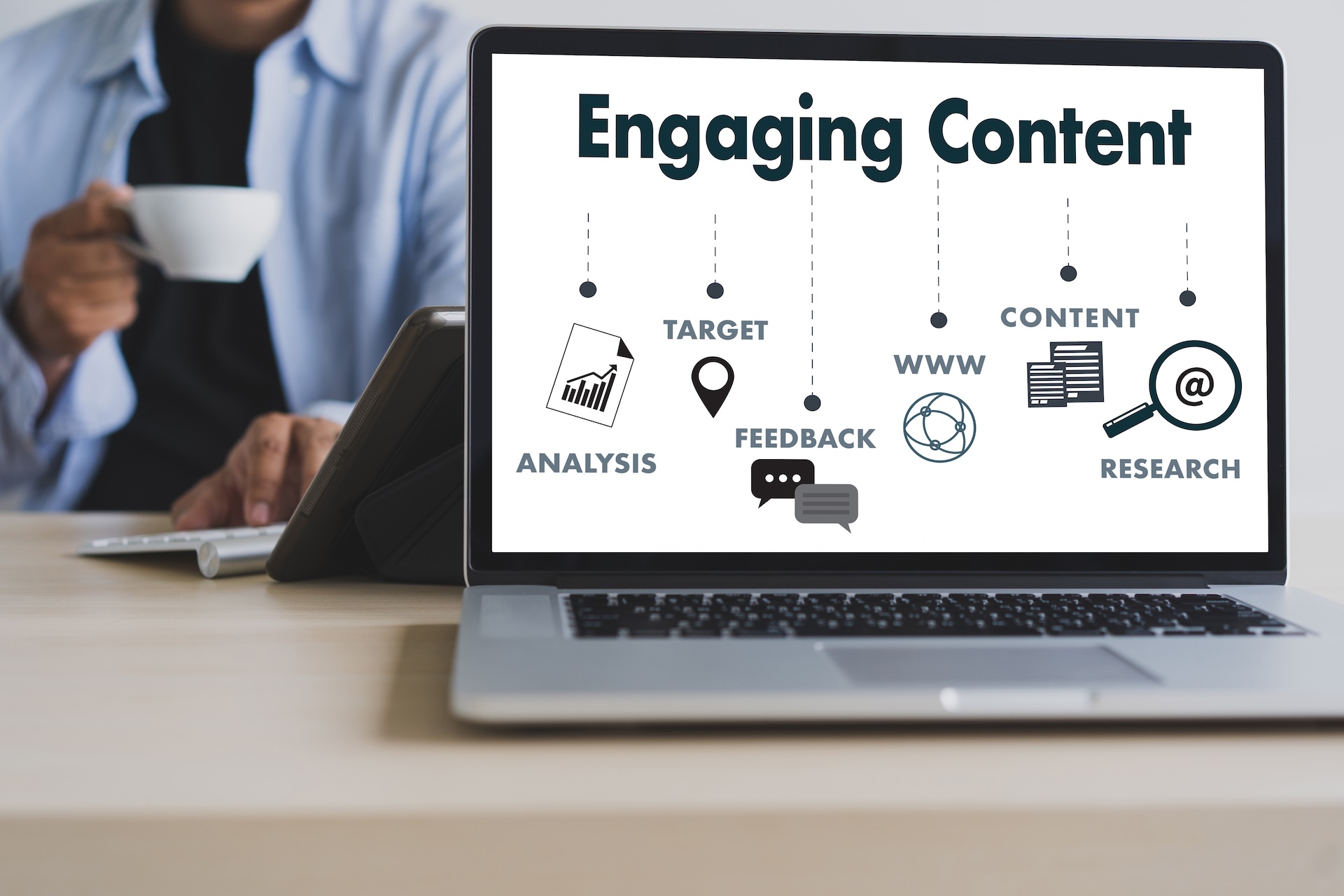
Content that gets people's attention, keeps them interested, and gets them to act is what every business wants. But what if you could write content that people will wish to read next instead of just responding to what's hot right now? That is where content marketing that predicts comes in. It means using data, AI, and thoughtful planning to guess what your audience will want and need, and then making content ahead of time to make sure you're always relevant.
Read on as we go into the meaning, significance, best practices, new trends, examples, potential problems, and immediate ways of integrating predictive content marketing into your content strategy.