Did you know that a lack of technical expertise is one of the biggest things holding small businesses back? According to PayPal’s 2024 Business of Change report, 59% of small business owners say it’s a major barrier to growth. And it shows, nearly half of Canadian online small businesses haven’t grown at all over the past three years.
But here’s the good news: building technical skills doesn’t have to be overwhelming. Yes, it takes some time and effort, but if it’s the one thing standing between you and growth, isn’t it worth exploring?
One of the simplest and most effective ways to start? Link building for small businesses. It helps drive organic traffic, boost your credibility, and improve visibility without blowing your marketing budget. In this article, we’ll explore how link building services for small businesses support growth and share 10 tactics especially tailored to smaller companies.

Website UX design directly influences web visitors' on-site behavior. It affects bounce rates, time on page, conversion rates, average order value, and even customer loyalty.
Yet, the thing is that targeting specialized niches often involves specific UX challenges. Unlike run-of-the-mill e-commerce and content pages, niche websites require you to go above and beyond in explaining the value of your offer. Plus, it's often crucial that you present your prospects with an enjoyable (and sales-inspiring) browsing experience, especially if your sales cycle runs long.
Fortunately, there are several UX design strategies you can employ to overcome these common UX challenges.
So, if you're looking to design a standout website UX for specialized niches, here's how to do it, along with a few great examples you can take inspiration from.

Lifecycle marketing is an essential strategy for businesses to nurture relationships with customers, increase their lifetime value, and enhance engagement. This article presents the top 10 lifecycle marketing agencies in the USA for 2025, detailing their services, technological expertise, and why they are regarded as leaders in the field.
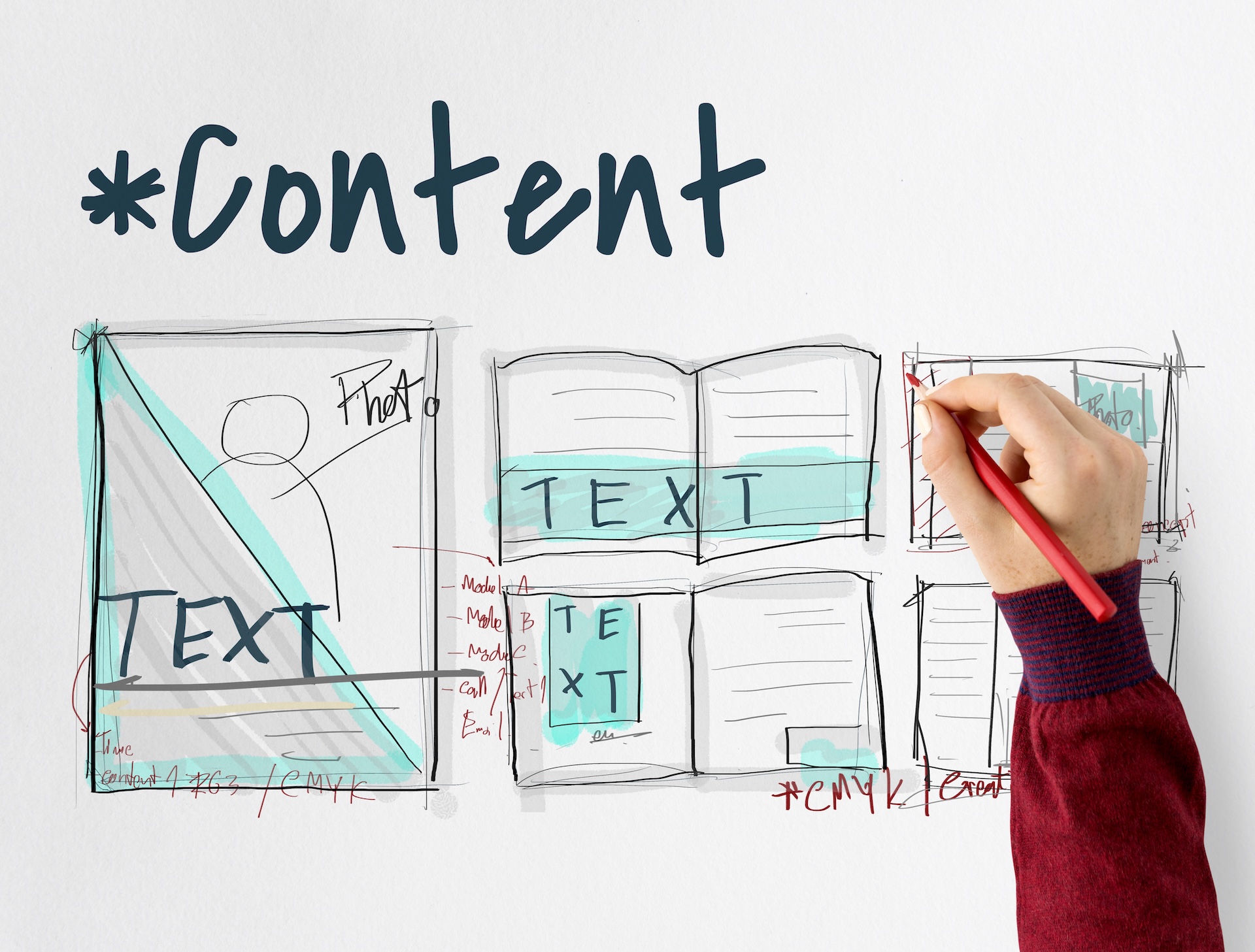
No beating around the bush—here it goes. Figuratively speaking, short-form content is a sprint, whereas long-form content is a marathon. The former wins people’s hearts before they can count to one (well, okay, to 30 in videos). The latter requires patience. Yet, once you cross that much-awaited finish line, the loyal crowd applauds and takes you up into the air.
But when should you schedule sprints, and what’s the golden hour for marathons in your content calendar? That is, which format is better: short-form vs. long-form content?
Let’s break it down and then explore the most suitable content marketing strategies for each separately. As a bonus, we’ll drop several winning tactics for both. Prepare for a far-off reading trip in this article, but it’ll be worth it in the long run (and we’ll make it pun-tastic).