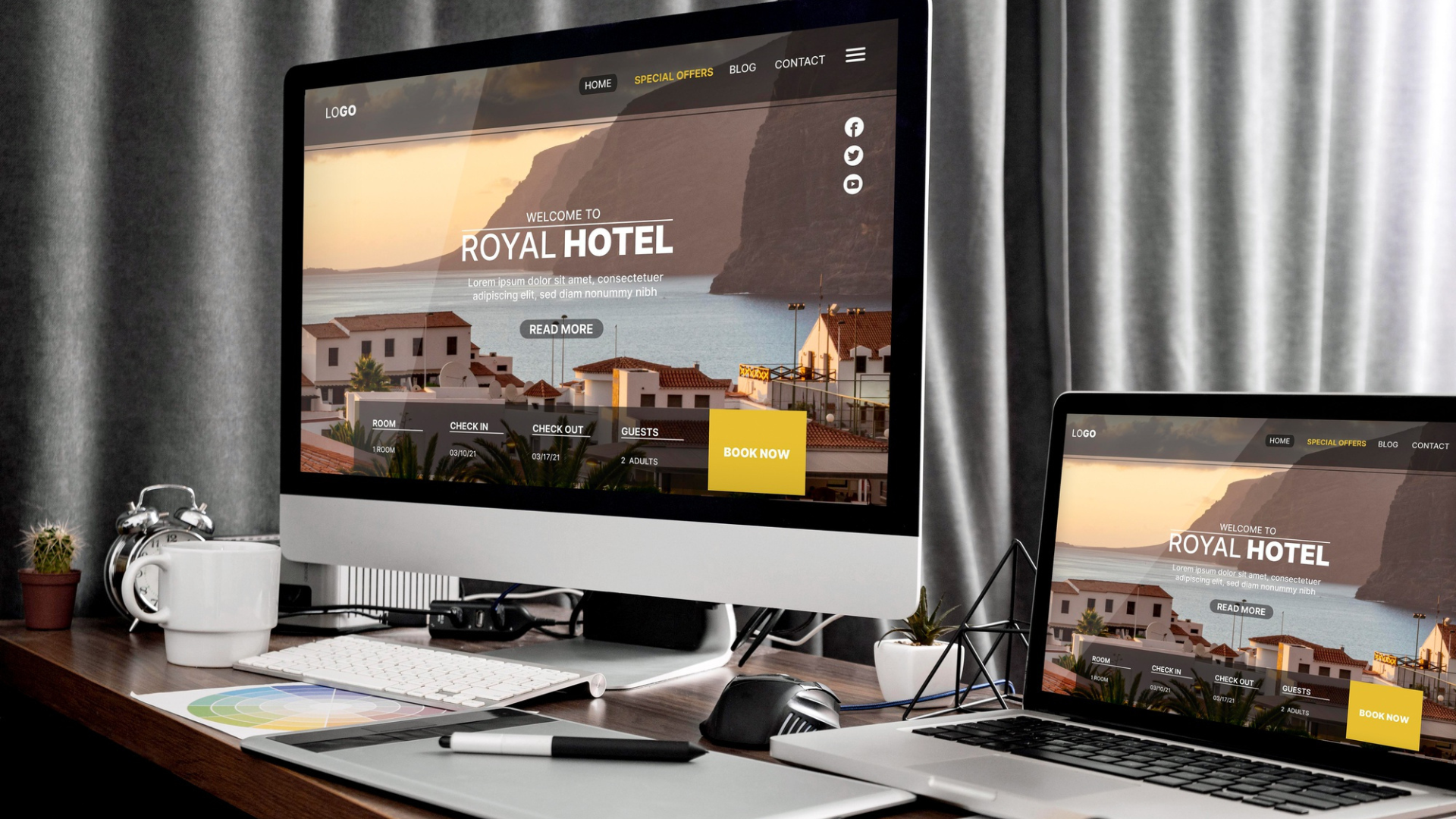
First impressions decide if someone stays or leaves. A clear layout, smooth flow, and fast loading tell visitors they are in the right place. People value ease and clarity when they explore a site. Every second counts, and every click shapes trust.
Once interest sparks, the experience must remain consistent. Friendly design pairs with solid systems behind the scenes. Together, they create a path that is easy to follow and free from confusion. This mix turns a simple visit into the start of a relationship. Visitors return when each interaction confirms they made the right choice.

If you've ever stared at a slow pipeline and thought, Where are all the good leads?, this post is for you. B2B prospecting isn't always steady. One week you're booking meetings right and left, the next everything goes quiet.
That kind of stop-start pace wastes time, stalls deals, and drags down your numbers.
The right lead tools change that. With the right setup, you can:
- Find leads that match your ICP (not just anyone with a job title)
- Check contact details so you’re not chasing ghosts
- Keep your pipeline full without burning hours on research
- Make cold outreach less painful
Below, you’ll find six tools built to help sales teams find the right people and reach out with purpose.

In today's digital environment, every click, page view, or entry of personal data leaves a trace. Therefore, trust between the user and the web resource is of key importance. Digital trust is no longer just a trend, as it used to be. It is a necessity for anyone who creates or manages websites. Users increasingly expect web resources to be secure, honest in their handling of their data, and transparent in their actions.

A homeowner notices ants marching into the pantry. It is 10:30 PM, and instead of pulling out a phone book or asking a neighbor, their first instinct is to pull out their phone and search, “ant control near me.” Just minutes later, they are clicking through local pest control websites, reading reviews, and deciding who to call.
Pest control companies without a strong online presence are leaving dozens, if not hundreds, of leads on the table every month. Word-of-mouth referrals and print advertising still make an impact, but if you don't have a well-optimized digital marketing strategy, you are invisible to a huge share of your market.