
Scroll through a newsfeed and you’ll notice a pattern: the eye captures the page in one sweep, then drills down. The entire block of text is judged for coherence before any single word receives attention. That first sweep is where your credibility is won or lost. A good standard to apply to your writing is to remember that it should form a clear, uncomplicated shape; stray marks—an orphaned clause, a dangling modifier—break the outline and jar the reader out of the flow.
A brand’s voice faces the same challenge. A quick product update from an iOS push notification must feel related to the 40-page report compiled on a Mac. Cohesive signals across channels tell customers they are dealing with one mind, not a committee.
Under the Hood of Modern Grammar Tech
Today’s grammar engines are less red pen, more co-pilot. They don’t simply check spelling; they monitor cadence, agreement, even emotional temperature. When you switch from a how-to blog to an earnings call script, the software adjusts its guidance the way a seasoned editor would shift from lifestyle prose to financial reporting.
- Tone tracking: Suggests softer verbs in customer support notes, sterner language in legal disclaimers.
- Lexicon awareness: Flags jargon for general audiences, yet allows “microservices” to pass unchallenged in a developer brief.
- Pattern memory: Learns that your startup capitalizes “DataLake” and treats it accordingly on draft number fifty.
Because the system notices relationships among words instead of evaluating them in isolation, it identifies what feels off even when it can’t articulate why—a talent any veteran copy chief would recognize.
Bridging East and West on the Same Screen
International teams rarely write in a single language anymore. American software firms push release notes to Shenzhen, while Shanghai retailers craft English taglines for New York billboards. The meeting point of those languages is where errors hide.
A growing number of editors rely on more than one grammar checker in the same workflow. An AI-powered checkerhandles the English layer, scanning for split verbs and overused qualifiers. Meanwhile, a specialised Mandarin grammar checker checks measure words and aspect particles. In between, writers turn to Justdone’s Chinese grammar checker for mid-draft reassurance; it catches the small tonal mismatches that surface when English syntax seeps into Chinese sentences, yet it stays out of the way so the draft keeps moving. This relay race of tools prevents minor slips—like a classifier in Beijing that sounds odd in Taipei—from snowballing into lost sales or bruised trust.
Proofreading in Motion Beats Last-Minute Fixes
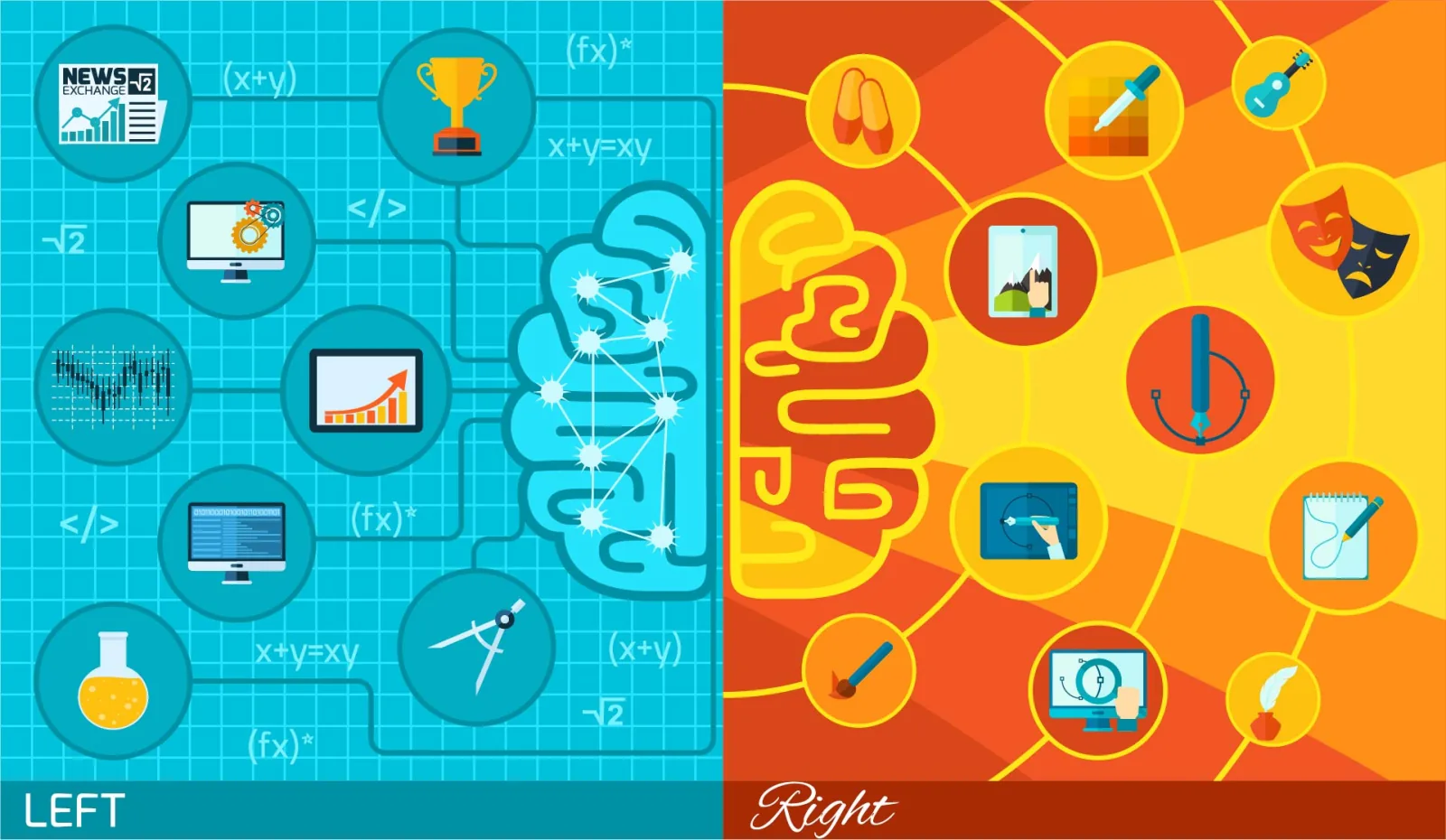
Most newsroom veterans edit as they type. That habit matters. Research inside publishing houses shows that it is best to proofread a document continuously as you draft; small corrections while ideas are still wet reduce later structural surgery. Think of it as tuning a violin while rehearsing, not after the concert starts.
Rolling edits also lighten cognitive load. When the surface is clean, the mind can focus on argument, evidence and narrative drive. The manuscript moves closer to publication with each keystroke rather than stalling for a dreaded “final proof” marathon.
A Practical Chain of Command
- Capture Ideas: Activate only lightweight spell-help so the keyboard stays nimble.
- Shape Draft: Bring in the robust engine that scores readability by section.
- Refine Voice: Toggle suggestions that spot jargon drift and tonal wobble.
- Language QA: Pass the file to a regional specialist—Mandarin, Arabic, Spanish—depending on market.
- Compliance Sweep: Finish with a policy-aware checker that confirms inclusive wording, date formats and legal boilerplate.
Each stage mirrors how the mind groups information: broad shapes first, details later. Moving in that order prevents fixations on commas when the paragraph’s argument still needs work.
The Shape Beneath the Sentence
Walk through any busy newsroom and you’ll hear editors mutter, “Zoom out, then zoom in.” They’re not talking about lens work; they’re training the brain to spot how individual clauses click into a larger contour. When you proofread website content, start with the silhouette. Does the paragraph pull the reader forward in one unbroken sweep? Only after the shape feels right should you adjust punctuation or verb tense. This order matters because familiarity breeds blindness: once a line “looks” finished, flaws vanish from view. By stepping back first—and doing so at frequent, casual intervals—you keep refreshing perception. Seasoned reporters know it is best to proofread a document continuously as you draft; the rhythm echoes a heartbeat, checking that every new beat fits the previous bar. The result is copy that reads smoothly at full speed yet stands up to slow, forensic inspection.
Let the Right Expert Step In
Picture your draft as a city street. The traffic cop at the corner clears obvious hazards so cars flow freely. Farther along, a zoning inspector ensures new buildings fit local codes. At the final block, a historian checks that renovations respect heritage facades. Passing the baton from generalist to specialist keeps the street livable without gridlock.
Rails, Not Cages
Digital suggestions, if followed blindly, can flatten prose into beige wallpaper. Counter that tendency with three habits:
- Read aloud. Your ear finds the off-beat that a monitor misses.
- Verify the ledger. No algorithm notices that last year’s revenue crept into this year’s report.
- Keep your grin. A wink of informality—a strategic fragment, an em-dash—reminds readers a person is talking.
The target is credible rhythm, not antiseptic perfection.
Five Habits That Outperform Any Plug-in
- Slow the headline. Headlines decide clicks; give them an extra pass.
- Standardize spellings. “E-commerce” or “eCommerce”? Pick one, teach the tool, move on.
- Trade pages. Another human sees patterns you ignore.
- Stretch the legs. A short walk resets perception; typos glow brighter on return.
- Save snapshots. Archived versions encourage bold revisions by removing the fear of no-return.
Where Circuits Hit Their Limit
Irony, satire and layered voice thrive on tension, the very signal software tries to neutralise. If a passage relies on bait-and-switch or double meaning, treat the red underline as a prompt, not an order. Sometimes the most memorable sentence is the one that leans slightly out of line.
Precision With Personality
Well-designed grammar tech acts like a seasoned copy desk you can summon on demand. It spots sagging structure, nudges wandering clauses back into place and guards the brand’s tonal equity. But the craft remains yours. Accept the counsel that sharpens clarity; decline the advice that sands off your edge. Blend attentive drafting with targeted language checks, and your words will leave the screen polished yet unmistakably alive—a testament that technology can elevate craft without diluting it.