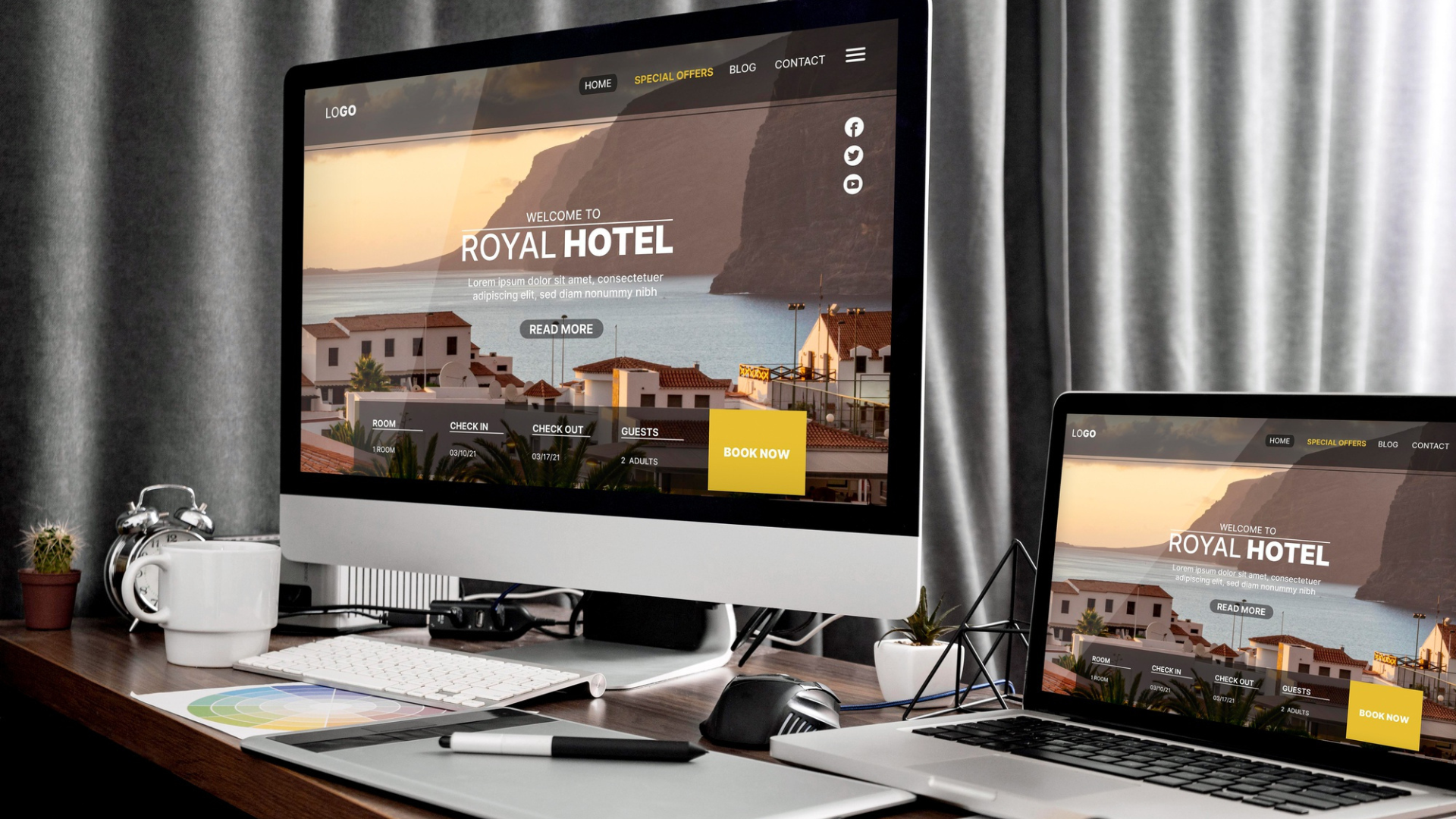
For many local businesses, the website is more like an awkward digital brochure than a valuable team member. It's there, but it’s not doing much. Maybe it loads slowly, buries the contact info, or just... sits there. Meanwhile, your competitors are getting clicks, calls, and clients.
Here’s the thing: people are checking out your site before they ever step foot in your shop or give you a call. If it doesn’t give them a reason to stay, you’re leaving money on the table.
A sleek web design and explicit content can turn a so-so site into a real asset for small businesses. This article will guide you through the essentials, from understanding your audience to building trust, so your website can deliver its full potential and help you grow right where you are.

Milestones are more than moments; they're leverage. Whether it's your fifth year, your 500th sale, or your first product launch, these occasions are fertile ground for meaningful marketing. Instead of tossing out a casual "thank you" and moving on, pause. Celebrate loudly. But more importantly, turn that celebration into momentum. People love stories, especially those marked by persistence, change, and growth. Your job? Make sure they remember yours.

Why do some PPC campaigns generate significantly more conversions than others with identical budgets and targeting? The answer isn't better keywords or smarter bidding strategies. It's the seamless marriage between compelling ad copy and exceptional landing page design.
Nearly 5 out of 10 PPC visitors are more likely to purchase than organic visitors, and just over 4 out of 10 clicks go to the first three paid ad positions. This makes the quality of your landing page experience critical for capitalizing on high-intent traffic.
Too many businesses lose substantial PPC traffic due to poor ad-to-landing page alignment. That's like paying for premium billboard space on a highway, then directing drivers to a construction zone instead of your storefront.
The stakes are particularly high considering that cost-per-click continues to rise across industries. Small and medium-sized businesses typically invest $9,000 to $10,000 annually on PPC ads, and some spend up to $120,000 per year, so every wasted click represents real money down the drain. Getting the design-ad relationship right isn't just about better conversion rates—it's about survival in an increasingly competitive digital advertising landscape.

Scroll through a newsfeed and you’ll notice a pattern: the eye captures the page in one sweep, then drills down. The entire block of text is judged for coherence before any single word receives attention. That first sweep is where your credibility is won or lost. A good standard to apply to your writing is to remember that it should form a clear, uncomplicated shape; stray marks—an orphaned clause, a dangling modifier—break the outline and jar the reader out of the flow.
A brand’s voice faces the same challenge. A quick product update from an iOS push notification must feel related to the 40-page report compiled on a Mac. Cohesive signals across channels tell customers they are dealing with one mind, not a committee.