B2B buyers don’t mess around when they land on your page. They’re busy, they’re skeptical, and they’ve seen about a thousand generic landing pages this month alone.
The problem is that most of those pages get closed in under ten seconds.
When it comes to B2B, purchase decisions involve multiple stakeholders, longer sales cycles, and way more risk than consumer purchases. That’s why your landing page needs to acknowledge this reality. When a potential buyer arrives, they’re asking themselves specific questions: “Can you solve our problem?” “Do you understand our industry?” “Can we trust you with our budget?”
Getting this right means understanding what B2B buyers actually need to see, not what we assume they want.
In this post, we’ll break down the exact expectations B2B buyers have and show you how to meet them without overthinking it.
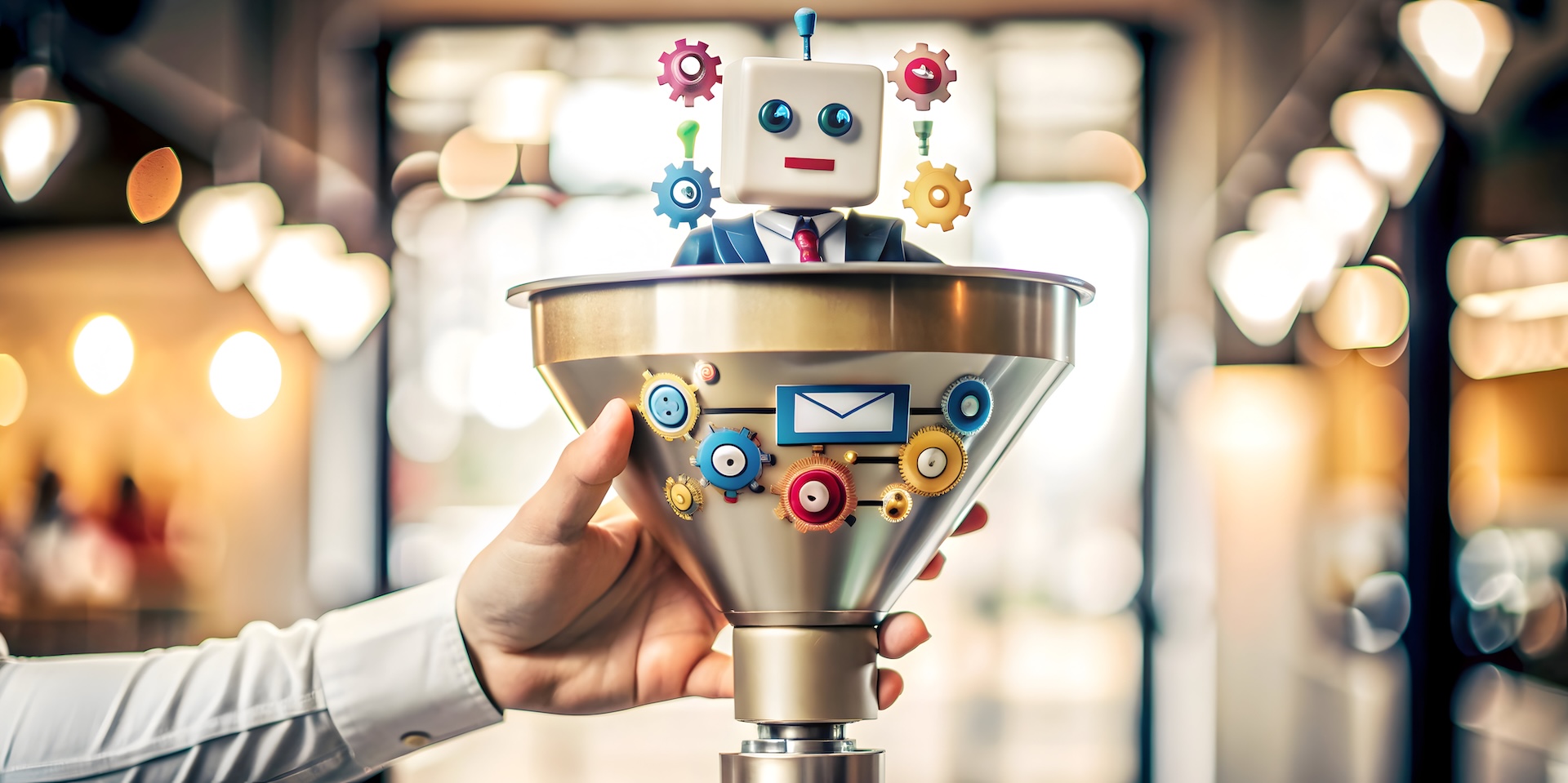
In today’s digital-first world, marketing campaigns are more complex than ever. Businesses must manage multiple channels, create engaging content, and analyze customer behavior in real time. Traditional methods of campaign planning and execution often struggle to keep pace with the volume of data and the need for personalization.
Artificial intelligence (AI) is transforming marketing by providing tools that streamline workflows, improve targeting, and enhance decision-making. From generating content to analyzing visuals and predicting campaign performance, AI helps marketers execute more effective campaigns while saving time and resources. Integrating AI solutions allows businesses to respond quickly to market trends and create personalized experiences that drive engagement and growth.

Every small business faces moments when resilience is tested — whether after an economic downturn, supply chain shock, or a period of stagnation. Rebuilding isn’t just about recovery; it’s about re-engineering the business for future-proof strength. This guide outlines practical strategies, frameworks, and digital resources to help small business owners rebuild smarter — blending traditional grit with modern AI-era agility.
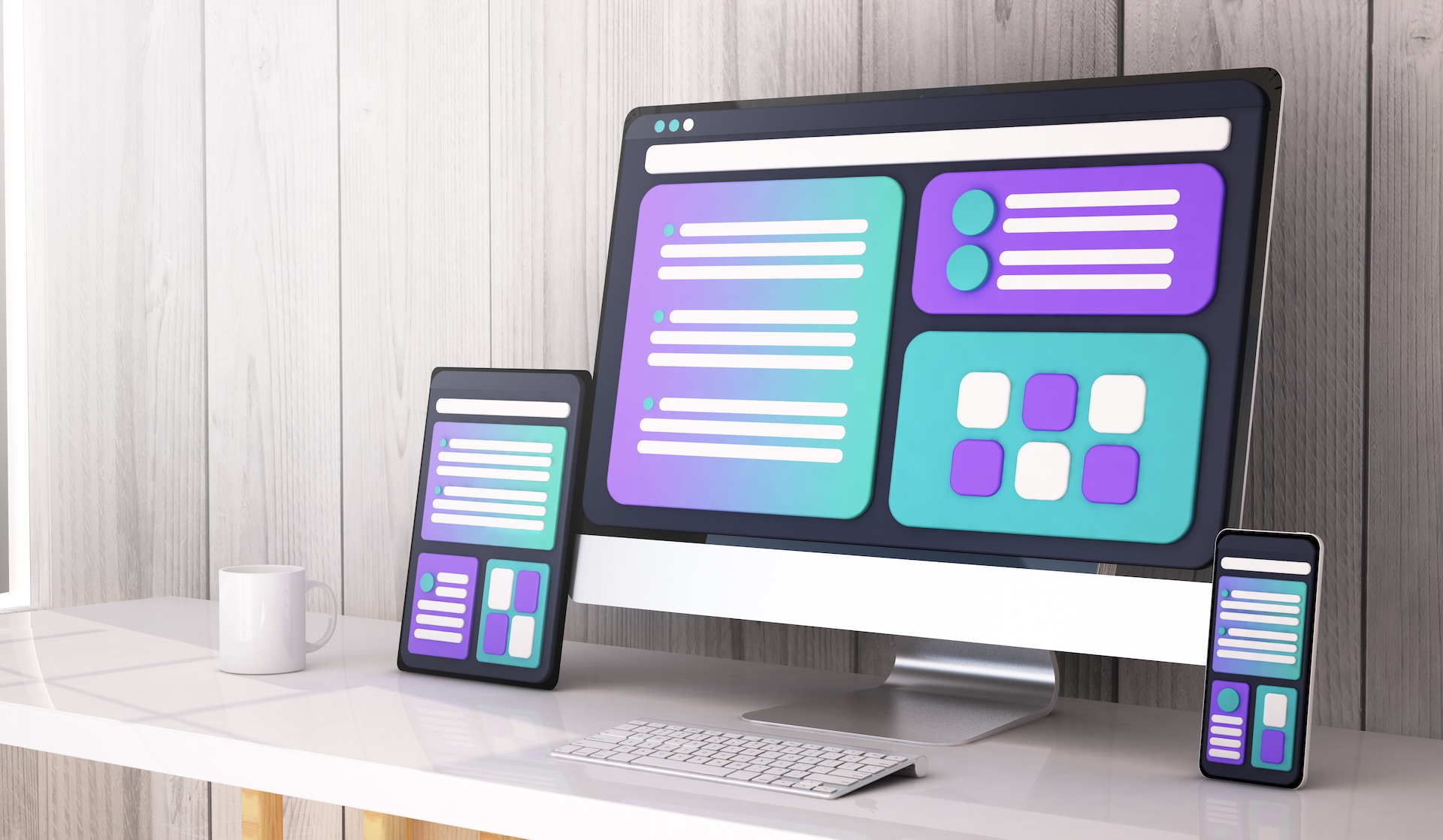
The web’s changed a lot since the days of fixed-width layouts and “best viewed on Internet Explorer” banners. Now, people are jumping between phones, tablets, desktops, and foldables like it’s nothing. And they expect every site to just work!
That’s where responsive web design (RWD) comes in: Layouts that adapt, content that flexes, experiences that don’t fall apart the moment someone rotates their screen. But how do you make your website work next year and beyond?
Don't worry; This page serves as your responsive web design update in 2026 for every small business. Read on to learn how to build a website that works everywhere.