The HVAC industry faces intense competition, and an increasing number of people are seeking systems that consume less energy. Businesses must be able to adapt quickly to keep pace with emerging technology and evolving customer needs. To be successful, you need to find a balance between quality, speed, and cost.

The ninth annual McKinsey Digital Payments Survey reveals a significant rise in the use of digital payments across the US and Europe. Approximately 90% of consumers in both areas have used some form of digital payment over the past year, highlighting the need for more home service businesses to embrace digital payment solutions. (Source: McKinsey)
If you currently don’t offer your customers the option of digital payments but think it might be worth exploring, you’re in the right place. In this post, we look at a few ways embracing digital payment technology could help improve your business and provide tips on getting started.
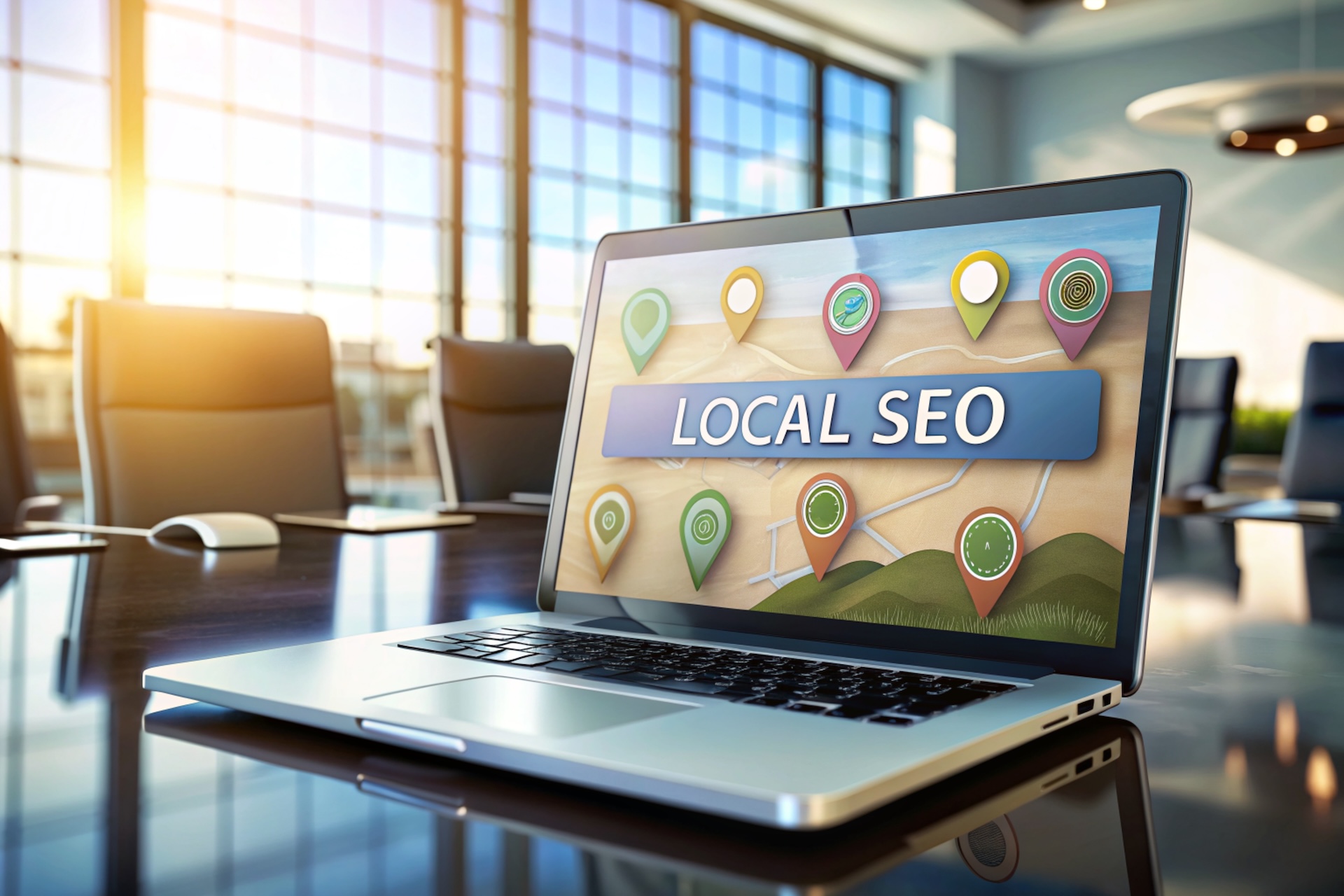
If you’ve ever searched for a “coffee shop near me” or a “plumber in [your city],” you’ve already experienced the power of local SEO. Google shows a local pack of businesses, complete with maps, reviews, and essential business information like phone numbers and addresses. For small businesses, this is prime real estate.
But here’s the catch: the ranking factors that determine which businesses appear in those coveted spots are constantly evolving. That’s why this article is your complete guide - a definitive guide - to understanding how local search engine optimization works today, and how small business owners can improve your local visibility with the help of professional SEO services
We’ll cover the benefits, explore how search engine optimization ties into local results, highlight key ranking factors, and share practical strategies you can use right now.

The pest control industry rakes in a whopping $26 billion every year, according to IBiSWorld. Interest in DIY pest control has surged as homeowners look for safe, budget-friendly options in their pantries. Google has seen a spike in keywords like "eco-friendly"," non-toxic", and "smart pest control.”
The aisles of commercially available products are a typical first line of defense against pests before calling an exterminator for help.
Store-bought products rely on the consumer to identify the pest and understand the instructions. Even if the consumer clears those hurdles, the products on the shelves are less effective than those used by the pros.
With so much room for error, we can identify opportunities to educate the target market and turn them into paying customers.