In 2025, social media is no longer just a place for home service companies to showcase their work. It has become a space where trust, accountability, and community connection define brand success.
As more customers book services online, companies see that old posting strategies no longer match evolving expectations. Short-form videos, localized targeting, and interactive content are reshaping how businesses connect with audiences. Additionally, broader concerns about data privacy, ethical advertising, and the influence of digital platforms on society are also driving change.
As consumers grow more aware, companies that lead with transparency and responsibility will stand out in a crowded marketplace.
This article explores the key reasons behind this shift and what it means for the future of home service marketing.
Increased Importance of Social Media in Home Services
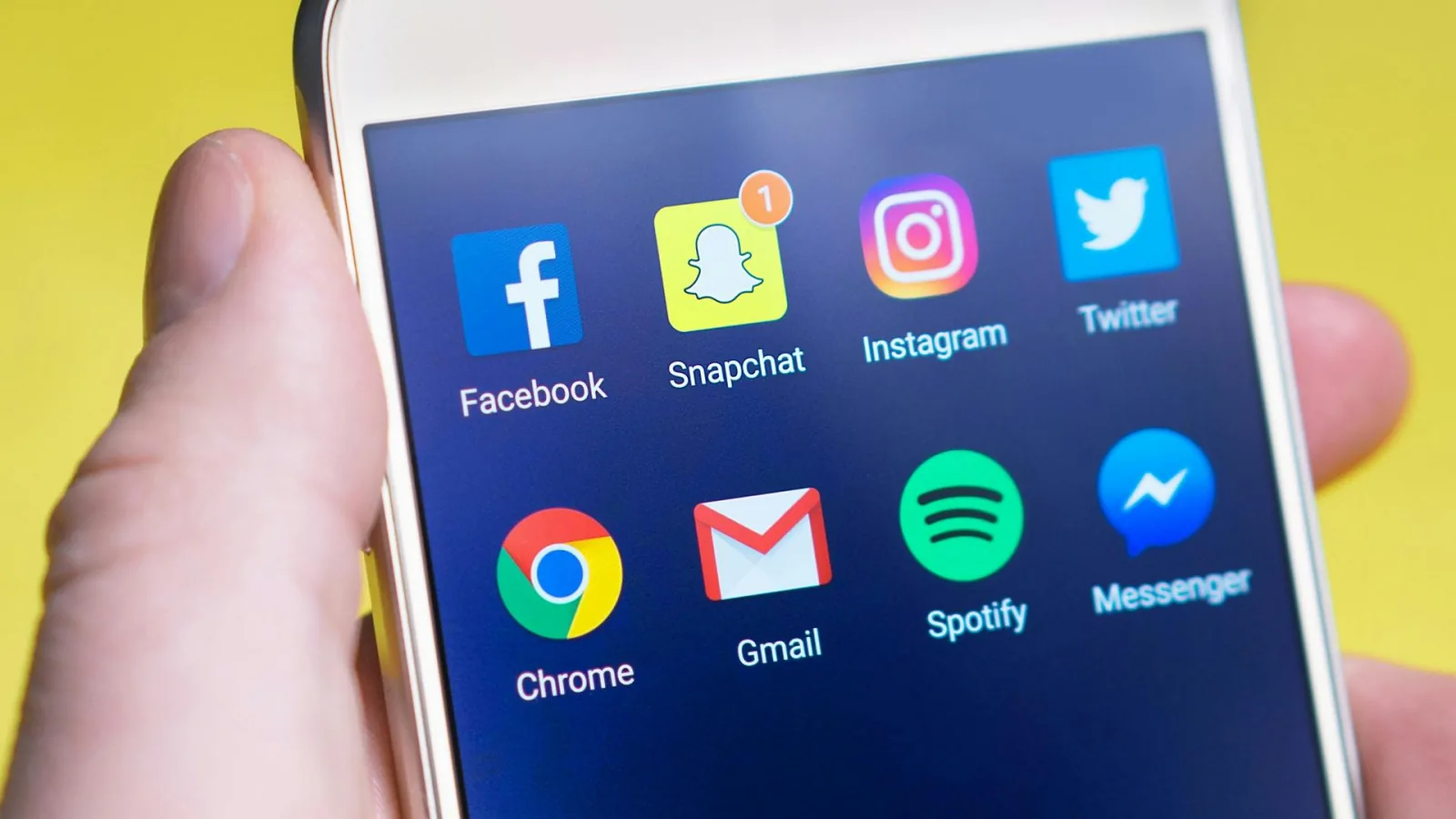
In the past decade, social media has become a crucial tool for home service companies looking to attract and retain clients. Platforms like Instagram, TikTok, and Facebook let businesses use effective ways to market their services, showcase testimonials, and engage directly with customers.
According to Statista, a 2025 survey of global marketers found that 81 percent identified increased exposure as a key benefit of social media marketing. Increased website traffic followed, noted by 71 percent, while 62 percent highlighted lead generation.
Reflecting this trend, global social media advertising spending jumped 140 percent between 2019, the year before the pandemic, and 2024, surpassing $230 billion. Forecasts suggest it could climb nearly 50 percent by 2029, exceeding $345 billion, highlighting the pivotal role these platforms play in driving business growth.
Shift in Consumer Expectations
Social media has become a space for real-time engagement, where service providers are expected to respond quickly and showcase genuine client relationships. Candid posts, like a plumber sharing a day in the field or a lawn care team showing behind-the-scenes work, build trust.
Brands that put transparency at the heart of their digital strategy often see increased consumer trust, higher sales, and stronger reputations.
Social platforms are especially effective for customer retention, offering a personal connection that other marketing channels can’t match. This is particularly true for Millennial and Gen Z audiences. A NielsenIQ study shows Gen Z places high importance on corporate transparency when making purchasing decisions. Companies that fail to meet these expectations risk losing ground to more authentic competitors.
The Growing Role of Social Responsibility
Brands are increasingly adopting responsible marketing practices, creating content that upholds family values, supports community well-being, and encourages transparent engagement. This shift is particularly relevant given concerns around teen mental health and Instagram litigation.
While home service companies may not directly target youth, many recognize that their content can inadvertently reach or influence younger audiences. Instead of relying on sensationalized or aggressive tactics, companies now focus on posts that educate, model healthy digital behavior, and promote safe practices.
TruLaw notes that high-profile cases have revealed the risks of addictive algorithms on younger users, linking excessive social media use to mental health challenges. Parents can file claims on behalf of affected children, and Meta, Instagram’s parent company, has already paid substantial settlements in related lawsuits.
Learning from these examples will help home service companies engage audiences responsibly, build trust, and contribute to safer online communities.
Video and Short-Form Content Domination
In 2025, video content, particularly short-form, is dominating digital engagement. Home service companies are increasingly leveraging platforms to tell compelling visual stories, share how-to tutorials, and showcase striking “before and after” transformations.
Whether demonstrating a quick plumbing repair or a full home renovation, these videos make services relatable, build credibility, and encourage shares. Video storytelling also simplifies complex offerings, helping homeowners understand value more clearly.
In 2025, 89% of businesses use video as a marketing tool, with short-form formats delivering the highest ROI. These formats also attract the largest investments, as brands recognize their effectiveness in reaching audiences and driving engagement.
The Rise of Localized Marketing
In 2025, successful home service companies are embracing hyperlocal marketing. This strategy moves beyond traditional digital ads, focusing instead on forging deep connections within specific neighborhoods. By engaging on community platforms like Facebook Groups and Nextdoor, businesses can build trust and become a reliable part of the local fabric.
This shift is crucial as the AI era redefines how customers find services. Influence now spans multiple channels, from search engines and social apps to AI-generated answers. Just as businesses once relied on real-world reputation before the internet, they must now blend online and offline strategies. This approach ensures they are not only visible in search rankings but also top-of-mind in local conversations and community referrals.
Data Privacy and Regulatory Pressures
In 2025, data privacy is a top concern for home service companies due to stricter regulations. Laws like the Maryland Kids Code and the New York Child Data Protection Act, which took effect in June 2025, are forcing a fundamental shift. These regulations, similar to those in California and Texas, require businesses to be more transparent about how they handle personal information, especially regarding minors.
Companies must now get opt-in consent for data collection and avoid "dark patterns" that manipulate users. This has a ripple effect on ad targeting and marketing strategies. For home service providers, building trust is no longer just about quality work. It’s about ethical data practices.
Conclusion
Social media will remain core to home service marketing for years to come, but strategies in 2025 underscore trust, responsibility, and adaptability. The brands that succeed will be those evolving with ethical, community-driven approaches. They build strong, lasting customer relationships while demonstrating genuine care for all stakeholders, including the most vulnerable digital users.
FAQs
Do Gen Z prefer short-form content?
Yes, Gen Z strongly prefers short-form content because it matches their fast-paced digital habits and shorter attention spans. Platforms like TikTok, Instagram Reels, and YouTube Shorts cater to this demand, offering quick, engaging, and easily shareable videos. This format allows brands to connect authentically and maintain relevance with younger audiences.