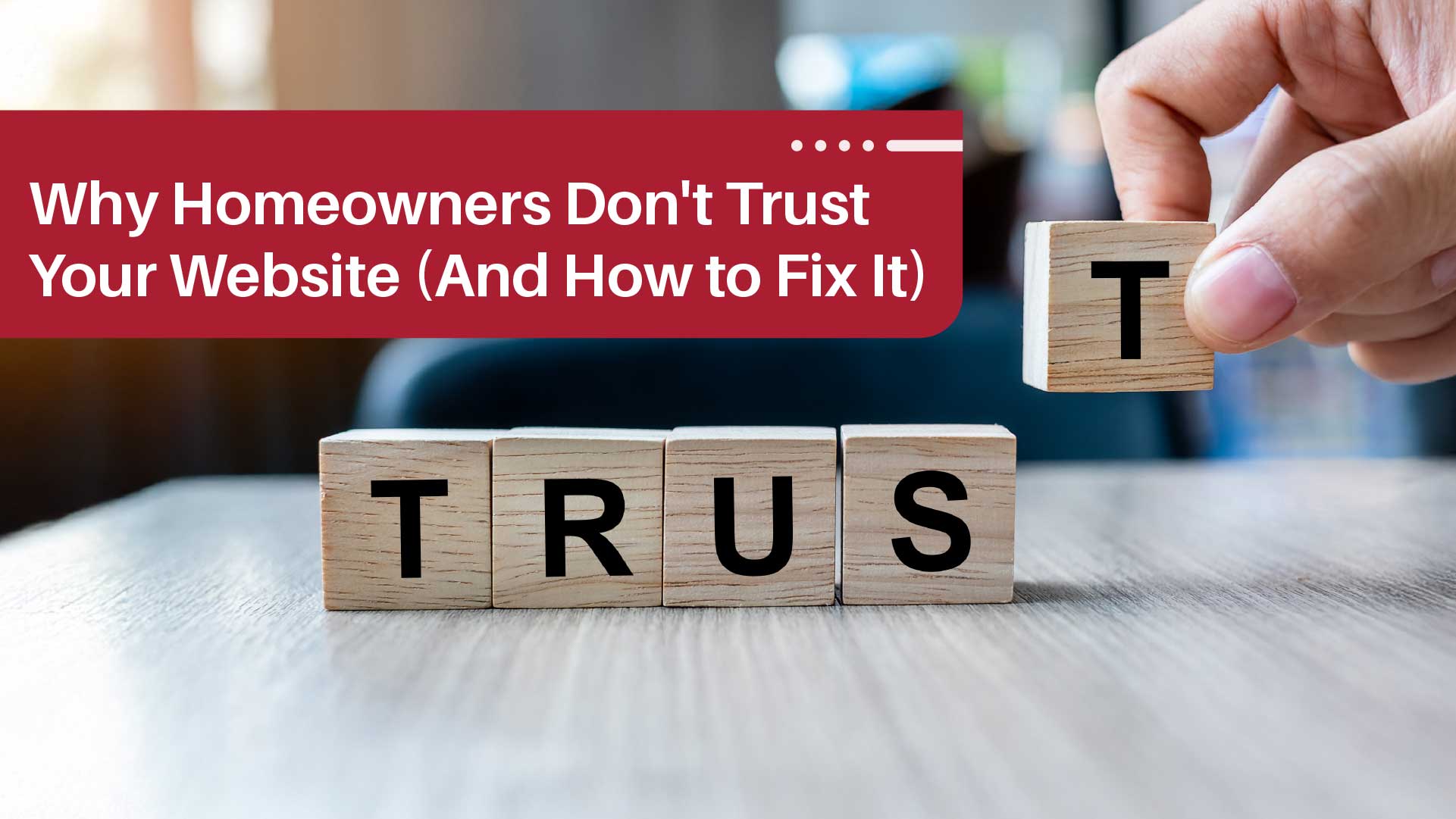
Let's face it – when your potential customers need a plumber at 2 AM because their toilet is overflowing or an HVAC specialist during the hottest day of summer, they're not exactly thrilled about inviting strangers into their homes. Building a credible and trustworthy reputation for your home service business isn't just nice to have – it's essential for generating service calls, long-term clients, and actual revenue.
And if you're not entirely convinced that trust plays a role in helping organizations thrive, check out the latest research.
According to the 2024 PWC Trust in US Business Survey, 95% of business executives agree that organizations have a responsibility to build trust – up from 92% in 2023. The numbers for consumers and employees are nearly as high, at 92% and 94%, respectively. There isn't just a moral case for building trust – there's a business case as well, with 93% of business executives agreeing that the ability to build and maintain trust improves the bottom line.
For home service businesses specifically, the stakes are even higher:
- 9 out of 10 consumers (about 90%) say they consider reviews when making a purchase decision (Source: PowerReviews)
- 88% of buyers pick a business that responds to all of its reviews, while just 47% would pick one that doesn't reply to reviews at all. (Source: Synup)
- According to GatherUp, “Businesses that respond to reviews are seen as 1.7X more trustworthy than businesses that don't.”
So, if you're looking for strategies that will allow you to build trust, you might want to invest in design tactics that will achieve the desired results.
Everyone knows about trust-building design strategies like using customer testimonials or displaying your BBB rating. But, if you wish to maximize your home service brand's credibility, you must take a more advanced approach to developing service pages in a way that will effectively communicate dependability and expertise.
So, if you're ready to go the extra mile with trust-inspiring design, the following tactics will help you generate maximum credibility for your plumbing, HVAC, electrical, or other home service business.

Written By: Adam Bennett | May 26, 2025
Adam is the president and founder of Cube Creative Design and specializes in private school marketing. Since starting the business in 2005, he has created individual relationships with clients in Western North Carolina and across the United States. He places great value on the needs, expectations, and goals of the client.
Let's face it—the digital marketing world is always buzzing with news of "catastrophic" changes that will supposedly exterminate your online visibility overnight. As someone who's been in the pest control marketing trenches, I've seen more algorithm "apocalypses" than a pest technician has seen cockroaches. And yet, here we are, still connecting quality pest services with homeowners in need.
The recent Google algorithm changes in 2024 have certainly created quite a stir in the SEO community. From the complex March 2024 core update affecting multiple systems to the August 2024 update that caused significant ranking fluctuations, it's been a year of adjustment for many websites. Add in the swirling rumors about Chrome's privacy changes and emerging AI-generated search results, and it's enough to make any pest control business owner feel like they're dealing with a digital infestation of uncertainty.
But here's the good news: Amid all this change, one strategy remains rock-solid—creating high-quality, relevant pest control content that genuinely helps your potential customers. This approach isn't just resistant to algorithm shifts; it actively benefits from them. And that's what we're going to explore today.

Written By: Chad J. Treadway | May 26, 2025
Chad is a Partner and our Chief Smarketing Officer. He will help you survey your small business needs, educating you on your options before suggesting any solution. Chad is passionate about rural marketing in the United States and North Carolina. He also has several certifications through HubSpot to better assist you with your internet and inbound marketing.

Let's face it – your alumni are walking, talking advertisements for your school. They've lived the experience you're selling to prospective families, and unlike your beautifully designed viewbook, they can answer the question, "But what's it really like there?" with hard-earned authenticity.
Yet, according to recent research, 90% of alumni professionals admit they do a "poor job" or "need to do more" to engage their young alumni. (Source: Alumniaccess) That's like owning a Ferrari and letting it collect dust in your garage while you take the bus to work.
Alumni ambassador programs represent one of the most underutilized weapons in a private school's marketing arsenal. Done right, they create a powerful network of advocates who can influence prospective families, mentor current students, and even boost your fundraising efforts. Let's explore how to build and maintain an alumni ambassador program that delivers real results.
Written By: Adam Bennett | May 26, 2025
Adam is the president and founder of Cube Creative Design and specializes in private school marketing. Since starting the business in 2005, he has created individual relationships with clients in Western North Carolina and across the United States. He places great value on the needs, expectations, and goals of the client.
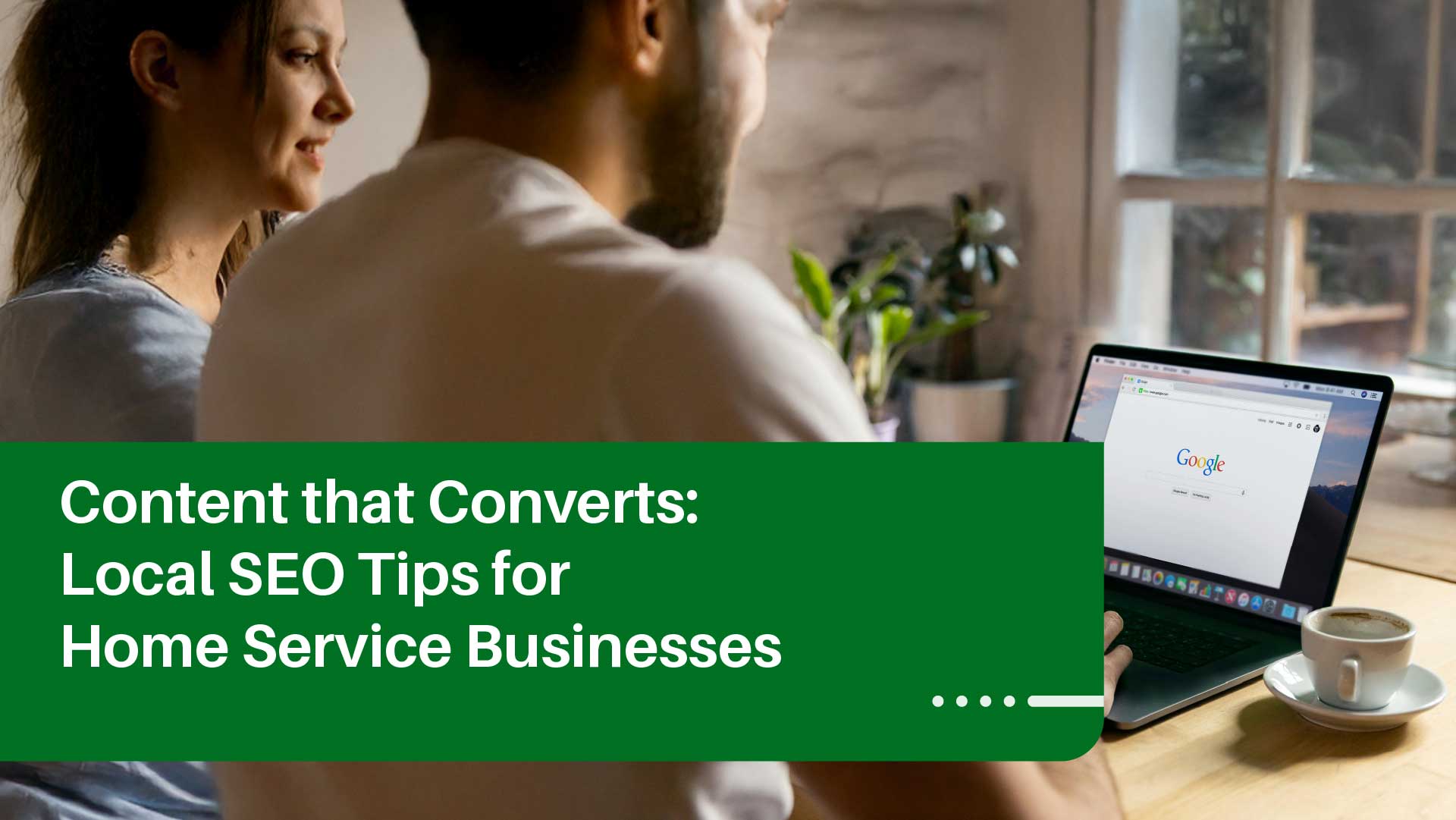
Ever feel like your home service business website is playing an endless game of hide and seek with potential customers—except they never actually find you? You're not alone. While you're out unclogging pipes, fixing furnaces, or patching roofs, your website might be stuck in the dark corners of page 2 (or worse, page 10) of local search results. And we all know what they say about page 2 of Google—it's the best place to hide a dead body!
For home service businesses, being invisible online isn't just annoying—it's downright expensive. Every day, your website doesn't connect with local homeowners in need, you're missing out on service calls, emergency repairs, and those sweet, sweet repeat customers who keep your business flowing (pun absolutely intended for you plumbers out there).
But here's the good news: with the right content strategy and local SEO approach, your service business can rise through the rankings faster than a backed-up sink during a holiday dinner party. In this guide, we'll break down exactly how to craft content that not only ranks well in local searches but actually converts those "help, my toilet is overflowing!" panic-googlers into loyal, paying customers.
So grab your digital toolbox—it's time to fix your website's visibility problem once and for all.
Written By: Chad J. Treadway | May 21, 2025
Chad is a Partner and our Chief Smarketing Officer. He will help you survey your small business needs, educating you on your options before suggesting any solution. Chad is passionate about rural marketing in the United States and North Carolina. He also has several certifications through HubSpot to better assist you with your internet and inbound marketing.