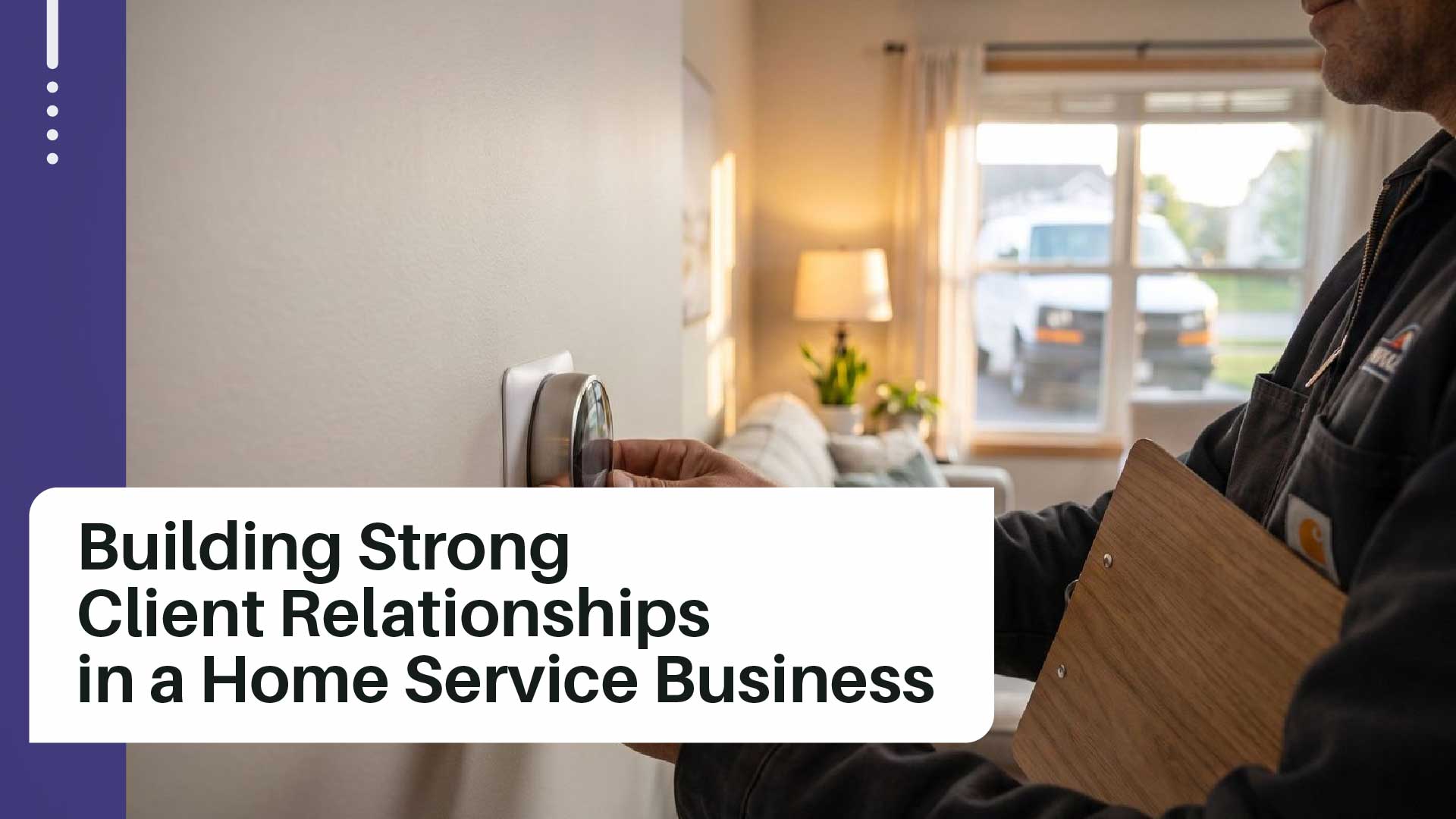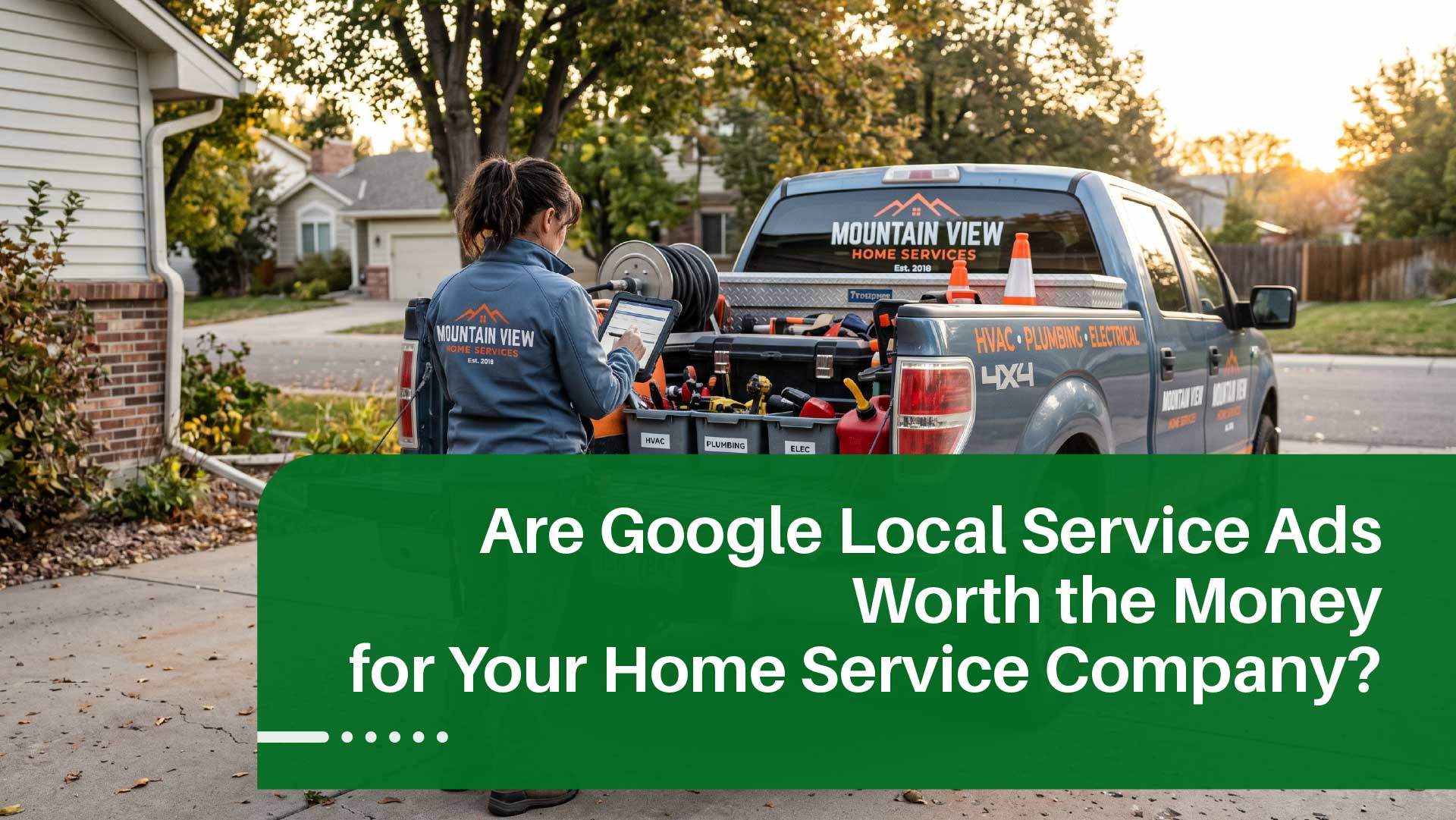
A homeowner pulls up your website at 9 p.m. with water pooling under the kitchen sink. Before they read a single word, they have already decided whether you look like a company worth calling. That decision happens in about 0.05 seconds. Professional design is what wins that split-second, and for many home service companies, it is doing more selling than their best closer.
This matters most for local home services businesses trying to compete against bigger names. Your website, your trucks, your uniforms, and your printed materials all send a signal about trust before you ever pick up the phone. The good news is that you control every one of them. Here is how each one builds credibility, and how to make them work for you instead of against you.

Written By: Chad J. Treadway | July 29, 2026
Chad is a Partner and our Chief Smarketing Officer. He will help you survey your small business needs, educating you on your options before suggesting any solution. Chad is passionate about rural marketing in the United States and North Carolina. He also has several certifications through HubSpot to better assist you with your internet and inbound marketing.
You have probably been told your home service company needs more backlinks. What nobody tells you is how many, or where to actually get them, when you are busy running an HVAC, plumbing, or roofing business. Here is the part that should make you feel better: building local backlinks for a home service company is a smaller job than the internet makes it sound. You do not need 500 links. You need 20 to 30 good ones from sources your community already trusts.
At Cube Creative Design, we build local search visibility for independent home services companies, and the link question comes up on almost every call. So this guide skips the theory. It covers how many links you actually need, where real local links come from, and why they matter more for some rankings than others.
Written By: Chad J. Treadway | July 27, 2026
Chad is a Partner and our Chief Smarketing Officer. He will help you survey your small business needs, educating you on your options before suggesting any solution. Chad is passionate about rural marketing in the United States and North Carolina. He also has several certifications through HubSpot to better assist you with your internet and inbound marketing.
Here is something your accountant probably never mentioned. You know more about your customers than their bank does.
Think about what sits in your system right now. Home addresses. Credit cards on file from last spring's AC install. Bank details for recurring payments. Gate codes, alarm codes, and notes about which homes sit empty on weekdays. A bank knows a balance. You know how to get inside the house.
That is the reality of customer data protection for a home service company, and it gets more complicated with every technician you add. This guide is for the owners and operations managers we work with at home services companies, the ones running a real CRM, processing cards in the field, and trying to scale without turning their data into a liability.
Written By: Chad J. Treadway | July 20, 2026
Chad is a Partner and our Chief Smarketing Officer. He will help you survey your small business needs, educating you on your options before suggesting any solution. Chad is passionate about rural marketing in the United States and North Carolina. He also has several certifications through HubSpot to better assist you with your internet and inbound marketing.
Most home service companies treat Google Business Profile posts the way they treat the gym membership they signed up for in January. Good intentions, then nothing. They either skip posts entirely or fire off one update every few months and call it a strategy. Meanwhile, that same Google Business Profile is often the last thing a homeowner looks at before deciding to call you or the plumber three listings down.
That is the part most guides get wrong. They promise that Google Business Profile posts will rocket you up the local rankings. They will not. But for home services businesses that show up consistently, posts do something more useful than chasing a ranking bump. This guide covers what posts actually do, what to post, how often, and the verified data behind all of it, so you can stop guessing and start treating your profile like the sales tool it is.
Written By: Chad J. Treadway | July 08, 2026
Chad is a Partner and our Chief Smarketing Officer. He will help you survey your small business needs, educating you on your options before suggesting any solution. Chad is passionate about rural marketing in the United States and North Carolina. He also has several certifications through HubSpot to better assist you with your internet and inbound marketing.