
Since ChatGPT and other generative AI models burst onto the scene in late 2022, SEO has witnessed a seismic shift. We have yet to see people's sci-fi fantasies of human-like machines, but what we do have is changing the SEO game completely.
These tools don't just automate tedious tasks; they fundamentally change how we approach search optimization. The AI-powered SEO landscape of 2025 goes far beyond basic keyword matching. Today's tools understand context, user intent, and content quality almost as well as humans do.
While ChatGPT and Claude might have been your first step into AI-assisted SEO, their skyrocketing popularity comes with good reason. These models do more than just generate text. They help with keyword-rich content creation, content structuring, and even metadata optimization.
With the right prompts and integrations, ChatGPT can assist in keyword research, internal linking, and search intent analysis, while Claude AI is excellent at producing well-organized, high-quality content that aligns with user queries.
While these tools are powerful, if you're looking for AI tools that go beyond content creation and focus on ranking strategies, competitor analysis, and real-time optimization, here are five worth your time this year.

In today’s crowded marketplace, customers have an almost limitless array of options when it comes to home services. With such an abundance of choices, consumers now expect home service businesses to consistently deliver a high level of service. What happens if they don’t? The customer has no problem finding another provider.
Salesforce Research surveyed 14,300 consumers and business buyers globally and found that 80% of customers now consider the experience a company provides to be as important as its products and services.
If you want to know what you can do to meet customer expectations, keep reading for top tips.

Networking can help small business owners get access to opportunities they’d never get anywhere else.
But many business owners still hesitate to put themselves out there.
Sound familiar?
If you want to start networking, but you’re nervous — or just unsure how to go about it — this article is for you.
In this mini guide, we're taking a closer look at why networking matters as a small business owner in 2025. (And whatsteps you should start taking to create a networking strategy for your small business.)

Are TikTok hashtags still relevant? Do they hold any importance? Once you decide to adopt TikTok as a significant marketing platform, these questions are likely to cross your mind.
Well, TikTok hashtags have a crucial role to play in the overall TikTok strategy. If you haven't yet adopted TikTok marketing, you're probably lagging behind a lot. In 2023 itself, 120.5 million users used TikTok in the United States.
Implementing the right strategies and TikTok hashtag analytics can go a long way to ensure the target audience easily finds you. It also helps in creating relevant content so that the audience feels connected to it.
Let's learn how to level up your TikTok strategy online with the right hashtags.

Are you wondering how to boost your sales? Perhaps your business exists in a highly competitive market, or you've hit a plateau in sales recently. While there are several sales strategies you can try, few have the potential to boost your sales as much as gaining an understanding of consumer behavior.
When applied correctly, an understanding of consumer behavior helps businesses make more intelligent decisions that boost sales while reducing costs. In this article, we'll explore how this works and how you can apply it to your business.

Search Engine Optimization (SEO) is changing. It’s keeping up with the times, harnessing new technologies like Artificial Intelligence (AI).
Keywords, backlinks, and content quality are the most crucial components for SEO success. They remain important, but the presence of AI and machine learning (ML) is transforming content interpretation and website ranking. Advanced algorithms analyze search intent, user behavior, and context with greater precision. Therefore, traditional SEO tactics may be less effective.
Businesses and marketers have two choices: adapt or risk falling behind. Staying competitive requires AI integration in SEO strategy. ML improves the interpretation of vast data and anticipates user needs.
So, how exactly are AI and ML changing the SEO game?

In 2025, having a professional website is no longer an option for businesses. It’s now an essential aspect of your operations and brand image, regardless of your industry or sector.
Your online presence is the key to attracting leads, converting leads into customers, and building trust and credibility in the brand you’ve worked hard to create. In an age of vast competition in the digital space, the more professional your website is, the more effectively you can capture the attention and interest of your target market.
Read on as we share why your business needs a professional, optimized website in 2025 and beyond.

Here’s something we can all agree on: Standing out online isn’t easy. There’s a sea of content, brands, and personalities all vying for attention. If you don’t do something to make your brand memorable, you’ll blend into the background. That’s the last thing you want.
But, even though it may be hard, you don’t need to be a Fortune 500 company to carve out your space. What you do need is a clear, consistent, and strategic approach that helps people recognize, remember, and trust you.
That’s exactly what we’ll cover in this article. We’ll walk through five effective ways to create a distinctive brand presence, with real-world examples to show how it’s done.
Whether you’re building an audience, growing your influence, or strengthening your reputation, these strategies will help you stand out for the right reasons. Let’s get into it.

In this article, we will look at the 5 common GA4 setup mistakes that can undermine your search metrics.
By understanding these pitfalls, you can make better decisions about your content strategy, technical setup, and user engagement efforts.
Key Takeaways
Here are the 5 common Google Analytics 4 setup mistakes:
- Poor Data Stream Configuration: Setting up each stream correctly is vital so you do not end up with duplicate or missing data.
- Skipping Custom Dimensions and Metrics: Additional data fields help you capture unique attributes about your audience and their activities, allowing you to refine SEO tactics.
- Messy Referral Exclusion Settings: Properly managing referrals prevents inflated session counts and maintains accurate attribution, giving you confidence in your analytics.
- Neglecting Cross-Domain Tracking: When sites span multiple domains, you need a unified view of user sessions to maintain clarity on user paths and conversions.
- Overlooking Event Tracking: A thorough event setup gives you a deeper level of detail on engagement and helps you make data-driven adjustments to content and site design.
Let’s dive a little deeper into each of these GA4 setup mistakes.

You could skip monitoring and managing negative sentiment.
But at what cost?
Without a crisis prevention and mitigation plan, your brand’s reputation, revenue, and customer retention are vulnerable to potential harm.
While you can’t stop every negative comment or bad press, you can put measures in place to turn things around.
Let’s take a deeper look into crisis management — and how tracking social media metrics can help you catch and manage negative sentiment effectively.

Social media analysis is essential for understanding how your brand is perceived by the vast audiences that engages online. With 62.3% of the world’s population using social media and an average daily usage of 2 hours and 23 minutes, analyzing sentiment allows businesses to tap into the emotions and opinions expressed in real time. (Source: Datareportal)
By monitoring and interpreting these insights, companies can quickly address customer concerns, enhance their marketing strategies, and foster stronger connections with their audience, ultimately improving customer satisfaction and brand loyalty.
If you want to know more, keep reading.
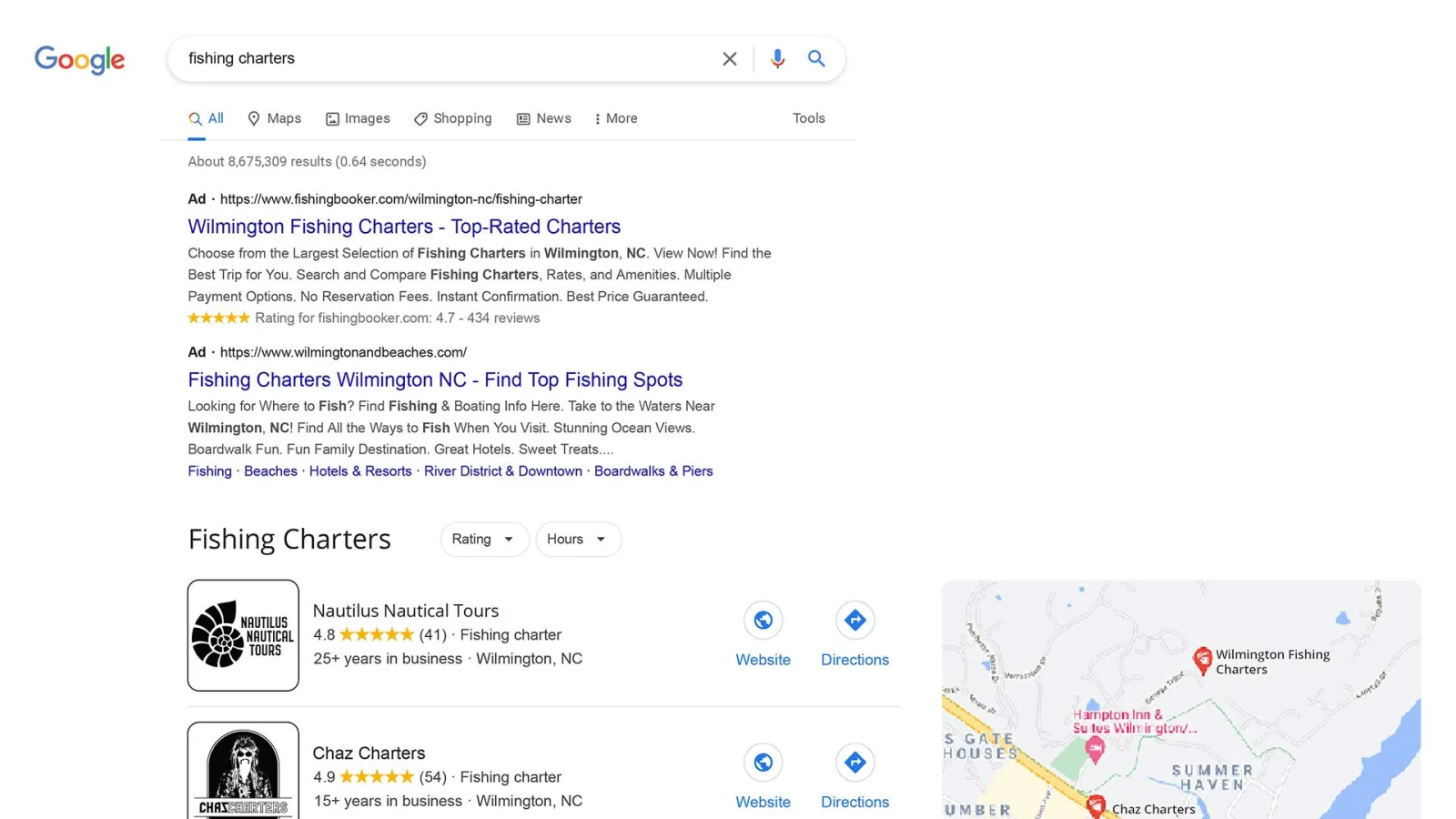
Getting higher results on Google might make all the difference in today's internet world between being discovered and overlooked. Knowing the principles of Google's first-page ranking calls for more than simply keywords. It's about providing helpful material that connects with people. The three most important ranking elements in Google search results are high-quality content, page experience, and internal and external links.