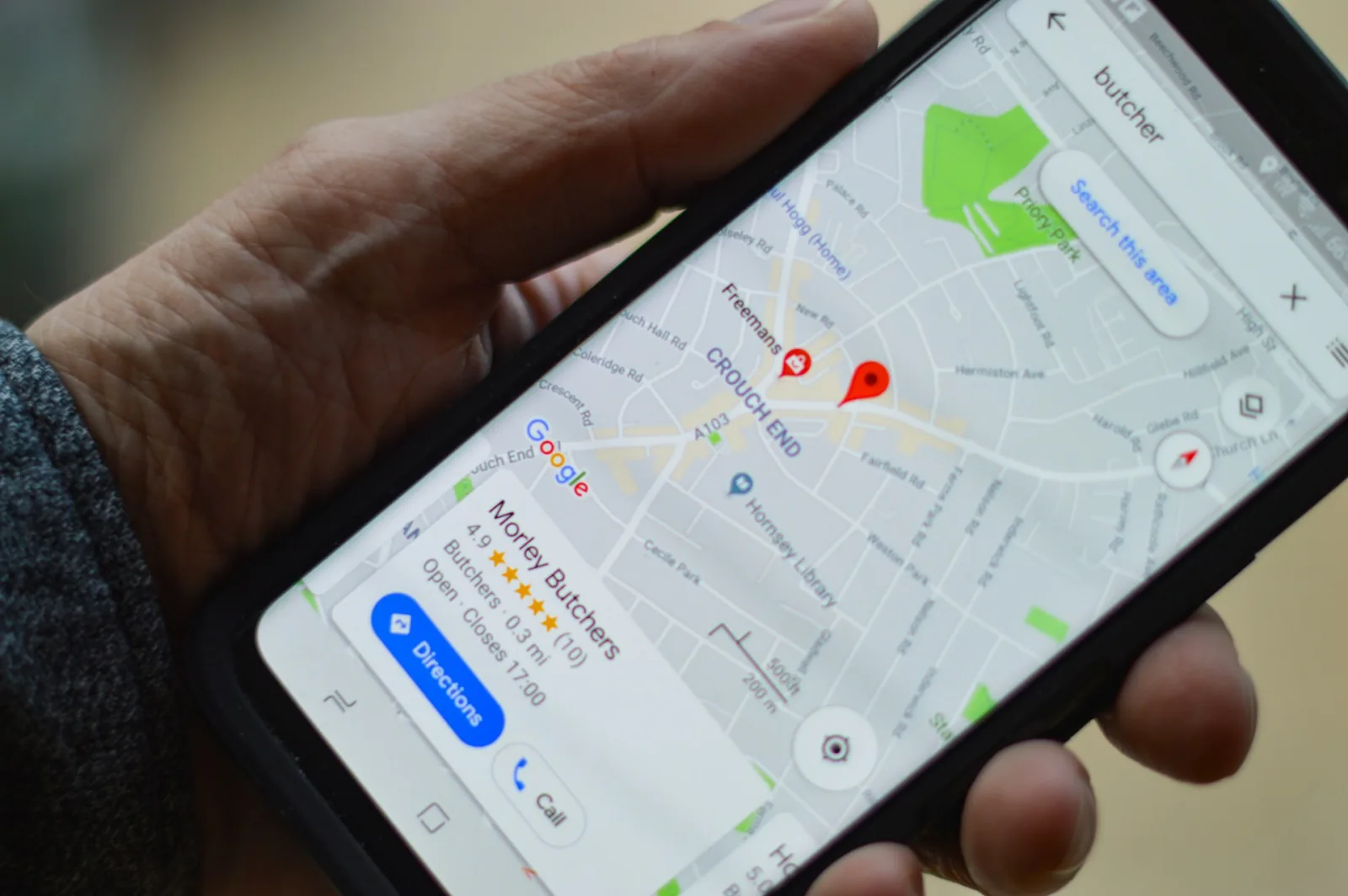
Search engines may look like endless lists of blue links, but for local businesses, the real battlefield is Google Maps. Showing up in the “Map Pack”, those top three map listings that sit above the organic results, often determines whether a customer chooses you or a competitor down the street.
Here’s a stat that should sharpen your focus: according to Webfx statistics, 80% of local searches lead to conversions. And because most of the clicks flow to businesses featured in the Map Pack, the advantage of visibility here is undeniable.
Local SEO is the discipline of making sure your business is the one people see when they search nearby. It’s not a gimmick; it’s a structured set of actions that align your online presence with real-world demand.
This article cuts through the noise and highlights the ranking factors that actually move the needle for Google Maps visibility and why they matter.
The Importance of Local SEO for Businesses
Consumer behavior has changed. “Near me” searches have surged because people want quick, relevant answers. They’re not browsing for hours; they’re looking for a dentist, a restaurant, or a contractor they can call today.
More than 1.5 billion searches each month include the phrase “near me,” a clear signal of local intent. The Local Pack - those three highlighted map results, captures most of the clicks. It’s more than visibility; it’s credibility. If Google places your business in that top trio, users immediately see it as a trusted option.
Maps visibility doesn’t just boost website traffic. It often translates directly into phone calls, visits, and sales. A strong showing here is like securing the busiest street corner in town - only this corner lives in every customer’s pocket.
And according to Search Engine Land, 51% of consumers use Google Maps to find local business information, cementing Maps as one of the most powerful drivers of discovery and transactions today.
Core Local SEO Ranking Factors

Photo by Jakub Żerdzicki on Unsplash
Local SEO rankings are shaped by a mix of signals that tell Google whether your business is credible, relevant, and worth showing to nearby searchers. These are the pillars that determine whether you land in the Map Pack or stay hidden in the background.
1. Google Business Profile (GBP) Optimization
Your Google Business Profile is the foundation. Every detail matters: business name, address, phone number (NAP), hours, categories, services, and attributes. Consistency is critical because mismatched information across platforms confuses Google and customers.
Categories define what you do, while attributes like “wheelchair accessible” or “women-owned” give customers more reasons to choose you. Regular updates: posts, photos, offers - send a signal that the business is active and relevant. Beyond accuracy, fully completing your profile increases the chances of appearing in searches, since Google prefers businesses that provide the most comprehensive information.
2. Proximity
This one is simple: the closer you are to the searcher, the more likely you’ll show up. Proximity is built into Google’s algorithm. You can’t change where your building sits, but you can maximize visibility in nearby areas through content, citations, and relevance.
Expanding your service area on your website and in your GBP helps signal to Google that you’re relevant for multiple neighborhoods, not just your exact address.
3. Relevance
Google matches search queries to your profile. If your GBP description, services, and categories align with what users type, you’re in the running. The key is clear, specific language, not keyword stuffing.
Including keywords naturally in your business description, service list, and even customer reviews can strengthen these relevance signals.
4. Prominence
Prominence is Google’s word for reputation. Reviews, backlinks, citations, press mentions, and how well-known your brand is all matter. A steady stream of high-quality reviews, earned media, and trusted links build credibility that translates into rankings.
The more your business is mentioned online, especially by trusted local sources, the more Google sees you as an authority wort
On-Page SEO Factors That Influence Local Rankings
Your website is still central to local SEO success. It’s where Google double-checks information from your GBP and where users decide whether to call, visit, or move on to the next option.
A polished, optimized site reinforces credibility and helps search engines connect the dots between your business profile and real customer intent.
Local Keywords
Use city names and neighborhood references in titles, headers, and meta descriptions where it makes sense. This tells both users and Google exactly where you operate and increases the chances of showing up for hyper-local searches.
Localized Content
Create dedicated landing pages or blog posts that target specific areas you serve. Highlighting local events, case studies, or customer stories makes the content relevant to people in that community and gives Google more confidence in your local authority.
Google Maps Embedding
Adding a map to your contact page reinforces your location information and gives users an easy way to get directions, which often translates directly into in-person visits.
Schema Markup
Local business schema helps search engines interpret your business details more clearly, from opening hours to service areas. This structured data adds context to your site and can lead to richer search results.
For companies ready to take things further, investing in local SEO services can be the real difference-maker. Professional optimization ensures structured data is implemented correctly, NAP details remain consistent across every platform, and content is built around user intent. The payoff is higher visibility in Google Maps, stronger rankings, and more conversions from the customers who matter most.
The Role of Reviews and Ratings

Photo by Jakub Żerdzicki on Unsplash
Reviews aren’t just social proof - they’re a direct ranking factor.
Google wants to highlight businesses that people genuinely like and trust. Quantity matters, but so do quality and recency. A cluster of glowing reviews from two years ago won’t carry the same weight as a steady stream of recent feedback that shows your business is consistently delivering value.
Star ratings heavily influence click-through rates. When customers scan Google Maps, they’re far more likely to pick the 4.6-star business with 150 reviews over the 3.8-star competitor with only 12. Strong ratings create instant trust and often decide the customer’s choice before they even visit your website.
Best practice? Ask customers for reviews in a natural and respectful way, whether in person, via follow-up emails, or after a completed service. Make it easy for them to leave feedback by providing direct links. Most importantly, respond to every review - positive or negative. Engaging with reviewers shows that you value customer opinions and are committed to improving their experience, which strengthens both trust and visibility in the long run.
Local Citations and Backlinks
Citations are mentions of your business name, address, and phone number (NAP) across directories like Yelp, TripAdvisor, or your local chamber of commerce. They don’t have to send you loads of referral traffic to matter, but they do need to be accurate and consistent everywhere they appear.
Local backlinks - links from reputable sites in your area, act as trust signals that strengthen your authority. Unlike generic links from irrelevant blogs, local links tell Google that your business is embedded in the community. Sponsoring neighborhood events, partnering with nearby businesses, or getting featured in local media are all effective ways to earn these links. The goal is quality connections that tie your business to a real, active local presence.
Behavioral and Engagement Signals
Google doesn’t just evaluate what you say about your business - it measures how people respond to it. Every click on your Map listing, request for driving directions, phone call, or extra time spent on your website is a signal that customers find your business relevant and useful. These engagement actions add weight to your rankings because they confirm real-world interest.
Keeping your Google Business Profile active is key. Adding photos, answering Q&A, posting updates, and refreshing details like hours or offers all encourage users to interact. Higher engagement tells Google your business is a strong match for local searches.
The more people click, explore, and connect with your listing, the more likely you are to be favored in future results.
Mobile Optimization and Technical SEO
Most local searches happen on mobile devices, which means your website has to perform flawlessly on a small screen. If it loads slowly, has clunky navigation, or looks broken on a phone, customers won’t stick around - they'll move on to a competitor. Mobile-first design isn’t a nice-to-have anymore; it’s the baseline expectation.
Page speed and Core Web Vitals are more than just technical metrics. They measure how quickly your site loads, how stable it feels as users scroll, and how responsive it is when they interact. Google rewards sites that deliver a smooth experience because that’s what users demand.
Security is another signal. HTTPS not only protects customer data but also reassures users that your business takes trust seriously. These technical factors are the backbone of local SEO. Without them, all the effort you put into content, reviews, and links can lose its impact.
Common Mistakes That Hurt Local Rankings

Photo by Blake Wisz on Unsplash
Some businesses shoot themselves in the foot with avoidable errors that drag down visibility and credibility:
- Inconsistent NAP across platforms.
- Keyword stuffing in the GBP profile.
- Ignoring negative reviews instead of addressing them.
- Duplicate listings that confuse both users and search engines.
Fixing these missteps doesn’t just help your rankings - it makes for a smoother customer journey and a stronger overall brand presence.
The Future of Local SEO and Google Maps Visibility
AI is reshaping how search results appear, and local search is no exception. Google is becoming smarter at interpreting user intent, meaning it’s less about matching exact keywords and more about understanding context. Voice search is already changing the way people ask questions, with “near me” requests climbing every year as users rely on conversational queries to find immediate solutions.
Google Business Profile will also continue to expand its role. Features like bookings, messaging, service menus, and even product displays are becoming the norm. The platform is evolving from a simple directory listing into a full-service hub where customers can research, interact with, and even purchase directly from businesses.
Those who adapt early to these shifts - by embracing AI-driven updates, optimizing for voice search, and fully leveraging GBP features, will be positioned to capture more visibility and trust. The businesses that wait risk falling behind as local search becomes even more competitive and dynamic.
Conclusion
Google Maps visibility is no longer a “nice to have” - it’s essential. The businesses that win aren’t the ones with the biggest budgets, but those that master the fundamentals: accurate and optimized profiles, relevant content, strong reviews, consistent citations, and websites that work beautifully on mobile.
Local SEO is competitive, but it’s also one of the most measurable ways to connect with real customers ready to take action. For businesses willing to invest in the right factors, Maps isn’t just another ranking - it’s a revenue engine.
Cover Photo by henry perks on Unsplash