 use Joomla\CMS\Uri\Uri;

Search Engine Optimization (SEO) has become the lifeblood for home service businesses looking to dominate their local market. Whether you're fixing pipes, repairing roofs, or installing HVAC systems, your potential customers are searching for your services online before they even think about picking up the phone. In fact, a striking 88% of customers who search online for a local business call or visit that business within 24 hours. That's not just potential business – it's highly motivated customers ready to make decisions on the spot.
For home service providers like plumbers, roofers, and HVAC specialists, the local market presents unique challenges. You're not just competing against the contractor down the street anymore – you're battling for visibility in a digital landscape where the company with the best online presence often wins the job. Add in the seasonal fluctuations many home services experience and the urgent nature of emergency repairs, and it's clear that standard marketing approaches won't cut it anymore.

Written By: Chad J. Treadway | May 05, 2025
Chad is our Chief Smarketing Officer. He will help you survey your small business needs, educating you on your options before suggesting any solution. Chad is passionate about rural marketing in the United States and North Carolina. He also has several certifications through HubSpot to better assist you with your internet and inbound marketing.
Let's start with a truth that's as undeniable as that awkward parent-teacher conference everyone tries to avoid: retention is the unsung hero of sustainable enrollment management.
Here's a number that should make you sit up straighter than a first-grader during a surprise visit from the head of school: finding a new customer (or family) costs FIVE TIMES more than retaining an existing one. And while your success rate of "selling" to a current family might sit at a comfortable 60-70%, that rate plummets to a measly 5-20% with prospective families. So tell me again why you're pouring all those resources into new family acquisition?
The harsh reality is that most private schools aren't strategically addressing retention. In fact, the Enrollment Management Association says only about 1 out of 3 have and established a formal retention committee, essentially leaving family satisfaction and commitment to chance. This systemic oversight creates a leaky bucket situation — frantically pouring in new families while existing ones slip away.
This comprehensive guide will walk you through a structured approach to parent retention that transforms your school from a revolving door to a tight-knit community. We'll explore the critical components that drive satisfaction, identify warning signs before families head for the exit, and implement proven strategies that solidify your relationship with current parents.

Written By: Adam Bennett | May 05, 2025
Adam is the president and founder of Cube Creative Design and specializes in private school marketing. Since starting the business in 2005, he has created individual relationships with clients in Western North Carolina and across the United States. He places great value on the needs, expectations, and goals of the client.
If retention isn't at the top of your strategic plan, you might as well be setting fire to a pile of tuition checks in the quad. Harsh? Perhaps. True? Absolutely.
Let's talk cold, hard cash first. When you're pitching to a current family about next year's enrollment, you're essentially a known commodity – they've already bought into your educational philosophy, they know where the bathrooms are, and their kid has finally figured out their locker combination. The cost to retain these families is minimal compared to the full-court marketing press required to woo new prospects who are simultaneously being courted by every other school in your zip code. Research from Optimove shows that retention costs focus on maintaining relationships with existing customers through targeted programs, requiring significantly less financial outlay than broad acquisition campaigns.
The numbers don't lie (unlike that parent who claims their angel "never behaves this way at home"). Marketing experts across industries report that acquiring a new customer costs 5X more than keeping an existing one. In education terms, that's the difference between a simple re-enrollment email versus funding an entire admissions department with glossy viewbooks, weekend open houses, and those branded stress balls nobody really wants. Studies consistently show it's 6 to 7 times more expensive to acquire a new customer than to keep a current one. (Signal Mind)
But here's where it gets even more interesting – the success rate of "selling" to current families hovers between 60-70%, while converting new prospects limps along at a measly 5-20%. I'm no mathematician, but those numbers suggest you should be focusing at least as much energy on retention as recruitment, if not more. According to one customer experience agency, loyal customers are "5x as likely to repurchase, 5x as likely to forgive, 4x as likely to refer, and 7x as likely to try a new offering." (Carreersupport)
Beyond the financial impact, stable enrollment creates the kind of community continuity that money can't buy. When students progress through your school with the same cohort of peers, they develop deeper relationships, stronger school spirit, and the kind of organic word-of-mouth marketing that makes admissions directors weep with joy. Families who stay for the long haul become your most passionate ambassadors, singing your praises at soccer games and cocktail parties across town.
Let's not forget the institutional benefits: consistent retention rates signal stability to prospective families, accreditation bodies, and potential donors. Nothing says "we've got our act together" quite like families voting with their feet to stay year after year. In the reputation economy, that's pure gold. A study by the National Student Clearinghouse shows that institutions with higher retention rates consistently outperform peers across multiple metrics, signaling institutional health to stakeholders.
Written By: Adam Bennett | May 05, 2025
Adam is the president and founder of Cube Creative Design and specializes in private school marketing. Since starting the business in 2005, he has created individual relationships with clients in Western North Carolina and across the United States. He places great value on the needs, expectations, and goals of the client.

Let's face it: getting your home service business noticed in today's crowded market is tough. While your competitors might be throwing money at billboards and radio spots, you're looking for a more cost-effective way to reach homeowners searching for the services you provide.
Enter the humble blog post – possibly the most underutilized tool in your business toolkit. Unlike that expensive yellow page ad that's outdated the moment it's printed, a well-crafted blog delivers value year-round, attracting homeowners to your website while you're busy on service calls.
In this guide, I'll share the blueprint for creating blog content that not only brings traffic to your home service business website but also converts those visitors into loyal customers. These strategies will help you build a content foundation as solid as your service reputation.
Written By: Chad J. Treadway | April 30, 2025
Chad is our Chief Smarketing Officer. He will help you survey your small business needs, educating you on your options before suggesting any solution. Chad is passionate about rural marketing in the United States and North Carolina. He also has several certifications through HubSpot to better assist you with your internet and inbound marketing.
Let's be honest—your admission pages aren't just digital brochures; they're the virtual front door to your institution. And first impressions? They matter. With 7 out of 10 prospective families forming their initial opinion about your school through your website, those admission pages deserve more attention than the cafeteria menu (though we all know the importance of Taco Tuesday).
The harsh reality is that many private schools invest thousands in stunning campuses and world-class faculty but then drop the ball with lackluster digital enrollment experiences. It's like buying a Ferrari and then putting grocery store brand tires on it. Why sabotage yourself?
In today's competitive educational landscape, strategic admission page optimization directly impacts enrollment numbers. Schools that implement targeted improvements to their digital admission journey see conversion increases on average. That's not just statistical noise—that's real students filling real seats.
In this comprehensive guide, we'll explore ten proven strategies that transform passive website visitors into enrolled students. These aren't theoretical concepts dreamed up in a marketing meeting; they're battle-tested approaches used by leading private schools nationwide to maximize their enrollment potential.
Written By: Adam Bennett | April 30, 2025
Adam is the president and founder of Cube Creative Design and specializes in private school marketing. Since starting the business in 2005, he has created individual relationships with clients in Western North Carolina and across the United States. He places great value on the needs, expectations, and goals of the client.
Summer break is that magical time when the hallways fall silent, the classrooms empty, and private school marketing directors finally have a moment to tackle that ever-growing digital to-do list. Let's face it: your website has likely accumulated some digital dust during the academic year. Between coordinating open houses, managing social media, and producing that monthly newsletter, who has time to prune the digital garden?
But here's the uncomfortable truth: while your campus might be taking a summer siesta, your website is working overtime. Those prospective families considering a $25,000+ annual investment in their child's education are scrutinizing your digital presence with forensic precision. Your website isn't just a digital brochure – it's the virtual front door to your institution, and first impressions happen at fiber-optic speeds.
Think about your private school website as that meticulously maintained campus lawn – neglect it for a season, and suddenly, those weeds of outdated content, confusing navigation, and pixelated photography from 2017 start sprouting everywhere. Regular maintenance isn't just good practice; it's essential for cultivating meaningful engagement with your audience.
So grab your iced coffee, fire up your laptop, and let's roll up our sleeves. Here are eight high-impact ways to transform your private school's website this summer that will set you up for enrollment success in the fall.
Written By: Adam Bennett | April 28, 2025
Adam is the president and founder of Cube Creative Design and specializes in private school marketing. Since starting the business in 2005, he has created individual relationships with clients in Western North Carolina and across the United States. He places great value on the needs, expectations, and goals of the client.

Virality is the dream. One post. Millions of views. Fame. Followers. Free press.
But here’s the catch: viral doesn’t last.
Ask anyone who’s built a real brand online; they didn’t get there with one lucky video. They got there by showing up. Posting. Replying. Engaging. Again and again.
In this article, we’ll break down why consistency beats virality every time and how to build a presence people remember long after the hype fades.
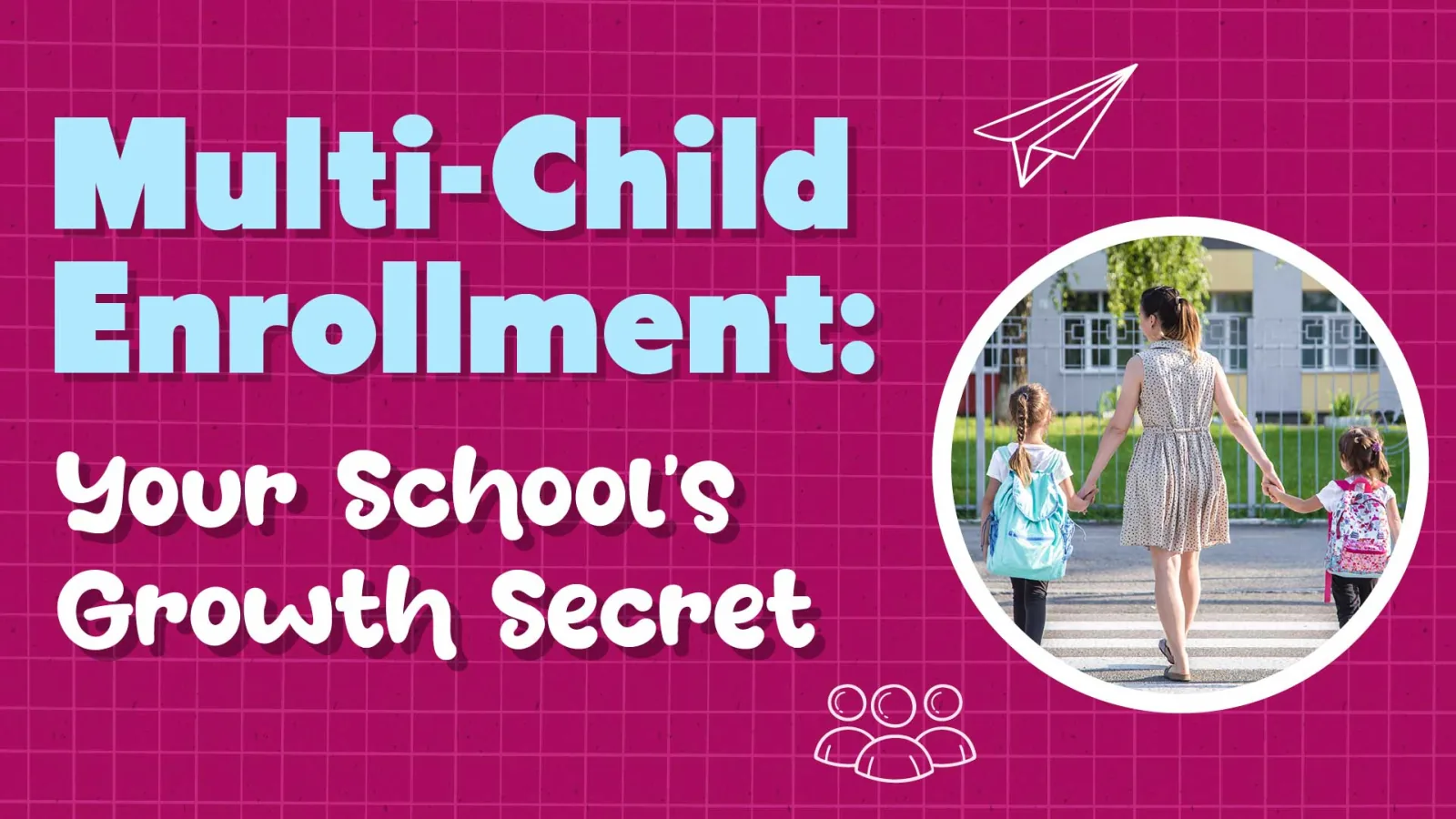
If there's one thing that keeps private school administrators up at night (besides budget meetings and facility issues), it's enrollment numbers. But here's a thought: What if you could increase enrollment without actually increasing the number of families you recruit? Enter multi-child enrollment strategies—the enrollment multiplier you might be overlooking.
Family-based enrollment isn't just convenient; it's strategically brilliant. Research consistently shows that family retention rates exceed individual student retention by 23-27%. Translation: When you enroll siblings, they tend to stay longer, resulting in more predictable revenue streams and lower recruitment costs. Plus, you're dealing with parents who already understand your payment systems, communication style, and academic expectations—eliminating the steep learning curve that comes with each new family.
However, implementing effective multi-child strategies requires more than just slapping a "sibling discount" on your tuition schedule. It demands a comprehensive approach that addresses both financial concerns and the unique needs of families juggling multiple educational journeys simultaneously.
Written By: Adam Bennett | April 23, 2025
Adam is the president and founder of Cube Creative Design and specializes in private school marketing. Since starting the business in 2005, he has created individual relationships with clients in Western North Carolina and across the United States. He places great value on the needs, expectations, and goals of the client.
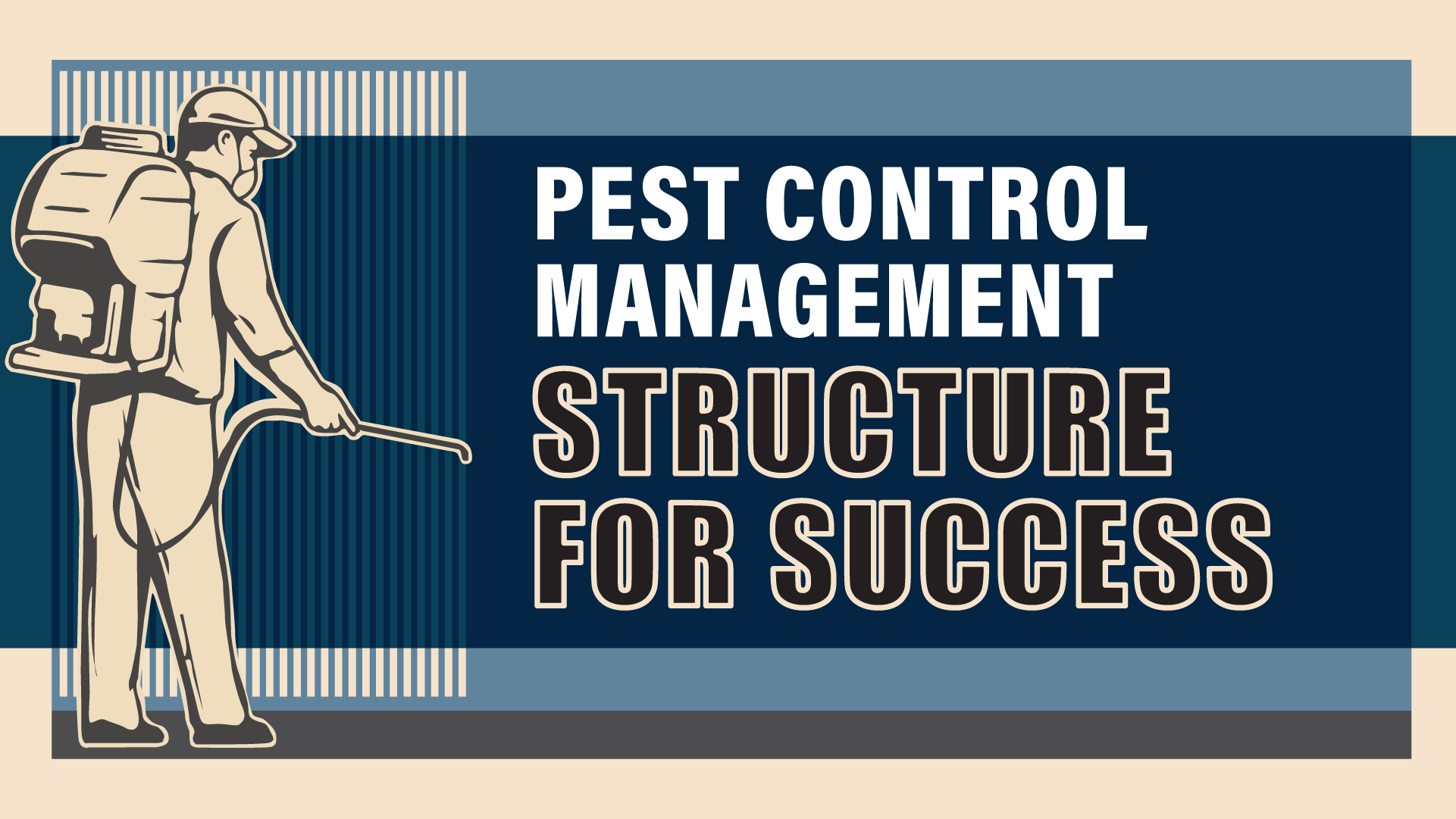
When it comes to running a successful pest control operation, having the right team structure isn't just important—it's "in-pest-pensable." The pest control industry continues to grow steadily, with the market expected to reach over $30 billion globally in the coming years. But behind every successful pest control business are well-managed teams that ensure operations run smoothly, safely, and effectively.
Effective pest control team management goes far beyond simply assigning technicians to service calls. It encompasses everything from creating the right organizational structure to implementing robust communication systems, developing comprehensive training programs, tracking meaningful performance metrics, and maintaining stringent safety protocols.
In this guide, we'll explore each of these critical components to help you build and manage a pest control team that doesn't just eliminate pests but also builds a reputation for excellence in your service area.
Written By: Chad J. Treadway | April 23, 2025
Chad is our Chief Smarketing Officer. He will help you survey your small business needs, educating you on your options before suggesting any solution. Chad is passionate about rural marketing in the United States and North Carolina. He also has several certifications through HubSpot to better assist you with your internet and inbound marketing.
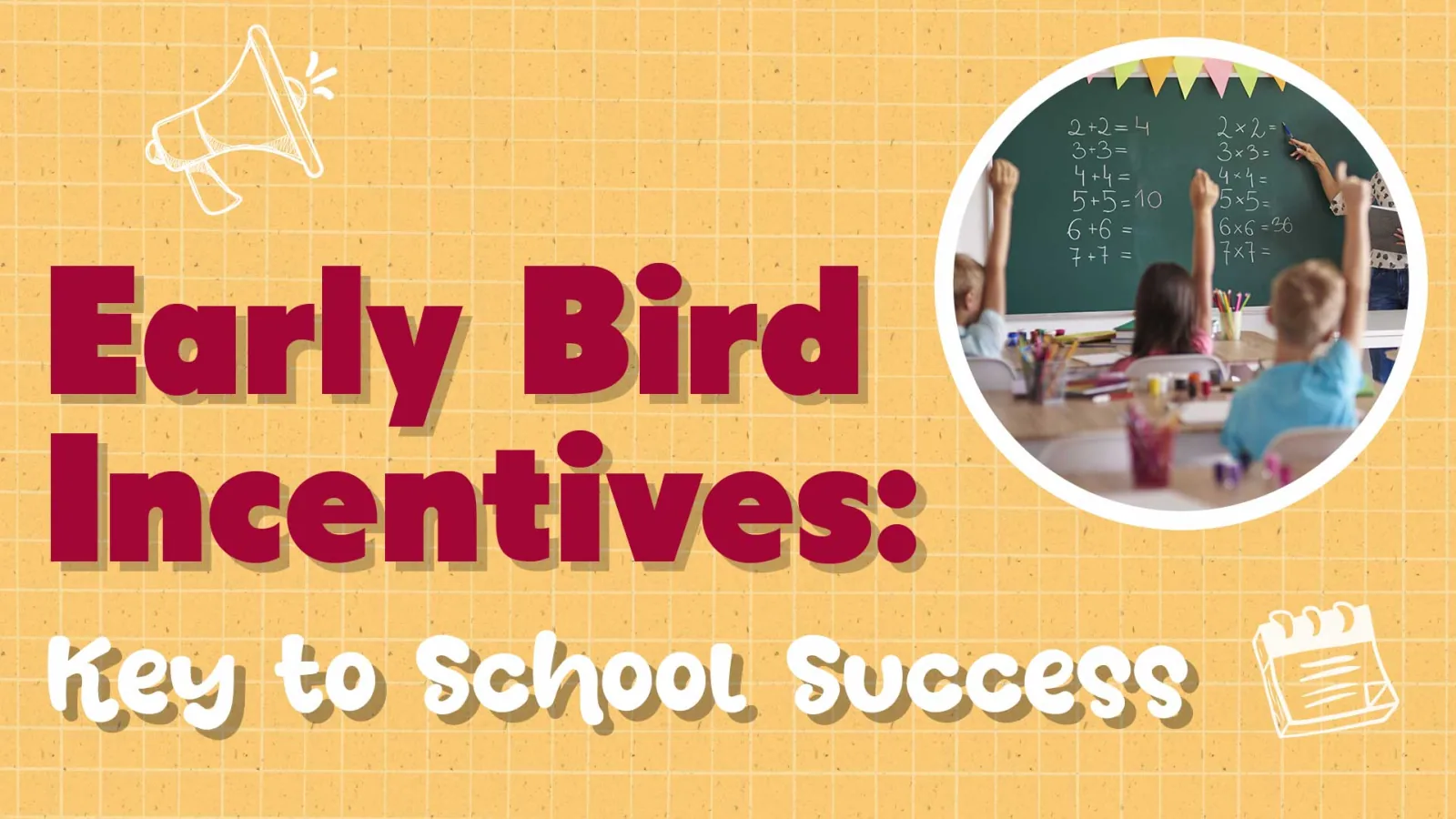
Let's face it—private school admissions aren't getting any easier. Between rising costs, increased competition, and parents who've suddenly become expert negotiators (thanks, internet), securing strong enrollment numbers early can feel like herding cats... in the rain... uphill. Enter early bird incentive programs: strategic discount structures designed to motivate families to commit sooner rather than later.
But wait, you might ask, "Why would I discount tuition when we're already struggling with budgets?" Fair question. The answer lies in the financial psychology that drives decision-making. Early commitments reduce uncertainty, improve cash flow projections, and create momentum in your enrollment funnel. Plus, they transform your typical last-minute enrollment scramble into a more dignified, predictable process—something your admissions team will thank you for when they're not surviving on coffee and anxiety during the summer months.
Picture this: You're an exceptional plumber, roofer, or HVAC specialist. Your work is top-notch, your customers love you, and your rates are fair. There's just one tiny problem – when potential customers in your service area search online, your website is buried deeper than a water main in January. Meanwhile, those big national chains with their flashy commercials and generous marketing budgets are hogging the spotlight like a leaky faucet hogs your attention at 2 AM.
Sound familiar? If you're nodding so hard that you're risking whiplash, you're not alone. For small service area businesses, getting found online often feels like trying to fix a complex electrical issue with nothing but a butter knife and good intentions – frustrating and unlikely to end well.
But here's the good news: You don't need the massive marketing budget of those national competitors to climb the rankings ladder. What you need is a strategic approach to Search Engine Optimization (SEO) that's specifically tailored to home service businesses operating in defined service areas.
In this guide, we'll uncover practical, actionable SEO strategies that will help your business rise through the ranks and get found by the people who actually need your services. From optimizing your Google Business Profile to building a network of local backlinks, we've got you covered with approaches that won't require a second mortgage to implement. Let's turn those search engines from gatekeepers into doormen who usher customers straight to your digital doorstep.
Written By: Chad J. Treadway | April 21, 2025
Chad is our Chief Smarketing Officer. He will help you survey your small business needs, educating you on your options before suggesting any solution. Chad is passionate about rural marketing in the United States and North Carolina. He also has several certifications through HubSpot to better assist you with your internet and inbound marketing.

Since ChatGPT and other generative AI models burst onto the scene in late 2022, SEO has witnessed a seismic shift. We have yet to see people's sci-fi fantasies of human-like machines, but what we do have is changing the SEO game completely.
These tools don't just automate tedious tasks; they fundamentally change how we approach search optimization. The AI-powered SEO landscape of 2025 goes far beyond basic keyword matching. Today's tools understand context, user intent, and content quality almost as well as humans do.
While ChatGPT and Claude might have been your first step into AI-assisted SEO, their skyrocketing popularity comes with good reason. These models do more than just generate text. They help with keyword-rich content creation, content structuring, and even metadata optimization.
With the right prompts and integrations, ChatGPT can assist in keyword research, internal linking, and search intent analysis, while Claude AI is excellent at producing well-organized, high-quality content that aligns with user queries.
While these tools are powerful, if you're looking for AI tools that go beyond content creation and focus on ranking strategies, competitor analysis, and real-time optimization, here are five worth your time this year.