use Joomla\CMS\Uri\Uri;
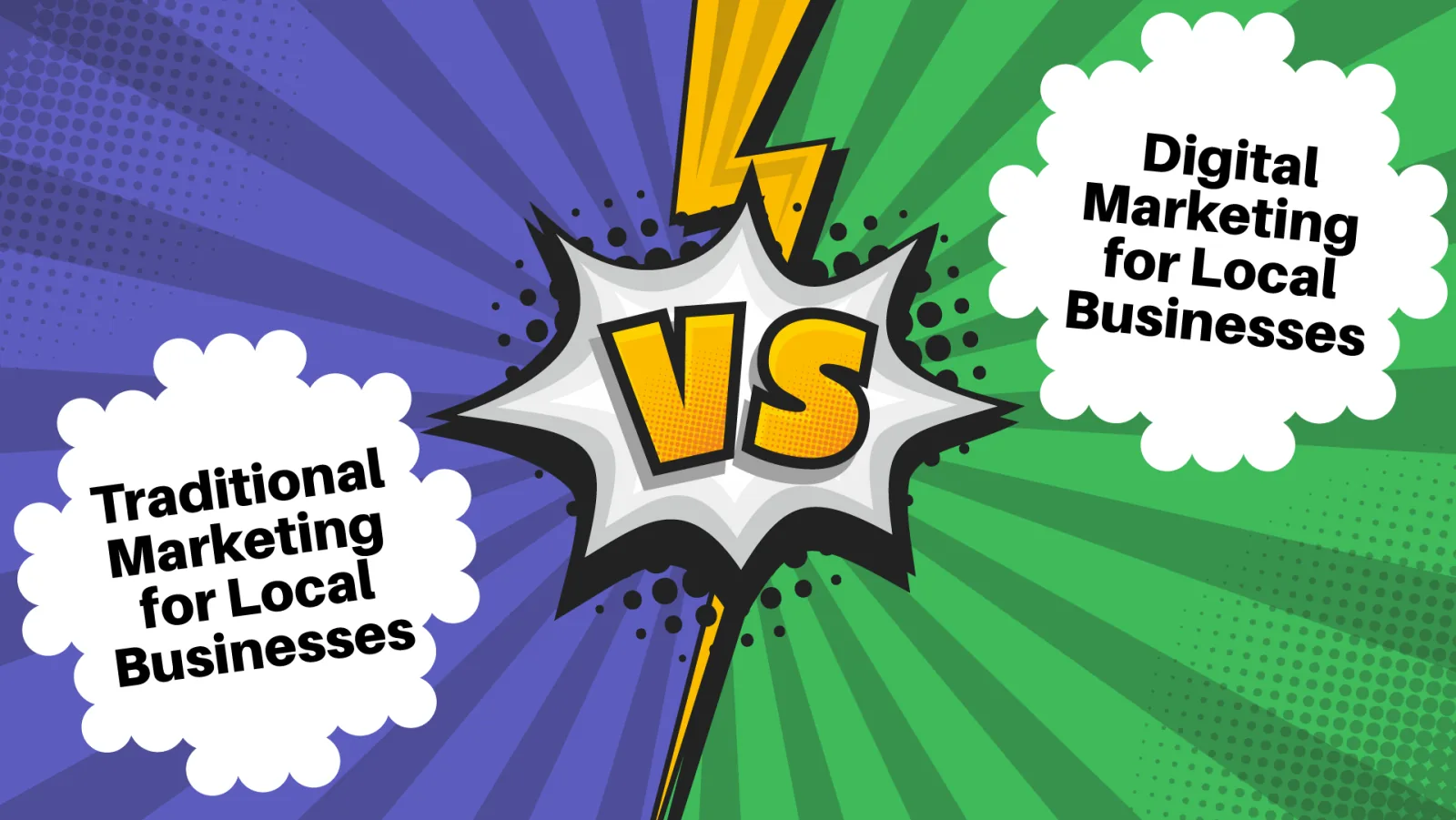
Small service area businesses have a variety of marketing options. Traditional Marketing and Digital Marketing are two popular choices, but which one is better?
In this blog post, we will explore the pros and cons of both traditional and digital marketing to help you determine which approach is best for your small service area business.

Written By: Adam Bennett | May 29, 2024
Adam is the president and founder of Cube Creative Design and specializes in private school marketing. Since starting the business in 2005, he has created individual relationships with clients in Western North Carolina and across the United States. He places great value on the needs, expectations, and goals of the client.
Did you know that 90% of consumers are likelier to trust and choose a local business over a larger competitor? As a small service area business, leveraging local marketing strategies is crucial for attracting clients and building a strong presence within your community. I’ve compiled 15 practical ideas to help you showcase your services and attract clients in your local area.

Written By: Chad J. Treadway | May 27, 2024
Chad is our Chief Smarketing Officer. He will help you survey your small business needs, educating you on your options before suggesting any solution. Chad is passionate about rural marketing in the United States and North Carolina. He also has several certifications through HubSpot to better assist you with your internet and inbound marketing.

In today’s digital age, social media has become an indispensable tool for businesses of all sizes. However, for small service area businesses, the impact of social media can be particularly profound. According to Buffer's report, more than 7 out of 10 marketers believe that their efforts through social media marketing have been “somewhat effective” or “very effective.” As a small business owner, you know that getting your brand in front of potential clients is crucial for growth. However, with limited resources and fierce competition from larger companies, it can feel like an uphill battle.
The good news is that social media levels the playing field, giving small businesses a unique advantage in connecting with their target audience. By leveraging the power of platforms like Facebook, Instagram, and LinkedIn, you can reach new clients, build brand loyalty, and drive sales. In this post, we’ll explore the impact of social media on small service area businesses and provide actionable strategies to help you maximize your presence on these powerful platforms.

Written By: Hannah Kilpatrick | May 27, 2024
Hannah Kilpatrick Cube Creative DesignHannah Kilpatrick graduated from Western Carolina University in 2021 with a Bachelor of Science in Communication with a Minor in Marketing and a Concentration in Public Relations. She has been around social media since its creation. (Meaning, she was in the first grade when Facebook became available to the general public.) As our very own professional Gen-Z, Hannah is a whiz when it comes to social media creation and paid advertising.
As a small service area business in North Carolina, staying relevant and ensuring your target audience finds your website is crucial for success. Whether you’re a plumbing company, an HVAC business, etc., investing time and energy into a local SEO marketing strategy is one of the most lucrative methods to grow your business online. Following these best practices allows you to navigate local SEO like a pro and stay ahead of the competition.
Written By: Chad J. Treadway | May 22, 2024
Chad is our Chief Smarketing Officer. He will help you survey your small business needs, educating you on your options before suggesting any solution. Chad is passionate about rural marketing in the United States and North Carolina. He also has several certifications through HubSpot to better assist you with your internet and inbound marketing.

As a small service area business owner, crafting a successful brand identity is essential for your success. It helps to create trust, loyalty, and recognition with potential clients in your local community. But how can you make sure your branding efforts are effective? We have compiled a list of best practices to help you get the job done.
Written By: Adam Bennett | May 20, 2024
Adam is the president and founder of Cube Creative Design and specializes in private school marketing. Since starting the business in 2005, he has created individual relationships with clients in Western North Carolina and across the United States. He places great value on the needs, expectations, and goals of the client.
Research shows that 80% of small businesses affected by toxic backlinks experience a noticeable decrease in their online visibility and organic search traffic within a few months, ultimately resulting in a 30% drop in annual revenue. As a small service area business, you understand the importance of having a strong online presence to attract and retain clients. Search engine optimization (SEO) plays a crucial role in ensuring your website ranks well in search results, making it easier for potential clients to find you.
However, bad links could be lingering on your site, hurting your rankings and leading to penalties from Google. These bad links often arise from outdated SEO practices, negative SEO attacks from competitors, or simply being unaware of the types of links that can harm your site. Even if you didn't actively pursue these links, they may have accumulated over time, especially if you've hired SEO agencies or consultants in the past who used questionable tactics.
These bad links can decrease your search engine rankings and reduce the number of clients finding your business online. So, what exactly constitutes a bad link? How can you identify them, clean them up, and get your site back on track?
We'll guide you through the process in this post.
Written By: Chad J. Treadway | May 20, 2024
Chad is our Chief Smarketing Officer. He will help you survey your small business needs, educating you on your options before suggesting any solution. Chad is passionate about rural marketing in the United States and North Carolina. He also has several certifications through HubSpot to better assist you with your internet and inbound marketing.

If you’ve heard it once, you’ve probably heard it 1,000 times: Search engine optimization (SEO) is the make or break for any website. Building an online presence is crucial for small businesses serving a local area to attract local clients and stand out from their competition.
Many people, including small business owners like you, sometimes struggle to understand how to optimize their websites to improve their search engine ranking.
For small service area businesses new to SEO, the most important thing to remember is that it's a long-term process, not a quick fix. Achieving top search rankings or even a first-page listing is unlikely to happen overnight or even within a few weeks or months. It's a gradual process that takes time to see real results. However, the payoff in increased local visibility and customer leads makes the effort well worthwhile.
Here's my definition of SEO in 32 words:
Search engine optimization is a set of strategies and practices for improving a website’s visibility and ranking on the search engine results pages (SERPs) and, in turn, increasing organic (non-paid) website traffic.
Search engines, like Google, use complex algorithms to determine the relevance and quality of websites when a user performs a search. SEO involves optimizing various elements of a website, both on-page and off-page, to align with these algorithms and improve the website's chances of appearing higher in search results.
Effective SEO practices require keeping up with search engine algorithm updates, conducting keyword research, analyzing website performance, monitoring competitors, and making continuous improvements to enhance search rankings.
No matter your business or industry, from pest control to construction, SEO is a universal tool to help increase your exposure online, attract targeted organic traffic, and generate more leads. For small service area businesses targeting local customers, SEO is a must to put your business on the map and bring in a steady flow of new business.
Written By: Chad J. Treadway | May 20, 2024
Chad is our Chief Smarketing Officer. He will help you survey your small business needs, educating you on your options before suggesting any solution. Chad is passionate about rural marketing in the United States and North Carolina. He also has several certifications through HubSpot to better assist you with your internet and inbound marketing.
As a small service area business, you may not know that over 7 out of 10 users never scroll past the first page of search results. While it's easy to focus on optimizing your content, title tags, and meta descriptions, page URLs are often overlooked when it comes to search engine optimization (SEO) and local SEO. In this post, we'll explore the basics of URL optimization and provide actionable tips to help your small service area business improve its online visibility and attract more local consumers.
Written By: Chad J. Treadway | May 15, 2024
Chad is our Chief Smarketing Officer. He will help you survey your small business needs, educating you on your options before suggesting any solution. Chad is passionate about rural marketing in the United States and North Carolina. He also has several certifications through HubSpot to better assist you with your internet and inbound marketing.
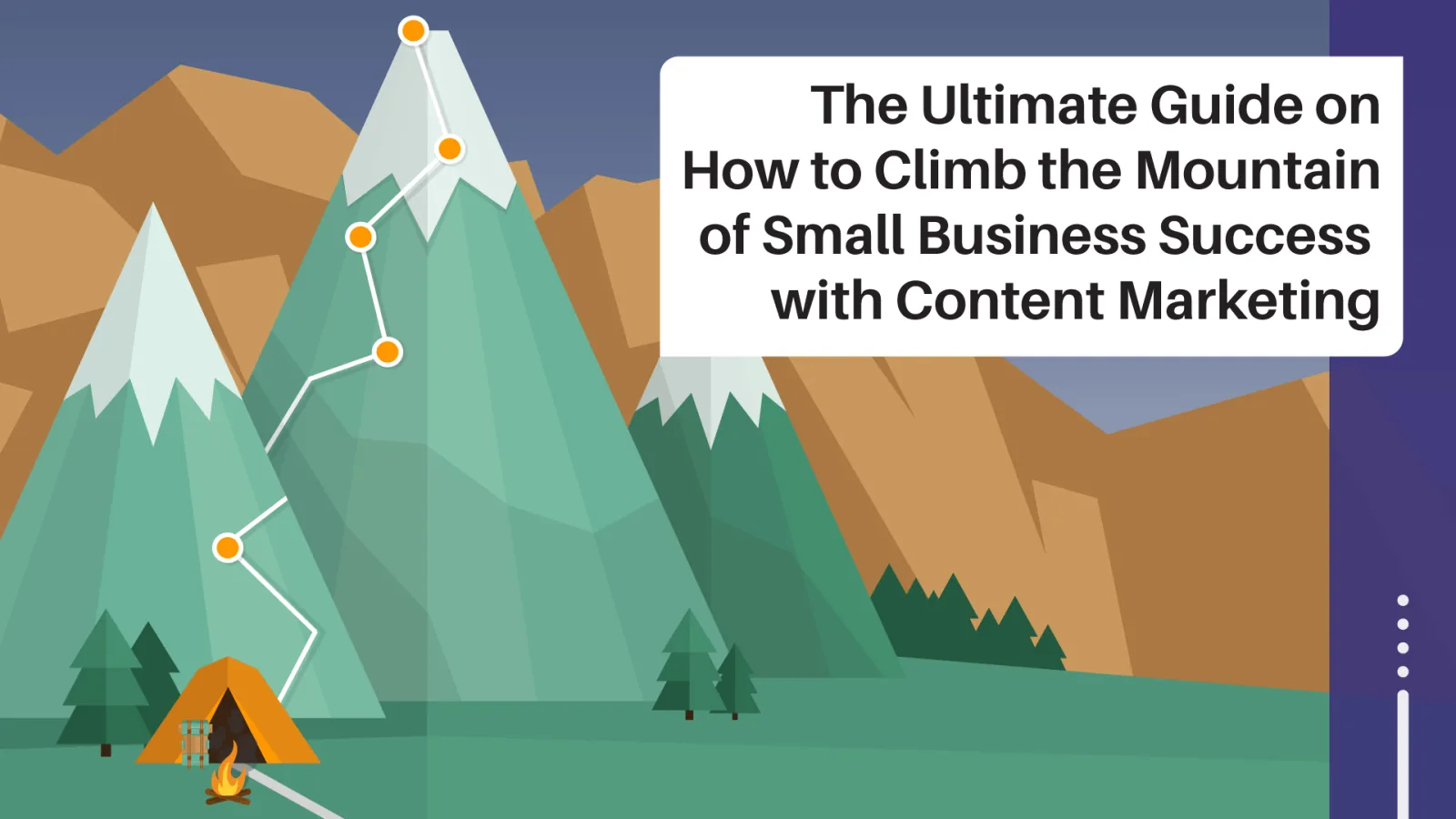
Content marketing has become an essential strategy for businesses of all sizes, but it is particularly crucial for small businesses looking to establish their brand, attract new customers, and grow their online presence. In today’s digital landscape, customers are increasingly turning to the internet to research products and services before making a purchase decision. By creating valuable, informative, and engaging content, small businesses can capture the attention of their target audience, build trust and credibility, and ultimately drive more sales.
In this comprehensive guide, we’ll dive deep into the world of content marketing for small businesses. We’ll explore the benefits of content marketing, walk you through the process of creating an effective content marketing strategy, and provide you with actionable tips and real-world examples to help you succeed. Throughout the guide, we’ll also introduce you to a range of free tools and resources that you can use to implement your content marketing strategy on a budget.
Whether you’re a startup, an established business, or somewhere in between, this guide will equip you with the knowledge and skills you need to harness the power of content marketing and take your small business to new heights.
So, let’s get started on this exciting journey and discover how content marketing can transform your small business!
Written By: Chad J. Treadway | April 29, 2024
Chad is our Chief Smarketing Officer. He will help you survey your small business needs, educating you on your options before suggesting any solution. Chad is passionate about rural marketing in the United States and North Carolina. He also has several certifications through HubSpot to better assist you with your internet and inbound marketing.
As a service area business owner, you understand the importance of effective marketing in attracting new customers and growing your business. However, promoting your business can be challenging, especially with a limited budget. Many traditional advertising methods, such as television or billboard ads, can be relatively expensive for small businesses.
The good news is that numerous low-budget marketing strategies can help you reach your target audience and achieve your marketing goals. By implementing creative, cost-effective tactics, you can build brand awareness, generate leads, and increase customer loyalty without breaking the bank.
In this comprehensive guide, we’ll explore a wide range of low-budget marketing ideas explicitly tailored to the needs of service area businesses. From developing a strong online presence to leveraging community involvement and implementing guerrilla marketing tactics, you’ll discover practical, actionable advice to help you make the most of your marketing efforts.
Throughout the guide, we’ll provide step-by-step instructions, real-world examples, and visual aids to help you understand and apply these strategies effectively. Whether you’re a startup founder, a solopreneur, or an established service area business owner, you’ll find valuable insights and inspiration to take your marketing to the next level.
By the end of this guide, you’ll have a solid foundation for creating a successful low-budget marketing plan that drives results for your service area business. So, let’s dive in and explore the many ways you can promote your business effectively, even with limited resources.
Written By: Chad J. Treadway | April 24, 2024
Chad is our Chief Smarketing Officer. He will help you survey your small business needs, educating you on your options before suggesting any solution. Chad is passionate about rural marketing in the United States and North Carolina. He also has several certifications through HubSpot to better assist you with your internet and inbound marketing.
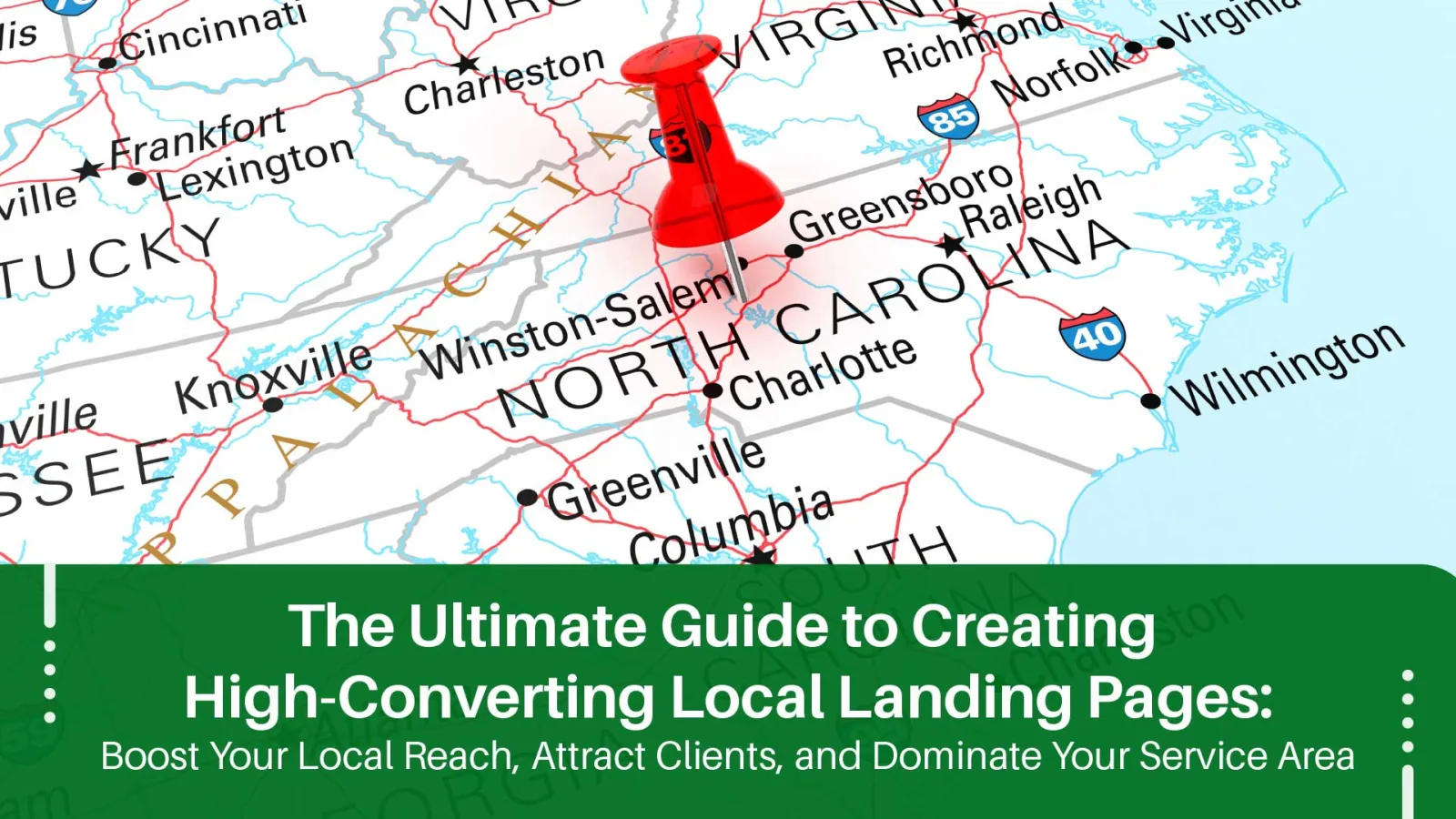
In today’s competitive digital landscape, businesses that want to attract local clients and drive conversions must prioritize the creation of high-converting geographic landing pages. When optimized effectively, these pages can significantly improve search engine rankings, increase conversion rates, and provide a better overall user experience for potential clients in your service area.
In this guide, I will delve into the key elements and strategies necessary to create local landing pages that not only rank well in search results but also persuade your site visitors to take desired actions, such as making filling out a contact form or calling your business.
By implementing the techniques and best practices outlined in this guide, you can unlock the full potential of your geographic landing pages and gain a competitive edge in your market. So, let’s dive in and explore how to craft compelling, high-converting local landing pages that will help your business thrive.
Written By: Chad J. Treadway | April 17, 2024
Chad is our Chief Smarketing Officer. He will help you survey your small business needs, educating you on your options before suggesting any solution. Chad is passionate about rural marketing in the United States and North Carolina. He also has several certifications through HubSpot to better assist you with your internet and inbound marketing.
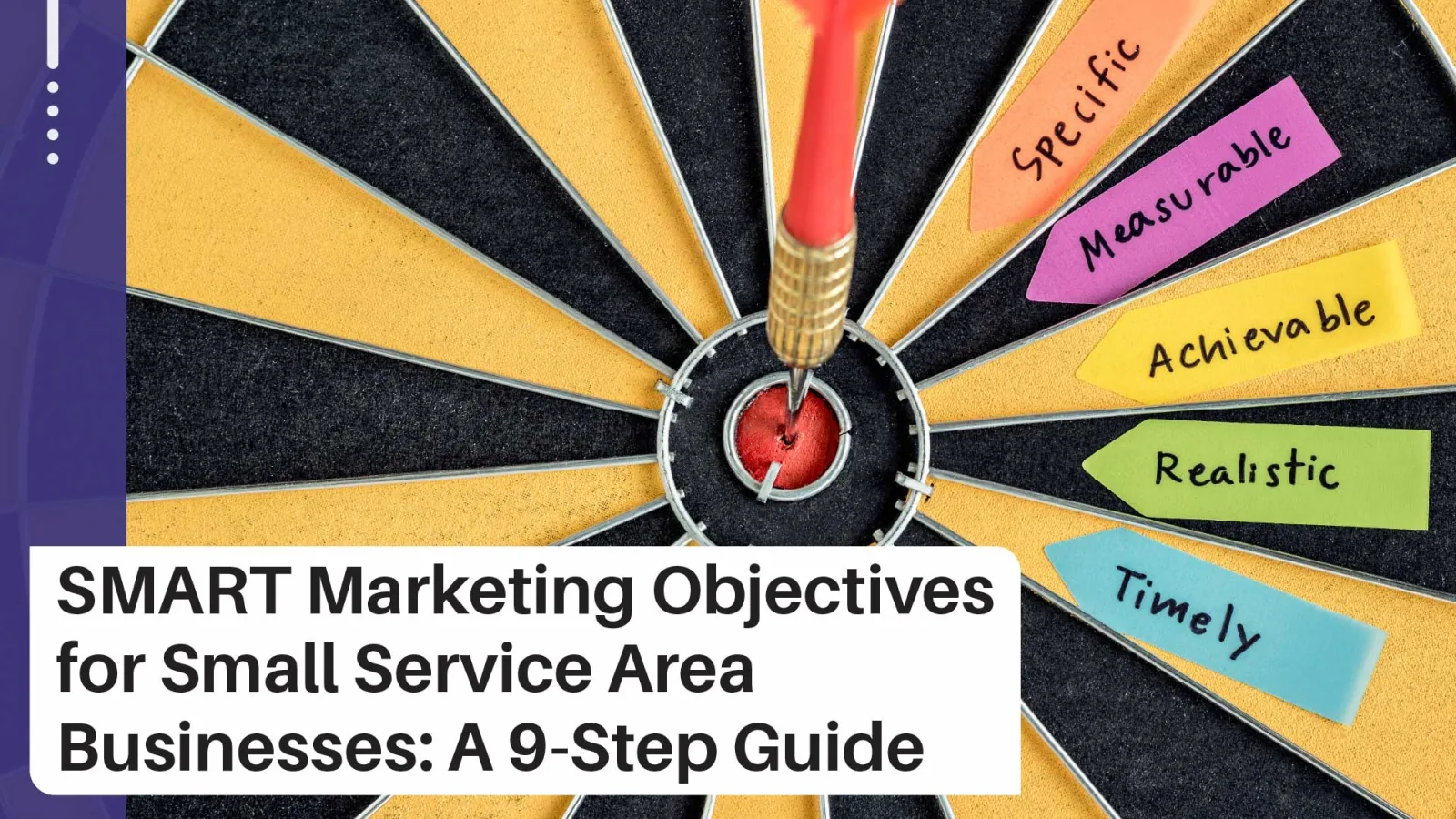
In today’s competitive business landscape, small service area businesses must have a solid marketing plan that sets objectives and aligns them with the company’s overall goals. The key to success is defining clear, measurable, and achievable marketing objectives that reflect your business’s vision and appeal to your target audience.
In this blog post, we will break down the essential elements of effective marketing objectives for small service area businesses. We will explore what SMART objectives are, why they are necessary, and what types of objectives businesses can set to improve customer acquisition, retention, engagement, and revenue.
Written By: Chad J. Treadway | April 10, 2024
Chad is our Chief Smarketing Officer. He will help you survey your small business needs, educating you on your options before suggesting any solution. Chad is passionate about rural marketing in the United States and North Carolina. He also has several certifications through HubSpot to better assist you with your internet and inbound marketing.