In today’s crowded marketplace, customers have an almost limitless array of options when it comes to home services. With such an abundance of choices, consumers now expect home service businesses to consistently deliver a high level of service. What happens if they don’t? The customer has no problem finding another provider.
Salesforce Research surveyed 14,300 consumers and business buyers globally and found that 80% of customers now consider the experience a company provides to be as important as its products and services.
If you want to know what you can do to meet customer expectations, keep reading for top tips.
Ensure Your Services are Simple to Find And Book
One key factor for managing customer expectations is to ensure your services are easily accessible and bookable. You can do this in several ways:
- User-friendly online booking: A seamless online booking feature is essential. Your website should be easy to navigate, with clear service descriptions, transparent pricing, and an intuitive booking process. Consider features like online scheduling tools, real-time availability checks, and personalized service options.
- Mobile optimization: Make sure your website and booking platform are fully optimized for mobile devices. This is crucial as many customers now book services on their smartphones.
- Clear communication channels: Provide multiple communication channels for customers, such as phone, email, and live chat. Promptly respond to inquiries and provide clear, concise information. To manage calls efficiently, use a browser-based business phone that allows you to handle communications directly from your computer.
- Transparent pricing: Clearly communicate pricing information upfront, including any potential extra costs or surcharges. Avoid hidden fees that may surprise and disappoint customers.
- Set realistic expectations: Be upfront about service timelines, potential delays, and any limitations. Overpromising and underdelivering can significantly damage customer trust.
Analyze and Understand Your Customers' Needs
Analyzing customer needs is crucial for any home service business that wants to manage customer expectations. By truly understanding your customers, you can tailor your services to exceed their expectations and build lasting relationships.
Key strategies for analyzing customer needs include:
- Customer surveys: Customer surveys that delve into customer preferences, pain points, and satisfaction levels can yield valuable insights.
- Customer feedback: Analyze customer reviews, testimonials, and feedback from various channels, such as social media, email, and in-person interactions.
- Focus groups: Conduct focus group discussions to gain in-depth insights into customer perspectives and gather qualitative data.
- Data analysis: Analyze customer data, such as purchase history, service requests, and communication records, to identify patterns and trends.
- Competitive analysis: Research your competitors and analyze their offerings, prices, and customer service strategies to identify areas for improvement.
Understand your customers by practicing:
- Active listening: Go beyond simply asking questions. Actively listen to their responses and address their specific requirements.
- Proactive communication: Keep customers informed throughout the entire service process. Provide regular updates, address any concerns promptly, and manage expectations proactively.
Finally, tailor your services to individual customer needs. Offer customized solutions and provide personalized recommendations, as this will help them feel special.
Collect Feedback - Surveys and Other Feedback Forms
Surveys and feedback forms are essential for understanding customer needs and improving service delivery in home service businesses.
By analyzing customer feedback, you can identify areas for improvement, address customer concerns, and enhance overall customer satisfaction. This data helps pinpoint specific issues, measure satisfaction levels, and guide service delivery improvements.
Ishan Mishra, SEO Outreach Specialist at The QR Code Generator, says: “Using a QR code generator, you can create QR codes that link directly to surveys and feedback forms, making it easy for customers to share their opinions instantly. This seamless access encourages higher response rates and more valuable insights.”
Demonstrating to customers that their feedback is valued helps to build trust and loyalty. By actively responding to feedback and making necessary changes, businesses show their commitment to providing the best possible service experience.
Use CRM and Other Automation to Enhance Customer Interactions
CRM and automation tools are essential for home service businesses to enhance customer interactions and thrive in today’s competitive market.
By automating repetitive tasks like scheduling appointments, sending reminders, and generating reports, these tools free up valuable time for staff to focus on providing exceptional customer service.
While CRMs centralize customer information, allowing businesses to gain a 360-degree view of each customer. You can use the data to personalize interactions, tailor service offerings, and proactively address customer needs.
Be Flexible - Provide Various Payment Options
Offering flexible payment options is crucial for home service businesses if they want to attract and retain customers and meet their expectations. Customers expect convenience and flexibility when making payments.
By offering a variety of payment options, such as credit cards, debit cards, digital wallets, and even financing options, you can cater to diverse customer preferences and financial situations. This can increase customer satisfaction and drive sales.
Flexible payment options can also enhance customer loyalty. When customers feel empowered to choose the payment method that best suits their needs, they’re more likely to choose that business over competitors. Finally, implementing secure payment methods and following best practices can help reduce chargebacks, protecting your business and maintaining customer trust.
Be Transparent About Pricing
Transparent pricing is vital for meeting customer expectations and building trust in any business, especially home services.
When customers clearly understand the costs involved upfront, they can make informed decisions and feel more confident in their choice of service provider. Hidden fees or unexpected charges can lead to frustration, disappointment, and eroded trust.
Being transparent with your pricing demonstrates honesty and integrity, fostering a sense of fairness and respect for the customer. When customers feel they are being treated fairly, they are more likely to be satisfied with the service and consider the business for future needs.
Transparent pricing contributes to a positive customer experience, builds long-term relationships, and strengthens a company’s reputation.
Engage Frequently and Stay Accessible With Omnichannel Support
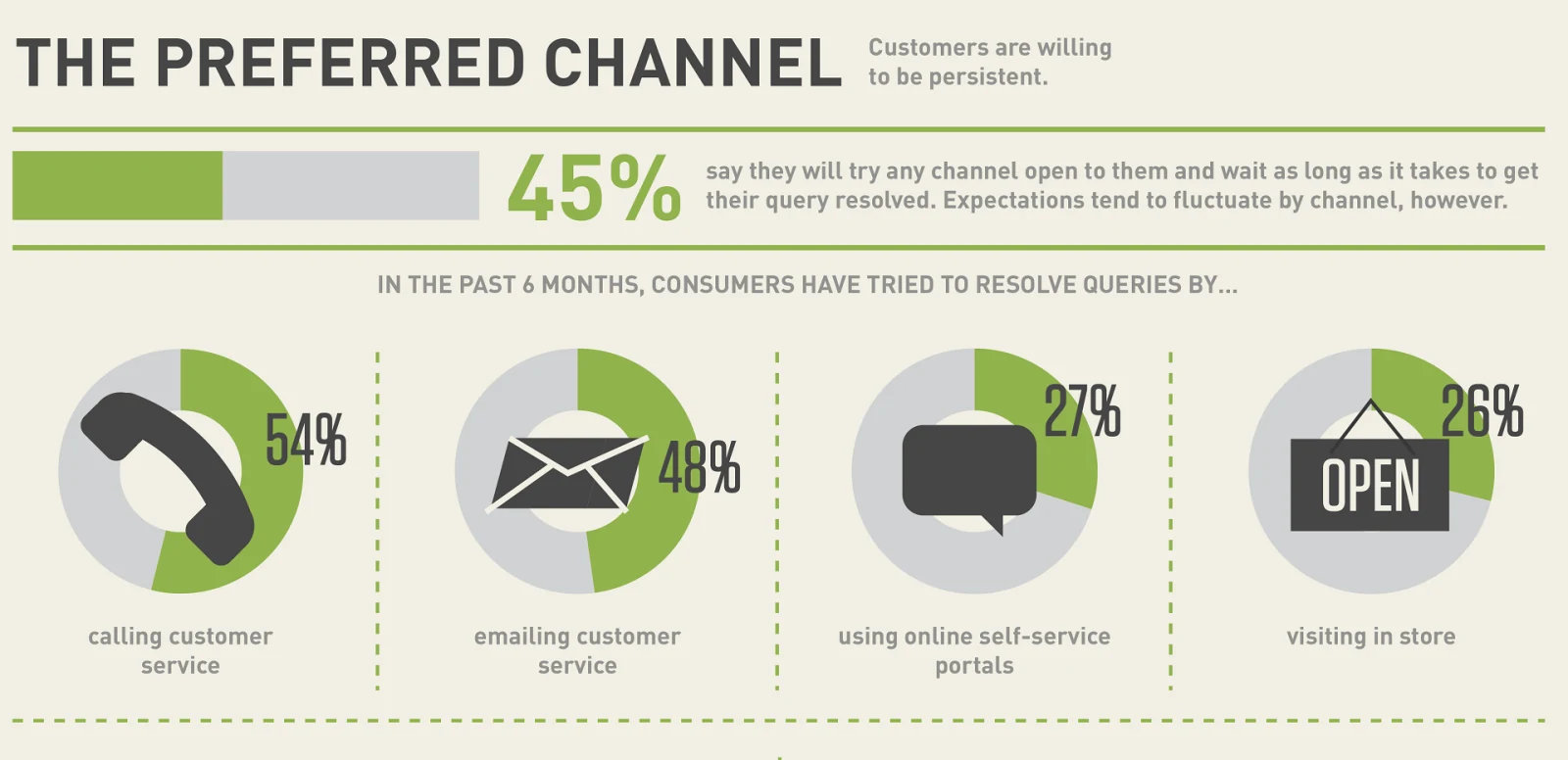
Source: Zendesk
Omnichannel support is critical for meeting customer expectations in today’s hyper-connected world. Customers expect seamless and consistent experiences across all touchpoints, whether they’re interacting through phone calls, emails, online sales presentations, live chat, social media, or in-person visits.
By offering multiple communication channels and ensuring a consistent experience across all of them, home service businesses can:
- Improve customer satisfaction: Customers appreciate the flexibility to choose how they interact with a business and receive support.
- Build stronger relationships: Consistent and personalized interactions across channels foster trust and loyalty.
- Increase efficiency: Omnichannel support can streamline operations and improve efficiency by providing a single source of truth for customer interactions.
- Gain valuable insights: Analyzing customer interactions across different channels provides valuable data that you can use to improve your service delivery and personalize the customer experience.
Ultimately, a strong omnichannel strategy is essential for managing customer expectations and ensuring the long-term success of your business in the competitive home service market.
Show Appreciation - Reward Customers With a Customer Loyalty Program
Customer loyalty programs are essential for home service businesses. They reward repeat customers, foster long-term relationships, and drive business growth.
The key benefits of customer loyalty programs include:
- Increased customer retention: Loyal customers are more likely to choose your services repeatedly, reducing customer churn and increasing revenue predictability.
- Enhanced customer lifetime value: Loyal customers tend to spend more over time, increasing their overall value to your business.
- Word-of-mouth marketing: Satisfied customers are more likely to refer friends and family, generating valuable organic leads. Mykhaela Maling, SEO Outreach Specialist at BrandCrowd.com, says: “When your business has a distinct and professional brand identity, like the logos and designs, it’s easier for customers to recognize and recommend your services to others”.
- Competitive advantage: A strong loyalty program can differentiate your business from competitors and attract new customers looking for a rewarding experience.
- Improved customer data: Loyalty programs provide valuable data about customer behavior and preferences, allowing you to tailor your services and home service digital marketing efforts more effectively.
By introducing a well-thought-out loyalty program, home service businesses can cultivate long-term relationships with their customers, drive repeat business, and gain a significant competitive advantage in the market.
Learn From Negative Client Experiences
Negative client experiences, while undesirable, offer invaluable opportunities for growth in the home service industry.
Firstly, they highlight areas for improvement. By analyzing negative feedback, you can identify recurring issues, such as communication breakdown, scheduling conflicts, or subpar service quality. You can then use this information to refine your processes and improve training and overall service delivery.
Secondly, effectively addressing negative experiences shows a commitment to customer satisfaction and builds trust. Proactively addressing customer concerns, resolving issues promptly, and compensating for any inconvenience demonstrates a customer-centric approach that fosters loyalty.
Finally, learning from negative experiences can prevent future issues. By analyzing the root causes of customer dissatisfaction, you can implement preventative measures, such as improved training, better quality control measures, and stronger communication systems.
In essence, taking negative feedback as a learning opportunity allows home service businesses to continuously improve, enhance customer satisfaction, and build a strong reputation within the community.
Be Proactive
Proactive customer service is essential for home service businesses. By anticipating customer needs and proactively addressing potential issues, you improve customer satisfaction and build stronger relationships with your clients.
Proactive measures include:
- Proactive communication: Regularly communicating with customers, such as sending appointment reminders, service updates, and seasonal maintenance tips, demonstrates attentiveness, and keeps customers informed.
- Personalized service: Analyzing customer data to identify individual needs and preferences allows businesses to offer personalized recommendations and proactive solutions.
- Issue prevention: Introducing preventative maintenance checks and offering proactive advice can help prevent future service calls and reduce customer frustration.
- Building trust and loyalty: A proactive approach demonstrates a genuine commitment to customer satisfaction, building trust, and fostering long-term relationships.
Prioritize a proactive approach to customer service, and you can stand out from your competitors, improve your reputation, and ultimately drive business growth.
Wrapping Up
In today’s competitive home service business landscape, exceeding customer expectations is paramount for your business's success. Focusing on providing a seamless and enjoyable customer journey from initial contact to service completion is crucial.
Leveraging technology is key. Utilize technology to streamline operations, enhance communication, and improve customer interactions.
Continuous improvement is essential. Analyze customer feedback, identify areas for improvement, and adjust your service offerings as needed.
Finally, building strong relationships with customers is key. Demonstrate that you care, exceed your customer expectations, and build trust.
By implementing these strategies, you’ll not only meet but exceed customer expectations, drive customer loyalty, and achieve long-term success.