
Online directories are platforms that organize websites by topic, niche, or industry. They make it easier for people to find relevant businesses, blogs, or resources, and despite what some may believe, they’re far from obsolete. While Google Search, social media, and AI-powered recommendations dominate today’s local search landscape, directory listings are still thriving.
In fact, digital directory usage reached new heights in 2025, with 93% of consumers using online directories to find local businesses at least once a month. (Source: Jasmine Business Directory) That’s a powerful reminder that directories remain an essential part of modern search behavior.
In this post, we’ll break down why online directories still matter in 2026 and how incorporating them into your marketing strategy can help your business stay visible, credible, and competitive.
Businesses You're spending $5,000 a month on Google Ads, another $2,000 on Facebook campaigns, investing in SEO, maintaining a content blog, sending email newsletters, and running seasonal direct mail. Your phone rings. A customer books a $3,500 termite treatment. Which marketing effort gets the credit?
If you answered "whichever one they clicked last," congratulations—you're using the same flawed attribution model that's systematically lying to about half the pest control businesses in America.
Here's the uncomfortable truth: WordStream reported that most marketing budgets now go to digital channels, yet the majority of businesses still can't accurately connect their marketing spend to actual revenue. For pest control operations investing tens of thousands annually in multi-channel marketing, this ambiguity isn't just frustrating—it's a financial liability that's quietly bleeding profitability while competitors who've figured out attribution are gaining ground.
The stakes are higher than ever. According to GM Insights, the pest control industry is projected to grow from $24 billion globally in 2024 to over $40 billion by 2034. But here's the catch: while WordStream found that over 9 out of 10 small businesses planned to increase marketing spend in 2024, only 1 out of 2 are using any form of attribution reporting to track what's working. For pest control operators, this creates both an opportunity and a threat—competitors who figure out attribution first will capture disproportionate market share.
The problem isn't that you're not tracking. You're drowning in data. Google Analytics shows traffic sources. Your call tracking software logs phone numbers. Your CRM records customer origins. But none of these systems talk to each other in a way that reveals the complete story of how a homeowner with a mouse problem became a $250-per-quarter recurring customer.
This guide provides a framework for implementing marketing attribution that works for the operational realities of pest control businesses—where the phone call is king, customer journeys span weeks or minutes depending on urgency, and offline touchpoints like branded trucks and yard signs create awareness that eventually converts online.

Written By: Adam Bennett | November 12, 2025
Adam is the president and founder of Cube Creative Design and specializes in private school marketing. Since starting the business in 2005, he has created individual relationships with clients in Western North Carolina and across the United States. He places great value on the needs, expectations, and goals of the client.
The dreaded email lands in your inbox: "Budget review meeting—Thursday at 2 PM." Your CFO has that look. The one that says your marketing spend is about to get the microscope treatment, and you'd better have more than "impressions" and "engagement metrics" to defend yourself.
Here's the brutal reality: Most pest control business owners can't prove marketing ROI. They're tracking vanity metrics like Facebook likes and website visitors while their partners or board members are asking the only question that matters: "How much money did we make for every dollar we spent?"
If you can't answer that question with numbers, your marketing budget is already dead. You just don't know it yet.
Written By: Adam Bennett | November 12, 2025
Adam is the president and founder of Cube Creative Design and specializes in private school marketing. Since starting the business in 2005, he has created individual relationships with clients in Western North Carolina and across the United States. He places great value on the needs, expectations, and goals of the client.
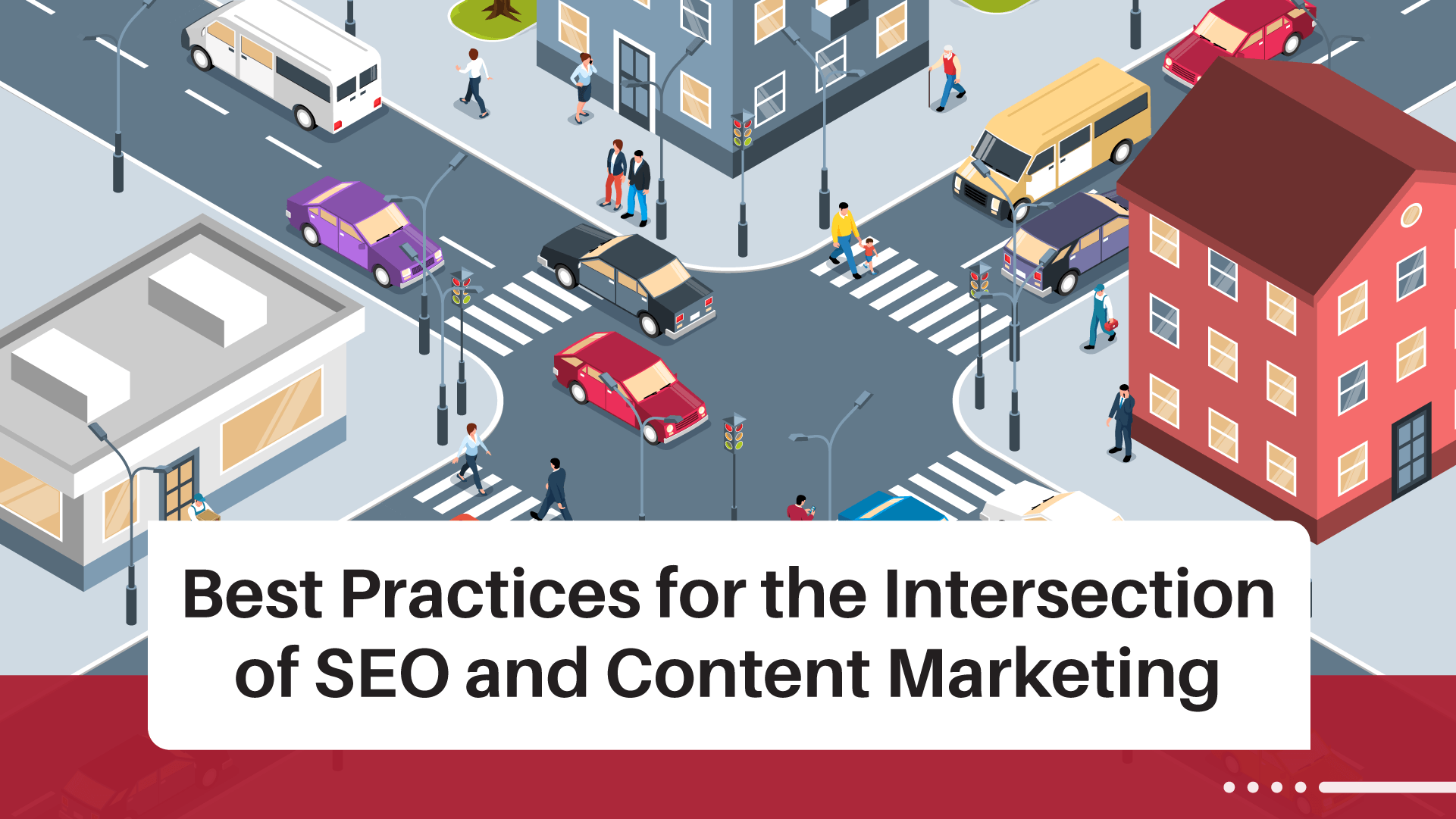
You're the best HVAC technician in town. Your customers love you. Your work is flawless. But your phone isn't ringing like it should. Meanwhile, your competitor down the street (the one who learned the trade last year) is booking three jobs a day. What gives?
Here's the uncomfortable truth: Being good at your trade isn't enough anymore. In 2025, the battle for customers is won or lost before anyone ever picks up the phone. According to Backlinko, 46% of all Google searches have local intent, and BrightLocal reports that 4 out of 5 US consumers search online for local businesses on a weekly basis. If you're invisible in those searches, you might as well not exist.
But here's where it gets interesting: Most contractors think SEO and content marketing are two separate things, like having a toolbox and a truck. They're not. They're more like your heating system and your thermostat—one provides the infrastructure, the other makes it actually work. You need both, and they need to work together.
This isn't just theory. Home service companies implementing these integrated strategies have achieved remarkable results: 23x monthly ROI (The Meridian Company), 172% increase in closed revenue (Jeffrey Burke Plumbing), and 375% increase in leads (Air Duct Brothers). These are real businesses, not fantasy case studies.
This guide cuts through the marketing jargon and shows you exactly how to combine SEO and content marketing to bring customers to you. No theory, no fluff—just practical strategies that work for real small businesses serving real communities.

Written By: Chad J. Treadway | November 12, 2025
Chad is a Partner and our Chief Smarketing Officer. He will help you survey your small business needs, educating you on your options before suggesting any solution. Chad is passionate about rural marketing in the United States and North Carolina. He also has several certifications through HubSpot to better assist you with your internet and inbound marketing.