Picture this: A homeowner's toilet just exploded at 2 AM, water is everywhere, and they're frantically searching for an emergency plumber on their phone. Your website loads... eventually. The text is microscopic, the phone number is buried somewhere in a maze of outdated graphics, and by the time they figure out how to contact you, they've already called three other plumbers.
Sound familiar? If you're still rocking a website that looks like it was designed during the Bush administration (either one), you're not just missing calls – you're hemorrhaging money faster than a burst pipe in January.
Here's the brutal truth: Your website isn't just a digital business card anymore. It's your 24/7 sales representative, your credibility validator, and often the deciding factor between landing that $5,000 HVAC replacement or watching it go to your competitor down the street. Small businesses need strategic marketing approaches to maximize every digital touchpoint.
Don't believe me? Let the numbers do the talking. These 16 statistics will either convince you to finally pull the trigger on that redesign or help you sleep better knowing your competition is making these mistakes while you're not.

Written By: Adam Bennett | October 14, 2025
Adam is the president and founder of Cube Creative Design and specializes in private school marketing. Since starting the business in 2005, he has created individual relationships with clients in Western North Carolina and across the United States. He places great value on the needs, expectations, and goals of the client.
If you're running a pest control business and wondering why your phone isn't ringing despite having a website, you're not alone. The local search environment has become more complex than trying to track down a sneaky mouse, but the good news is? Once you understand the game, you can absolutely dominate it like a pro exterminator.
Local search isn't just important for pest control businesses—it's everything. When someone discovers termites swarming their foundation at 9 PM on a Sunday, they're not flipping through the Yellow Pages. They're grabbing their phone and frantically searching for "emergency pest control near me." If you're not showing up in those crucial panic moments, you're missing out on high-value jobs that could make or break your quarter.
Here's what the data tells us:
- 46% of all Google searches have local intent (Source: BrightLocal)
- 97% of customers search online for pest control services (Source: WorkWave)
- Around one-in-five Google searches in March 2025 produced an AI summary (Source: Pew Research Center)
- Emergency pest control services see conversion rates reach 70-85% (Source: Cube Creative Design)
- Google users are less likely to click on links when an AI summary appears in the search results compared to searches without AI summaries (Source: Pew Research Center)
That's not just statistics—that's your livelihood scurrying away to competitors who understand effective pest control marketing strategies.

Written By: Chad J. Treadway | October 13, 2025
Chad is a Partner and our Chief Smarketing Officer. He will help you survey your small business needs, educating you on your options before suggesting any solution. Chad is passionate about rural marketing in the United States and North Carolina. He also has several certifications through HubSpot to better assist you with your internet and inbound marketing.

The pest control industry rakes in a whopping $26 billion every year, according to IBiSWorld. Interest in DIY pest control has surged as homeowners look for safe, budget-friendly options in their pantries. Google has seen a spike in keywords like "eco-friendly"," non-toxic", and "smart pest control.”
The aisles of commercially available products are a typical first line of defense against pests before calling an exterminator for help.
Store-bought products rely on the consumer to identify the pest and understand the instructions. Even if the consumer clears those hurdles, the products on the shelves are less effective than those used by the pros.
With so much room for error, we can identify opportunities to educate the target market and turn them into paying customers.
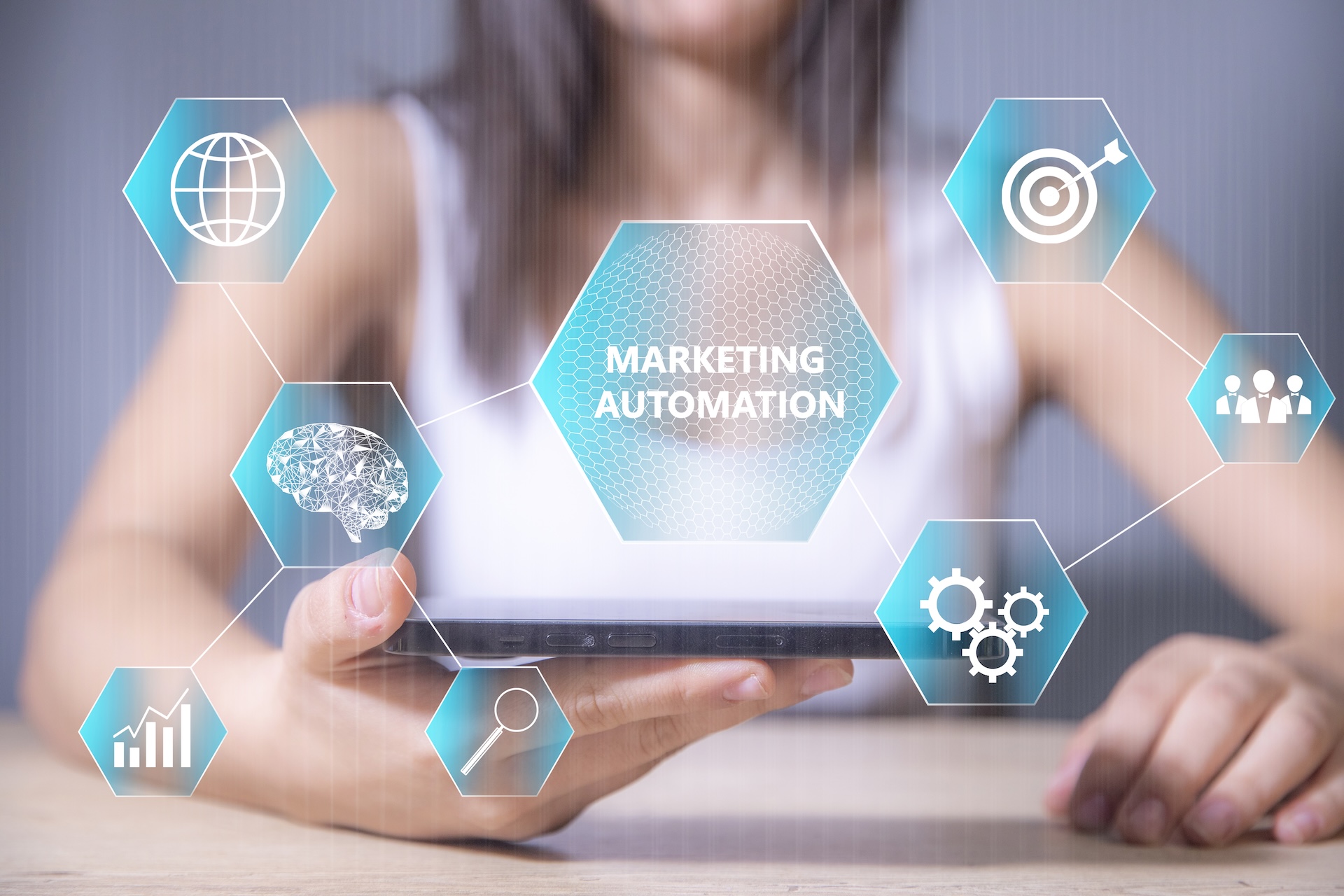
Marketing nowadays is more than simply commercials and campaigns; it's about delivering the right message to the right person at the right time, through the appropriate channel, and at scale. That's where marketing automation comes in. It's the method that helps brands plan trips, make content more relevant, make the most of touchpoints, and free up teams from doing the same things over and over again.
The automation tools of the past were mainly used for email processes and splitting up lists. The field is changing quickly, though. Automation is going to new places because of new technologies, changes in data, and changing customer standards. If brands don't pay attention to these new trends, they could fall behind.
Find the leading automation trends influencing 2025 and beyond below, along with practical examples and starting points.