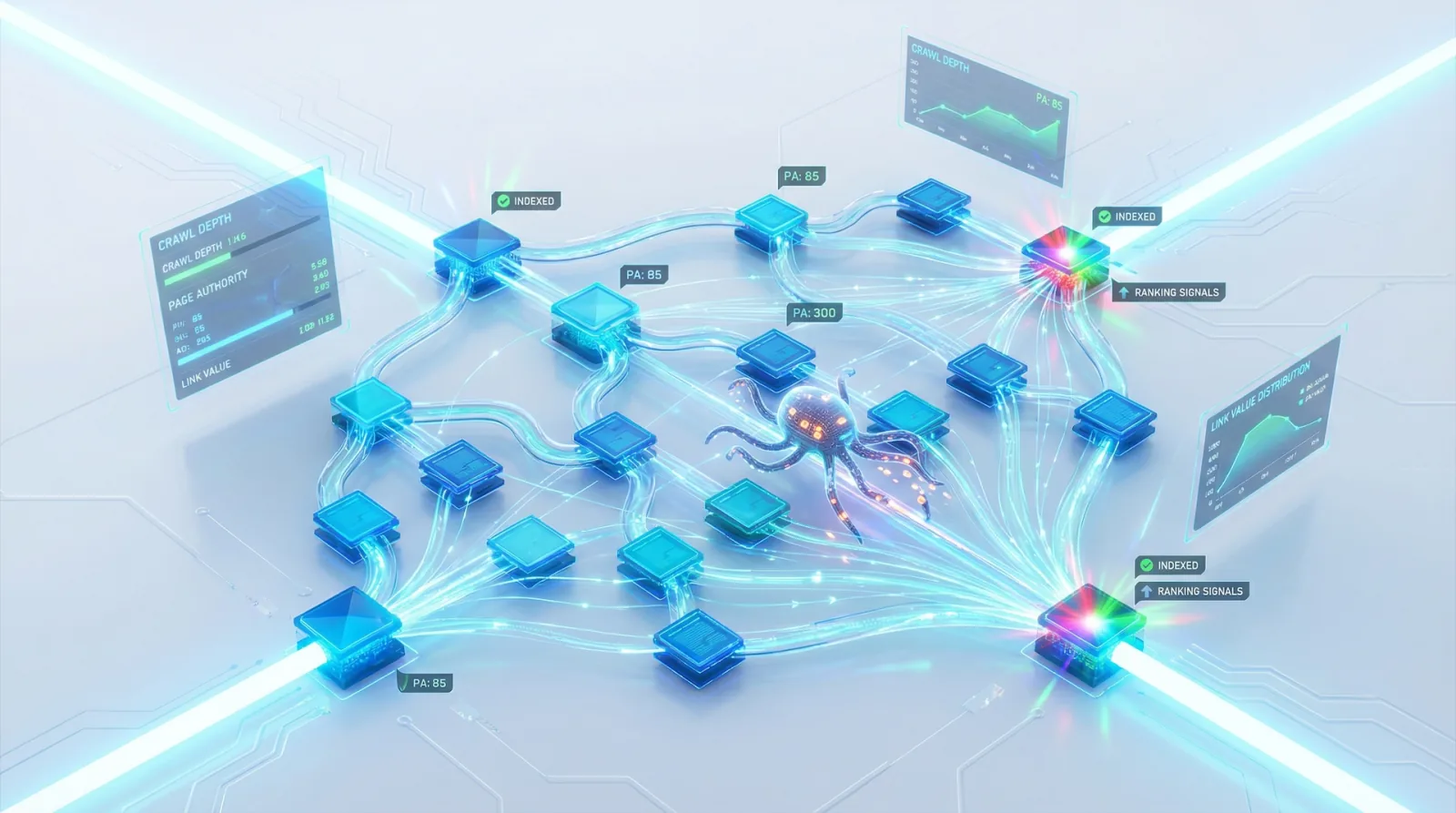
Backlinks remain one of the strongest signals search engines use to evaluate authority and relevance. However, earning links is only part of the equation. If search engines struggle to discover those links, their value is delayed or diminished. Smart website design plays a critical role in how quickly backlinks are found, crawled, and counted. By structuring your site with search engines in mind, you can help backlinks surface faster and contribute to stronger visibility.
Why Website Design Affects Backlink Discovery
Search engines rely on crawling pathways to move through the web. When a backlink points to a poorly structured page, that link may sit unnoticed for weeks. Design elements such as navigation depth, internal linking, and page hierarchy directly influence how easily crawlers can reach and understand linked content.
A clean, logical design helps search engines flow naturally from one page to another. When backlinks point to pages that are already well connected internally, crawlers are far more likely to encounter them quickly and assign value sooner.
Building a Crawl-Friendly Site Structure
A shallow site structure is one of the most effective ways to support backlink discovery. Ideally, important pages should be reachable within three clicks from the homepage. This ensures that when external links point to those pages, crawlers can access them without hitting dead ends or unnecessary layers.
Using clear categories and avoiding excessive subfolders helps reinforce topical relevance. Pages that sit too deep in the structure often receive less crawl attention, slowing down the recognition of incoming backlinks.
Internal Linking as a Discovery Accelerator
Internal links act as signposts for search engines. When a new backlink points to one page, internal links help distribute that discovery across related sections of the site. Contextual internal links placed naturally within content are especially effective, as they provide both relevance signals and crawl paths.
Linking newer or frequently updated pages to older authoritative content can also improve crawl frequency. When backlinks land on pages supported by strong internal networks, they become part of a wider, more visible ecosystem.
Navigation and UX That Support Crawling
User experience and crawl efficiency often align. Simple navigation menus, consistent URL structures, and descriptive anchor text all help search engines understand page relationships. Avoid relying heavily on JavaScript-based navigation for critical links, as it can limit crawler access.
Footer links and HTML sitemaps can provide additional pathways for discovery, especially for deeper pages that may receive backlinks. The goal is to ensure no linked page exists in isolation.
Technical Design Elements That Matter
Fast-loading pages are crawled more efficiently. Optimized images, clean code, and minimal redirects reduce friction for search engine bots. Broken links and crawl errors can disrupt the path to valuable backlinks, so regular audits are essential.
Canonical tags should be used carefully to avoid confusion when backlinks point to similar or duplicate URLs. Clear canonical signals help search engines assign backlink value to the correct version of a page.
Supporting Faster Indexing of New Backlinks
Even with a strong design, some backlinks may still take time to appear in search results. This is where proactive indexing support can make a difference. Tools like linkindexer are often used alongside good site design to encourage faster discovery and indexing of backlinks, especially for new or lower-authority pages.
When your site is already crawl-friendly, these efforts tend to be more effective, as search engines encounter fewer obstacles once they arrive.
Designing With Long-Term Visibility in Mind
Helping search engines find backlinks faster is not about shortcuts. It’s about removing friction. A well-designed website makes every backlink easier to reach, easier to understand, and quicker to value. By focusing on structure, internal linking, navigation, and performance, you create an environment where backlinks can work harder for your SEO strategy.
Over time, this approach leads to more consistent indexing, stronger authority signals, and a site that supports organic growth without constant intervention.