It is late July. Somewhere in your inbox is a three-month-old chain of emails from a family that toured in April and went quiet. Your social media has not been updated since the spring concert. Open house dates are on the calendar but not on the website. And the inquiry list you meant to clean up in May is sitting in the same spreadsheet you opened last August.
If any of that sounds familiar, you are not behind because you are bad at your job. You are behind because summer at a school is not a break; it is a compressed sprint of re-enrollment, new family onboarding, staff orientation, and facilities work. Marketing is the thing that gets pushed when something has to give.
Here is the problem. The schools that own September and October are not starting back-to-school marketing in August. They started in June. Whether you run a budget-conscious K-8 or a 600-student independent, marketing for private school leaders follows the same rhythm: prep in summer, execute in fall, recover in winter. Skip the prep, and the execution falls apart in slow motion.
This post is a working framework for the next eight weeks. It is not a pep talk, and it is not a checklist for beginners. It is what veteran school marketers wish someone had handed them in early June.

Written By: Adam Bennett | June 30, 2026
Adam is the president and founder of Cube Creative Design and specializes in private school marketing. Since starting the business in 2005, he has created individual relationships with clients in Western North Carolina and across the United States. He places great value on the needs, expectations, and goals of the client.
You've invested time and resources into a family tour. The parents walked the halls, met teachers, and watched your students collaborate in a classroom. You sent follow-up emails. Maybe you scheduled another conversation. Then: silence. Months later, they enroll somewhere else.
Here's the uncomfortable truth: you probably don't know when they're actively shopping again. And if you did, you'd be guessing about what changed in their situation. Most private school marketing teams treat these families as lost. But they're not lost. They're dormant.
This post shows you how to recognize when dormant leads warm back up, understand what they're actually looking for this time, and reach out with intelligence instead of desperation.
Written By: Adam Bennett | June 29, 2026
Adam is the president and founder of Cube Creative Design and specializes in private school marketing. Since starting the business in 2005, he has created individual relationships with clients in Western North Carolina and across the United States. He places great value on the needs, expectations, and goals of the client.
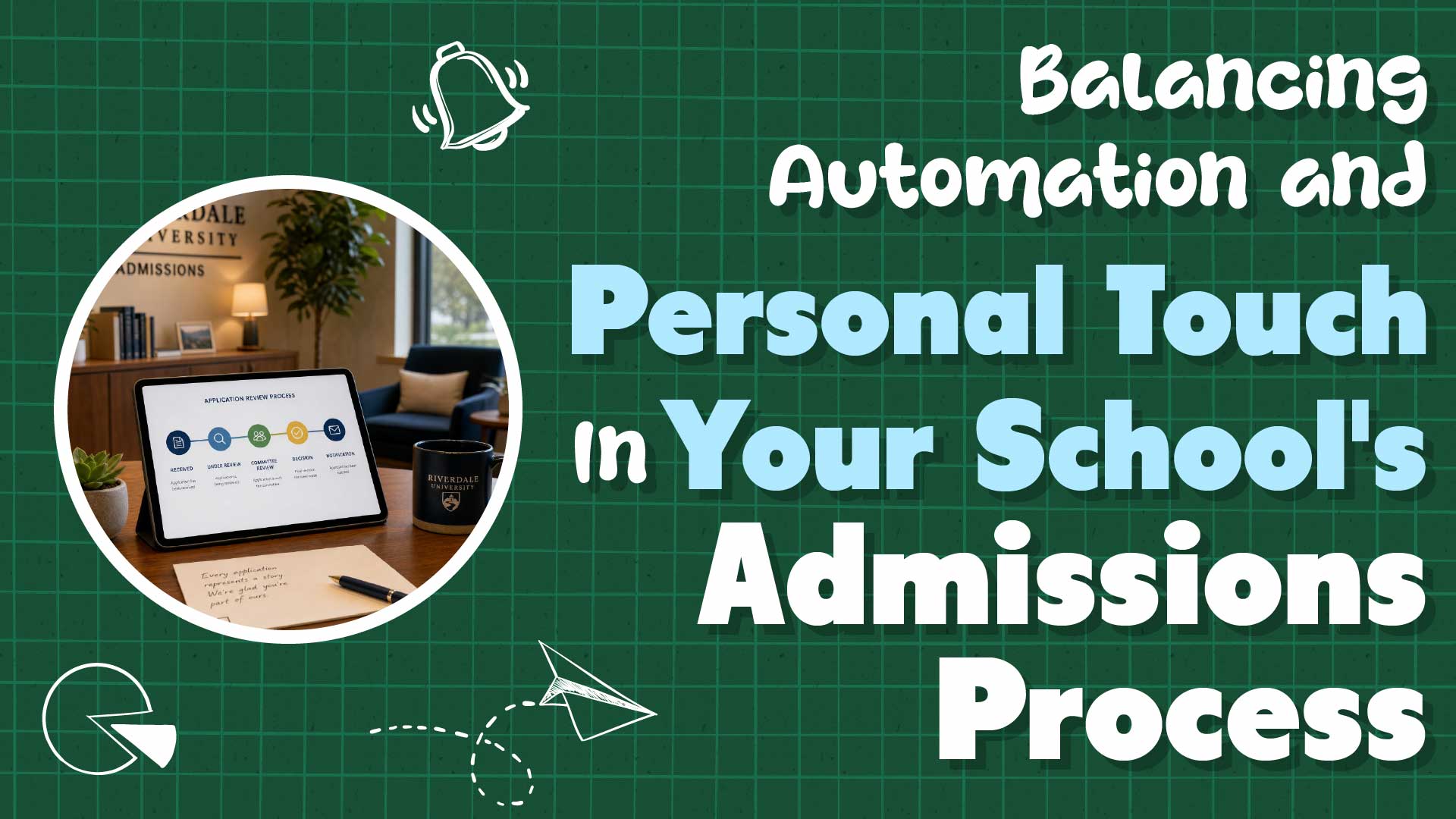
Your admissions team is drowning in routine tasks. Inquiry responses, family record creation, status updates, and email sequences. They're all necessary, but they're eating the time your counselors should spend on actual conversations with families. And here's the tension: you know your school's greatest competitive advantage is the personal touch. So how do you modernize without becoming a robot?
The answer isn't choosing between automation and human connection. It's recognizing that private school admissions work best when systems and people play different roles. Automation handles what's predictable. People handle what's nuanced.
This post walks you through where to place automation in your admissions workflow and, more importantly, where to keep humans in charge. You'll see how the best-performing schools aren't the ones doing everything by hand or the ones that fire-and-forget emails to families. They're the ones that let technology free up human attention so meaningful conversations can actually happen.
Written By: Adam Bennett | June 29, 2026
Adam is the president and founder of Cube Creative Design and specializes in private school marketing. Since starting the business in 2005, he has created individual relationships with clients in Western North Carolina and across the United States. He places great value on the needs, expectations, and goals of the client.
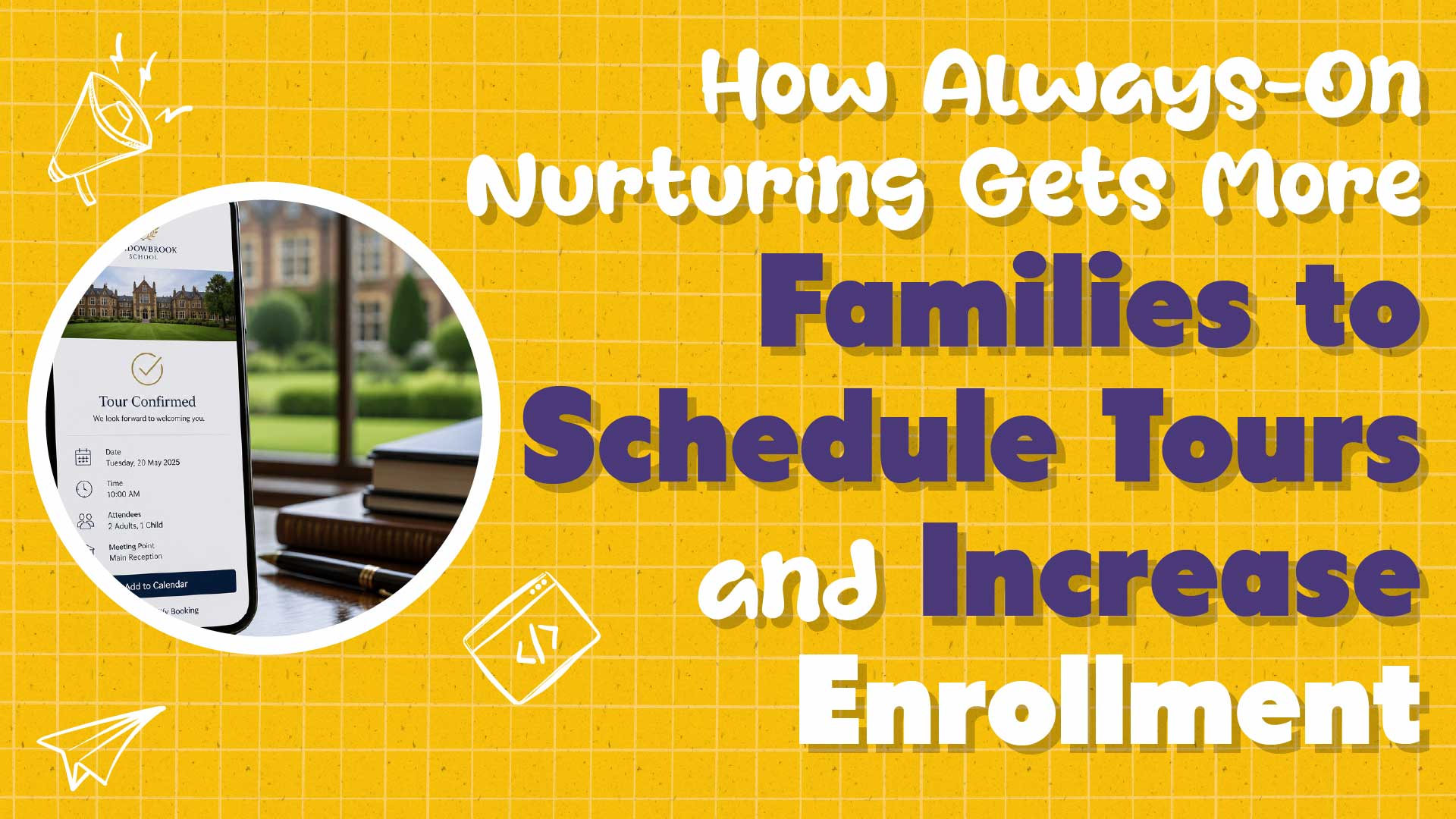
Timing is everything in admissions. Families research on their own schedule. late at night, on weekends, between meetings. They compare schools, download guides, and click through your email campaigns. But if your admissions team only follows up during business hours or when someone has bandwidth, you're watching enrollment opportunities slip away.
Here's the hard truth: if your school only responds to inquiries when someone notices them, you've already lost momentum. Private school marketing teams are stretched thin, especially during peak season. You're managing tour requests, student applications, financial aid questions, and parent calls. often with just one or two people. Something has to give, and usually it's the speed of first contact.
That's where automating the first response comes in. It's not about replacing your team. It's about ensuring that families hear from you immediately, consistently, and with relevance, regardless of when they reach out. No more families waiting days for a reply. No more inconsistent follow-ups. No more lost chances because your admissions director was in a meeting or out sick.
Let's walk through how always-on nurturing works and why it's the competitive edge your school needs.
Written By: Adam Bennett | June 26, 2026
Adam is the president and founder of Cube Creative Design and specializes in private school marketing. Since starting the business in 2005, he has created individual relationships with clients in Western North Carolina and across the United States. He places great value on the needs, expectations, and goals of the client.