Innovation doesn't always mean launching something new. Often, it means seeing your existing business differently — reshaping how value is created, delivered, or captured. That kind of shift doesn’t require massive investment; it requires perspective.
When you pause to transform your business model, you're not chasing trends — you're recalibrating for survival. Maybe your product stays the same, but the way it's offered changes: subscription instead of one-time, bundled instead of single-sale, localized instead of broad. Or maybe it’s your margins, your packaging, your partners. Look at where friction lives and build from there.
This isn’t theoretical. It’s cash flow, customer clarity, and competitive pressure — real constraints that force real moves. And the most sustainable innovations? They often start with subtracting, not adding.
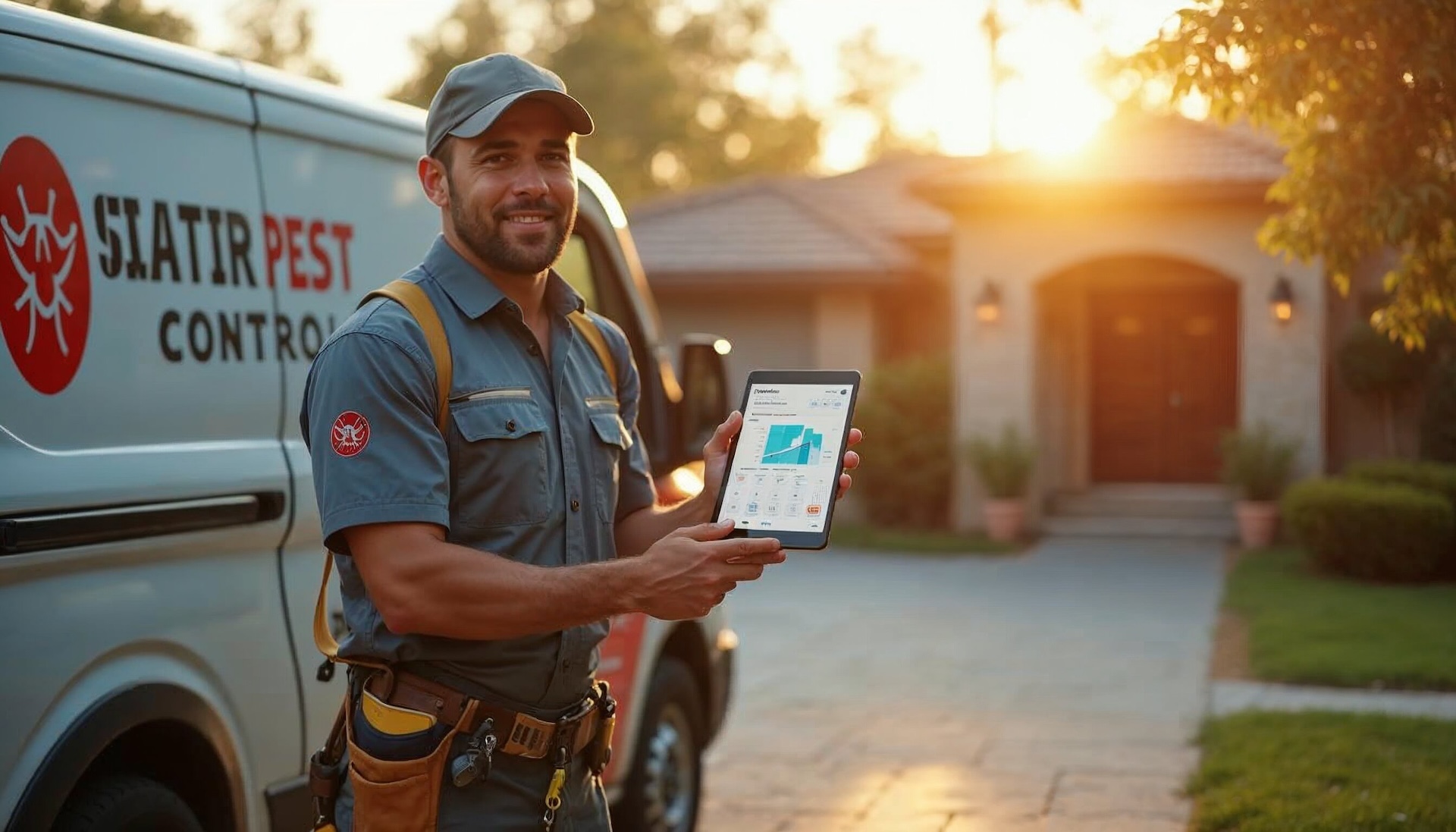
Commercial pest control deals can take many months if not years to pay off. They are normally not one time visits. Many teams have the issue of losing leads when they get in contact for the first time, and end up forgetting to respond back. A simple system can be used to fix this, but requires discipline nevertheless. You should capture every inquiry that comes in, respond fast, and work older inquiries/quotes each week. This habit can help turn forgotten prospects into first-meetings, scheduled walkthroughs, and create new contracts.
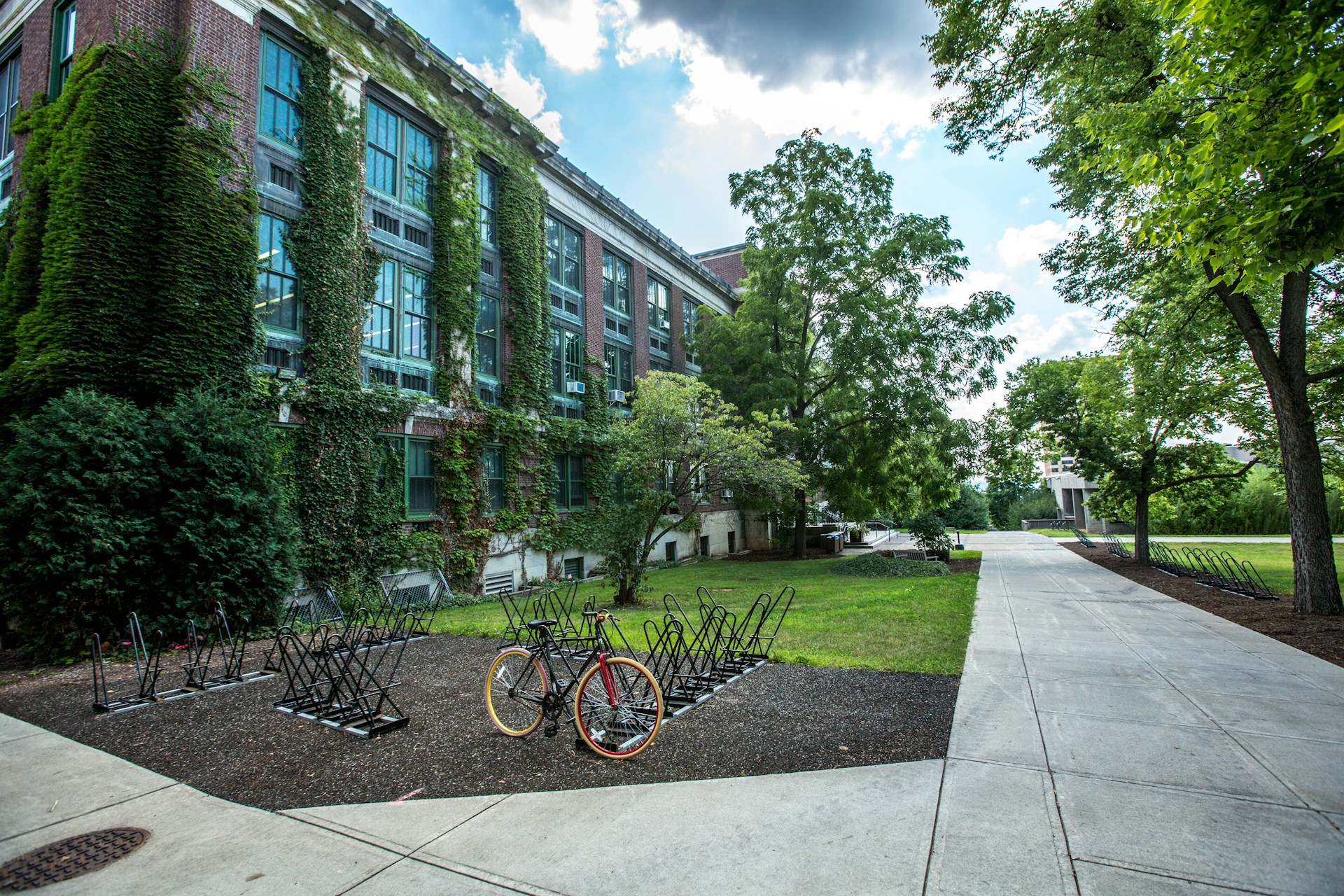
First impressions shape the entire enrollment journey. Parents often decide within seconds whether a campus feels trustworthy, safe, and aligned with their expectations. Exterior design can support that choice long before they meet admissions staff.
When a school leverages thoughtful landscaping, inviting colors, and intentional architectural cues, its online presence becomes stronger too. Hero images look more compelling. Virtual tours feel more credible, and inquiry rates can rise. That’s because families sense care, pride, and consistency.
This article explores why exterior design plays such a big role in modern enrollment marketing, along with practical upgrades that photograph beautifully and require little upkeep.
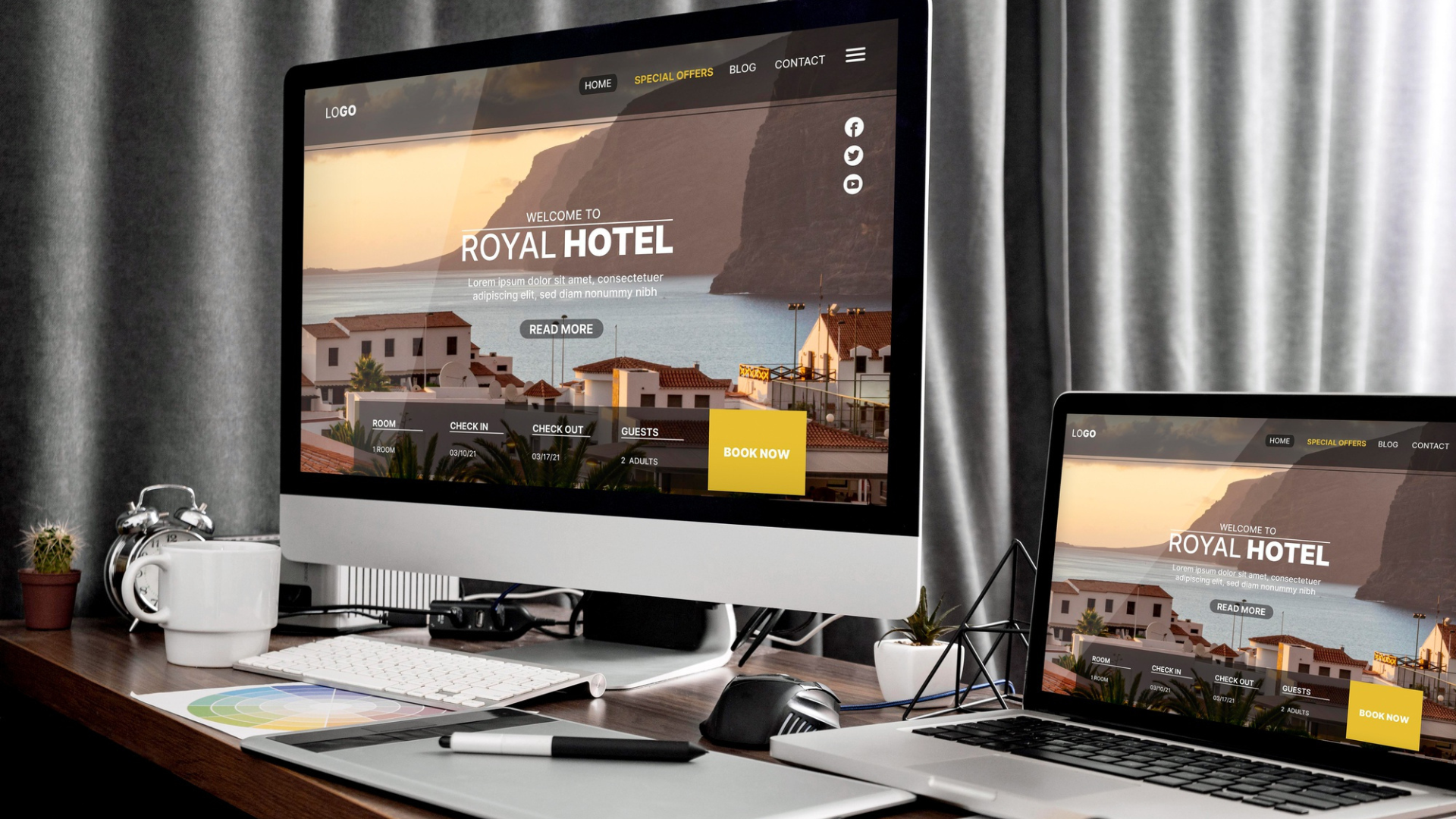
A good-looking website is nice. A high-converting website makes you money.
Have you ever wondered if design actually affects your bottom line? The connection between web design and revenue can seem abstract until you start tracking what visitors actually do on your site.
Here's what matters: Thoughtful design doesn't just make things prettier; It gets people to buy, sign up, then come back.
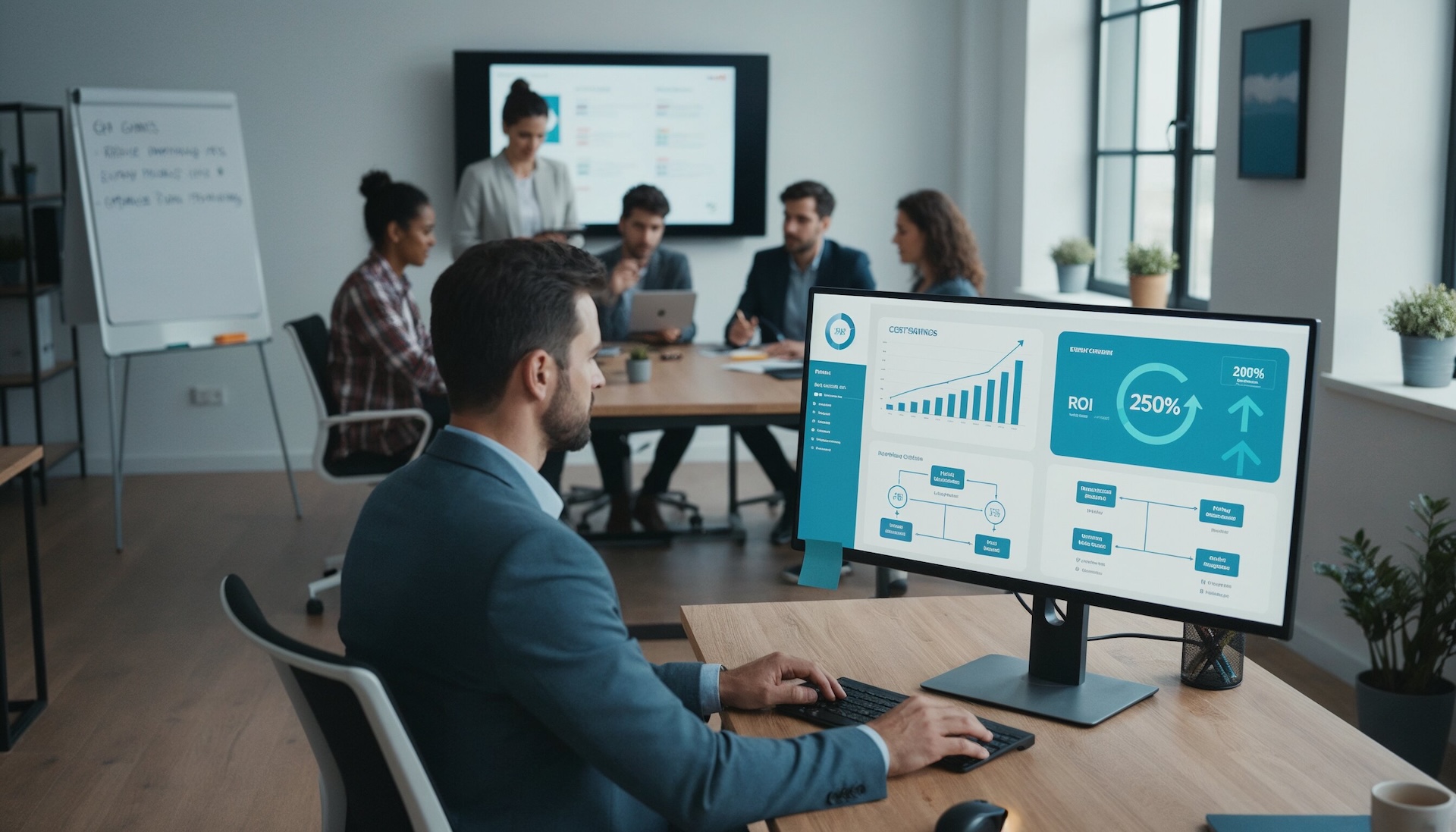
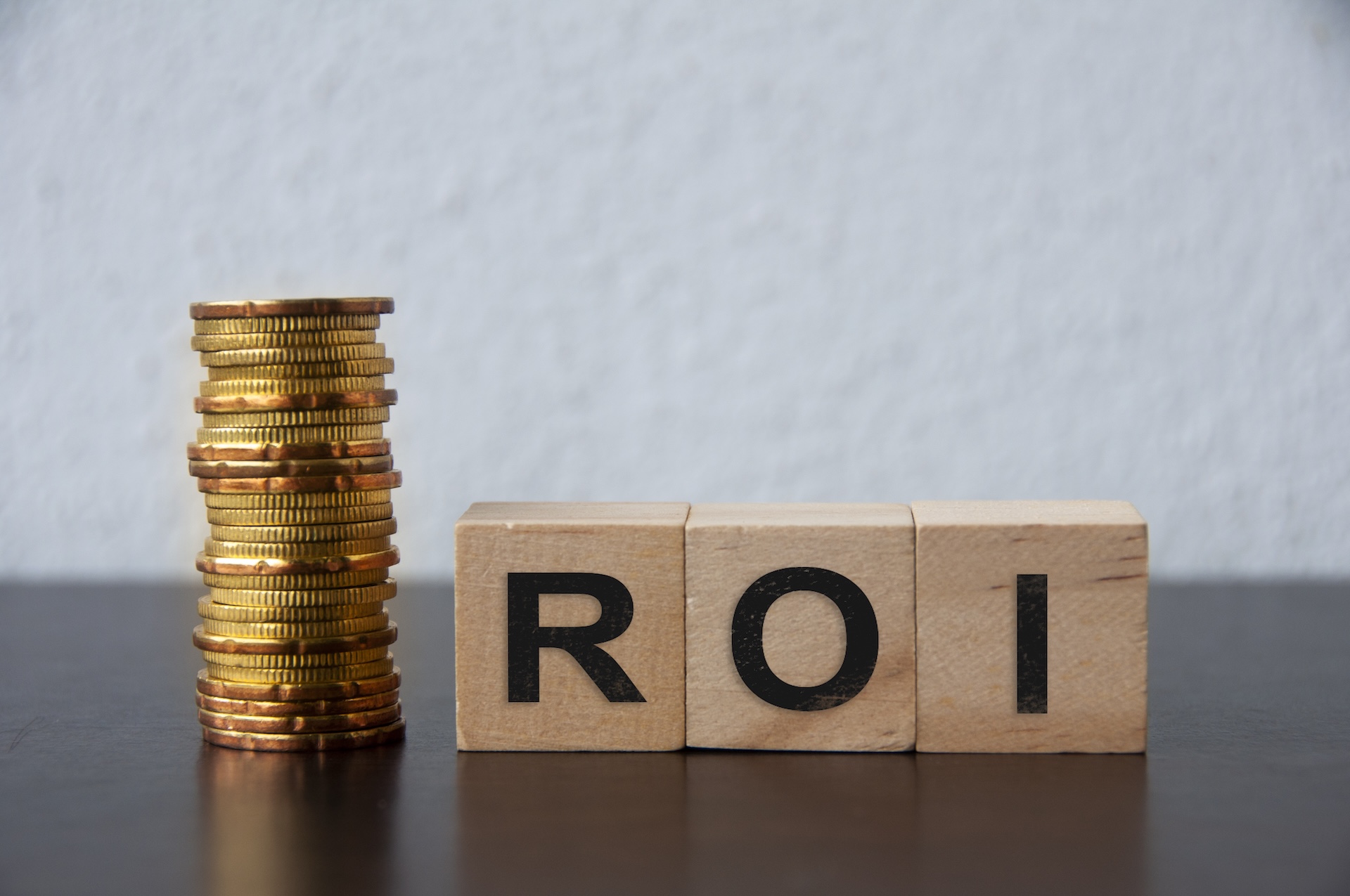
This page tackles what you need to know about web design's return on investment (ROI). Whether you run a K-12 private school or offer a pest control service, find out how this could impact your revenue. More importantly, learn how to calculate and demonstrate ROI for your small business.
Read on.