
If you've ever stared at a slow pipeline and thought, Where are all the good leads?, this post is for you. B2B prospecting isn't always steady. One week you're booking meetings right and left, the next everything goes quiet.
That kind of stop-start pace wastes time, stalls deals, and drags down your numbers.
The right lead tools change that. With the right setup, you can:
- Find leads that match your ICP (not just anyone with a job title)
- Check contact details so you’re not chasing ghosts
- Keep your pipeline full without burning hours on research
- Make cold outreach less painful
Below, you’ll find six tools built to help sales teams find the right people and reach out with purpose.
1. Instantly’s Supersearch
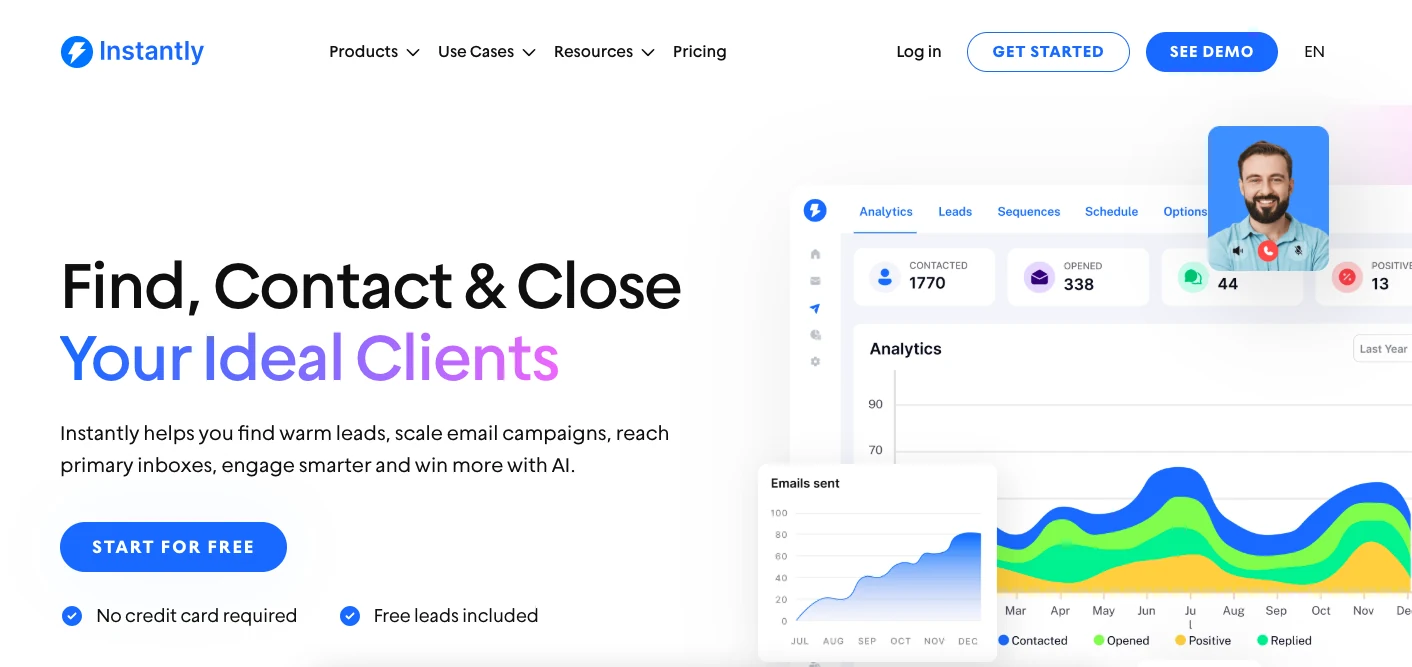
Instantly built its name on cold email, but did you know that it also includes a powerful lead engine called Supersearch?
Supersearch gives you access to an always-fresh database of over 450 million B2B contacts. Just set your filters (job title, location, revenue, or company size), and you get a targeted list of leads ready for outreach.
And this is just the first round. With the cool clone feature and lookalike audience tool, you can keep finding more high-fit prospects similar to your best customers. Plus, the waterfall enrichment feature automatically fills in missing contact details, so you’re not guessing on emails or job titles.
The best part? Since Instantly is also a cold email platform, you can drop those leads straight into your email sequences with one click. No need to export or copy-paste contacts. Need to call or SMS? Instantly’s browser-based CRM handles that too, keeping everything streamlined. When a new list is ready, your team can launch campaigns the same day instead of losing time to tool-switching and cleanup.
2. Leadfeeder
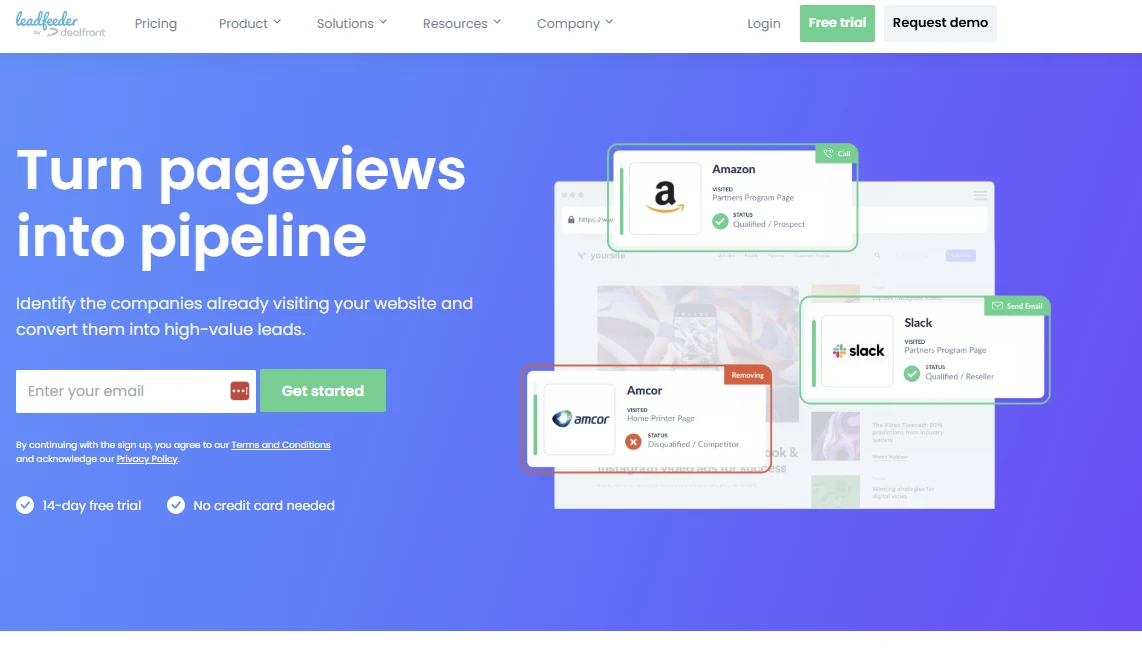
Leadfeeder flips the usual prospecting process. Instead of chasing leads, it shows you which companies are already checking out your site and what they’re looking at while they’re there.
Let’s say someone from a mid-sized tech firm visits your pricing page three times in one week. That’s not a cold lead anymore. Leadfeeder tracks visits like that in real time (usually within minutes), so your sales team can follow up while your brand is still fresh in their mind.
You can build segments based on behavior, like time on site, traffic source, or visits to key product pages. And when a company matches your criteria, Leadfeeder pushes that lead straight to your CRM, ready for outreach.
It’s ideal for teams with steady website traffic (think 1,000+ visits/month). However, if your traffic is light, it probably won’t surface enough prospects.
3. Clearout
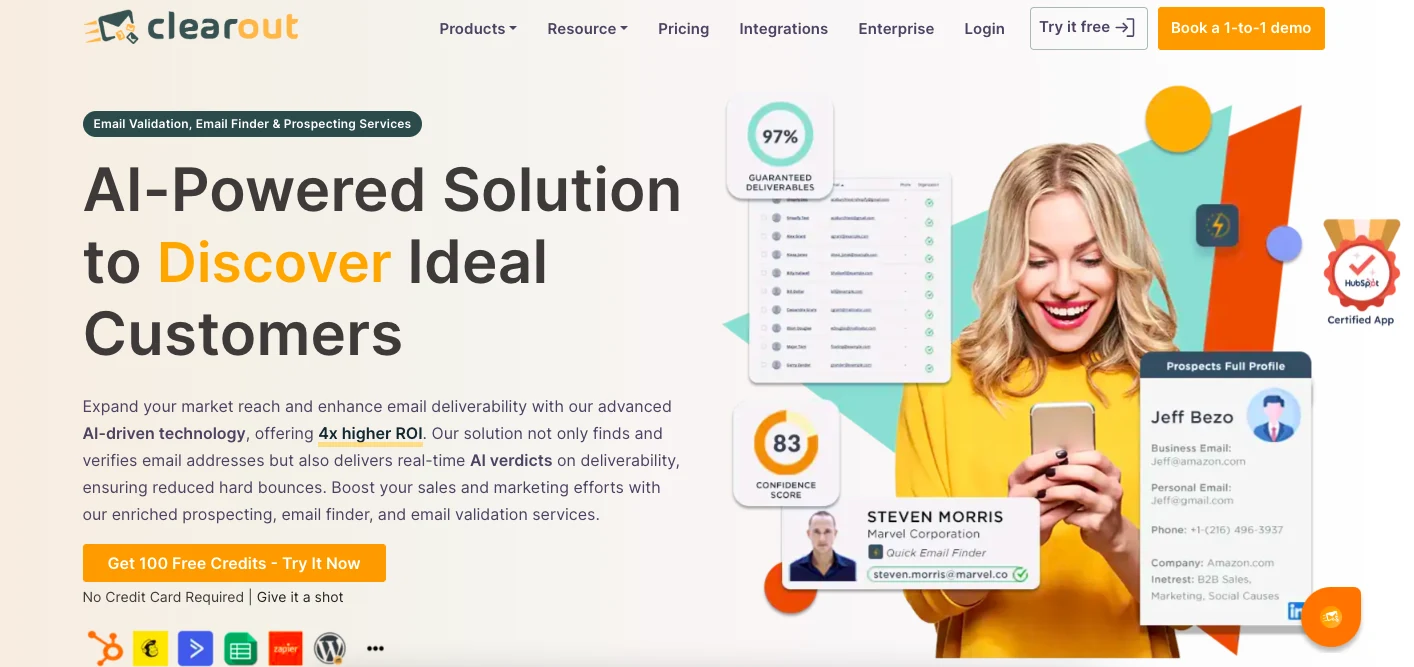
Clearout keeps things simple: fast lead data, clean email lists, and filters that actually help you target the right people. Need contacts with specific job titles, company size, or tech stack? Just set your filters and let it run.
Say you’re browsing LinkedIn or Sales Navigator. With Clearout’s Chrome extension, you can grab verified emails directly from search results or profile pages. Found a great lead? Click once, and they’re on your list with real-time validation already done.
That validation is Clearout’s backbone. It catches invalid, temporary, or risky emails before they make it into your sequences, so your deliverability doesn’t tank. You can also enrich leads on the fly, pulling in company info and extra contact details to make your outreach sharper.
That said, the interface isn’t the most intuitive, especially for first-timers. And while it gets the job done, it could use tighter integrations with major CRMs.
4. Warmly
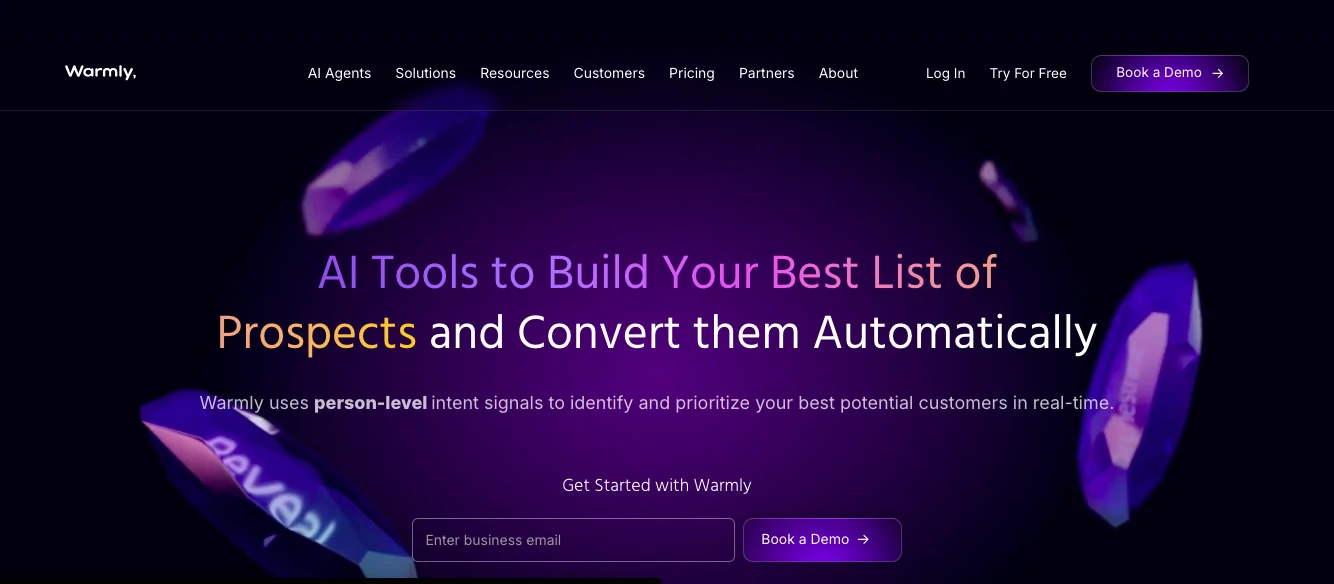
Warmly takes a similar approach to Leadfeeder by tracking website visitors and turning them into potential leads. But instead of only surfacing company names, Warmly identifies individual people, showing you job titles, contact info, and even what they’re doing on your site in real time.
It pulls firmographic and technographic data, adds intent signals like page views and time spent, and connects everything back to your CRM. You can also track which outbound leads revisit your site and what pages they’re looking at by adding a snippet to your emails.
Warmly’s AI Prospector takes that data and runs with it. It can fire off personalized emails or LinkedIn messages when a high-fit lead hits your site, even referencing the page they’re currently on. You’ll also get Slack alerts when someone worth talking to lands on your site.
Just keep in mind: the setup takes some learning and the price may be a stretch for smaller teams.
5. Apollo
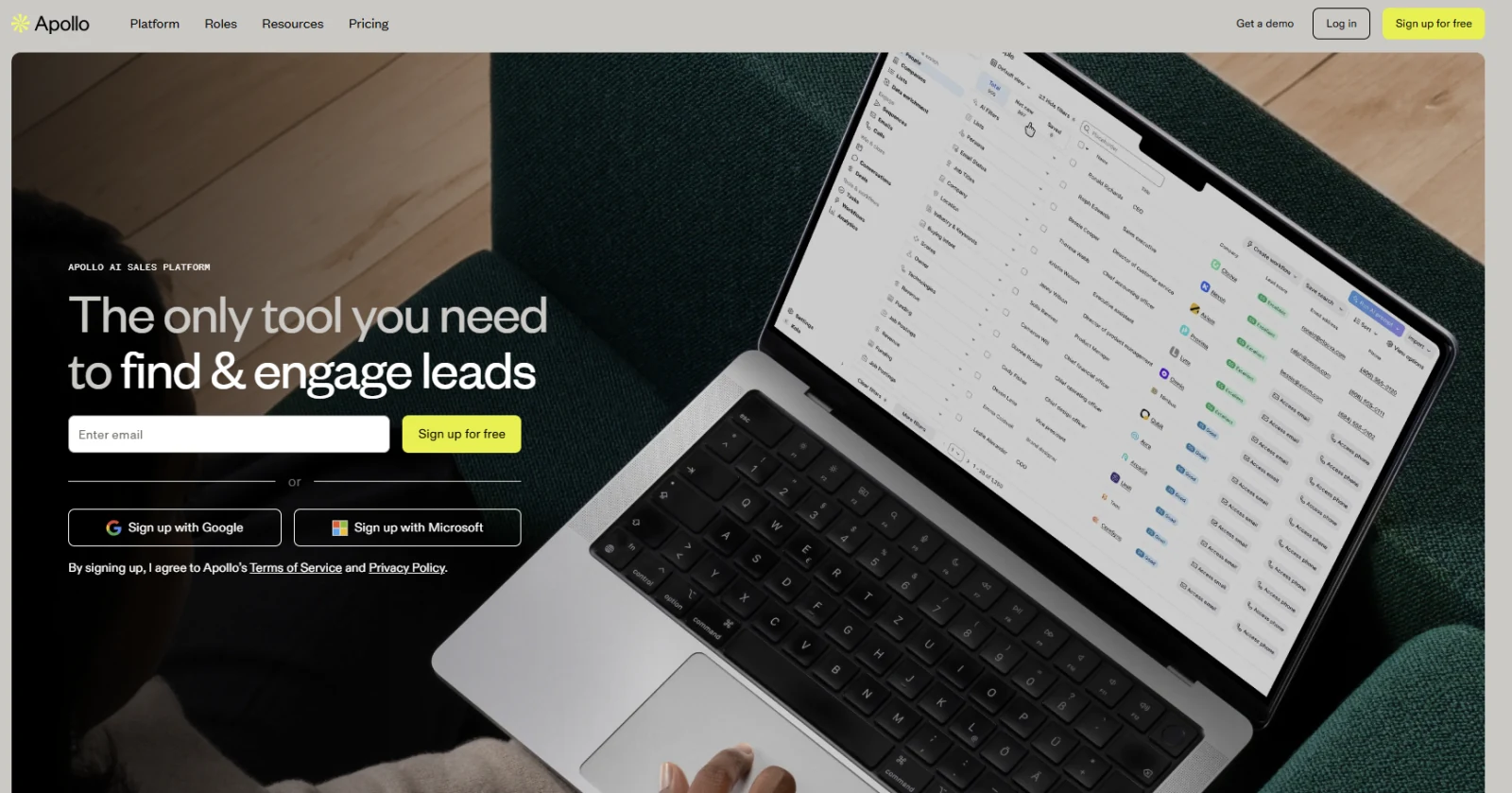
Apollo started with a massive B2B contact database—210 million contacts across 35 million companies—and turned it into a full sales workflow. This makes it perfect for teams that wan tmore than just leads. You can layer filters by job title, tech stack, revenue, funding stage, and dozens more to build highly targeted segments.
It’s not just for prospecting, either. Apollo includes outreach sequences, meeting scheduling, AI-powered lead scoring, and even pipeline tracking. You can manage your whole outbound flow without breaking stride.
It also surfaces buying signals through intent data to show when companies are actively searching for solutions like yours. So, instead of reaching out cold, you connect with prospects who have already shown interest, like visiting your pricing page or downloading a key resource.
Apollo syncs with Salesforce and HubSpot, but exporting cleanly still takes some manual effort. Also worth noting: most of the powerful features live behind the higher-tier plans. And if you’re after both an email and phone number, you’ll burn two credits.
6. ZoomInfo
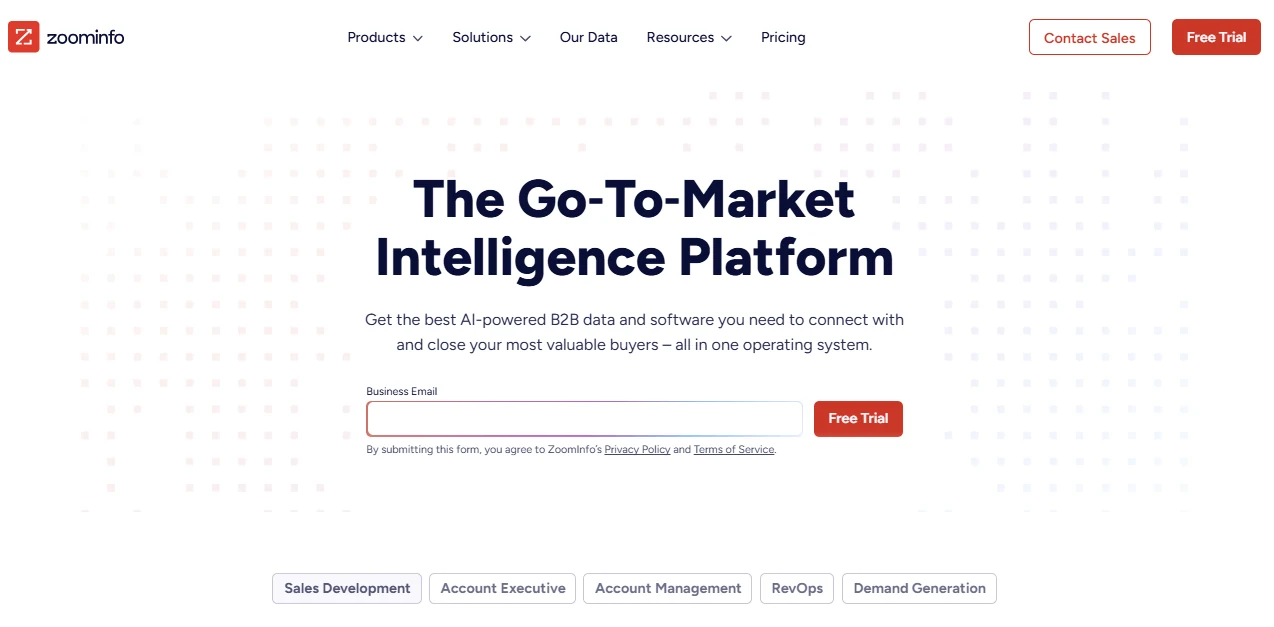
ZoomInfo doesn’t just give you names and emails; it hands your sales team a full playbook. You get reporting structures, leadership changes, tech stacks, and even recent funding updates, all in one view. That kind of intel makes it easier to spot the real decision-makers and tailor your outreach.
Its intent data goes beyond surface-level signals. You can spot which companies are actively researching your solution and what topics they’re exploring. If a prospect’s been looking into data security all month, your team knows who to prioritise and when.
The Chrome extension works alongside your browsing. As you scan LinkedIn, it pulls up useful context like direct dials, company insights, and recent news, helping you move faster without jumping between different tools.
ZoomInfo comes with serious capabilities, but also a price tag to match. Plans start in the five-figure range annually, which puts it out of reach for many smaller teams. For enterprise sales orgs, though, the depth of data can be a clear advantage.
Final Thoughts
Tools can help you find the right people faster. They can clean your lists, warm up your inboxes, and surface leads while you're asleep. But even the best platform won’t help if you’re chasing the wrong ICP or blasting emails that sound like everyone else’s.
The smartest sales teams treat these tools like fuel, not the engine. They pick a few that fit their workflow, set them up properly, and test like crazy.
If your outreach still feels cold, the issue might not be the tools. It might be the message. Or the timing. Or the fact that no one on your team is following up after the first email.
Choose the right tools, yes, but sharpen your strategy while you're at it. That's how you turn data into deals.