Consumers now have almost unlimited choices regarding what products or services they invest in. To stand out, you need to establish (and nurture) a trustworthy brand reputation.
Ensuring your prospects perceive your business as a credible entity holds multiple benefits. It's a great way to show your competence in solving consumer pain points. Plus, it can directly impact your organization's ability to attract, engage, convert, and retain customers.
There are numerous ways to elevate brand credibility. Something as simple as offering a great product at a fair price is an excellent start. So is implementing trust-building web design. You can also achieve positive results by focusing on improving the customer experience.
However, to boost your brand's trustworthy reputation, one type of content you must invest in is social proof.
Without further ado, here are the top ways social proof can elevate your brand's credibility. Let's get into it.
Almost All Consumers Seek Out Social Proof Before Buying
If you look at the data on how people shop, you'll find that most regularly research their purchases online. Moreover, you'll discover that the majority of these consumers rely on social proof to evaluate potential solutions to their pain points.
With this in mind, you must show off testimonials, reviews, and ratings throughout your distribution channels to elevate your brand's credibility.
But here's the deal. While a regular Testimonials page can be a great way to enhance brand trust with web design, it's not always the most effective way of establishing your organization's reliability.
Instead, if you want to highlight the fact that your audience can have confidence in your business, you must utilize instances of social proof that hold a lot of weight.
On the one hand, this can be a series of reviews pulled from the right sources. For example, data from ReviewTrackers suggests that the most trusted sources for social proof include Google Reviews, Yelp, TripAdvisor, and Facebook.
With this in mind, it's only natural that you should highlight feedback from these sites, knowing they're the most trusted ones out there. For instance Eden Emerald Mortgages uses the Reviews page on its website to show off numerous positive testimonials, with each one being embedded from Google Reviews.
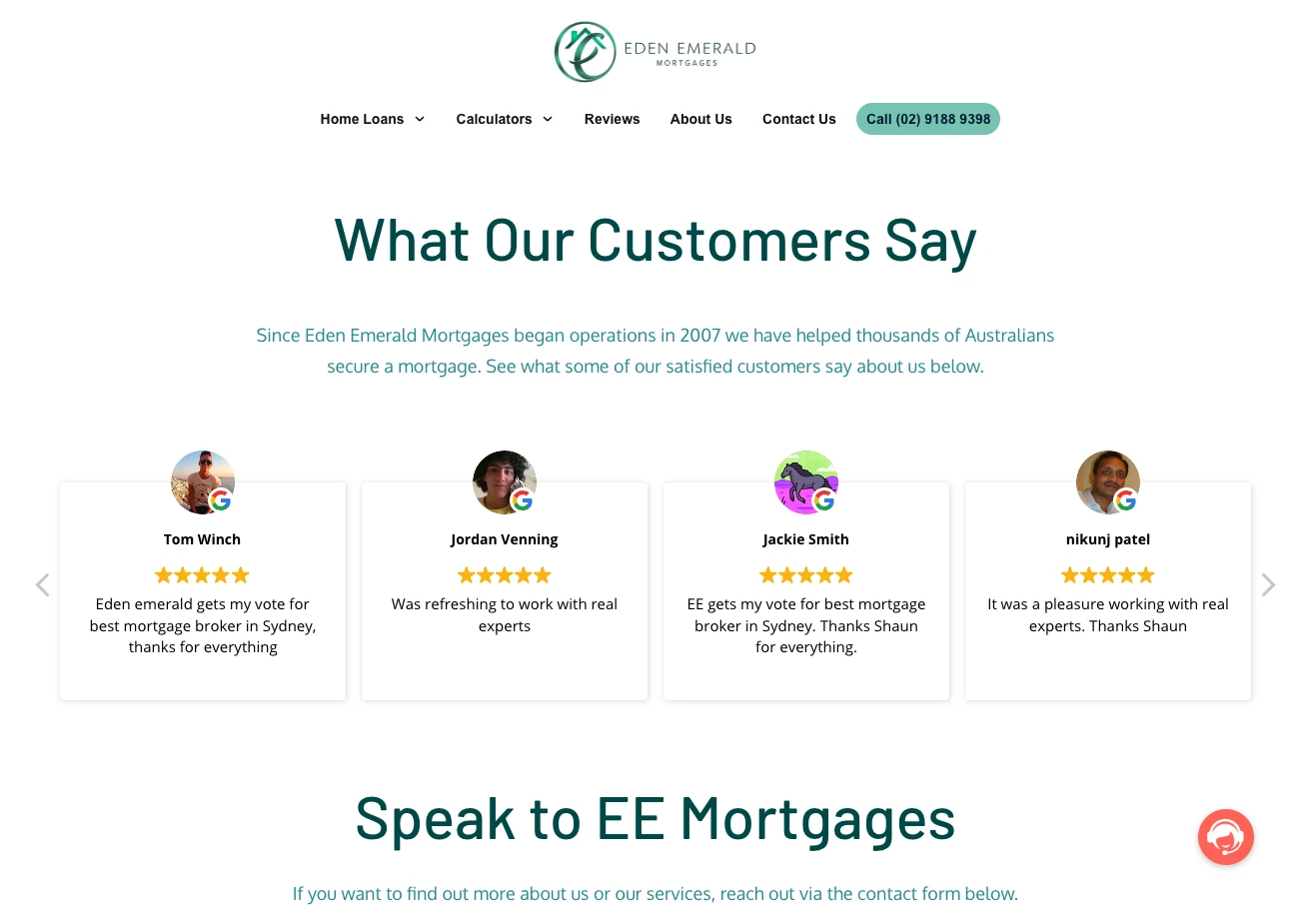
Source: eemortgagebroker.com.au
Or, if you've received validation from any alternative publications or websites that pull a lot of weight in your industry, use those to elevate your brand's credibility.
Chargebee, for instance, uses its social media feed to share the recognition it has received from Gartner, one of the most influential names in tech.

Source: instagram.com
Proof Can Strengthen Key Conversion-Inspiring Elements
Another way you can utilize social proof is to strengthen the existing conversion elements on your website.
For example, take a look at your unique value proposition. In order to inspire conversions, it needs to be fully optimized to appeal to your target audience. This means employing high-quality website copy, addressing your prospects' pain points, and demonstrating your competence to meet customer needs.
But, if you want to guarantee that web visitors (or potential clients, regardless of where they interact with your brand) take these promises seriously, you must provide proof of your brand's ability to fulfill its promises.
Using social proof can be an excellent way to do this, as it doesn't just support your claims. It can also testify to the consistency with which your brand delivers value to its customers.
For an excellent example, check out BJJ Fanatics, a company providing instructional videos for BJJ. Understanding that credibility is essential in the fitness industry (and especially in online education), this brand uses social proof to support its value proposition. So, right below the hero section of the homepage, BJJ Fanatics highlights that it has taught over (an impressive) 1 million students, that it only hires expert instructors, and that customers get lifetime access, which is a claim that's easy to verify before making a purchase.
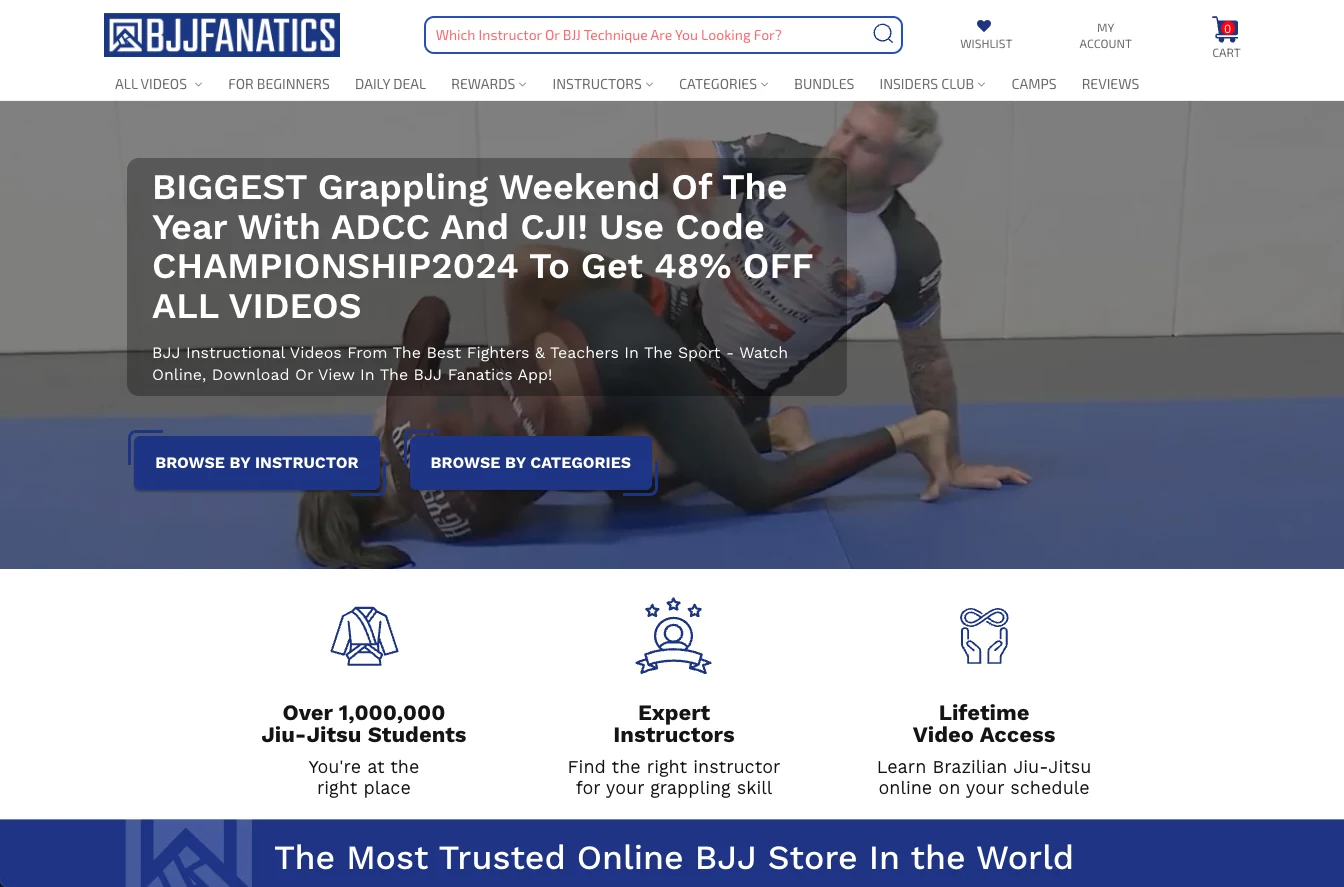 Source: bjjfanatics.com
Or, if you can't use numbers to establish brand credibility, why not play around with alternative instances of trust badges?
For example, Escort Radar uses the Apple CarPlay and AndroidAuto logos on its Dash Cams page. Considering how software support is essential to drivers, this strategy works perfectly. The reason is not just because people already trust Apple and Android operating systems. Publishing a digital product for these platforms involves a highly technical process with strict regulations that ensure a positive user experience for people who purchase these solutions.
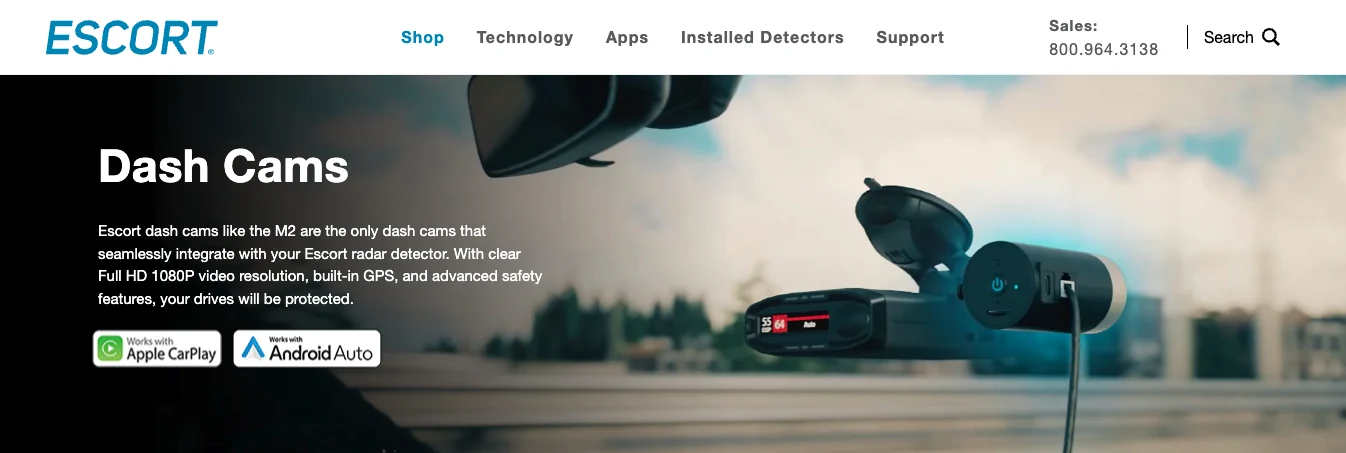
Source: escortradar.com
Trust By Association Is a Powerful Thing
Why do consumers seek out social proof in the first place?
According to consumer behavior research, it's because they need help making difficult decisions when they feel like they're not qualified enough to make the right choice.
For the most part, this is why buyers often take purchasing advice from friends and family. It's why influencer marketing works so well. And it's one of the reasons why 74% of people seek expert opinions regarding innovative products.
With this in mind, it's clear that you must look to build brand trust via association.
If you can, team up with credible industry voices. Whether those include influencers, experts, professional athletes, or even certified medical specialists is up to you. What matters is that these people have a positive reputation among your target audience, which you can use to elevate your brand's credibility.
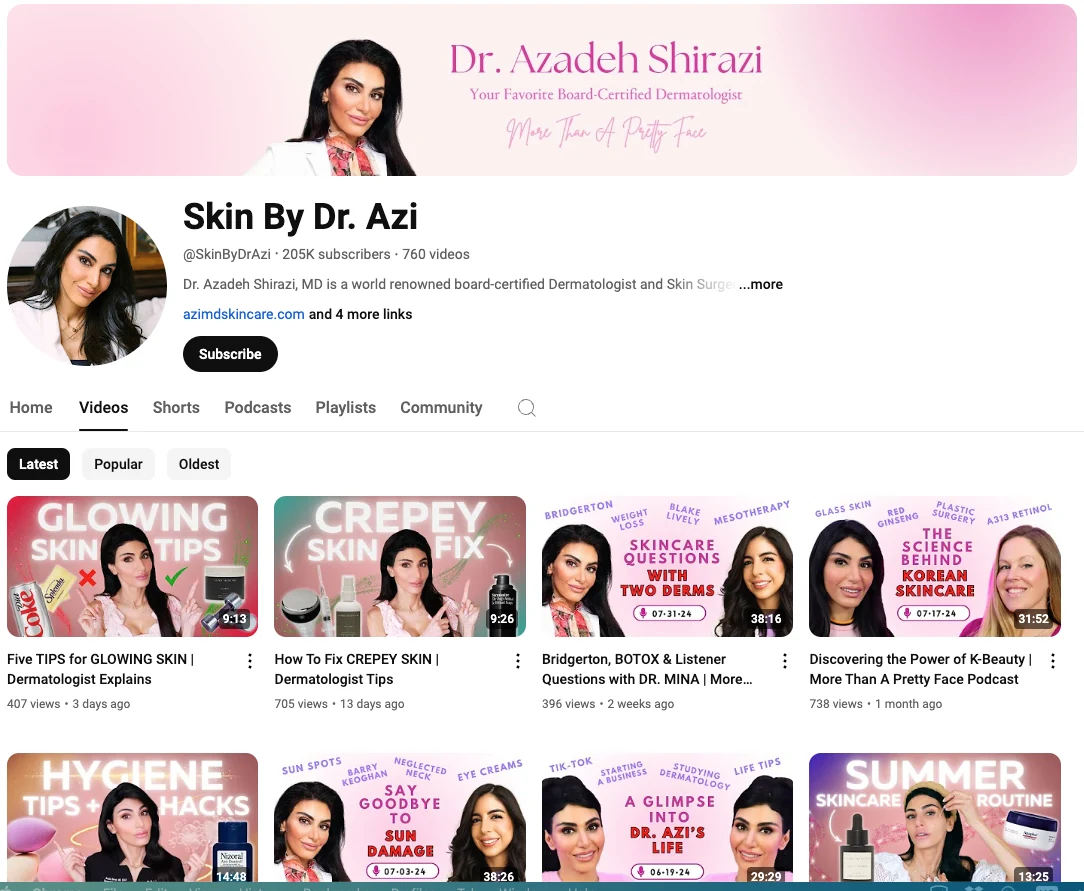
Take a look at how AziMD Skincare does this on YouTube. Understanding how important trust is in the beauty industry, this brand regularly highlights the fact that its products are based on science. However, these claims are not unique, which means that AziMD requires additional social proof to win over customers.
One way the business achieves this is by teaming up with highly trusted specialists. It collaborates with them to create valuable YouTube content which is capable of reaching many people. It's also engaging and educational, highlighting the brand's trustworthiness and making it more likely that consumers will want to invest in one of its solutions.
 Source:
Alternatively, you might be capable of achieving the same effect by piggybacking on the positive reputation of your clients.
For example, Mannequin Mall provides solutions to some of the biggest names in fashion. So, instead of only saying that it's the most trusted brand in its industry, Mannequin Mall uses the bottom of its Mannequins for Sale page to point out that it has provided products to brands like New Balance, GAP, Polo Ralph Lauren, Wrangler Nike, and even luxury fashion houses like Louis Vuitton.

Source: mannequinmall.com
In Some Cases, Consumers Require Concrete Evidence of Your Solutions' Effectiveness
The great thing about social proof is that it's almost always effective at inspiring conversions (as long as it's authentic, that is).
However, while proving your positive track record can be a great way to elevate your brand's credibility, it's not a bad idea to invest in content that can help your future customers contextualize the value of your offer.
So, try to give concrete examples of what your solutions can achieve. That way, you can encourage your prospects to imagine a situation in which they're already your customers. More importantly, you receive a unique opportunity to describe the outcomes you can achieve while sharing your unique approach to solving customer pain points.
With this in mind, invest in content marketing based on customer stories and case studies. Then, highlight this content in noticeable areas of your website to ensure it positively affects your prospects' buying journey.
For example, if you check out Carccu, you'll see that the business uses this format of social proof to describe the specific pain points it was able to remove for its customers.
What's so great about these customer stories is that they not only describe Carccu's products and services but also include direct quotes from the brand's clients. They even reflect on the process of coming up with innovative solutions to remove the unique frustrations. That's an excellent way for the brand to demonstrate its trustworthiness and dedication to customer satisfaction.

Source: carccu.com
Using Social Proof to Boost Brand Credibility and Authenticity
Finally, as you explore ways to utilize social proof for your branding strategy, you need to understand that earning your customers' trust isn't just about proving your expertise. It's just as much about showing that you care about your clients and exhibiting your brand's human, relatable side.
After all, showing the authentic side of your organization pays off.
Sprout Social discovered that 70% of consumers feel stronger emotional connections to brands whose CEOs are active on social media. So, knowing that buyer behavior hugely depends on people's emotions, you must explore opportunities to foster client-brand connections.
The easiest way to do this is to use your website as a platform where you can communicate your experiences, beliefs, brand mission, or values.
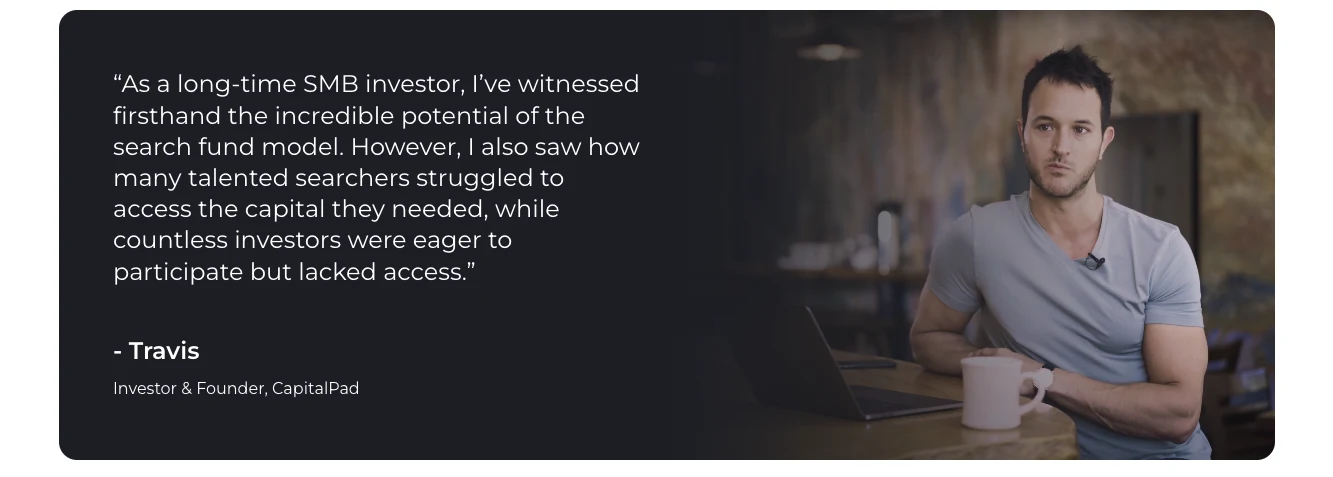
This is what CapitalPad does on its homepage, using the opportunity to emphasize the founder's knowledgeability while connecting with potential prospects over the idea of granting capital access to more SMBs.
Source: capitalpad.com
Alternatively, you could employ employee-submitted content. Or, you could even tap into user-generated content. Both these formats are excellent ways to underline your brand's credibility while giving potential customers relatable posts that will engage their attention and earn their trust.
Check out how Collibra does it on Instagram, sharing behind-the-scenes glimpses into its core team's work life. This type of social media content perfectly highlights the human side of the AI company. Plus, it creates excellent opportunities for proving expertise, as there's plenty of room for the brand's social media strategy to describe its solution's benefits.
 Source: instagram.com
Final Thoughts
How you use social proof to achieve your business goals is up to you (and your desired outcomes).
If you're aiming for brand credibility, the strategies outlined in this article are a great start. Don't forget to adapt these tactics to your brand's specific requirements and your target audience's preferences. That way, you won't just see satisfactory results. You'll be on your way to transforming your brand into an industry leader and an entity your prospects won't want to wait to work with.
Cover Photo: Source: depositphotos.com