
Website design and optimization advice is often offered as a set of generalized guidelines. These actions are supposed to work for anyone, regardless of their area of expertise, target audience, or immediate goals.
Applying web design tips without first considering their appropriateness can work. But the more likely scenario is that they simply won’t yield positive outcomes — just like running expensive ad campaigns without a clear strategy.
Of course, some web optimization tactics are recommended for all businesses. This includes mobile and site speed optimization, adherence to accessibility standards, and SEO. Nonetheless, outstanding results demand a far more personalized approach. This is why your website’s design and performance must align with your specific goals.
So, how can you improve your site’s ability to build trust, generate leads, establish authority, and convert new customers? Here are the most important website lessons you need to learn, coming from brands with very different goals.
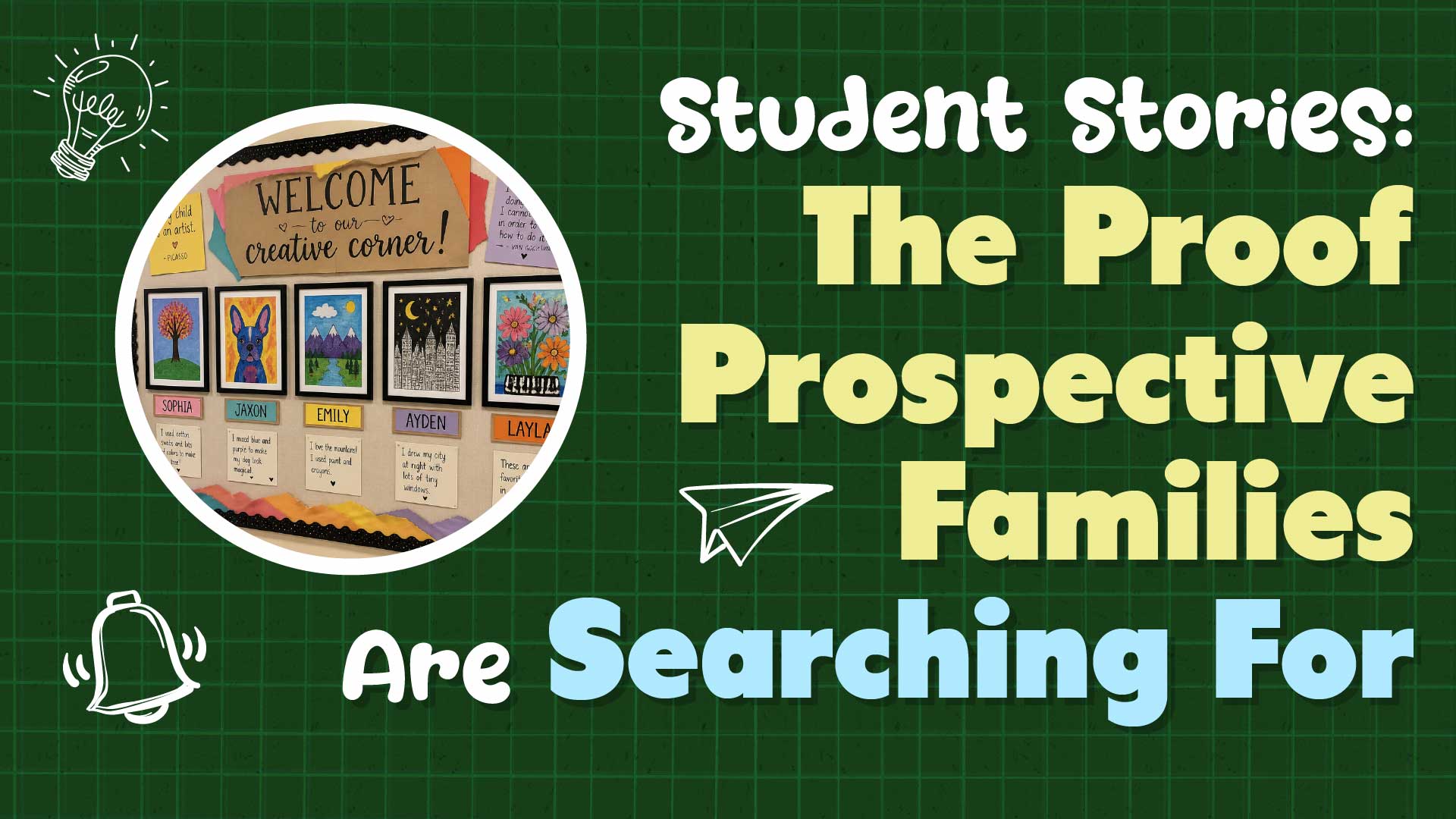
Picture a principal at a faith-based K-8 school of about 165 students. She needs to fill a few open Kindergarten and sixth-grade seats, and her marketing budget has to stretch across everything. The big K-12 schools down the road outspend her on ads. What she has that they cannot copy is a building full of students whose small daily moments tell the real story of the school. Student spotlight content turns those moments into the proof families search for. It is also one of the most practical formats for the schools we work with at Cube Creative Design, including private and independent schools running lean marketing teams. This post covers why it works, the formats worth trying, how to stay compliant with student privacy, and a cadence a small team can keep.

Written By: Hannah Kilpatrick | July 15, 2026
Hannah Kilpatrick Cube Creative DesignHannah Kilpatrick graduated from Western Carolina University in 2021 with a Bachelor of Science in Communication with a Minor in Marketing and a Concentration in Public Relations. She has been around social media since its creation. (Meaning, she was in the first grade when Facebook became available to the general public.) As our very own professional Gen-Z, Hannah is a whiz when it comes to social media creation and paid advertising.
Every few months we start with a new client who wants leads now. That's fair. They're spending money, and they want the phone to ring. But when the plan is organic search, SEO, and content instead of paid ads, the honest answer is that it takes time. Not weeks. Months.
We say this up front, every time. Google takes roughly 60 to 90 days just to notice new content. Local rankings build over many more months after that. Organic is a build, not a switch you flip.
Most clients hear it and still get antsy. That's human. Here's the story of one who pushed through the doubt, and what the other side looks like.

Written By: Adam Bennett | July 14, 2026
Adam is the president and founder of Cube Creative Design and specializes in private school marketing. Since starting the business in 2005, he has created individual relationships with clients in Western North Carolina and across the United States. He places great value on the needs, expectations, and goals of the client.

Search is changing fast. AI tools like ChatGPT, Claude, Gemini, Perplexity, and Google's AI Overviews now answer questions that used to send people to a list of blue links. Someone types "best exterminator near me" or "private schools near me with a STEM program," and the AI gives them an answer, often naming specific companies and schools.
That shift rewards a certain kind of content. Local pages, clear service information, structured answers to real questions. The same work that builds organic search rankings is what feeds AI answers. If you're not doing that work, you're invisible in both places.
We've watched this play out with two very different clients, a home services company and a private school. The lesson is the same for both, and it applies whether you run a business or a school: the content and local pages you build are an asset you own. Give them up, and you give up value you already paid for.
Written By: Adam Bennett | July 14, 2026
Adam is the president and founder of Cube Creative Design and specializes in private school marketing. Since starting the business in 2005, he has created individual relationships with clients in Western North Carolina and across the United States. He places great value on the needs, expectations, and goals of the client.