
While your students are perfecting their cannonballs at the pool, your school website could be performing some impressive dives of its own, right into better conversion rates. Summer isn't just for faculty professional development and facility upgrades; it's the perfect low-traffic season to conduct website experiments without disrupting your peak admissions cycle.
Let's face it—private school marketing directors are juggling a dozen priorities with a budget that wouldn't cover a public school's paper clip expenses. Meanwhile, you're trying to showcase educational excellence through a CMS that sometimes feels like it's running on an Apple IIe.
The good news? A/B testing doesn't need enterprise-level tools to yield meaningful results. This guide will show you how to implement practical tests during the summer months that can significantly boost your enrollment numbers, even if your website platform makes you want to enroll in a meditation class.

Written By: Adam Bennett | July 16, 2025
Adam is the president and founder of Cube Creative Design and specializes in private school marketing. Since starting the business in 2005, he has created individual relationships with clients in Western North Carolina and across the United States. He places great value on the needs, expectations, and goals of the client.
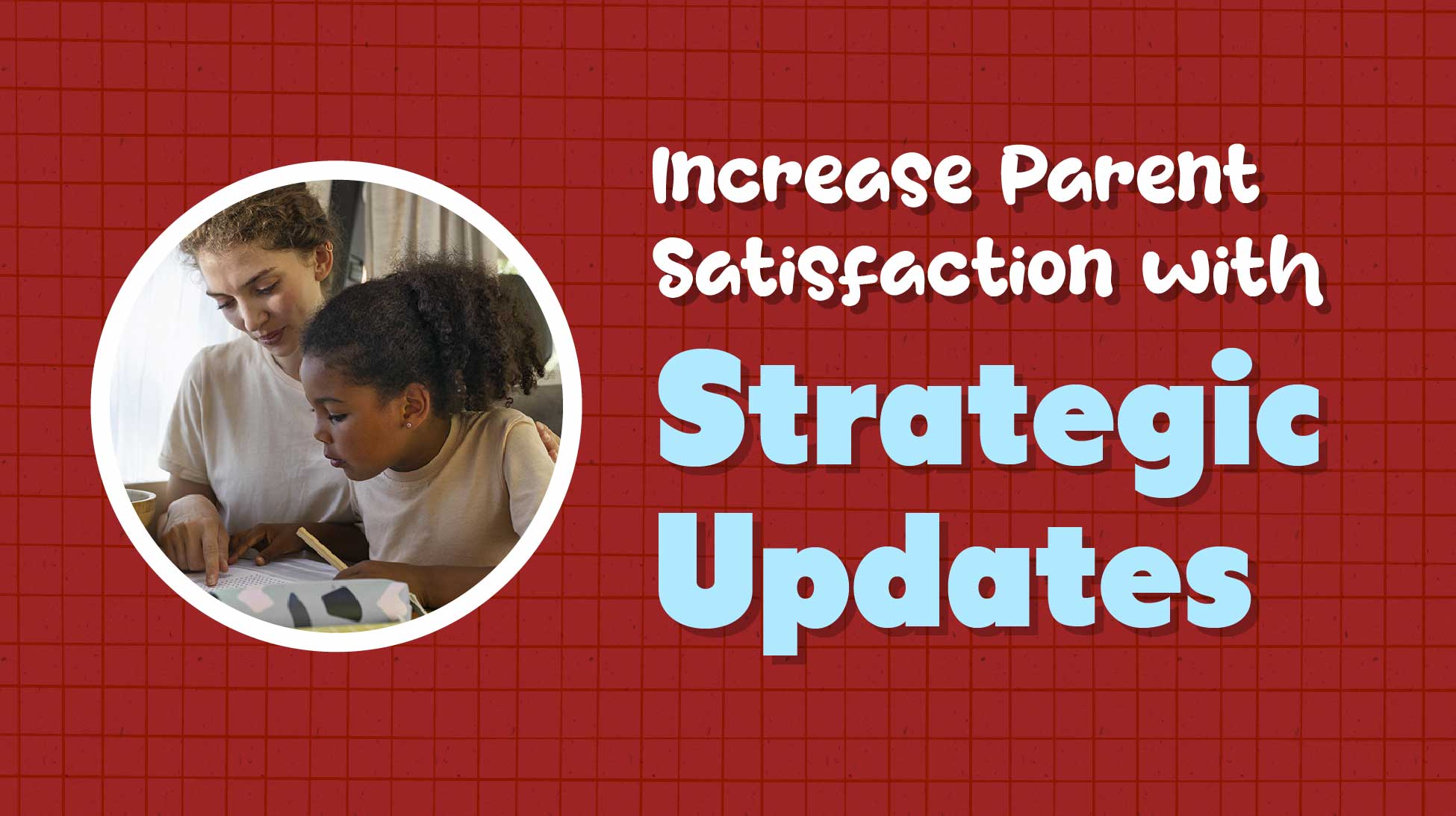
Picture this: It's August 1st, and you've just realized that none of your new families know what time the first day of school starts, where to park, or that you've changed the lunch provider. The admin phone is ringing off the hook, your inbox resembles a digital landfill, and somewhere in the building, a teacher is having a meltdown because "nobody told me we had new students!"
Sound familiar? If you're nodding so hard your glasses just fell off, welcome to the club of private school leaders who've learned the hard way that "winging it" with parent communication is about as effective as teaching algebra to kindergartners.
As a principal running a school on a shoestring budget where "marketing department" means "you, late at night, with a laptop balanced on your knees," communication timelines aren't just nice-to-have organizational tools—they're lifelines. They're the difference between projecting "prestigious educational institution" and "chaotic establishment where your child's future goes to die."
In my years of helping private schools stop the madness, I've found that even the most resource-strapped institutions can transform their communication approach without hiring a PR firm or sacrificing the supply closet budget. This guide will walk you through:
- Creating a structured timeline that makes families feel supported (without requiring you to work 24/7)
- Mapping out essential messages that actually get read (not immediately deleted)
- Implementing templates that save countless hours (and prevent those embarrassing typos)
- Setting up simple systems that work even when you're covering for an absent teacher while simultaneously unclogging a toilet
So grab that lukewarm coffee you've reheated three times today, and let's turn your school's communication from "where's the information?" to "wow, they've thought of everything!"
Written By: Adam Bennett | July 16, 2025
Adam is the president and founder of Cube Creative Design and specializes in private school marketing. Since starting the business in 2005, he has created individual relationships with clients in Western North Carolina and across the United States. He places great value on the needs, expectations, and goals of the client.

Technology is changing the way we work—and that includes industries you might not expect. One surprising leader in the world of automation? Healthcare.
While it may seem like a hands-on, people-focused field, healthcare has quietly embraced automation to make systems more efficient, improve service, and reduce human error. From appointment scheduling to diagnostics, automation is helping professionals save time and focus on what matters most: patient care.

Brand storytelling is all about building an emotional connection with your audience and positioning your brand as the solution they didn’t know they needed. But it’s not enough to just tell your brand’s story; you need to show it.
To achieve this, visual content will be your strongest storytelling tool.
As attention spans continue to shrink, visual content is becoming increasingly relevant. It grabs people’s attention, helps them process information quickly, and evokes emotional responses that build loyalty and trust.
Whether it’s a video, an infographic, or an image, the right visuals will take your brand storytelling to new heights.
So, stick around. This article shows you how to enhance your brand storytelling through visual content. You’ll find out what visual content is, why it ties in for strong brand storytelling, and how to use it to make your brand unforgettable.