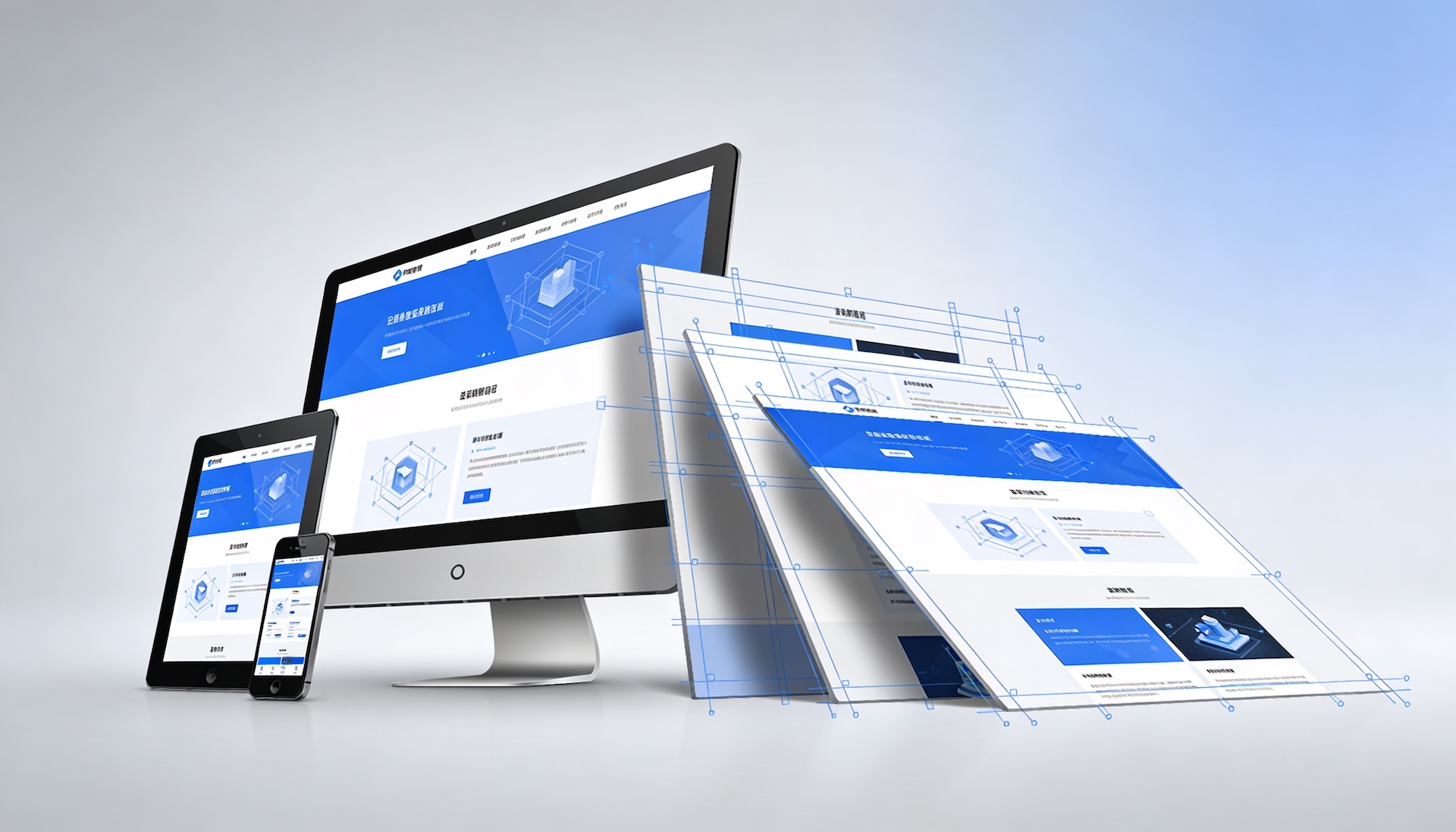
These days, websites are rarely designed for a single screen, since many users access websites and make conversion decisions on mobile devices or tablets. Design choices made during development determine whether they adjust smoothly on phones, tablets, and desktops. Responsive web design is designed with users in mind so they can interact with a site from any device and still have a seamless user experience.

Running an HVAC business in 2026 feels a bit like trying to keep a walk-in freezer cold with the door propped open – possible, but wildly inefficient – if you’re still juggling phone calls, paperwork orders, and half-baked scheduling apps. The good news? Modern customer-relationship-management and field-service platforms have matured to the point where even a five-tech shop can run a tech stack that rivals the regional giants. The trick is finding the right fit for your workload, growth plans, and budget.
In this article, we’ll zero in on the best CRM software for HVAC contractors, explain what really matters when you evaluate the options, and give you a no-fluff look at how the leading systems stack up – so you can pick a solution that pays for itself in fewer callbacks, faster invoices, and happier customers.

Your visitors make location-based decisions fast.
Google research found that 76% of people who search on a smartphone for something nearby visit a business within a day, and 28% of those searches end in a purchase. That speed leaves zero room for “generic website” vibes.
They scan for “Do you serve my area?” and “Will this work for me?” before they read a single value prop. That speed leaves zero room for generic vibes, vague promises, or pages that feel copy-pasted from a different city.
A location-based design strategy helps you earn trust by matching real-world expectations in each market. When you treat location as context, not a gimmick, trust rises and friction drops.

Creating compelling content used to feel like scaling a mountain with no equipment. Hours vanished into adjustments, corrections, and technical troubleshooting. Talented creators often abandoned their visions simply because the technical barriers consumed all their creative energy. Those frustrating days are quickly fading into the past.
Intelligent technology now handles the demanding work that once derailed creative projects. These advanced systems understand content at a fundamental level, making sophisticated decisions about composition, timing, and presentation automatically. Creators can finally concentrate on what truly matters: crafting messages that resonate with their audiences.