Back-to-school season is more than a date on the calendar. For K to 8 schools, it is a once-a-year moment to capture attention, welcome families, and show what makes the school experience special. With so many messages competing for parents’ time, relying on plain text or generic graphics no longer does the job. What cuts through is visual storytelling that feels warm, human, and real.
Great visual assets do more than decorate a campaign. They build trust. They showcase student life. They give families a window into classrooms, after-school programs, and campus community. Stick around as we investigate how schools can elevate back-to-school campaigns across email, social media, banners, and admissions materials through purposeful visual storytelling. You will also see why professional school photography is becoming a core tool for modern communications teams.

When you're marketing in 2026, you need to do things smarter rather than more. Customers connect with businesses through websites, social media, messaging apps, email, and personal interactions. Handling marketing in-house is neither efficient nor accessible. This is precisely why marketing automation tools 2026 are no longer optional but essential for sustainable growth. Among the best marketing automation tools, modern platforms go far beyond basic task automation to support real-time engagement and decision-making.
Email scheduling isn't the only thing that modern marketing software does. The tools we have now use AI, behavioral data, predictive analytics, and omnichannel coordination to make it easier for businesses to find new customers, keep the ones they already have, and get new ones. The right automation stack can have a direct effect on your income growth and customer experience, no matter what kind of business you run: an eCommerce brand, a B2B SaaS company, or a service-based business.
This guide explains what marketing automation really means in 2026, why it's more important than ever, and the main types of tools every business should use. It also lists the best platforms for each tool type.

Social media can feel like a wide-open playground or a complete maze, depending on the day. Some posts take off unexpectedly, while others vanish into the void without a single like, and you’re left wondering what on earth happened.
The truth is, most brands aren’t struggling because their ideas are bad. They’re struggling because of a handful of common social media mistakes that quietly hold them back. Once you know what these mistakes are, you start spotting them everywhere. And more importantly, you learn how to avoid them.
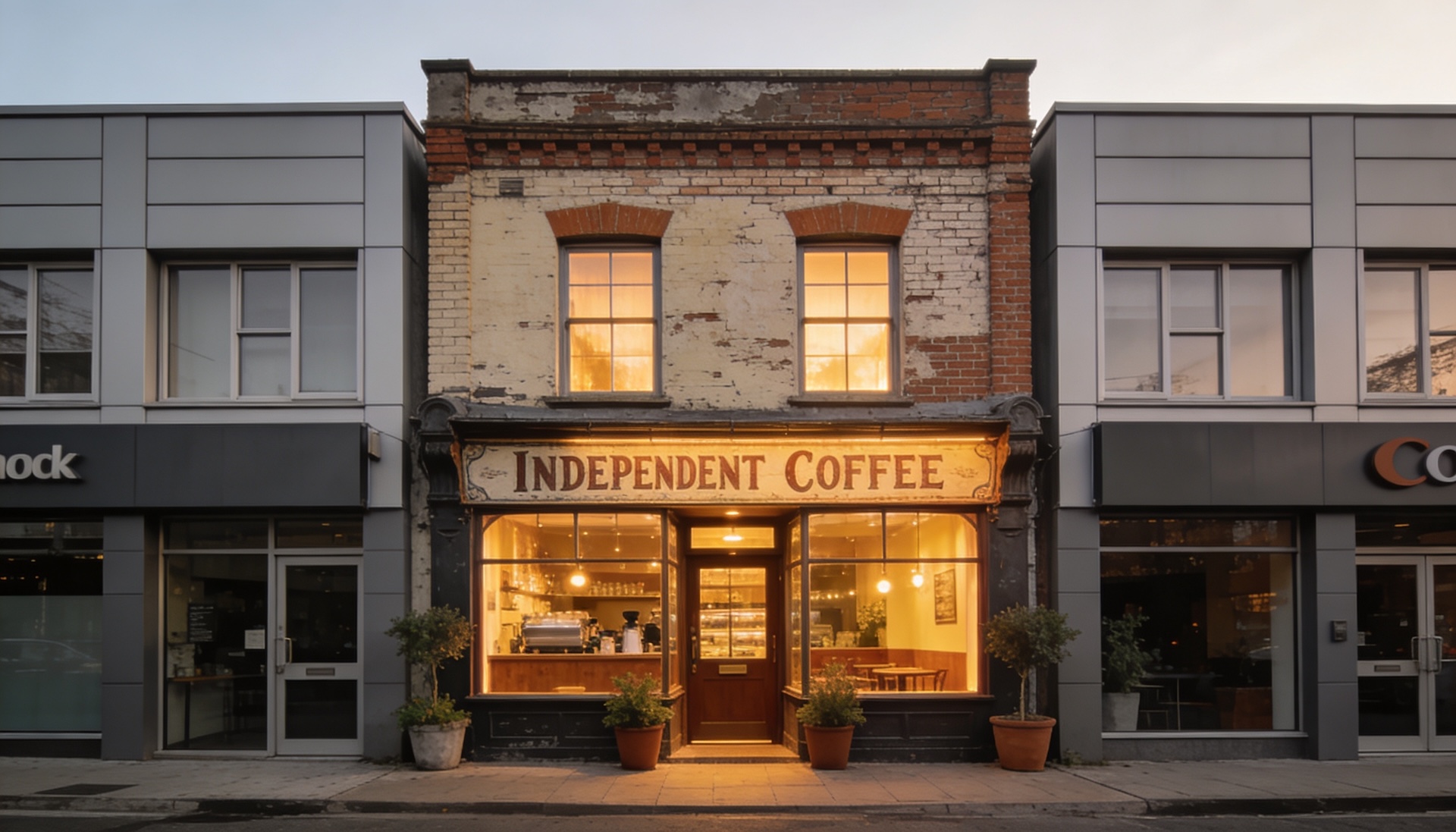
You've seen it before. You're searching for a local dentist, and three different practices in your city have the same smiling woman in scrubs on their homepage. Or you're comparing coffee shops, and they all feature an identical latte art photo that looks like it came from the same Shutterstock search.
This isn't just lazy marketing. It's actively destroying trust.
Local businesses invest thousands in websites, Google Ads, and SEO, only to sabotage themselves with visuals that scream "I'm exactly like everyone else."
The irony?
Stock photos were supposed to make businesses look more professional. Instead, they've created a sea of sameness that makes potential customers wonder if your business is even real.
The solution isn't just throwing money at custom photography, though that helps. Smart local marketers are rethinking their entire visual strategy, mixing authentic imagery with newer tools like AI-generated graphics where appropriate. The goal isn't perfection but recognizability and trust.