 use Joomla\CMS\Uri\Uri;
In today's competitive education landscape, private schools must have a solid marketing plan that sets objectives and aligns them with the institution's overall goals. The key to success is defining clear, measurable, and achievable marketing objectives that reflect your school's vision and appeal to your target audience.
In this blog post, we will break down the essential elements of effective marketing objectives for K-12 private schools. We will explore what SMART objectives are, why they are necessary, and what types of objectives schools can set to improve recruitment, retention, engagement, and fundraising.

Written By: Adam Bennett | November 20, 2023
Adam is the president and founder of Cube Creative Design and specializes in private school marketing. Since starting the business in 2005, he has created individual relationships with clients in Western North Carolina and across the United States. He places great value on the needs, expectations, and goals of the client.
Let’s be real. As a private school leader, one of your biggest headaches is getting enrollment up every year. You’re not only battling other private schools, but parents now have more school options than ever before – charter, magnet, public, and homeschooling. How do you make your school stand out?
This post will give you proven steps to develop a killer marketing strategy that attracts parents like flies to honey. We’ll use examples from Greenfield Academy, a fictional K-8 private school, to show you how it’s done. Get ready for some marketing magic!

Written By: Chad J. Treadway | November 20, 2023
Chad is our Chief Smarketing Officer. He will help you survey your small business needs, educating you on your options before suggesting any solution. Chad is passionate about rural marketing in the United States and North Carolina. He also has several certifications through HubSpot to better assist you with your internet and inbound marketing.
Let's face it - managing student information is a big, complicated job. As an administrator, you must keep track of everything from attendance records to grades to parent-teacher communication. It's a lot to juggle!
Luckily, student information system (SIS) software is here to help. SIS takes all those administrative headaches off your plate so you can focus on your students. With the right system, you'll wonder how you ever managed without it!
In this post, we'll walk through the key benefits of SIS and some of the options to consider for your school.
Written By: Adam Bennett | November 20, 2023
Adam is the president and founder of Cube Creative Design and specializes in private school marketing. Since starting the business in 2005, he has created individual relationships with clients in Western North Carolina and across the United States. He places great value on the needs, expectations, and goals of the client.
As a private school admissions officer or principal, you know first-hand that attracting parent and students takes more than a great reputation alone in today's competitive landscape. With public schools offering specialized programs and online schools providing digital learning options, you need a data-driven strategy – one that leverages metrics, analytics, and insights to guide your marketing.
Continuously tracking and analyzing marketing performance enables you to optimize your limited resources for maximum enrollment impact. This allows you to gain a competitive edge over schools still relying on outdated marketing tactics.
Here’s how to unlock the data you need to take your enrollment to the next level.
Written By: Chad J. Treadway | November 20, 2023
Chad is our Chief Smarketing Officer. He will help you survey your small business needs, educating you on your options before suggesting any solution. Chad is passionate about rural marketing in the United States and North Carolina. He also has several certifications through HubSpot to better assist you with your internet and inbound marketing.
Most private school websites fail to convert prospective students and parents into leads. But with a few simple changes, you can dramatically increase your website's conversion rate and get more prospects into your enrollment funnel.
Written By: Adam Bennett | November 20, 2023
Adam is the president and founder of Cube Creative Design and specializes in private school marketing. Since starting the business in 2005, he has created individual relationships with clients in Western North Carolina and across the United States. He places great value on the needs, expectations, and goals of the client.
Attracting and enrolling new students is critical for private schools in today’s competitive education landscape. Schools have a few primary options for reaching prospective students and parents, two of those being traditional postcard marketing campaigns or modern SEO and content marketing approaches. But which should private schools focus their limited marketing resources on for the best results?
Written By: Adam Bennett | November 20, 2023
Adam is the president and founder of Cube Creative Design and specializes in private school marketing. Since starting the business in 2005, he has created individual relationships with clients in Western North Carolina and across the United States. He places great value on the needs, expectations, and goals of the client.
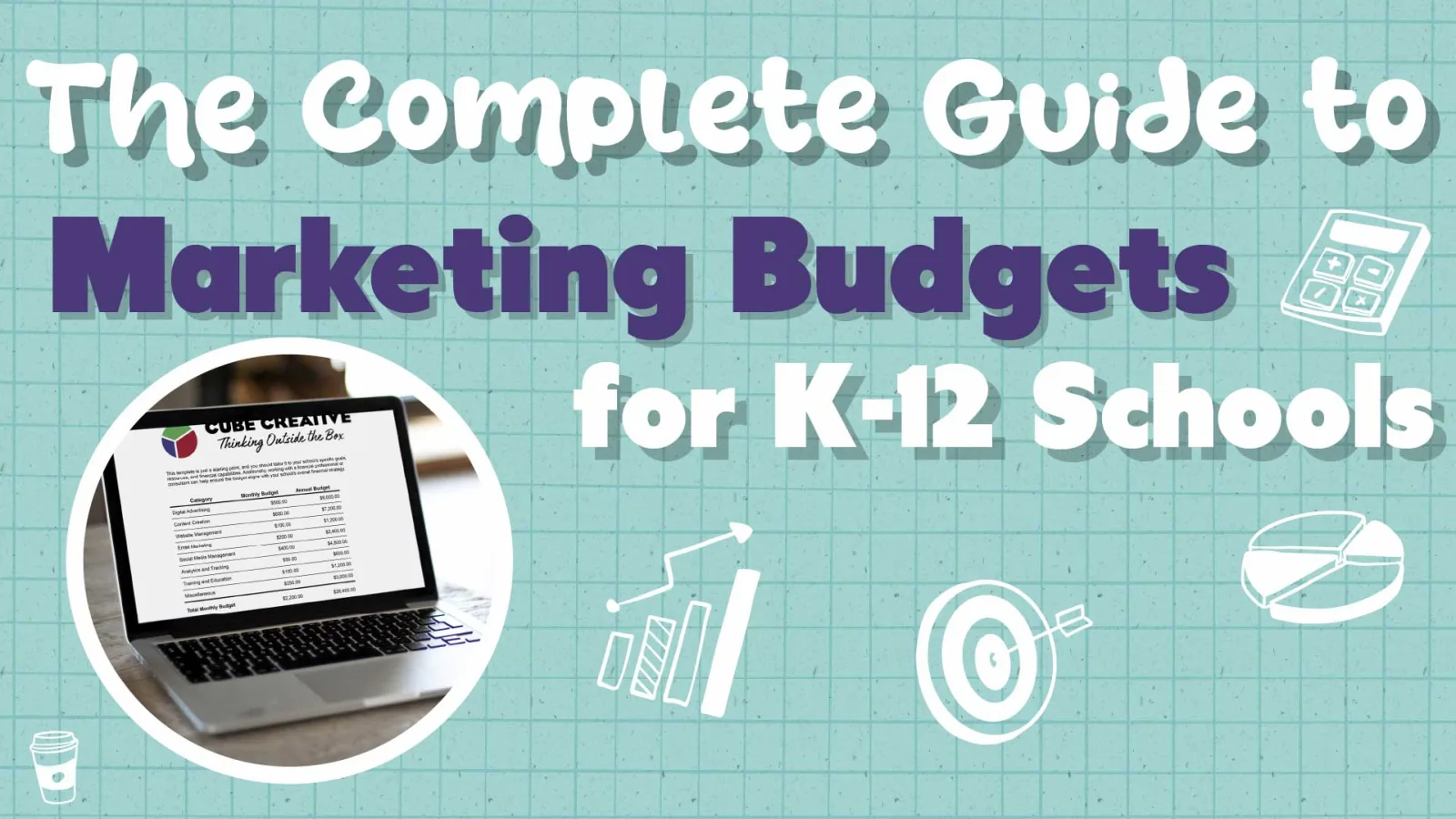
Marketing is an integral part of every organization, including K-12 private schools. The primary objective of marketing is to increase the school's visibility, attract prospective students and parents, and enhance its reputation. However, executing a successful marketing campaign is not easy, mainly due to restricted resources. Therefore, creating a well-thought-out marketing budget is essential for K-12 private schools to execute their marketing plans effectively. In this blog post, we will explore the essential tips to develop a comprehensive marketing budget plan tailored to K-12 private schools.
Written By: Adam Bennett | November 20, 2023
Adam is the president and founder of Cube Creative Design and specializes in private school marketing. Since starting the business in 2005, he has created individual relationships with clients in Western North Carolina and across the United States. He places great value on the needs, expectations, and goals of the client.
A comprehensive marketing plan is essential for any K-12 school looking to attract new students, engage with parents, and stand out in an increasingly competitive education marketplace. Whether you're a school administrator, a marketing professional, or simply looking to understand the intricacies of school marketing, this comprehensive guide will walk you through the process, offering practical tips, examples, and best practices you can implement immediately.
Written By: Adam Bennett | November 17, 2023
Adam is the president and founder of Cube Creative Design and specializes in private school marketing. Since starting the business in 2005, he has created individual relationships with clients in Western North Carolina and across the United States. He places great value on the needs, expectations, and goals of the client.

With the rise of SEO, a range of software tools have emerged to help website owners, marketers, and agencies optimize pages and track performance. Choosing the right SEO tools for your strategy can be overwhelming, with so many options to evaluate.
The goal of this post is to provide an overview of the must-have SEO tool categories and top options in each for accomplishing essential SEO activities. We'll be covering tools focused on:
Written By: Adam Bennett | November 15, 2023
Adam is the president and founder of Cube Creative Design and specializes in private school marketing. Since starting the business in 2005, he has created individual relationships with clients in Western North Carolina and across the United States. He places great value on the needs, expectations, and goals of the client.

As a small business owner, creating an online presence that can help you build your brand and engage with your clients is essential. Social media provides an excellent platform for doing just that - allowing you to connect and interact with current and potential clients in meaningful ways.
According to Statista, approximately 4.89 billion people worldwide are estimated to use social media, highlighting its vast reach and potential audience for small businesses.
However, managing accounts across multiple networks can be overwhelming. To make things easier, I’ve compiled ten tips below for small businesses looking to use social media channels more effectively and efficiently!

Written By: Hannah Kilpatrick | November 15, 2023
Hannah Kilpatrick Cube Creative DesignHannah Kilpatrick graduated from Western Carolina University in 2021 with a Bachelor of Science in Communication with a Minor in Marketing and a Concentration in Public Relations. She has been around social media since its creation. (Meaning, she was in the first grade when Facebook became available to the general public.) As our very own professional Gen-Z, Hannah is a whiz when it comes to social media creation and paid advertising.

As a small business owner, you understand the vital role that content plays in promoting your products or services. However, creating quality, visually appealing, and engaging content can be challenging, especially when resources are tight. Don’t fret! There are plenty of tools available to help you craft compelling content without breaking the bank. Let's explore some of them.
Written By: Chad J. Treadway | November 15, 2023
Chad is our Chief Smarketing Officer. He will help you survey your small business needs, educating you on your options before suggesting any solution. Chad is passionate about rural marketing in the United States and North Carolina. He also has several certifications through HubSpot to better assist you with your internet and inbound marketing.
Market research can feel overwhelming for small business owners. With so many tools, how do you even know where to start? Don't worry; I've got you covered. I've rounded up 24 top market research tools to help take the guesswork out of choosing the right one for your business.
Whether you need to get insights on your clients, analyze the competition, or improve your website and marketing, these tools are something for everyone. Many are even free or have free versions, so small businesses can benefit without breaking the bank.
Let's dive in!
Written By: Chad J. Treadway | November 15, 2023
Chad is our Chief Smarketing Officer. He will help you survey your small business needs, educating you on your options before suggesting any solution. Chad is passionate about rural marketing in the United States and North Carolina. He also has several certifications through HubSpot to better assist you with your internet and inbound marketing.